
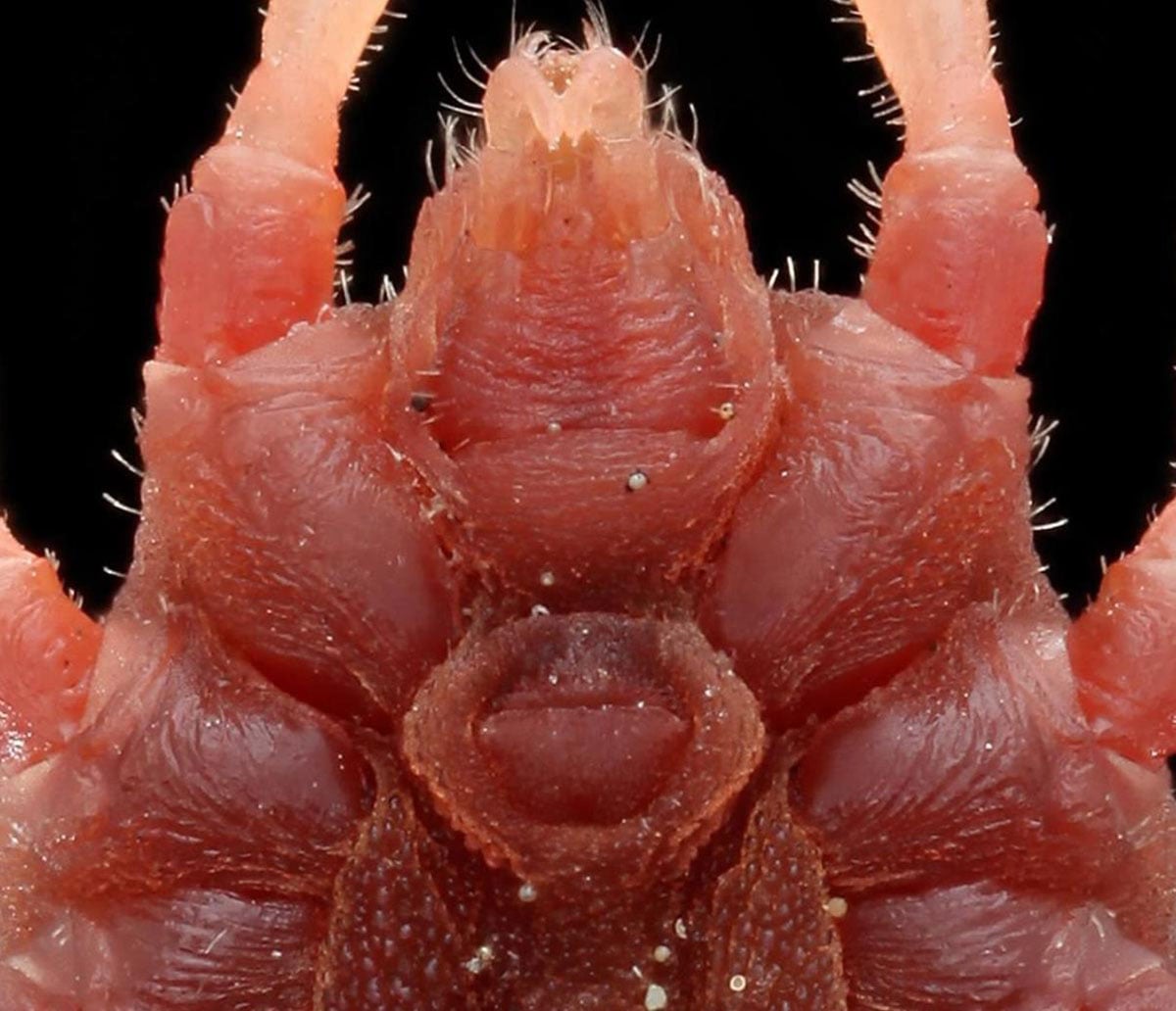
A likely urban case of soft tick-borne relapsing fever shows that infected ticks may be present inside Texas homes.
While sitting inside an Austin apartment, a resident discovered an engorged tick attached to their ankle. Testing later connected the tick to a likely case of soft tick-borne relapsing fever (STRF), raising concerns that infected soft ticks may pose a risk in urban neighborhoods and homes, not only in rural areas.
Researchers at Baylor College of Medicine and the Texas Department of State Health Services reported the case in Open Forum Infectious Diseases.
A household tick revealed the pathogen
The resident sent the living tick to the Texas Department of State Health Services Zoonosis Control Branch (ZCB). After initial testing, the ZCB warned the resident that the tick might carry bacteria capable of causing STRF.
The specimen was then transferred to Dr. Job Lopez’s laboratory at Baylor College of Medicine for identification and further analysis. Researchers determined that it was Ornithodoros turicata, a species of soft tick, and confirmed that it carried Borrelia turicatae, the bacterium responsible for STRF.
Laboratory experiments showed that the tick was capable of transmitting the bacteria, while genetic testing confirmed the pathogen’s identity.
Several weeks before discovering the tick, the patient had developed repeated episodes of high fever, chills, fatigue, headaches, nausea, and a rash. Facial paralysis appeared later, leading to several emergency room visits and eventual hospitalization. Physicians screened the patient for numerous infections, including Lyme disease, but were unable to establish a clear diagnosis at the time.
Urban exposure broadens the risk
The case indicates that infected soft ticks may occur in city parks, residential neighborhoods, and homes as well as rural environments. The researchers called for greater awareness among healthcare providers, better diagnostic tools, and more extensive monitoring of soft tick populations in urban areas of Texas.
Recognizing STRF earlier could reduce missed diagnoses and help patients receive appropriate care sooner.
Reference: “Human Exposure to Spirochete-Infected Ornithodoros turicata in a Residential Setting in the Austin, Texas Metropolitan Area” by Serhii Filatov, Bonny Mayes, Sarah M Gunter, Alexander R Kneubehl and Job E Lopez, 24 July 2026, Open Forum Infectious Diseases.
DOI: 10.1093/ofid/ofag428
Never miss a breakthrough: Join the SciTechDaily newsletter.
Follow us on Google and Google News.