
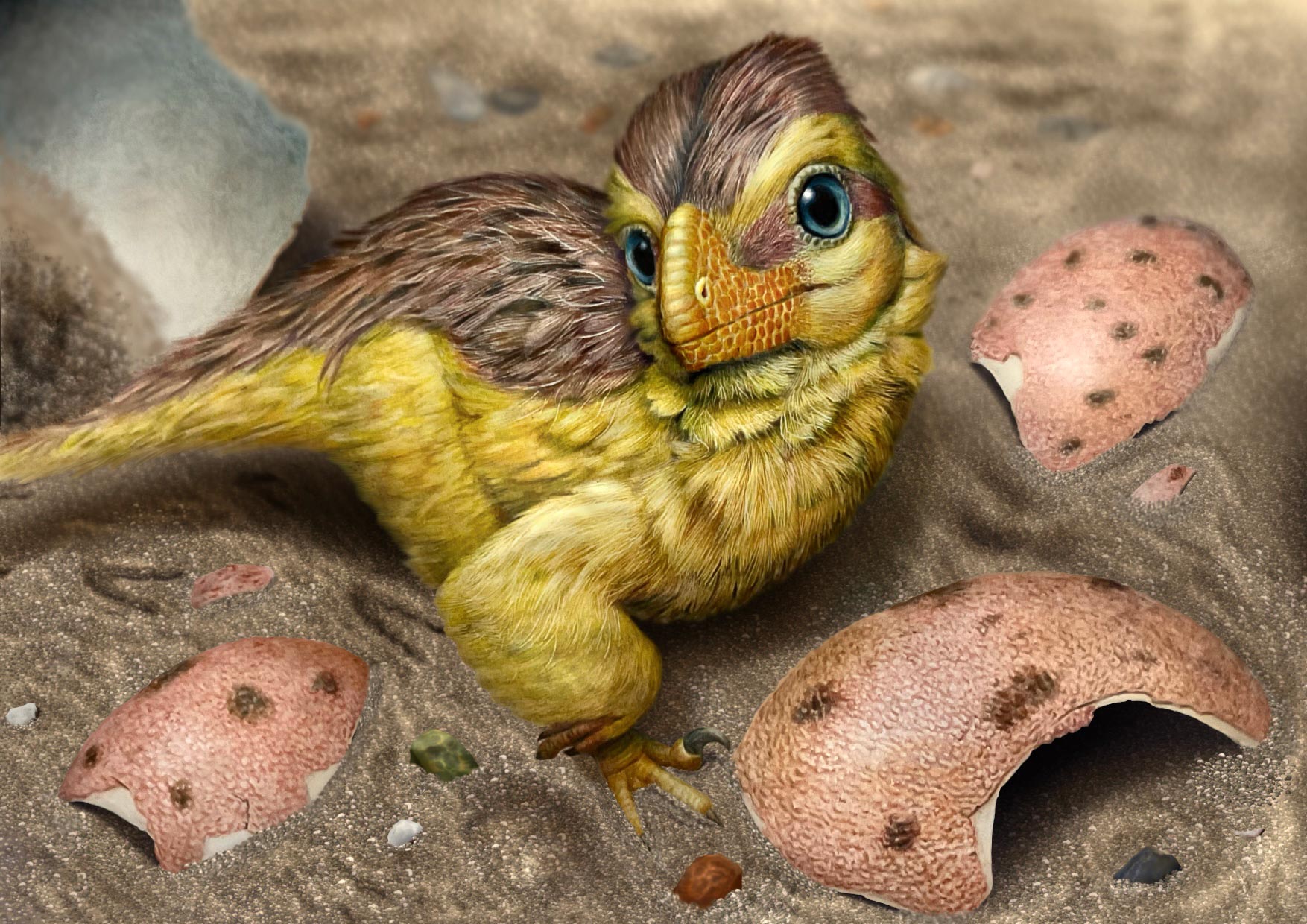
An international group of geologists and paleontologists has developed a new method to accurately determine the age of rocks that contain fossils by directly dating preserved dinosaur eggshells.
An international group of geologists and paleontologists has introduced a new way to pinpoint the age of rock layers that contain fossils by dating the fossilized shells of dinosaur eggs themselves.
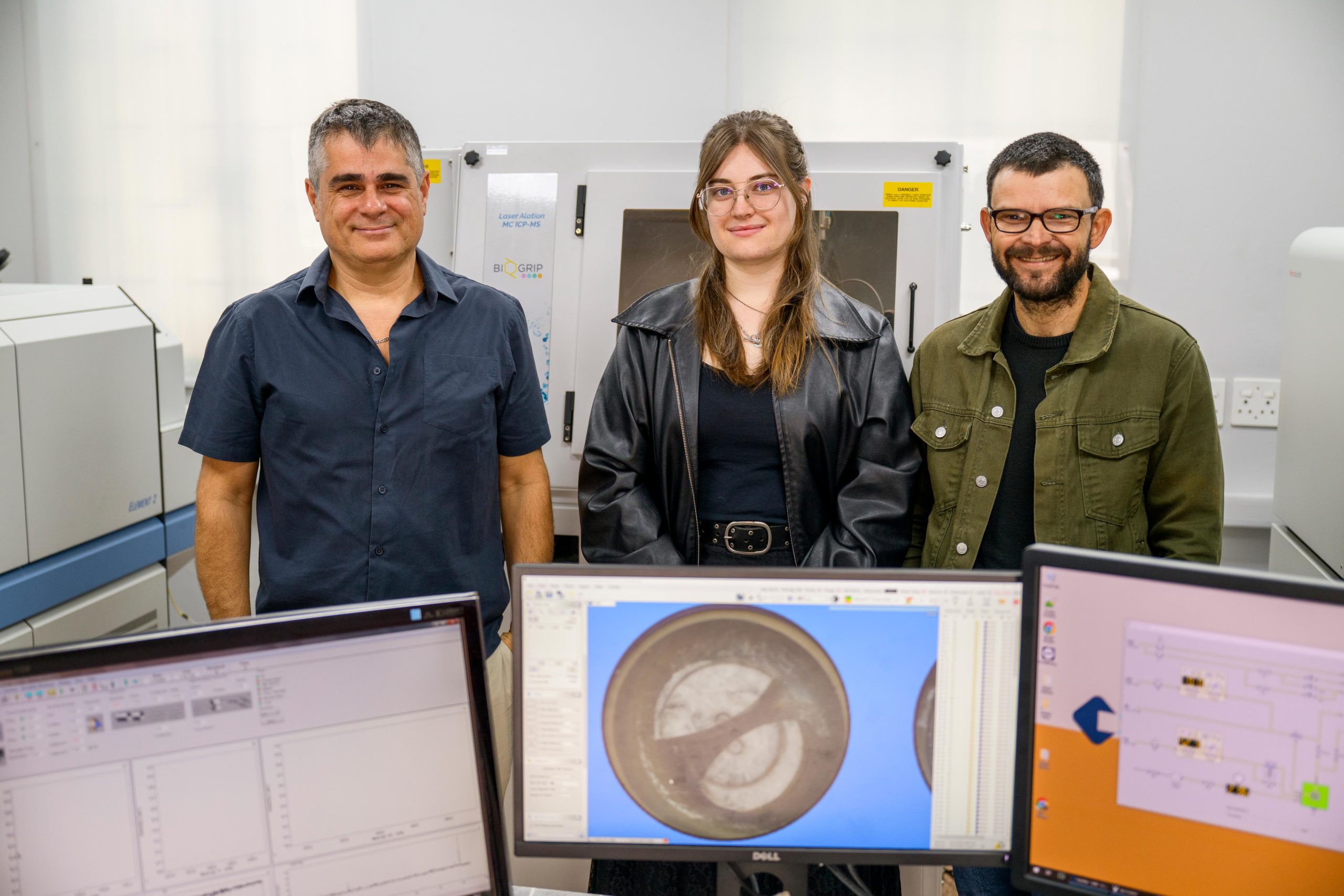
The research, led by Dr. Ryan Tucker of the Department of Earth Sciences at Stellenbosch University, appears in Communications Earth & Environment.
Many fossil localities across the globe have only rough age estimates. When scientists lack precise ages for these sites, it becomes difficult to compare species, ecosystems, and evolutionary changes across different regions. Most of the time, researchers date nearby minerals such as zircon or apatite to establish a timeline, but those minerals are not always available. Attempts to directly date fossils like bones or teeth have also produced results that are often unreliable.
Using uranium–lead dating on dinosaur eggshells
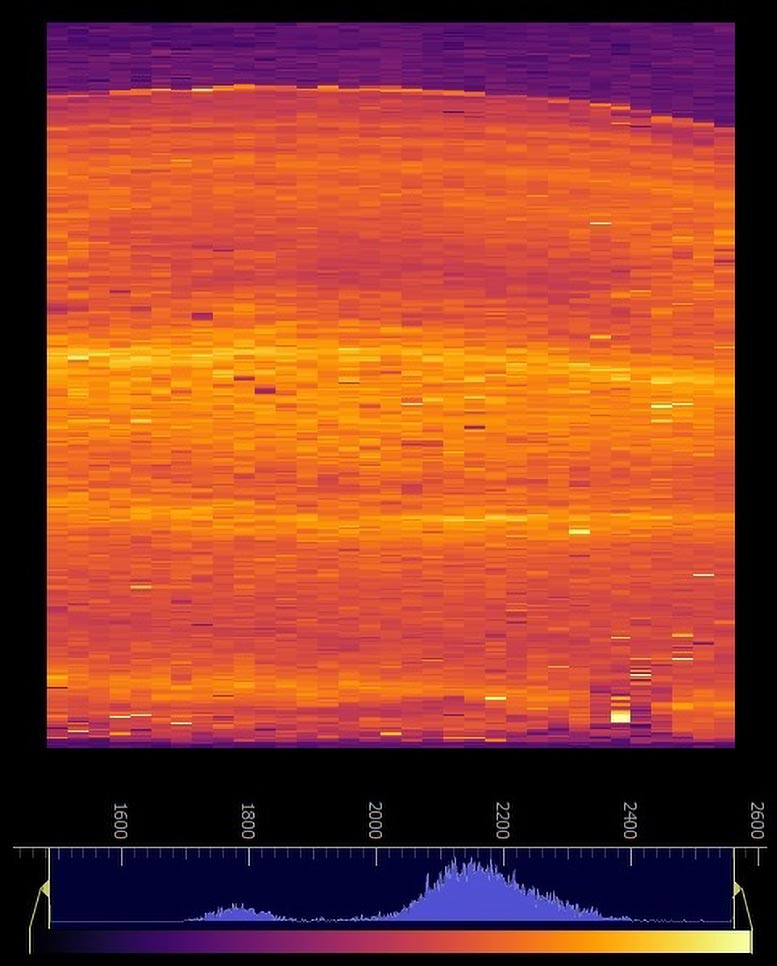
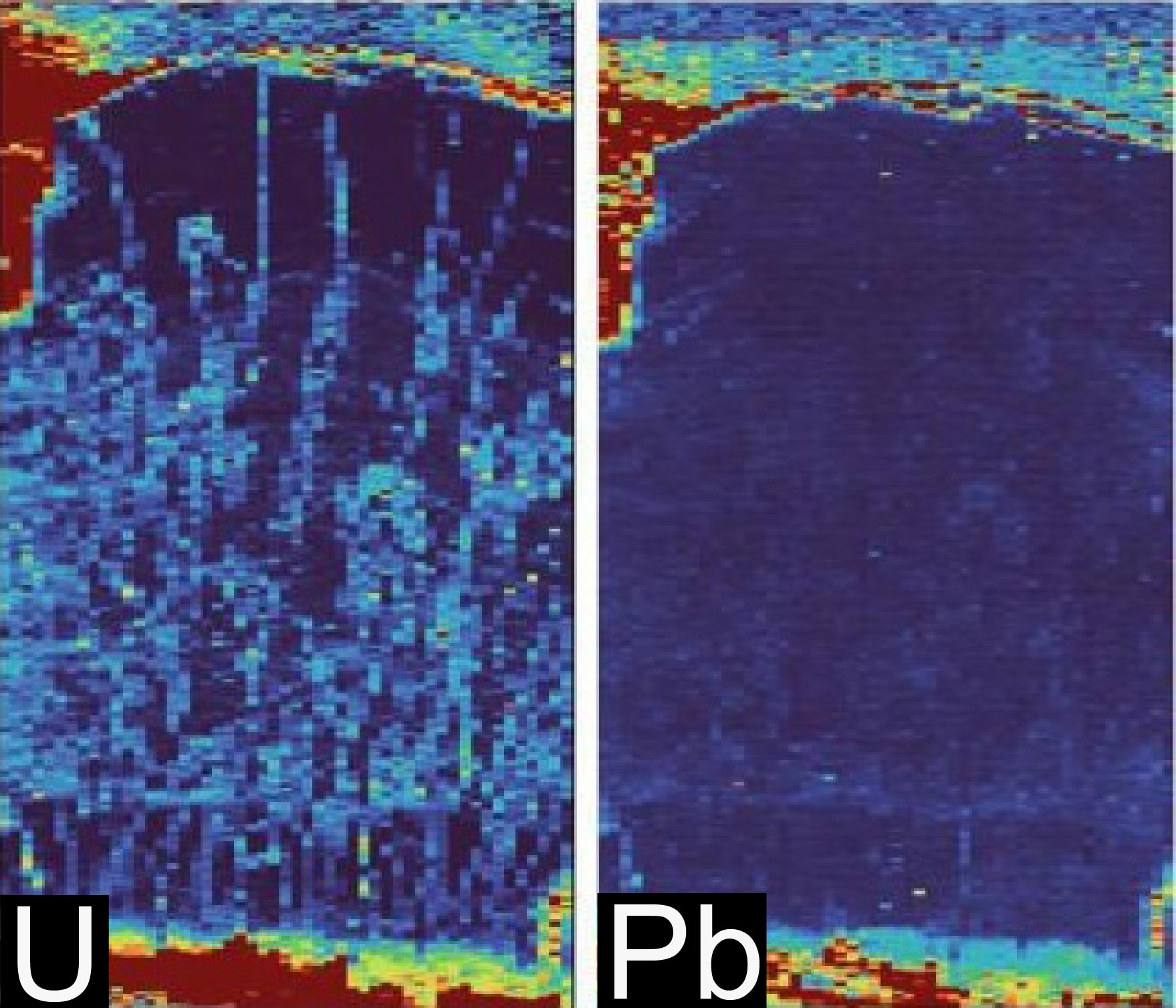
Dr. Tucker’s team chose a different strategy. They applied high-resolution uranium–lead (U–Pb) dating along with elemental mapping to analyze tiny traces of uranium and lead preserved within the calcite structure of fossil dinosaur eggshells. These isotopes act as a built-in timer, allowing researchers to determine when the eggs became buried in sediment.
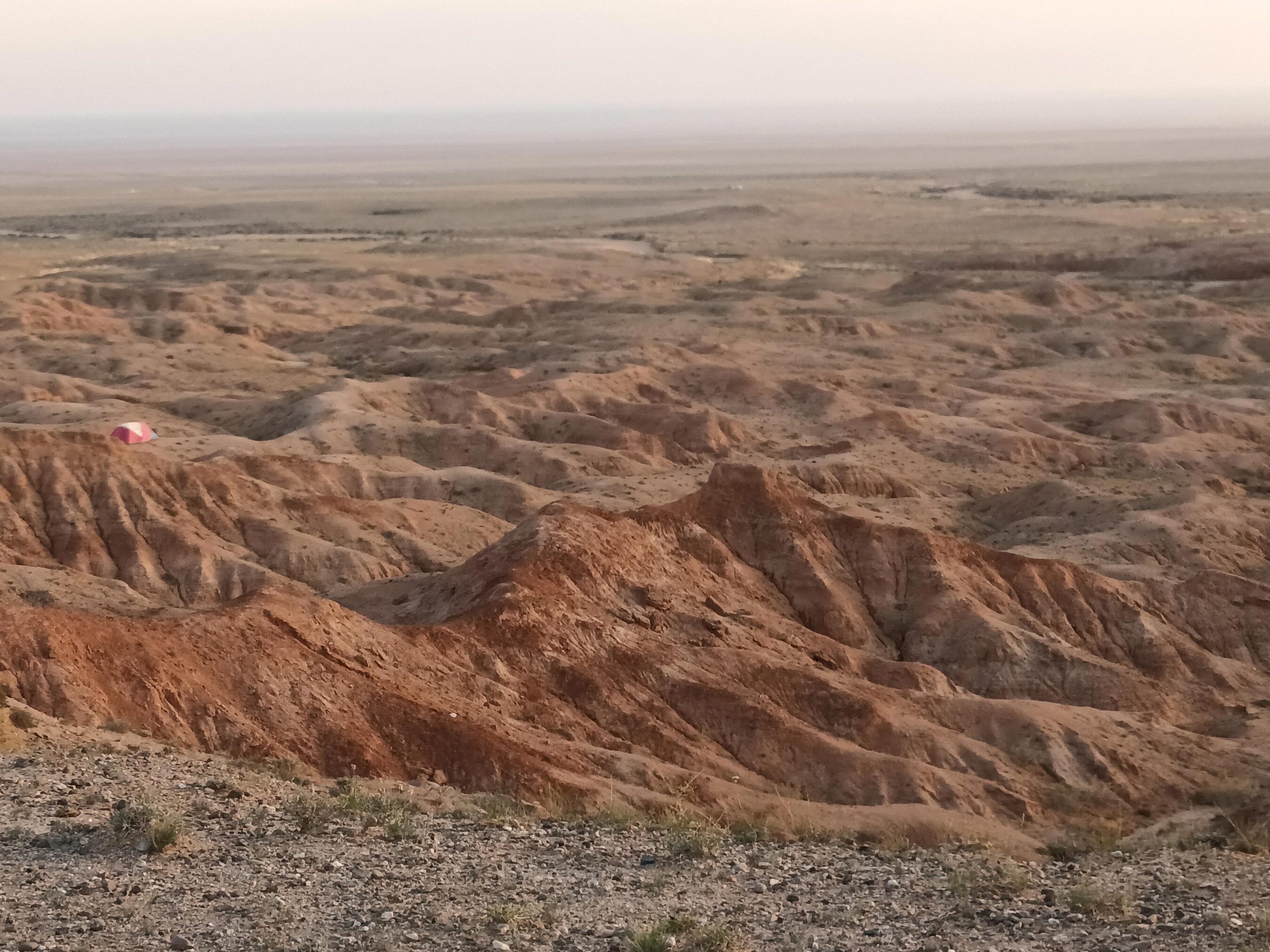
The method was tested on fossil eggs collected in Utah (USA) and the Gobi Desert (Mongolia). The eggshells revealed ages that matched established volcanic-ash dates within roughly five percent accuracy. In Mongolia, the team identified the first direct age for a well-known site containing dinosaur eggs and nests, placing it at about 75 million years old.
“Eggshell calcite is remarkably versatile,” says Dr. Tucker. “It gives us a new way to date fossil sites where volcanic layers are missing, a challenge that has limited paleontology for decades.”
Global collaboration behind the breakthrough
The work involved collaborators from the North Carolina Museum of Natural Sciences, North Carolina State University, Colorado School of Mines, Mongolian Academy of Sciences’ Institute of Paleontology, Universidade Federal de Ouro Preto (Brazil).
Fieldwork in Mongolia was carried out through the Mongolian Alliance for Dinosaur Exploration (MADEx) and supported by the National Geographic Society and the National Science Foundation.
By showing that dinosaur eggshells can reliably record the passage of geologic time, the study links biology and Earth science in a new way — offering researchers a powerful tool to date fossil sites around the globe.
“Direct dating of fossils is a paleontologist’s dream,” says study co-author Lindsay Zanno, associate research professor at North Carolina State University and head of paleontology at the North Carolina Museum of Natural Sciences. “Armed with this new technique, we can unravel mysteries about dinosaur evolution that used to be insurmountable.”
Reference: “U-Pb calcite age dating of fossil eggshell as an accurate deep time geochronometer” by Ryan T. Tucker, Kira E. Venter, Cristiano Lana, Eric M. Roberts, Tsogtbaatar Chinzorig, Khishigjav Tsogtbaatar and Lindsay E. Zanno, 10 November 2025, Communications Earth & Environment.
DOI: 10.1038/s43247-025-02895-w
Never miss a breakthrough: Join the SciTechDaily newsletter.
Follow us on Google and Google News.
1 Comment
Uranium to Lead, not bad. very good.