
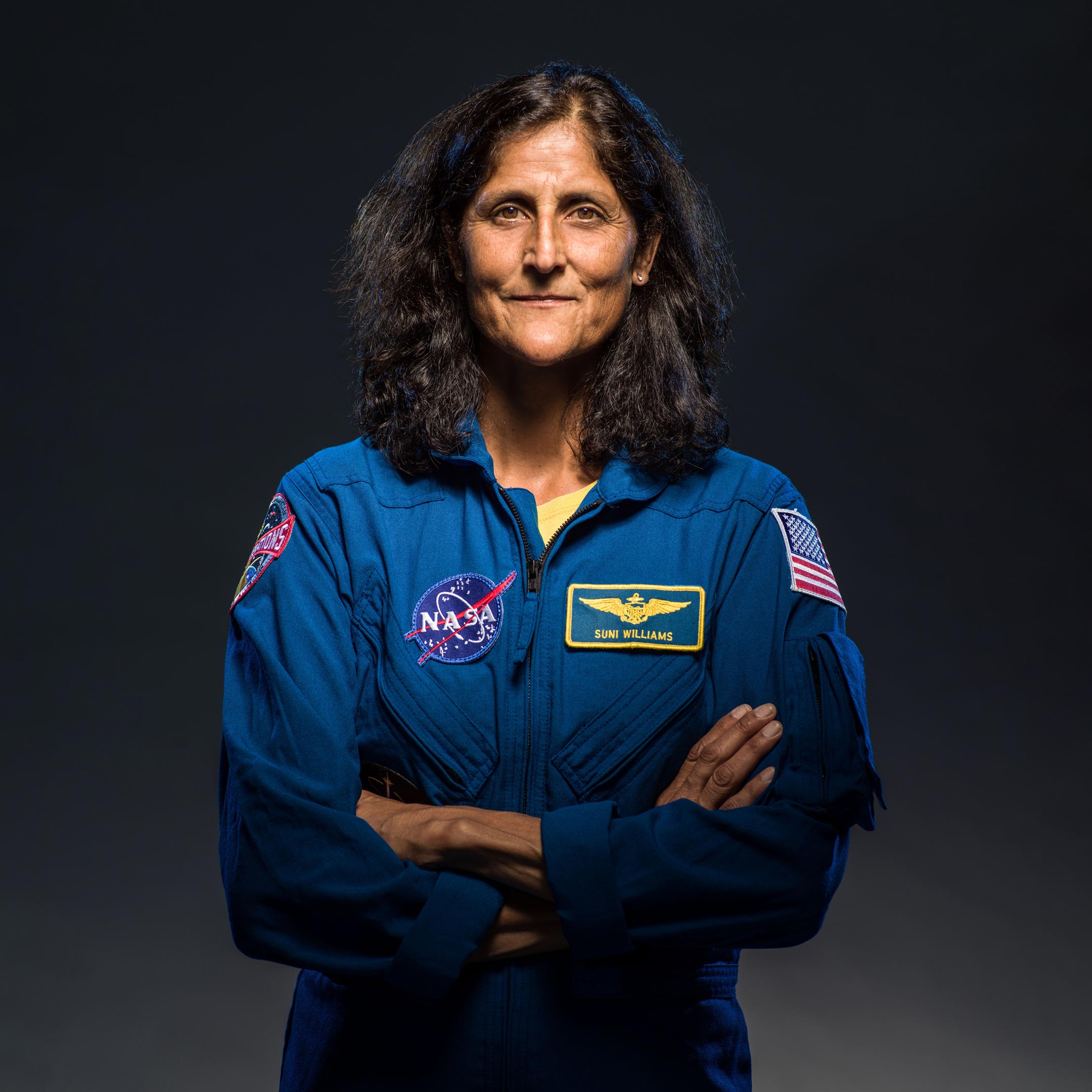
After nearly three decades of service, NASA astronaut Suni Williams officially retired from the agency, effective December 27, 2025. Over her 27-year career, Williams flew to space three times and spent hundreds of days aboard the International Space Station, where she helped shape modern human spaceflight while setting multiple records.
“Suni Williams has been a trailblazer in human spaceflight, shaping the future of exploration through her leadership aboard the space station and paving the way for commercial missions to low Earth orbit,” said NASA Administrator Jared Isaacman. “Her work advancing science and technology has laid the foundation for Artemis missions to the Moon and advancing toward Mars, and her extraordinary achievements will continue to inspire generations to dream big and push the boundaries of what’s possible. Congratulations on your well-deserved retirement, and thank you for your service to NASA and our nation.”
Record-Setting Time in Space and Historic Firsts
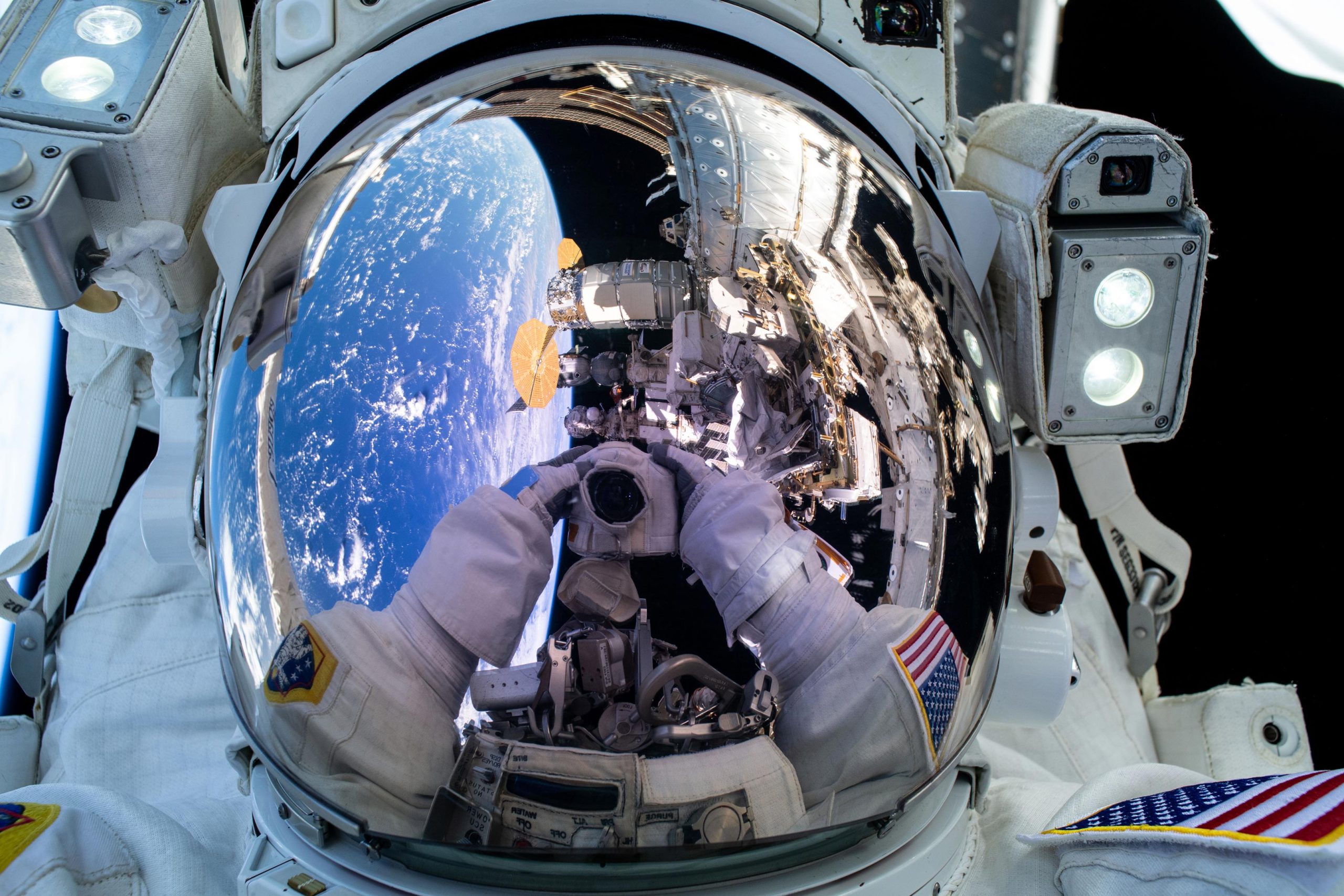
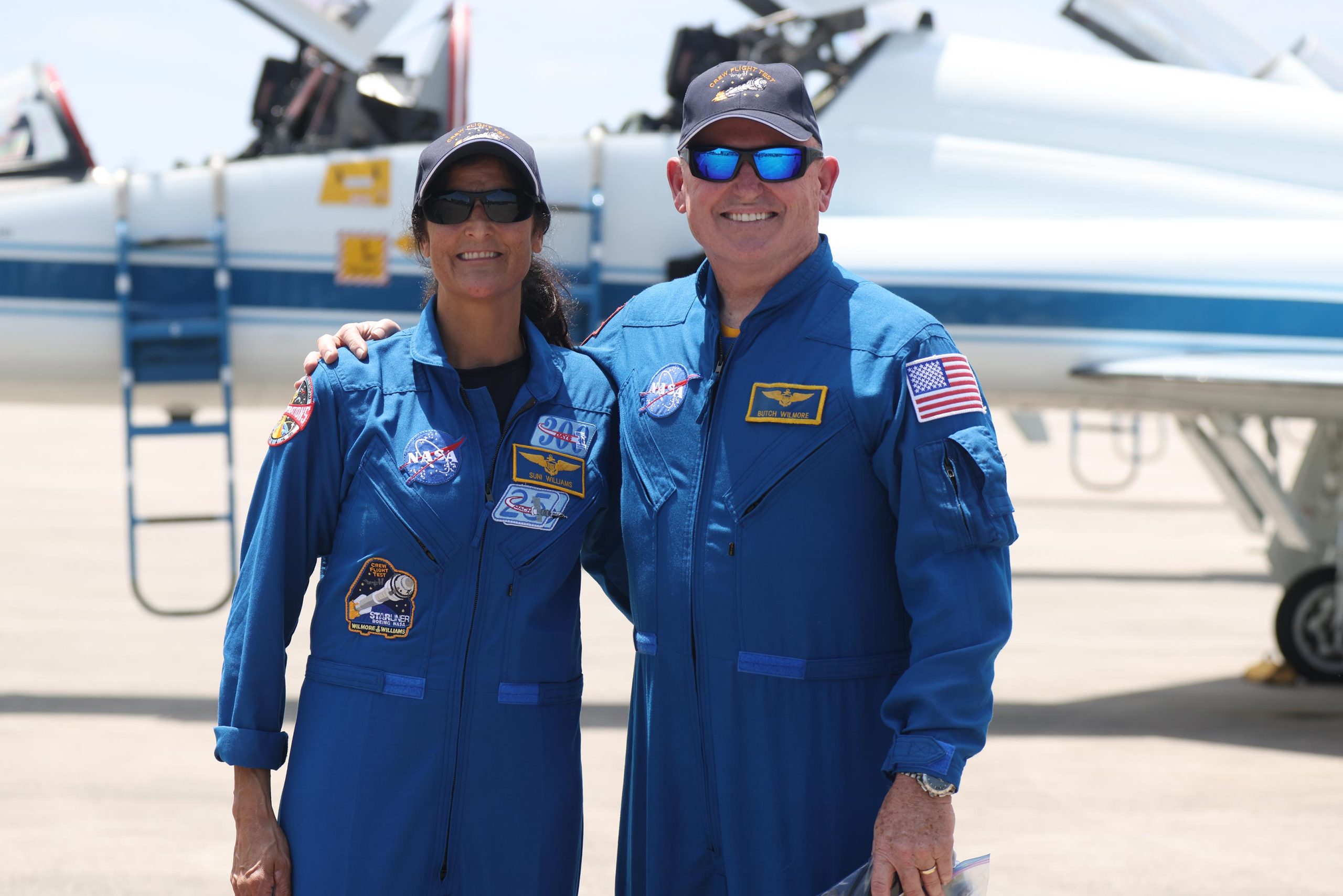
Across her missions, Williams accumulated a total of 608 days in space, ranking second among NASA astronauts for cumulative time spent off Earth. She also holds the sixth-longest single spaceflight by an American astronaut, tied with NASA astronaut Butch Wilmore, with both spending 286 days in orbit during NASA’s Boeing Starliner and SpaceX Crew-9 missions.
Williams completed nine spacewalks, adding up to 62 hours and 6 minutes outside the space station. That total stands as the most spacewalk time ever logged by a woman and ranks fourth on the all-time list for cumulative spacewalk duration. She also made history as the first person to run a marathon while in space.
“Over the course of Suni’s impressive career trajectory, she has been a pioneering leader,” said Vanessa Wyche, director of NASA’s Johnson Space Center in Houston. “From her indelible contributions and achievements to the space station, to her groundbreaking test flight role during the Boeing Starliner mission, her exceptional dedication to the mission will inspire the future generations of explorers.”
Early Space Shuttle Missions and Space Station Work
Williams made her first journey to space in December 2006, launching aboard space shuttle Discovery on mission STS-116. She later returned to Earth with the STS-117 crew aboard space shuttle Atlantis. During this early phase of her career, she served as a flight engineer for Expeditions 14/15 and carried out four spacewalks, which at the time set a new record.
Commander of the Space Station
In 2012, Williams launched again, this time from the Baikonur Cosmodrome in Kazakhstan, for a 127-day mission as part of Expeditions 32/33. During Expedition 33, she took on the role of space station commander. While in orbit, she performed three spacewalks to repair a leaking radiator and replace a key component that delivers power from the station’s solar arrays to its systems.
Starliner Test Flight and Final Mission
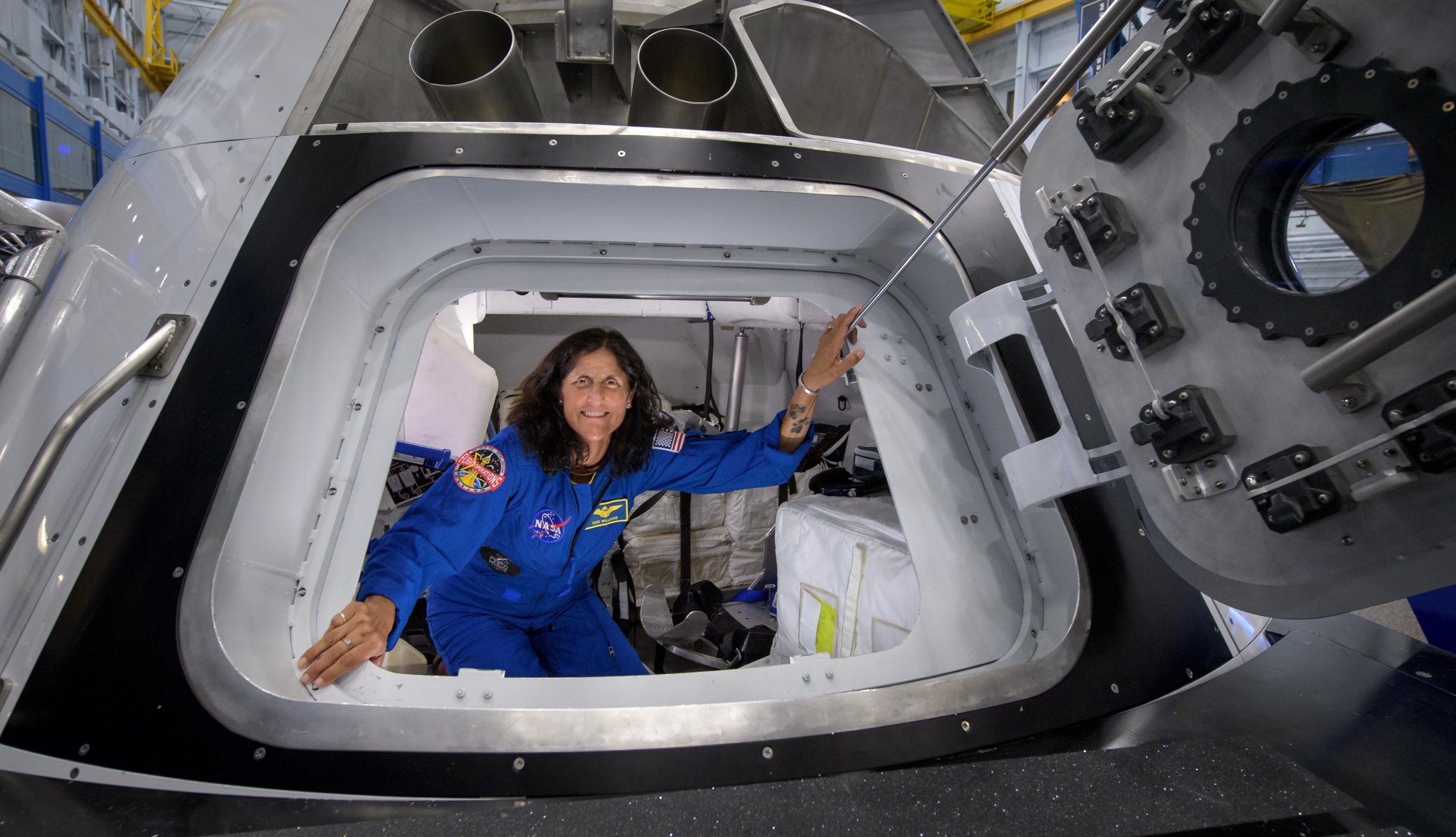
Williams’ most recent spaceflight began in June 2024, when she and Wilmore launched aboard Boeing’s Starliner spacecraft for NASA’s Crew Flight Test mission. The pair later joined Expeditions 71/72, with Williams once again assuming command of the space station during Expedition 72. She completed two additional spacewalks on the mission and returned to Earth in March 2025 as part of NASA’s SpaceX Crew-9 mission.
“Suni is incredibly sharp, and an all-around great friend and colleague,” said Scott Tingle, chief of the Astronaut Office at NASA Johnson. “She’s inspired so many people, including myself and other astronauts in the corps. We’re all going to miss her greatly and wish her nothing but the best.”
Leadership Roles Beyond Spaceflight
In addition to her time in orbit, Williams held several key positions throughout her NASA career. In 2002, she participated in NEEMO (NASA Extreme Environments Mission Operations), spending nine days living and working in an underwater habitat. Following her first spaceflight, she served as deputy chief of NASA’s Astronaut Office. After her second mission, she became director of Operations in Star City, Russia. Later in her career, she helped develop a helicopter training platform designed to prepare astronauts for future Moon landings.

Education, Military Service, and Aviation Experience
A native of Needham, Massachusetts, Williams earned a bachelor’s degree in physical science from the United States Naval Academy and a master’s degree in engineering management from Florida Institute of Technology in Melbourne, Florida. She retired from the U.S. Navy as a captain and is a highly experienced pilot, with more than 4,000 flight hours across 40 different aircraft, including helicopters and fixed-wing planes.
Looking Ahead to NASA’s Future
“Anyone who knows me knows that space is my absolute favorite place to be,” said Williams. “It’s been an incredible honor to have served in the Astronaut Office and have had the opportunity to fly in space three times. I had an amazing 27-year career at NASA, and that is mainly because of all the wonderful love and support I’ve received from my colleagues. The International Space Station, the people, the engineering, and the science are truly awe-inspiring and have made the next steps of exploration to the Moon and Mars possible. I hope the foundation we set has made these bold steps a little easier. I am super excited for NASA and its partner agencies as we take these next steps, and I can’t wait to watch the agency make history.”
Never miss a breakthrough: Join the SciTechDaily newsletter.
Follow us on Google and Google News.
1 Comment
Unless you celebrate the retirement of all astronauts…this is not helpful.