
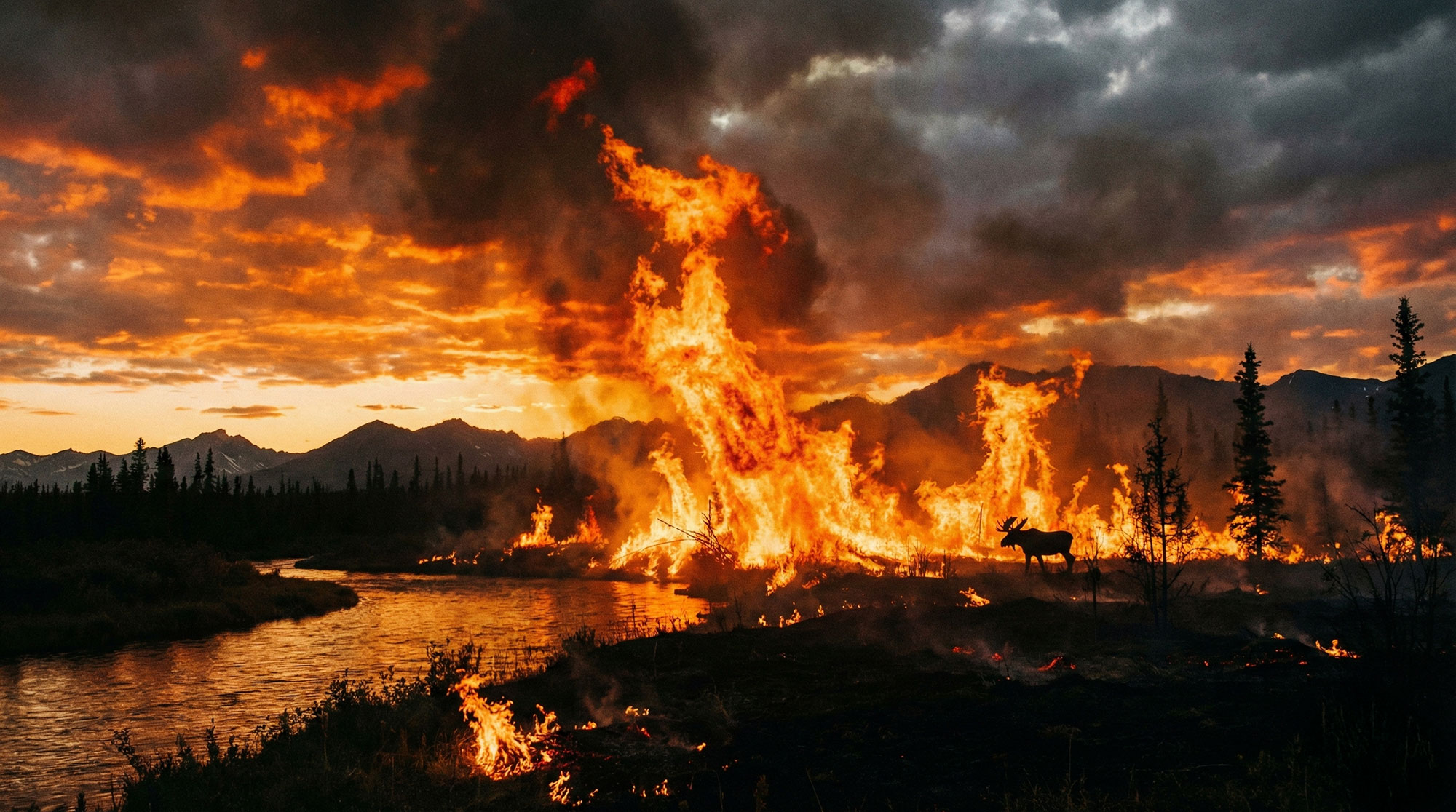
A new study reveals that wildfires on Alaska’s North Slope have reached levels unseen in the past 3,000 years.
Wildfires across Alaska’s North Slope have been more frequent over the last century than at any point in the previous 3,000 years, according to new research published in the journal Biogeosciences.
The work was carried out in Arctic Alaska by an international group of scientists representing institutions in Germany, Poland, the United Kingdom, Romania, and the University of Alaska Fairbanks’ Toolik Field Station.
Angelica Feurdean, the study’s lead author and a senior researcher at Goethe University in Germany, explained that the team combined multiple scientific methods to piece together a long-term record of fire activity. The results suggest that the recent surge in wildfires is linked to expanding woody vegetation and increasingly dry soils, both of which are associated with rising temperatures.
“The interlinked changes across millennia mean recent fires are indicators of a system undergoing rapid transformation,” Feurdean said.
Digging Into the Arctic Past
To uncover evidence of ancient wildfires, the researchers collected peat samples by drilling about half a meter into tundra soils at nine locations north of the Brooks Range. These sites were situated along the Dalton Highway between Toolik Lake and the Franklin Bluffs.
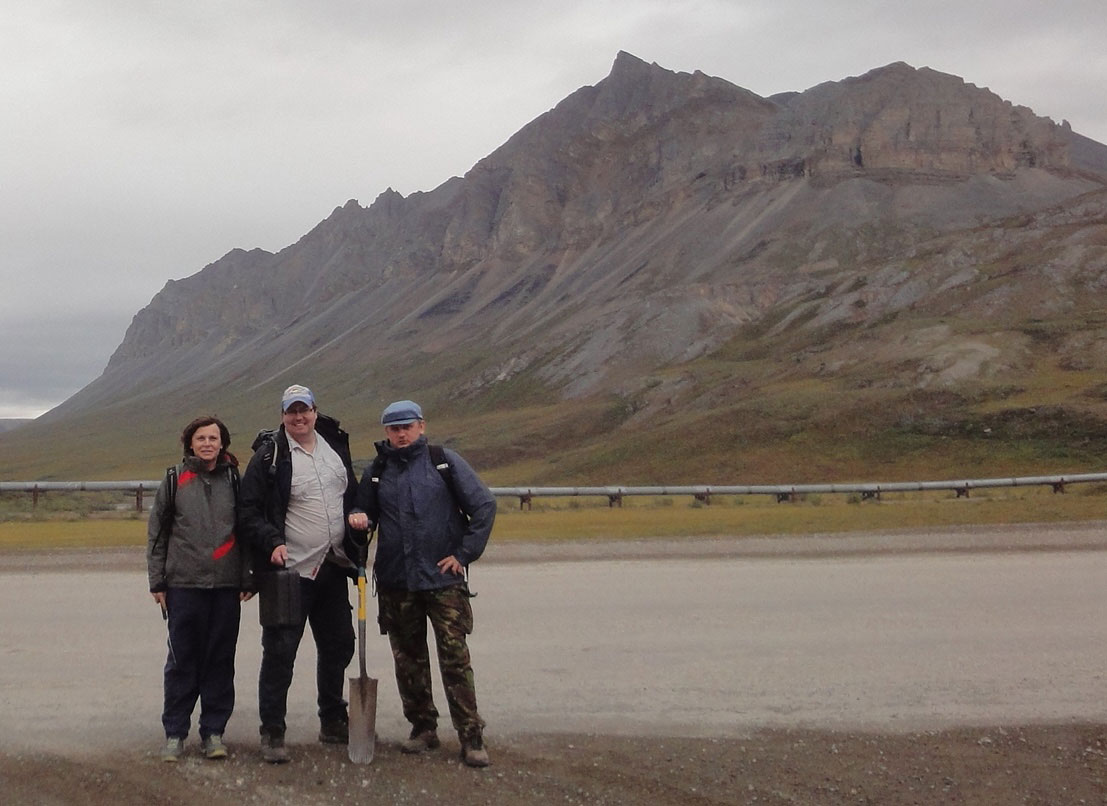
Each layer of peat contained traces of past environmental conditions, including charcoal, pollen, and fragments of dead plants and microbes. The team analyzed the concentration of these materials and used radiocarbon and lead dating to establish their ages. By combining these data, the researchers were able to reconstruct patterns of wildfire activity, vegetation changes, and soil moisture over thousands of years.
Material from the peat cores dated back 3,000 years to around 1000 B.C. Charcoal records indicated fire activity was low for the first 2,000 years. Activity rose slightly between roughly A.D. 1000 and 1200 when tundra soils started to dry. But it dropped back to lower levels for the next seven centuries.
A Sharp Rise in the Modern Era
Then, in 1900, fire activity began to heat up again. By 1950, fire activity spiked to unprecedented levels as peat reached record dryness and woody shrubs increased. Fire activity rose and soils continued to dry through 2015, when the cores were taken.
The scientists then compared ancient fire history with that of modern activity by pairing charcoal remnants with satellite records.
Satellite records confirmed the evidence from charcoal records that fire activity has been rising since the latter half of the 20th century. Specifically, the late 1960s, 1990 and 2000s-2010s saw frequent fires.
Randy Fulweber, study co-author and the geographic information systems and remote sensing manager at UAF’s Toolik Field Station, said combining the charcoal and satellite records also brought new insights into the severity of modern-day fires.
Evidence from recent large fires, Fulweber said, “may be indicative of these fires burning hotter, consuming more fuel and leaving behind less charcoal.”
“It may suggest a shifting fire regime, one in which fires are really burning hot,” he said.
Fulweber credits this finding to the collaborative atmosphere at Toolik Field Station, which enabled the team to merge their expertise in paleoecology, GIS and remote sensing.
“There’s something unique that a field station like Toolik provides in terms of the breadth and depth of specialties that helps studies like this happen and, ultimately, opens up more scientific questions to answer,” Fulweber said.
Reference: “Fire activity in the northern Arctic tundra now exceeds late Holocene levels, driven by increasing dryness and shrub expansion” by Angelica Feurdean, Randy Fulweber, Andrei-Cosmin Diaconu, Graeme T. Swindles and Mariusz Gałka, 10 November 2025, Biogeosciences.
DOI: 10.5194/bg-22-6651-2025
Never miss a breakthrough: Join the SciTechDaily newsletter.
Follow us on Google and Google News.