
Close Menu
    Facebook X (Twitter) Instagram
    SciTechDaily
    • Biology
    • Chemistry
    • Earth
    • Health
    • Physics
    • Science
    • Space
    • Technology
    Facebook X (Twitter) Pinterest YouTube RSS
    SciTechDaily
    Home»Science»Archaeological Find: Prehistoric Babies Fed Animal Milk in Bottles
    Science

    Archaeological Find: Prehistoric Babies Fed Animal Milk in Bottles

    By University of BristolSeptember 28, 2019No Comments4 Mins Read
    Facebook Twitter Pinterest Telegram LinkedIn WhatsApp Email Reddit
    Share
    Facebook Twitter LinkedIn Pinterest Telegram Email Reddit
    Baby Feeding from Reconstructed Infant Feeding Vessel
    Modern-day baby feeding from reconstructed infant feeding vessel of the type investigated here. Credit: Helena Seidl da Fonseca

    A team of scientists, led by the University of Bristol, has found the first evidence that prehistoric babies were fed animal milk using the equivalent of modern-day baby bottles.

    Possible infant feeding vessels, made from clay, first appear in Europe in the Neolithic (at around 5,000 BC), becoming more commonplace throughout the Bronze and Iron Ages. The vessels are usually small enough to fit within a baby’s hands and have a spout through which liquid could be suckled. Sometimes they have feet and are shaped like imaginary animals. Despite this, in the lack of any direct evidence for their function, it has been suggested they may also be feeding vessels for the sick or infirm.

    The researchers wanted to investigate whether these were in fact infant feeding vessels (baby bottles) so selected three examples found in very rare child graves in Bavaria. These were small (about 5 – 10 cm/2 – 4 inches across) with an extremely narrow spout.

    The team used a combined chemical and isotopic approach to identify and quantify the food residues found within the vessels. Their findings, published on September 25, 2019, in the journal Nature, showed that the bottles contained ruminant milk from domesticated cattle, sheep, or goat.
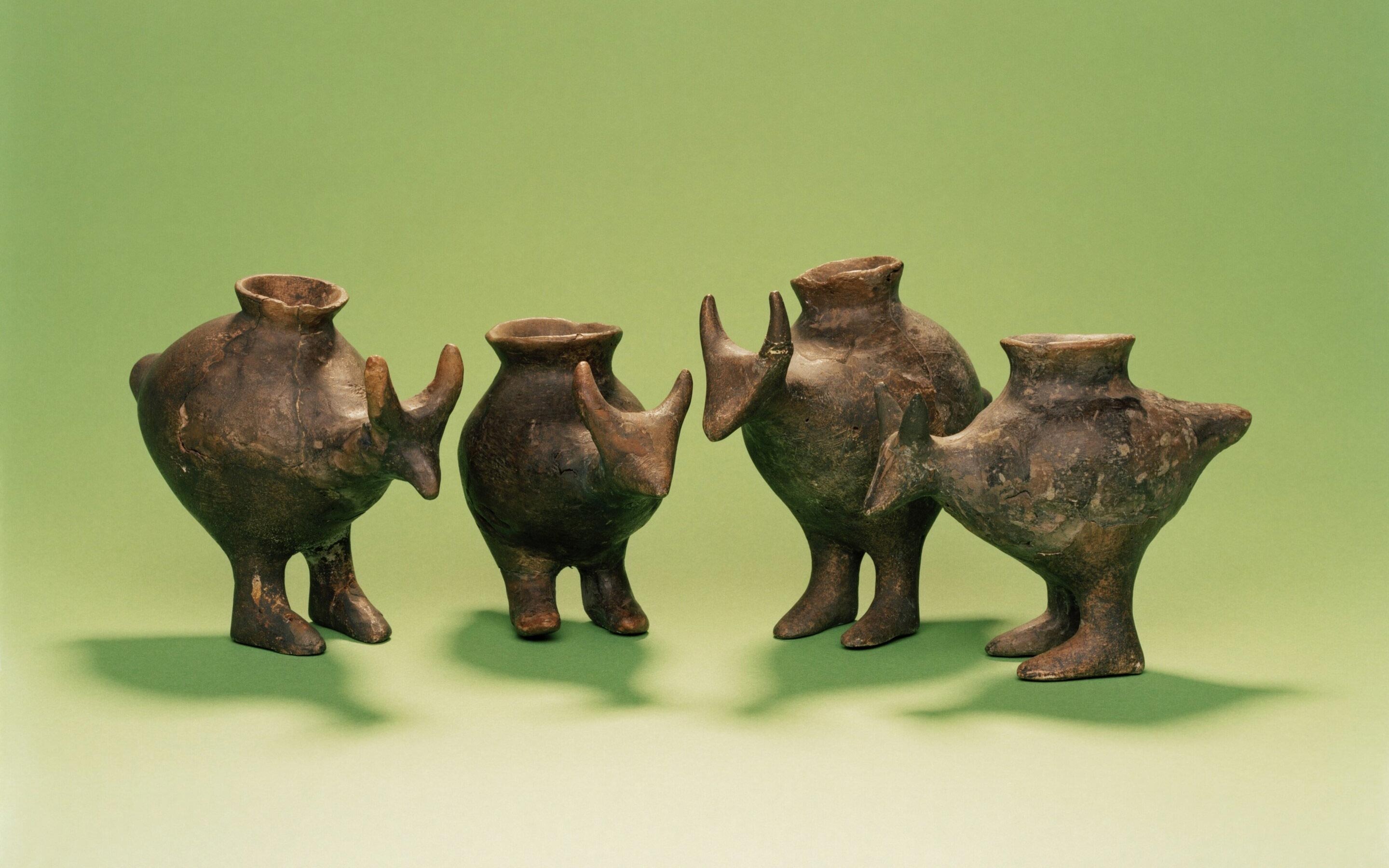
    Late Bronze Age Feeding Vessels
    Late Bronze Age feeding vessels from Vösendorf, Austria. Credit: Enver-Hirsch © Wien Museum

    The presence of these three obviously specialized vessels in child graves combined with the chemical evidence confirms that these vessels were used to feed animal milk to babies either in the place of human milk and/or during weaning onto supplementary foods.

    Prior to this study, the only evidence for weaning came from isotopic analysis of infant skeletons, but this could only give rough guidelines of when children were weaned, not what they were eating/drinking. The study thus provides important information on breastfeeding and weaning practices, and infant and maternal health, in prehistory.

    This is the first study that has applied this direct method of identification of weaning foods to infants in the past and opens the way for investigations of feeding vessels from other ancient cultures worldwide.

    Lead author, Dr. Julie Dunne from the University of Bristol’s School of Chemistry, said: “These very small, evocative, vessels give us valuable information on how and what babies were fed thousands of years ago, providing a real connection to mothers and infants in the past.”
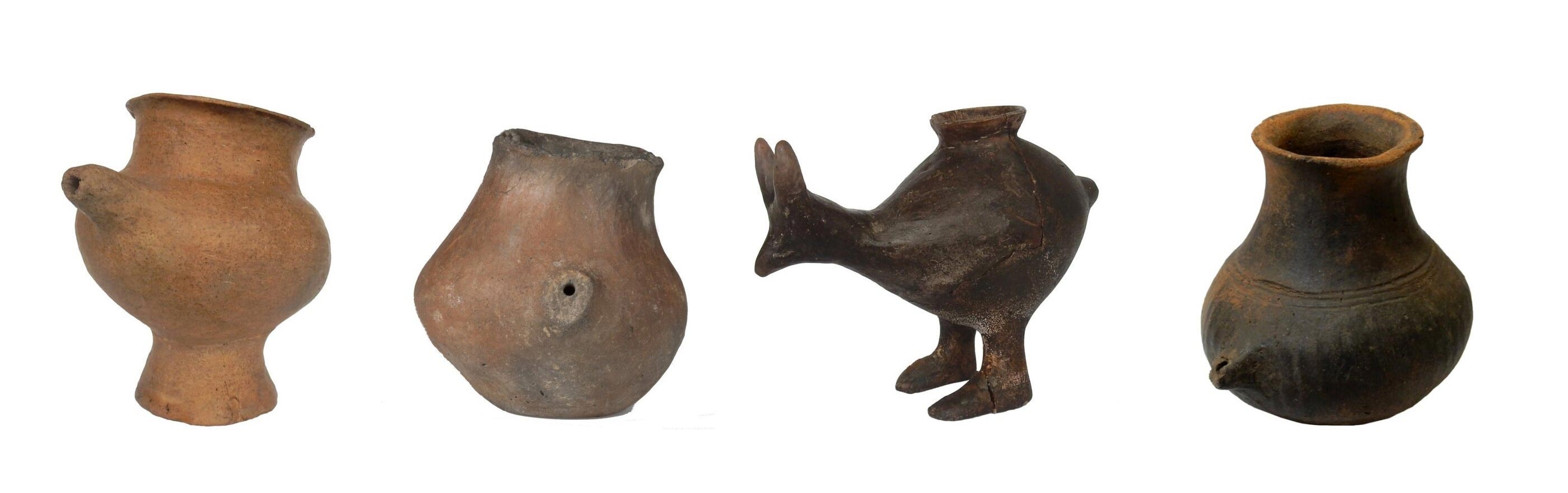
    Selection of Late Bronze Age Feeding Vessels
    Selection of Late Bronze Age feeding vessels. Vessels are from Vienna, Oberleis, Vösendorf and Franzhausen-Kokoron (from left to right), dated to around 1200 – 800 BC. Credit: Katharina Rebay-Salisbury

    She continued: “Similar vessels, although rare, do appear in other prehistoric cultures (such as Rome and ancient Greece) across the world. Ideally, we’d like to carry out a larger geographic study and investigate whether they served the same purpose.”

    Project partner, Dr. Katharina Rebay-Salisbury from the Institute for Oriental and European Archaeology of the Austrian Academy of Sciences, who directs an ERC-funded project on motherhood in prehistory, commented  “Bringing up babies in prehistory was not an easy task. We are interested in researching cultural practices of mothering, which had profound implications for the survival of babies. It is fascinating to be able to see, for the first time, which foods these vessels contained”.

    Professor Richard Evershed FRS who heads up Bristol’s Organic Geochemistry Unit and is a co-author of the study, added: “This is a striking example of how robust biomolecular information, properly integrated with the archaeology of these rare objects, has provided a fascinating insight into an aspect of prehistoric human life so familiar to us today.”

    Reference: “Milk of ruminants in ceramic baby bottles from prehistoric child graves” by J. Dunne, K. Rebay-Salisbury, R. B. Salisbury, A. Frisch, C. Walton-Doyle and R. P. Evershed, 25 September 2019, Nature.
    DOI: 10.1038/s41586-019-1572-x

    Never miss a breakthrough: Join the SciTechDaily newsletter.
    Follow us on Google and Google News.

    Archaeology University of Bristol
    Share. Facebook Twitter Pinterest LinkedIn Email Reddit

    Related Articles

    125-Year Mystery Solved: New Dinosaur Species Identified in Wales

    What Was the Purpose of the Mysterious Ancient Stone Spheres? Scientists Finally Have an Answer

    Ancient Pottery Reveals First Evidence of Prehistoric Honey Hunting in West Africa 3,500 Years Ago

    Discovery Unravels Darwin’s “Abominable Mystery” Surrounding Origin of Flowering Plants

    Finally Revealed: Gargantuan True Size of Legendary Prehistoric Mega-Shark Megalodon

    Molecular & Isotopic Evidence of Milk, Meat & Plants in Prehistoric Food Systems

    Archaeologists Go on Egg Hunt to Crack 5,000-Year-Old Mystery

    Medieval England Birch Bark Tar Usage Revealed in New Archaeological Discoveries

    Archaeologists Inch Closer to Understanding Stonehenge

    Leave A Reply Cancel Reply

    • Facebook
    • Twitter
    • Pinterest
    • YouTube

    Don't Miss a Discovery

    Subscribe for the Latest in Science & Tech!

    Trending News

    Scientists Uncover Potential Brain Risks of Popular Fish Oil Supplements

    Scientists Discover a Surprising Way To Make Bread Healthier and More Nutritious

    After 60 Years, Scientists Uncover Unexpected Brain Effects of Popular Diabetes Drug Metformin

    New Research Uncovers Hidden Side Effects of Popular Weight-Loss Drugs

    Scientists Rethink Extreme Warming After Surprising Ocean Discovery

    Landmark Study Links Never Marrying to Significantly Higher Cancer Risk

    Researchers Discover Unknown Beetle Species Just Steps From Their Lab

    Largest-Ever Study Finds Medicinal Cannabis Ineffective for Anxiety, Depression, PTSD

    Follow SciTechDaily
    • Facebook
    • Twitter
    • YouTube
    • Pinterest
    • Newsletter
    • RSS
    SciTech News
    • Biology News
    • Chemistry News
    • Earth News
    • Health News
    • Physics News
    • Science News
    • Space News
    • Technology News
    Recent Posts
    • Researchers Uncover Source of Strange Deformation in Earth’s Largest Continental Rift
    • Scientists Solve Mystery of Where the Colorado River Vanished Millions of Years Ago
    • Not Just Alzheimer’s: Scientists Uncover Clues to a Second, Overlooked Disorder
    • Scientists Uncover Dangerous Connection Between Serotonin and Heart Valve Disease
    • Scientists Discover a “Protector” Protein That Could Help Reverse Hair Loss
    Copyright © 1998 - 2026 SciTechDaily. All Rights Reserved.
    • Science News
    • About
    • Contact
    • Editorial Board
    • Privacy Policy
    • Terms of Use

    Type above and press Enter to search. Press Esc to cancel.