
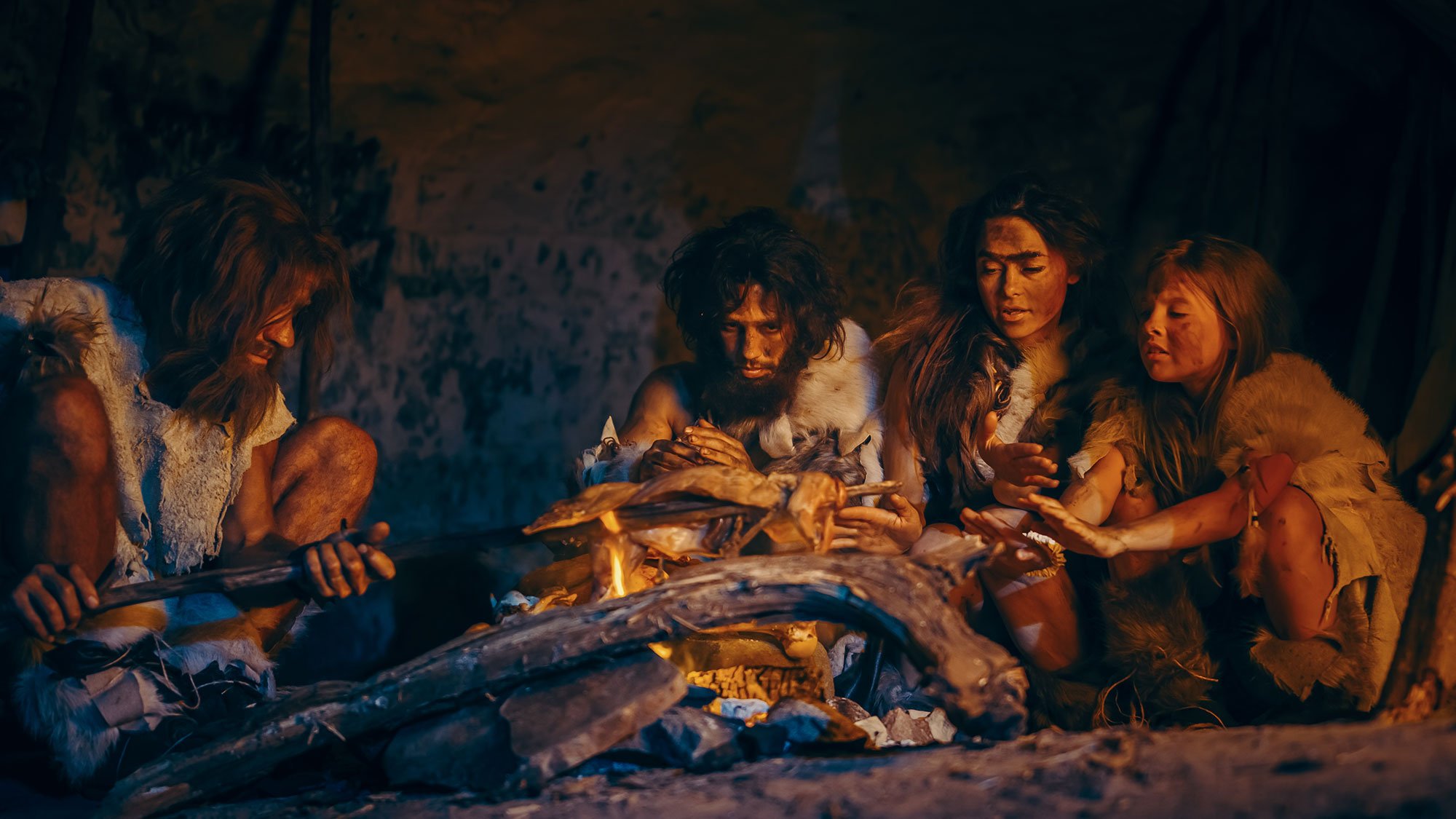
A groundbreaking study of Latvia’s ancient Zvejnieki cemetery has overturned long-held ideas about Stone Age life and death.
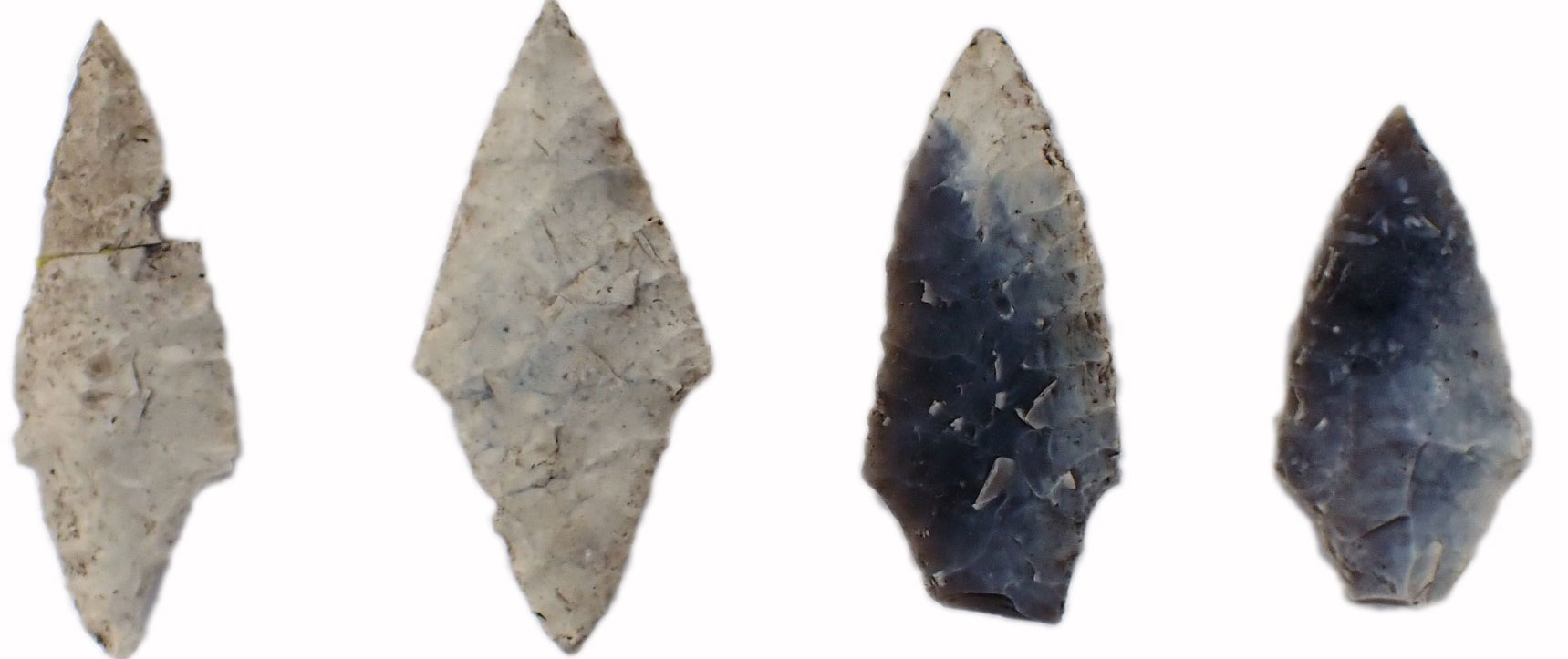
Researchers have uncovered new details about life and death during the Stone Age, finding that stone tools were not exclusive to men but were also placed in the graves of women and children.
The evidence comes from Zvejnieki cemetery in northern Latvia, one of Europe’s largest Stone Age burial grounds with more than 330 graves used over a period of 5,000 years. Until recently, the stone artifacts found there had been largely overlooked as everyday items.
As part of the Stone Dead Project, led by Dr. Aimée Little from the University of York in collaboration with the Latvian National Museum of History and other European partners, scientists used advanced microscopes in Riga to examine how these tools were crafted and utilized.
The research showed that stone tools played a far deeper role in burial rituals, as not only were the tools discovered that had been used to work animal hides, but some tools appear to have been specifically made and then broken as part of funerary rites.
Rethinking Gender Roles
They found that women were as, or even more, likely than men to be buried with stone tools, and that children and older adults were the most common age group to receive stone artifacts.
The long-held stereotype of women in this era was that they played a more domestic role – cooking animals hunted by the men, doing crafts, and caring for the family.
Dr. Aimée Little, from the Centre for Artefacts and Materials Analysis, part of the University of York’s Department of Archaeology, said: “The site in Latvia has seen numerous investigations of the skeletal remains and other types of grave goods, such as thousands of animal teeth pendants.
“A missing part of the story was understanding, with greater depth, why people gave seemingly utilitarian items to the dead.
“Our findings overturn the old stereotype of “Man the Hunter” which has been a dominant theme in Stone Age studies, and has even influenced, on occasion, how some infants have even been sexed, on the basis that they were given lithic tools.”
Ritual Significance and Shared Traditions
Dr. Anđa Petrović, from the University of Belgrade, said: “This research demonstrates that we cannot make these gendered assumptions and that lithic grave goods played an important role in the mourning rituals of children and women, as well as men.”
Tools that had never been used before, hint at their symbolic significance in burial practice, particularly as some tools appear to have been deliberately broken before being placed with the deceased, suggesting a shared ritual tradition across the eastern Baltic region where similar funerary practices have been noted.
Dr. Little added: “The study highlights how much more there is to learn about the lives – and deaths – of Europe’s earliest communities, and why even the seemingly simplest objects can unlock insights about our shared human past and how people responded to death.”
Reference: “Multiproxy study reveals equality in the deposition of flaked lithic grave goods from the Baltic Stone Age cemetery Zvejnieki (Latvia)” by Anđa Petrović, Jessica Bates, Aija Macāne, Ilga Zagorska, Mark Edmonds, Kerkko Nordqvist and Aimée Little, 10 September 2025, PLOS ONE.
DOI: 10.1371/journal.pone.0330623
The research is funded by the Arts and Humanities Research Council (AHRC).
Never miss a breakthrough: Join the SciTechDaily newsletter.
Follow us on Google and Google News.
6 Comments
“The long-held stereotype of women in this era was that they played a more domestic role …”
Tools aren’t used for domestic activities?? This obviously debunks nothing.
Considering that they would process any kill to use nearly everything and this would be done by the non-hunters, the only dubious assumptions made are the ones by these researchers.
You should definitely use your groundless assumptions to debunk the logical ones
My thoughts exactly: Why on earth wouldn’t women be buried with their stone tools since that was obviously the custom. The interesting question would be: Are there gender differences in the type of tool ? Since this pretty obvious question was not apparently considered: The simple observation that stone tools were found in the graves of woman and children tells us NOTHING about hunter/gatherer gender differences or lifestyle.
The only thing this discovery proves is how insidious gender theory bias is, creeping it’s way into every science and discipline like a cancer.
Yeah, that’s why they found the majority of the artifacts at the graves of children or elders. Lets send Granny and Lil Timmy out to hunt sabertooth tigers. This clearly isn’t just a burial tradition where people likely threw in precious items they had as a form to grieve the loss or show condolences to the grieving parents/children of the one they lost.