
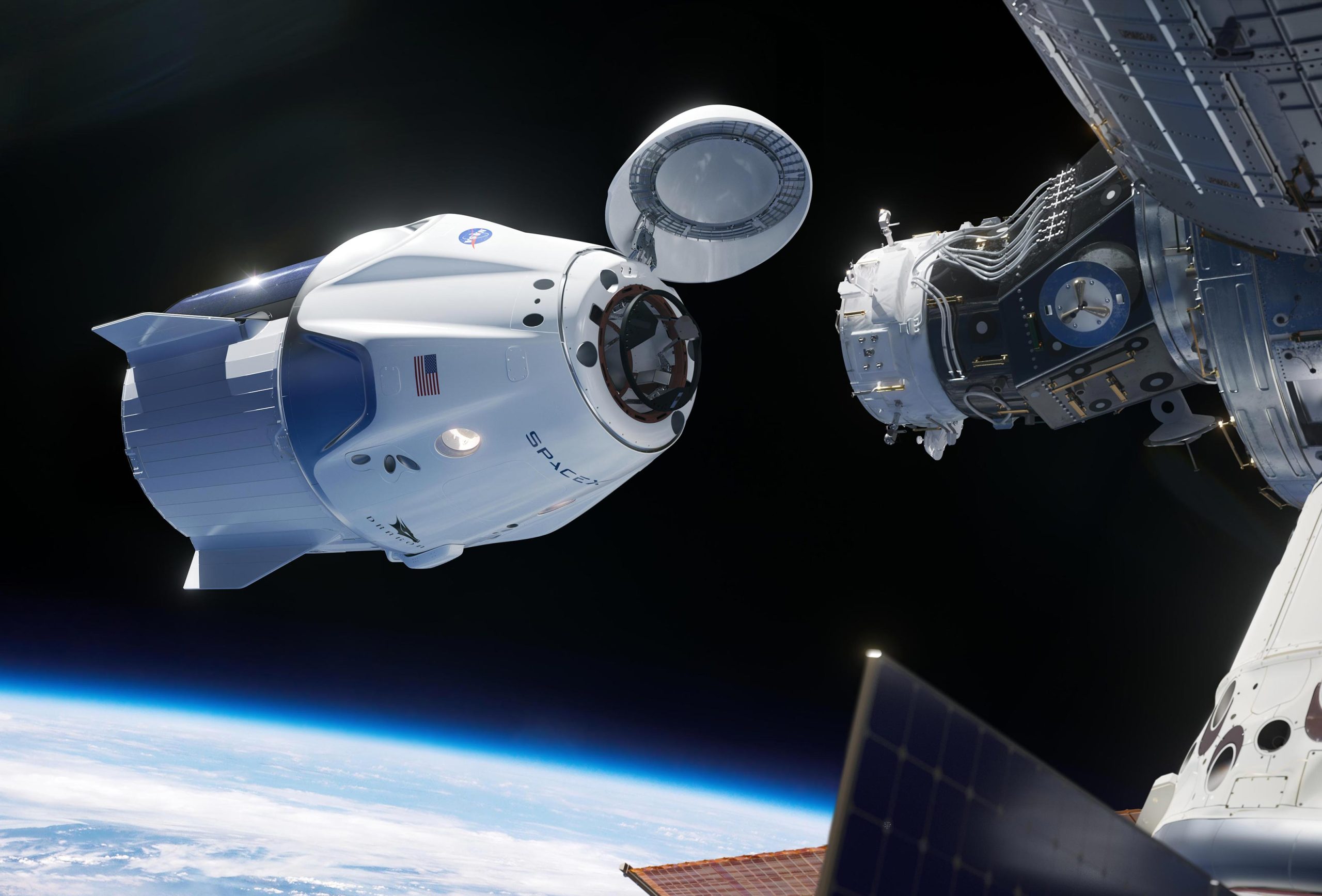
On Tuesday, the main focus for the Expedition 72 crew aboard the International Space Station (ISS) was protecting eyesight to keep astronauts healthy and preparing cargo for an upcoming mission.
Eye Health in Microgravity
In the weightless environment of space, body fluids shift upwards, moving toward an astronaut’s head. This fluid movement creates pressure on the eyes, potentially affecting eye structure and vision. To counteract this, Commander Suni Williams and Flight Engineer Butch Wilmore, both NASA astronauts, tested a specialized thigh cuff designed to prevent these headward fluid shifts. Researchers are closely monitoring these shifts to develop ways to protect eye health as NASA and its international partners plan longer missions deeper into space.
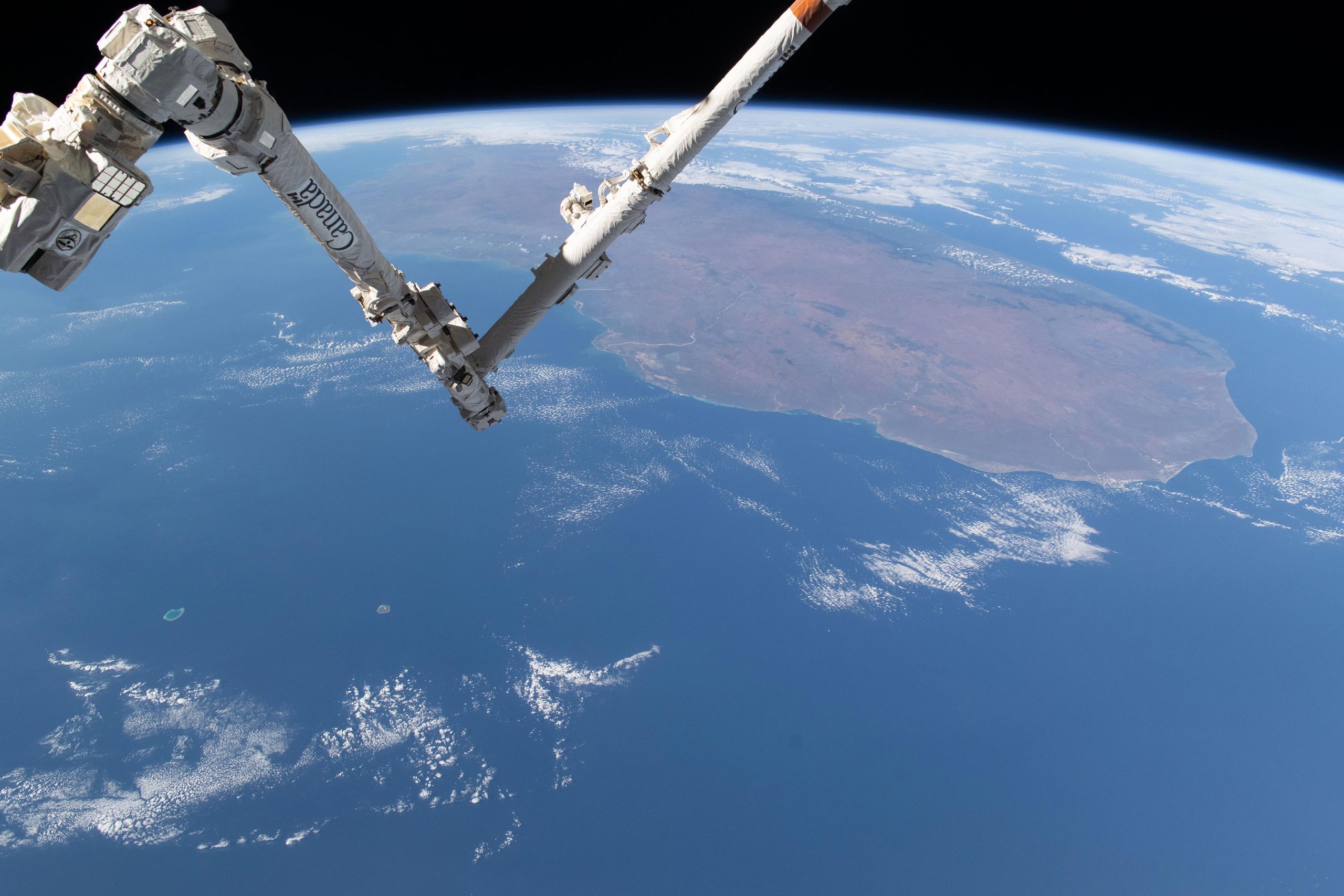
Preparing for Resupply
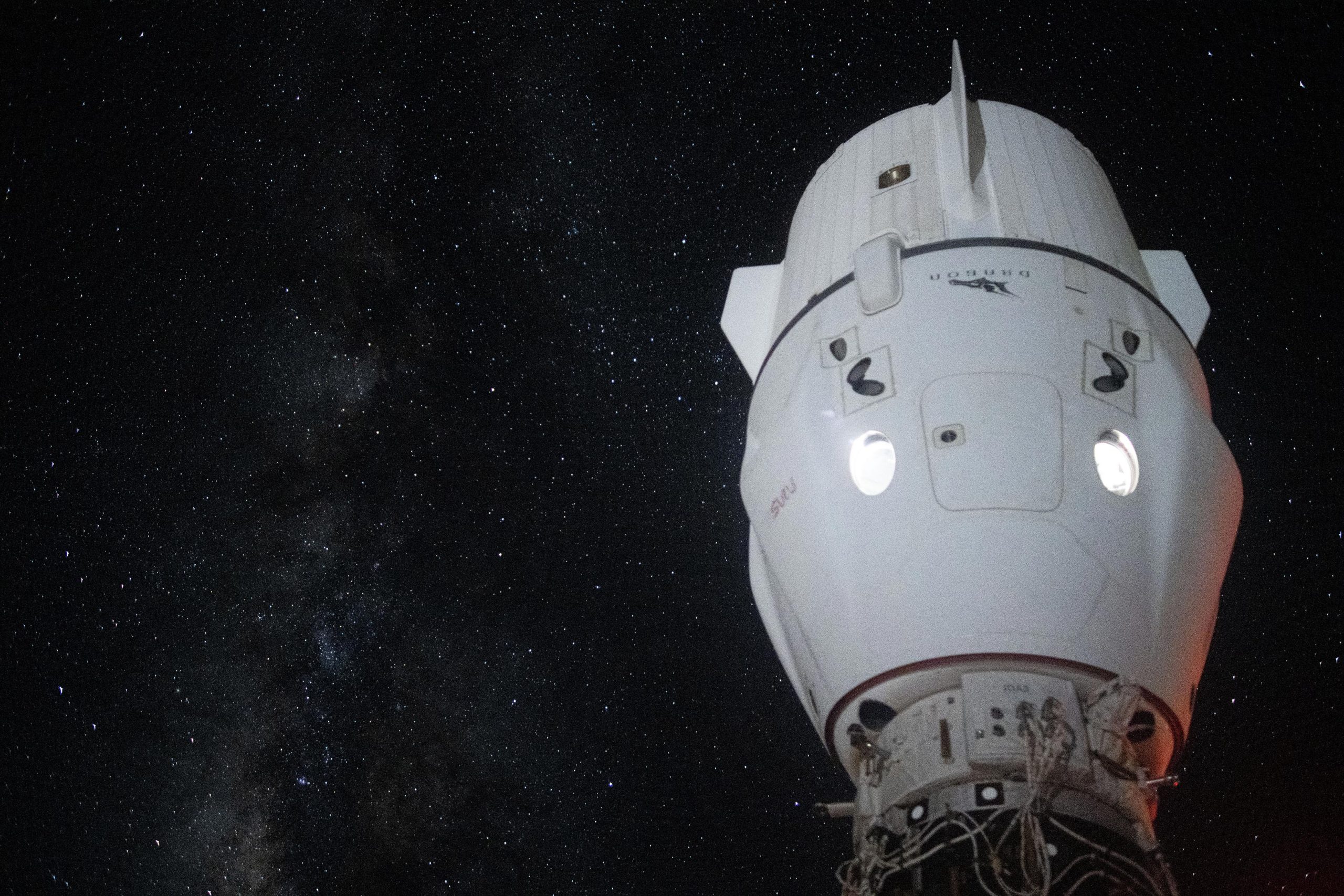
Meanwhile, on Earth, the next resupply mission to the space station is being readied for launch next week aboard the SpaceX Dragon cargo spacecraft. NASA Flight Engineers Don Pettit and Nick Hague prepared for Dragon’s arrival, which will bring a shipment of new scientific experiments and station hardware. Pettit began packing and staging cargo that will be stowed in Dragon after docking and later returned to Earth. Hague trained to operate tools that will track Dragon’s automated approach and docking sequence.
Spacecraft Maneuver and Docking
However, before the cargo mission blasts off toward the space station, Hague will lead Williams, Wilmore, and Roscosmos cosmonaut Aleksandr Gorbunov on a short ride aboard the SpaceX Dragon Freedom spacecraft to a new docking port. The quartet will board Dragon on Sunday, November 3, undock from the Harmony module’s forward port at 6:35 a.m. EDT, then maneuver the spacecraft to Harmony’s space-facing port for a docking at 7:18 a.m. The relocation opens up the forward port for the Dragon cargo mission.
Nighttime Earth Observations and Maintenance
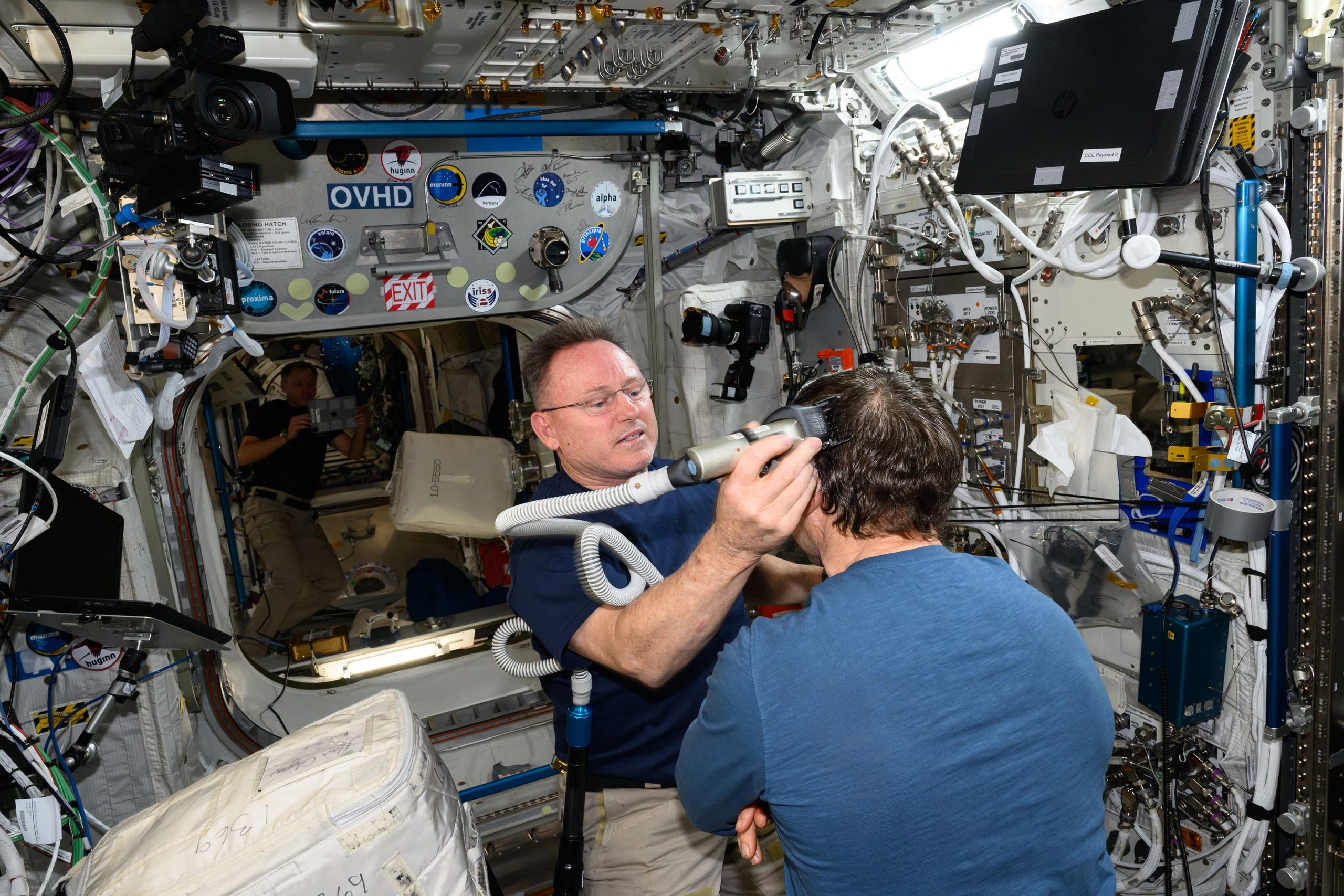
After a training session at the beginning of his shift on the Destiny laboratory module’s exercise cycle, Gorbunov installed and activated hardware to observe Earth’s nighttime atmosphere in near-ultraviolet wavelengths. His fellow cosmonauts Alexey Ovchinin and Ivan Vagner partnered together on maintenance and inspection duties in the aft end of the Zvezda service module.
Never miss a breakthrough: Join the SciTechDaily newsletter.
Follow us on Google and Google News.
1 Comment
The fluid movement statement “In the weightless environment of space, body fluids shift upwards, moving toward an astronaut’s head.” is perplexing. Why is movement toward an astronaut’s head considered ‘up’ in space? Is there ‘constant direction’ within the ISS? Can astronauts orient themselves periodically to counteract this fluid migration?