
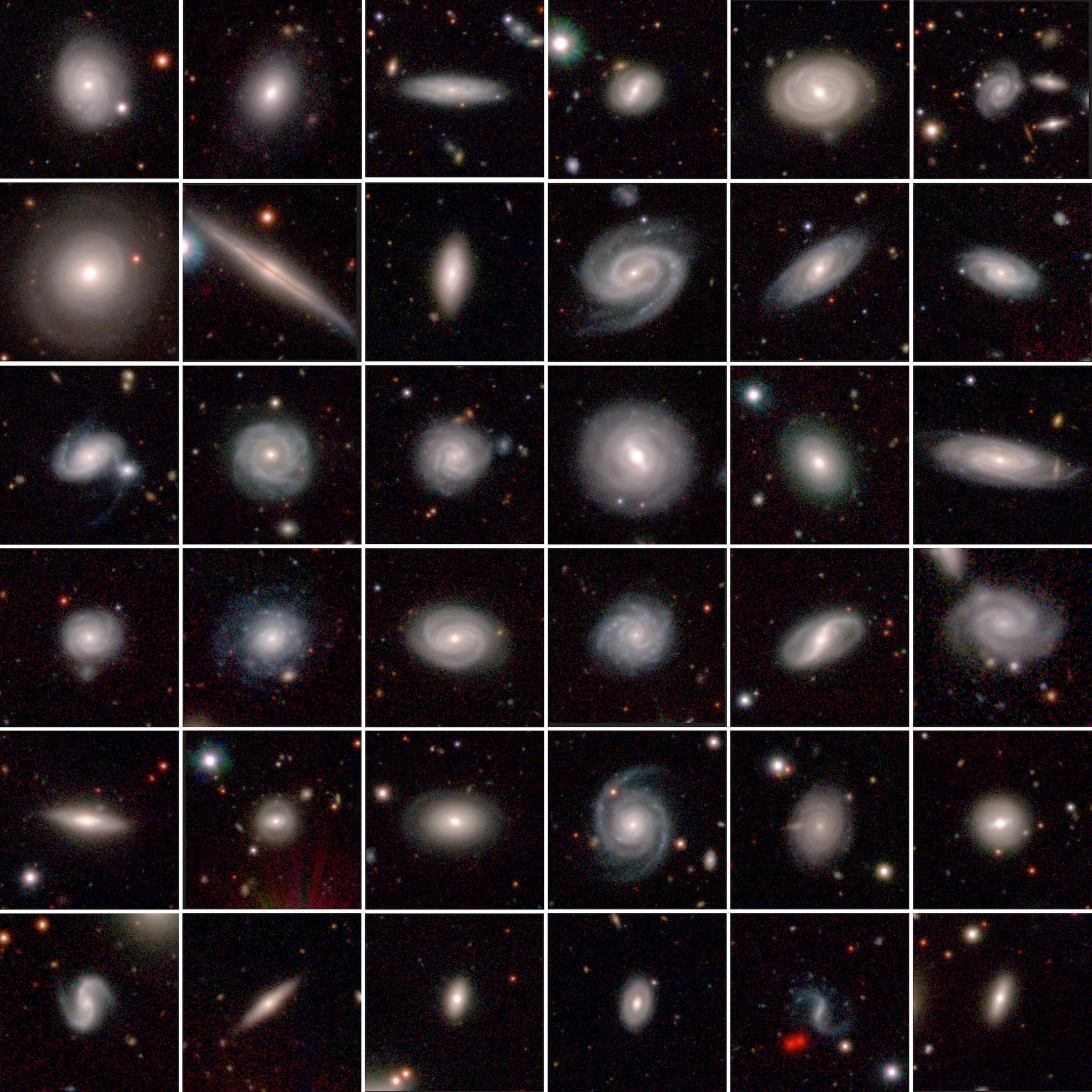
Astronomers from The University of Western Australia’s node of the International Centre for Radio Astronomy Research (ICRAR) have developed a new way to study star formation in galaxies from the dawn of time to today.
“Stars can be thought of as enormous nuclear-powered processing plants,” said lead researcher Dr Sabine Bellstedt, from ICRAR.
“They take lighter elements like hydrogen and helium, and, over billions of years, produce the heavier elements of the periodic table that we find scattered throughout the Universe today.
“The carbon, calcium, and iron in your body, the oxygen in the air you breathe, and the silicon in your computer all exist because a star created these heavier elements and left them behind,” Bellstedt said.
“Stars are the ultimate element factories in the Universe.”
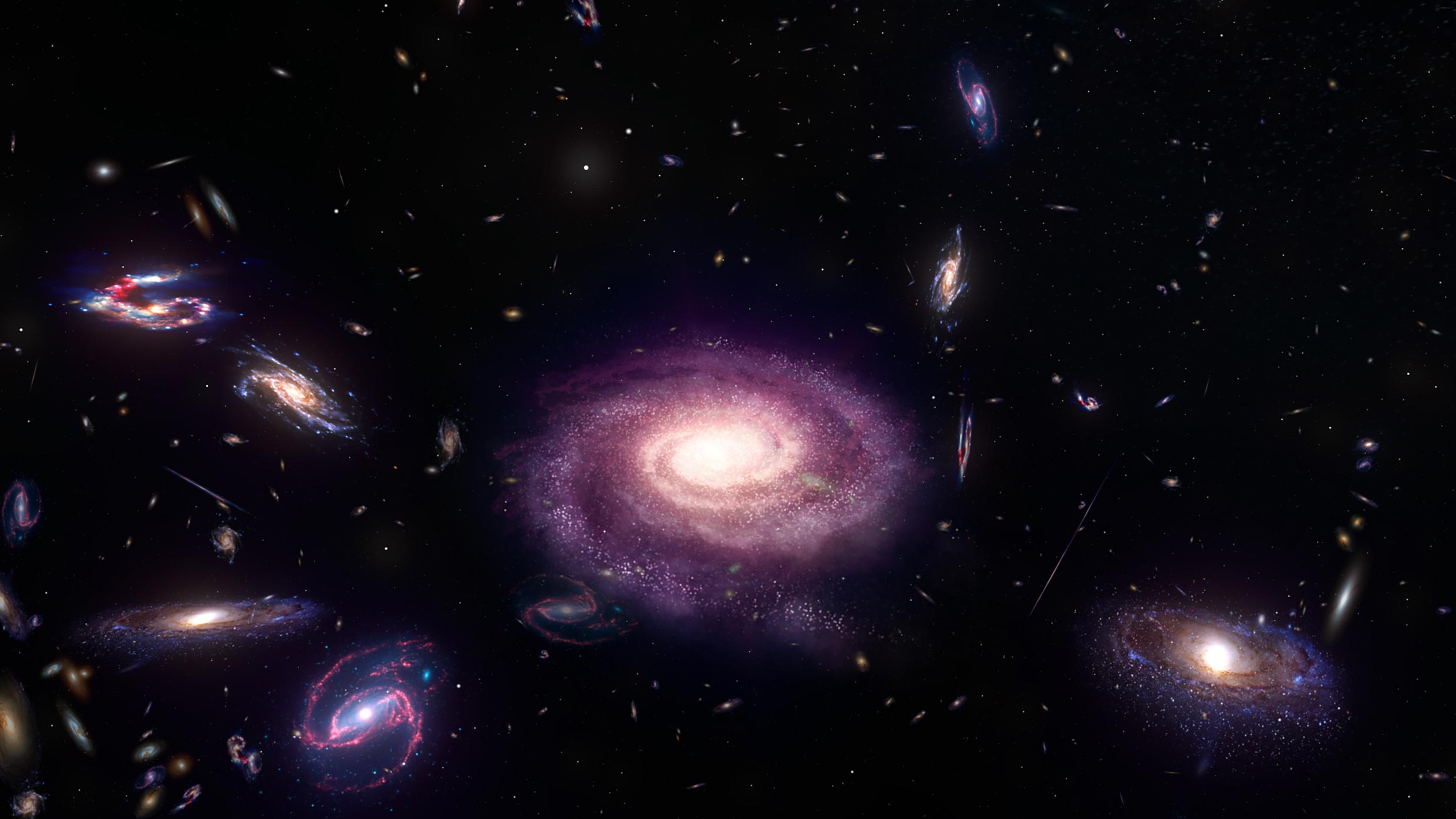
Understanding how galaxies formed stars billions of years ago requires the very difficult task of using powerful telescopes to observe galaxies many billions of light-years away in the distant Universe.
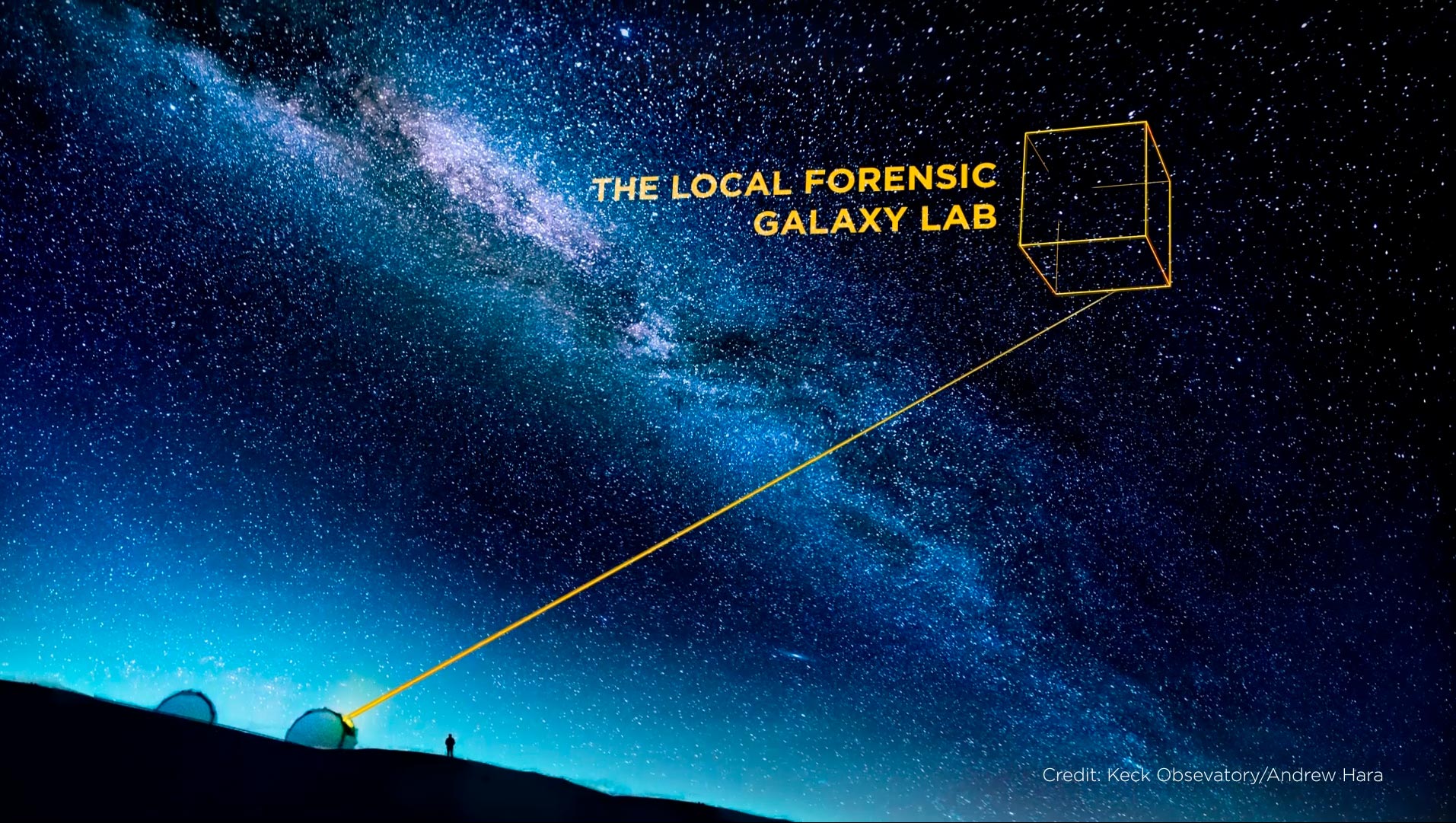
However, nearby galaxies are much easier to observe. Using the light from these local galaxies, astronomers can forensically piece together the history of their lives (called their star-formation history). This allows researchers to determine how and when they formed stars in their infancy, billions of years ago, without struggling to observe galaxies in the distant Universe.
Traditionally, astronomers studying star formation histories assumed the overall metallicity—or amount of heavy elements—in a galaxy doesn’t change over time.
But when they used these models to pinpoint when stars in the Universe should have formed, the results didn’t match up with what they were seeing through their telescopes.
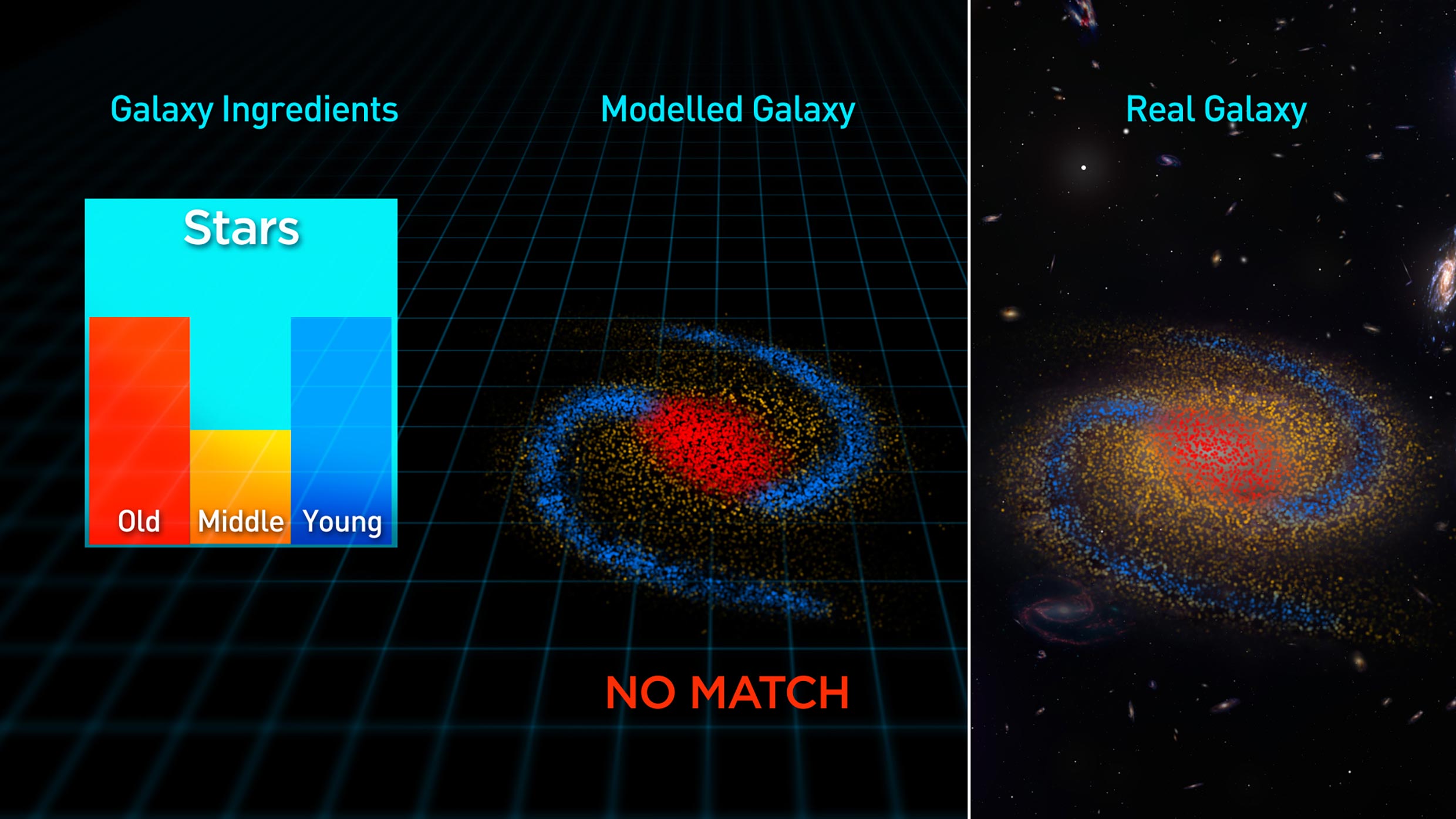
“The results not matching up with our observations is a big problem,” Bellstedt said. “It tells us we’re missing something.”
“That missing ingredient, it turns out, is the gradual build-up of heavy metals within galaxies over time.”
Using a new algorithm to model the energy and wavelengths of light coming from almost 7000 nearby galaxies, the researchers succeeded in reconstructing when most of the stars in the Universe formed—in agreement with telescope observations for the first time.
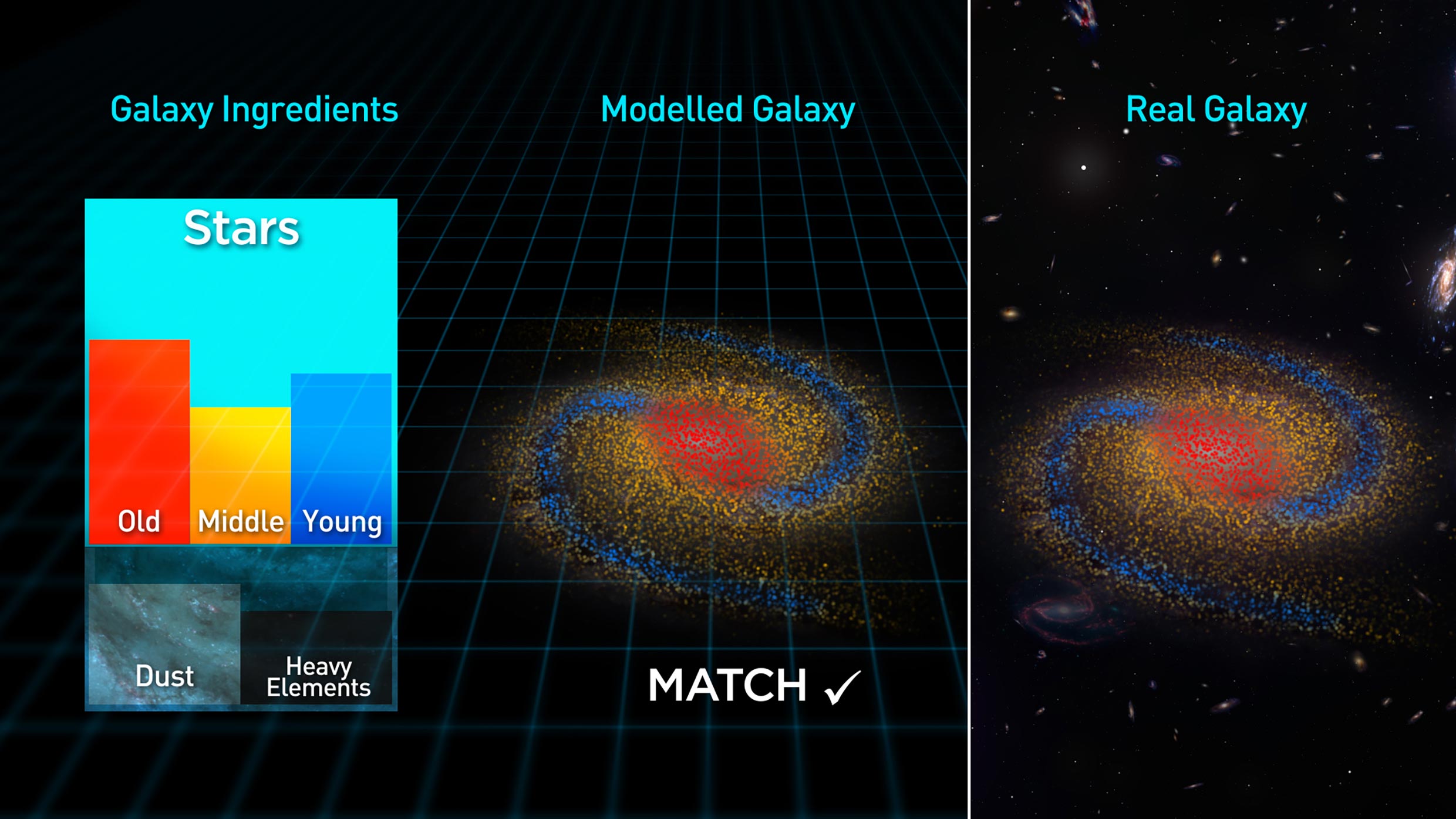
The designer of the new code—known as ProSpect—is Associate Professor Aaron Robotham from ICRAR’s University of Western Australia node.
“This is the first time we’ve been able to constrain how the heavier elements in galaxies change over time based on our analysis of these 7000 nearby galaxies,” Robotham said.
“Using this galactic laboratory on our own doorstep gives us lots of observations to test this new approach, and we’re very excited that it works.
“With this tool, we can now dissect nearby galaxies to determine the state of the Universe and the rate at which stars form and mass grows at any stage over the past 13 billion years.
“It’s absolutely mind-blowing stuff.”
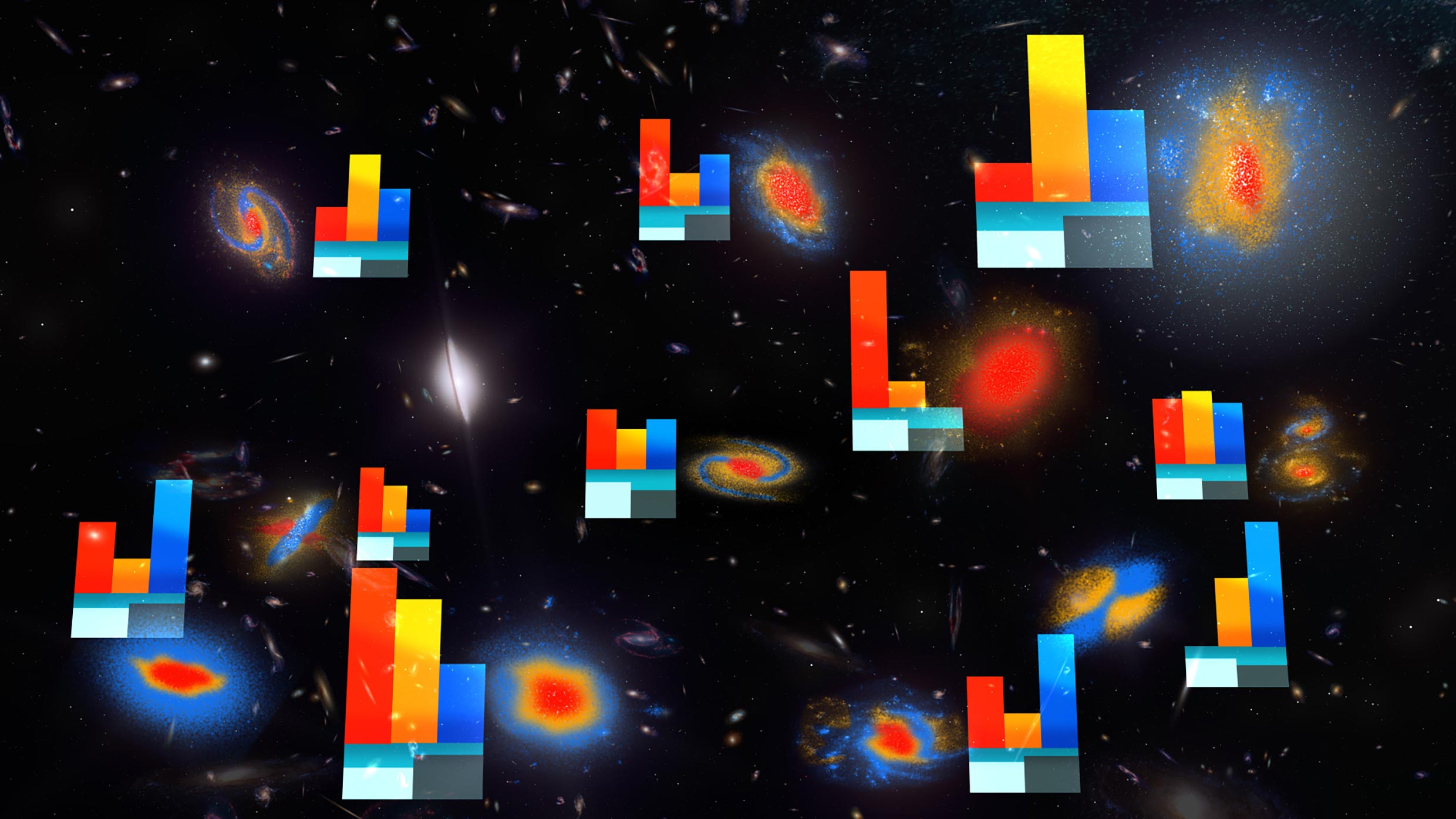
This work also confirms an important theory about when most of the stars in the Universe formed.
“Most of the stars in the Universe were born in extremely massive galaxies early on in cosmic history—around three to four billion years after the Big Bang,” Bellstedt said.
“Today, the Universe is almost 14 billion years old, and most new stars are being formed in much smaller galaxies.”

Based on this research, the next challenge for the team will be to expand the sample of galaxies being studied using this technique, in an effort to understand when, where, and why galaxies die and stop forming new stars.
Bellstedt and Robotham, along with colleagues from Australia, the UK, and the United States, are reporting their results in the scientific journal the Monthly Notices of the Royal Astronomical Society.
Reference: Galaxy And Mass Assembly (GAMA): a forensic SED reconstruction of the cosmic star formation history and metallicity evolution by galaxy type” by Sabine Bellstedt, Aaron S G Robotham, Simon P Driver, Jessica E Thorne, Luke J M Davies, Claudia del P Lagos, Adam R H Stevens, Edward N Taylor, Ivan K Baldry, Amanda J Moffett, Andrew M Hopkins, and Steven Phillipps, 11 September 2020, Monthly Notices of the Royal Astronomical Society.
DOI: 10.1093/mnras/staa2620
More Information:
The Galaxy And Mass Assembly (GAMA) is a decade-long project to probe the evolution of mass, energy, and structure on scales ranging from 1kpc to 1Mpc – measuring properties of the internal structures of galaxies, interacting pairs and mergers, the group environment and large-scale structure.
Never miss a breakthrough: Join the SciTechDaily newsletter.
Follow us on Google and Google News.