
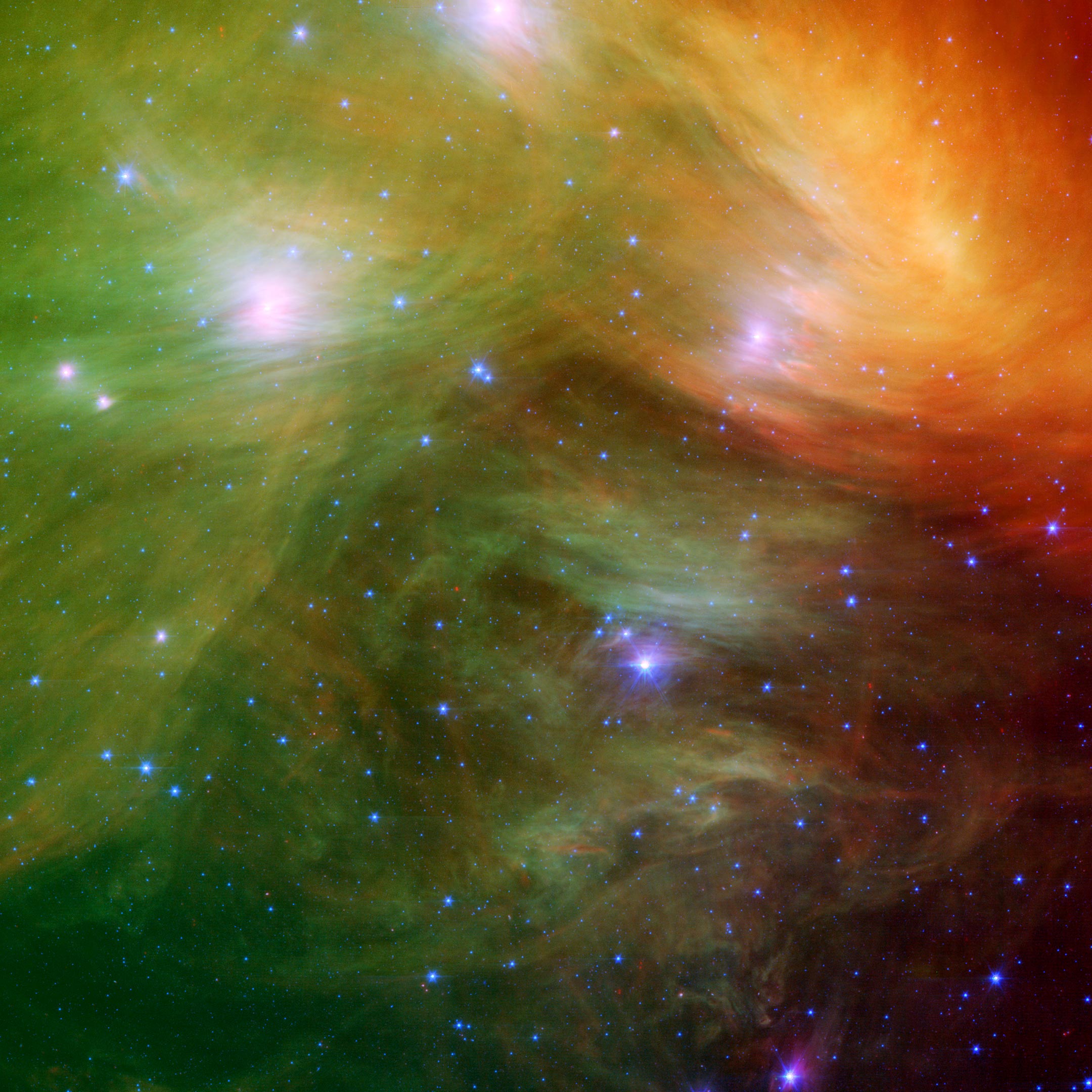
Astronomers have discovered that the iconic Pleiades cluster, long admired as the “Seven Sisters,” is only a small part of a much larger stellar family stretching across the sky.
Using data from NASA’s TESS and ESA’s Gaia missions, researchers found thousands of related stars, revealing that the Pleiades is 20 times larger than previously believed.
Hidden Depths of the Pleiades
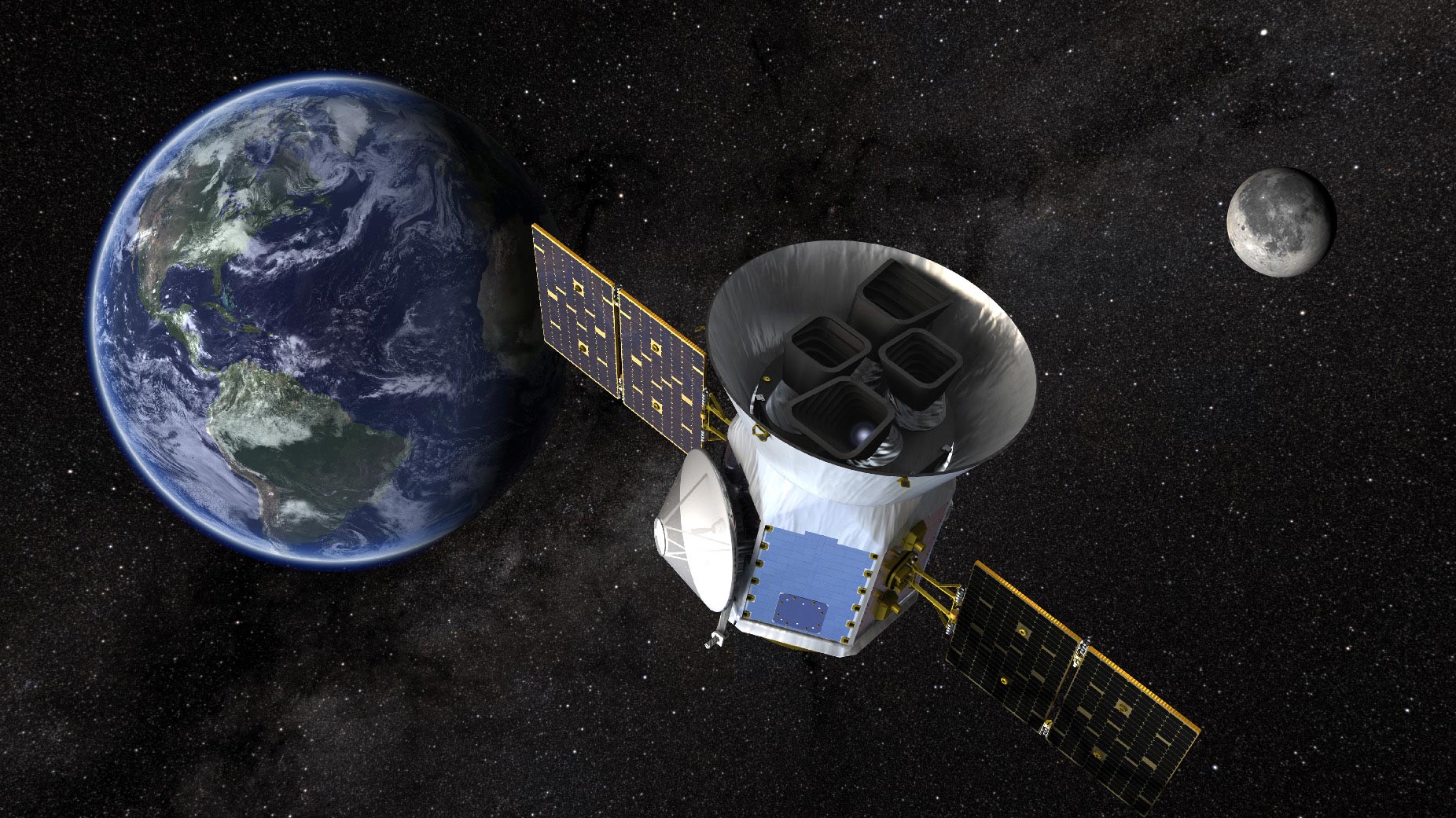
Astronomers from the University of North Carolina at Chapel Hill have revealed that the well-known Pleiades star cluster—the “Seven Sisters” that shine brightly on winter nights—is only the visible core of a much larger stellar family. By combining observations from NASA’s Transiting Exoplanet Survey Satellite (TESS) and the European Space Agency’s Gaia space telescope, the researchers uncovered thousands of previously unseen stars spread across the sky, forming what they call the Greater Pleiades Complex. Their analysis indicates that this famous cluster is about 20 times larger than scientists once believed.
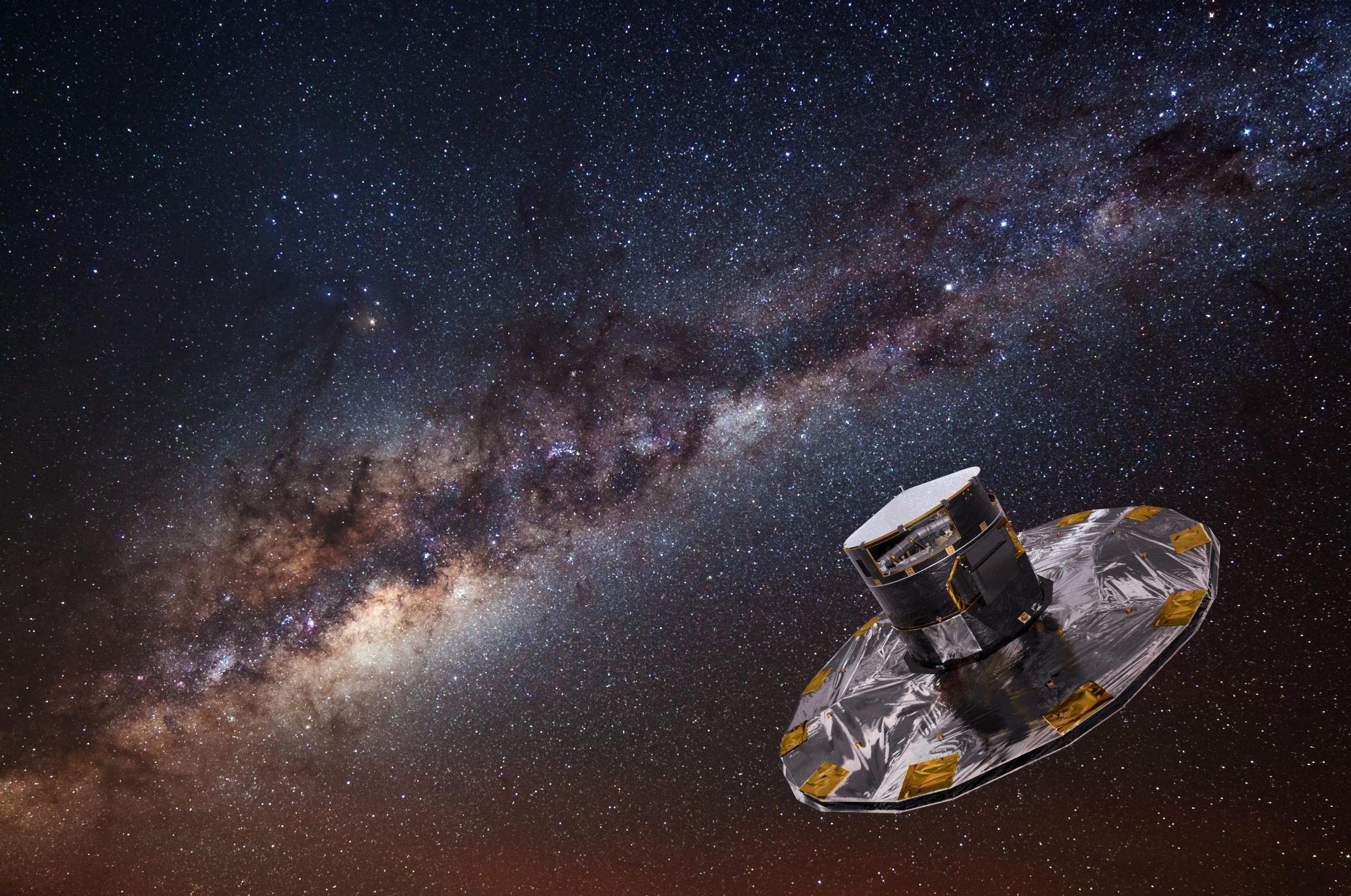
Stars, including our Sun, typically form in groups. Over time, their gravitational bonds weaken, and they drift apart, making it hard to trace their shared beginnings. Astronomers can estimate a star’s age using its rotation rate: young stars spin rapidly, while older ones rotate more slowly. Using this method, the UNC-Chapel Hill team found numerous long-lost members of the Pleiades scattered far beyond its traditional boundaries. By pairing TESS’s rotation data with Gaia’s precise positional and motion measurements, the researchers concluded that the Pleiades is not a small, isolated cluster but rather the dense center of a much larger, gradually dispersing stellar family.
A New View of the “Seven Sisters”
“This study changes how we see the Pleiades—not just seven bright stars, but thousands of long-lost siblings scattered across the whole sky,” said Andrew Boyle, lead author and graduate student in physics and astronomy at UNC-Chapel Hill.
The discovery has wide-ranging significance. The Pleiades serves as a key reference point for understanding young stars and exoplanets, and it holds cultural importance across civilizations—from the Old Testament and the Talmud to New Zealand’s Matariki celebration and the Subaru logo in Japan. “We’re realizing that many stars near the Sun are part of massive extended stellar families with complex structures,” said Andrew Mann, co-author and professor of physics and astronomy at UNC-Chapel Hill. “Our work provides a new way to uncover these hidden relationships.”
Unlocking the Galaxy’s Hidden Architecture
By examining stellar rotation, the researchers developed a new method for mapping our region of the Galaxy. Their findings suggest that many star clusters once thought to be isolated may actually belong to vast, interconnected stellar networks. Future work using this approach could even reveal the Sun’s own origins, showing whether it was born within a similarly large stellar family.
“By measuring how stars spin, we can identify stellar groups too scattered to detect with traditional methods—opening a new window into the hidden architecture of our Galaxy,” Boyle said.
Clues to the Origins of Suns and Worlds
This research brings scientists closer to reconstructing the birthplaces of stars and planetary systems, a vital step toward understanding how solar systems, including our own, take shape and evolve over time.
Reference: “Lost Sisters Found: TESS and Gaia Reveal a Dissolving Pleiades Complex” by Andrew W. Boyle, Luke G. Bouma and Andrew W. Mann, 12 November 2025, The Astrophysical Journal.
DOI: 10.3847/1538-4357/ae0724
Never miss a breakthrough: Join the SciTechDaily newsletter.
Follow us on Google and Google News.
1 Comment
stars spin down because of tidal friction with their planets.