
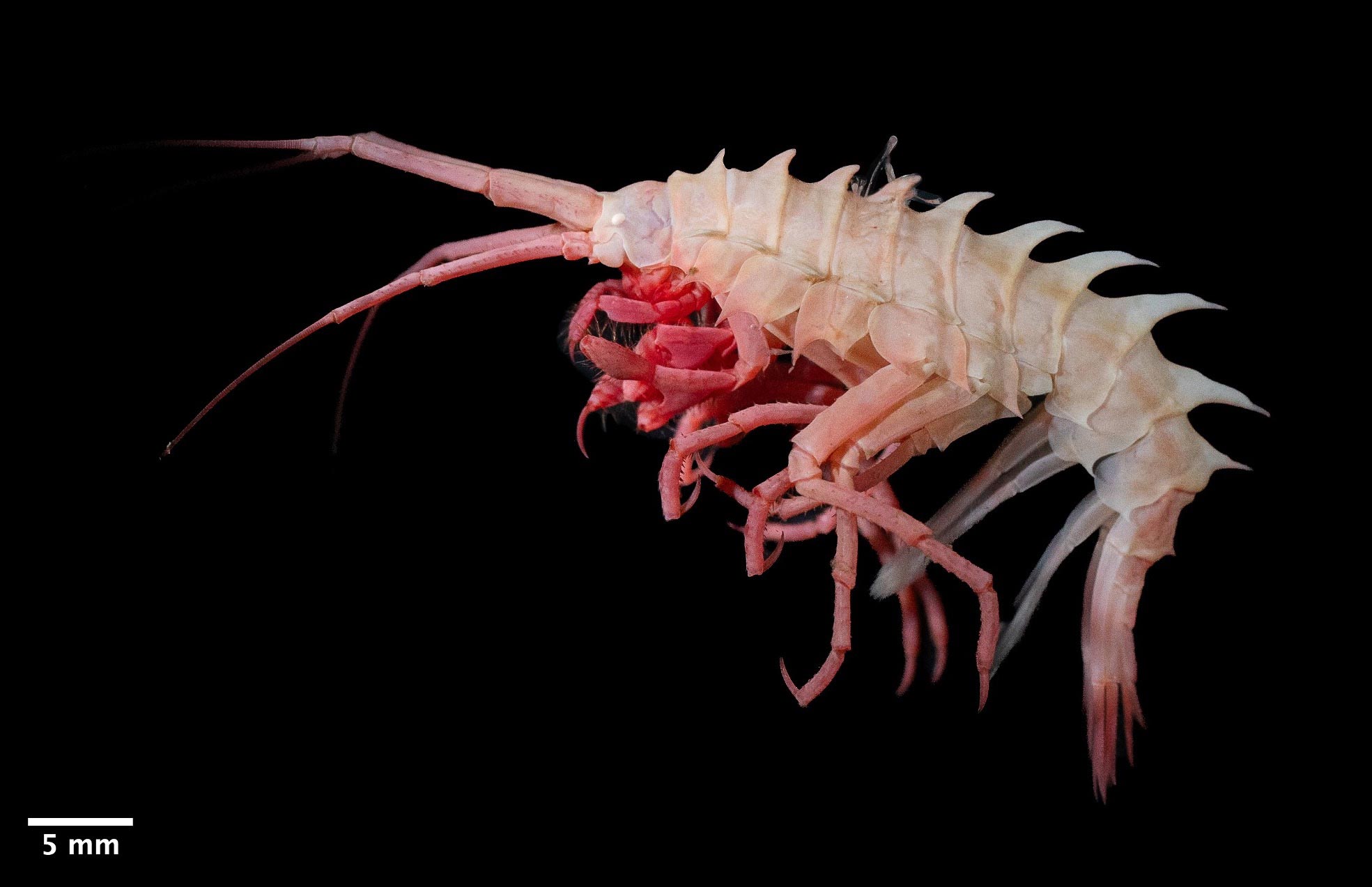
Arctic Deep Sea: A Treasure Trove of Biodiversity and Economic Resources
The Arctic Ocean, with its diverse habitats and vast reserves of oil, gas, and minerals, faces ecological risks from increased commercial interest. Enhanced global cooperation and thorough scientific research are essential for safeguarding its unique ecosystems.
Arctic’s Underwater Wealth and Ecological Concerns
The Arctic deep sea holds vast reserves of oil, natural gas, and valuable resources like rare earths and metals. As climate change melts the ice, access to these resources becomes easier, creating significant economic opportunities but also posing serious ecological risks.
A study published in the journal Elementa highlights the Arctic Ocean’s remarkable diversity of habitats and species, many of which remain poorly understood. Researchers analyzed 75,000 data sets covering 2,637 deep-sea species, emphasizing the urgent need for deeper research and international cooperation to protect this fragile ecosystem amid growing economic pressures.
Scientific Exploration and Ecological Insights
Estimates suggest the Arctic deep sea may contain up to 13% of undiscovered global oil reserves and 30% of natural gas reserves, drawing increased political and economic attention. Beyond fossil fuels, the region is rich in resources like rare earths and metals. Global trade is also expanding with new shipping routes through the Arctic, and interest in Arctic tourism is rising.
However, Prof. Dr. Angelika Brandt of the Senckenberg Research Institute and Natural History Museum in Frankfurt warns of ecological consequences: “Climate change and the melting of sea ice are increasingly facilitating the exploration of the Arctic Ocean, but this also entails major ecological risks. Although we have made considerable progress in understanding the Arctic ecosystem with the aid of new technologies and infrastructures, there are still major gaps in our knowledge of the deep-sea communities living on the sea floor – as clearly demonstrated by our new study.”
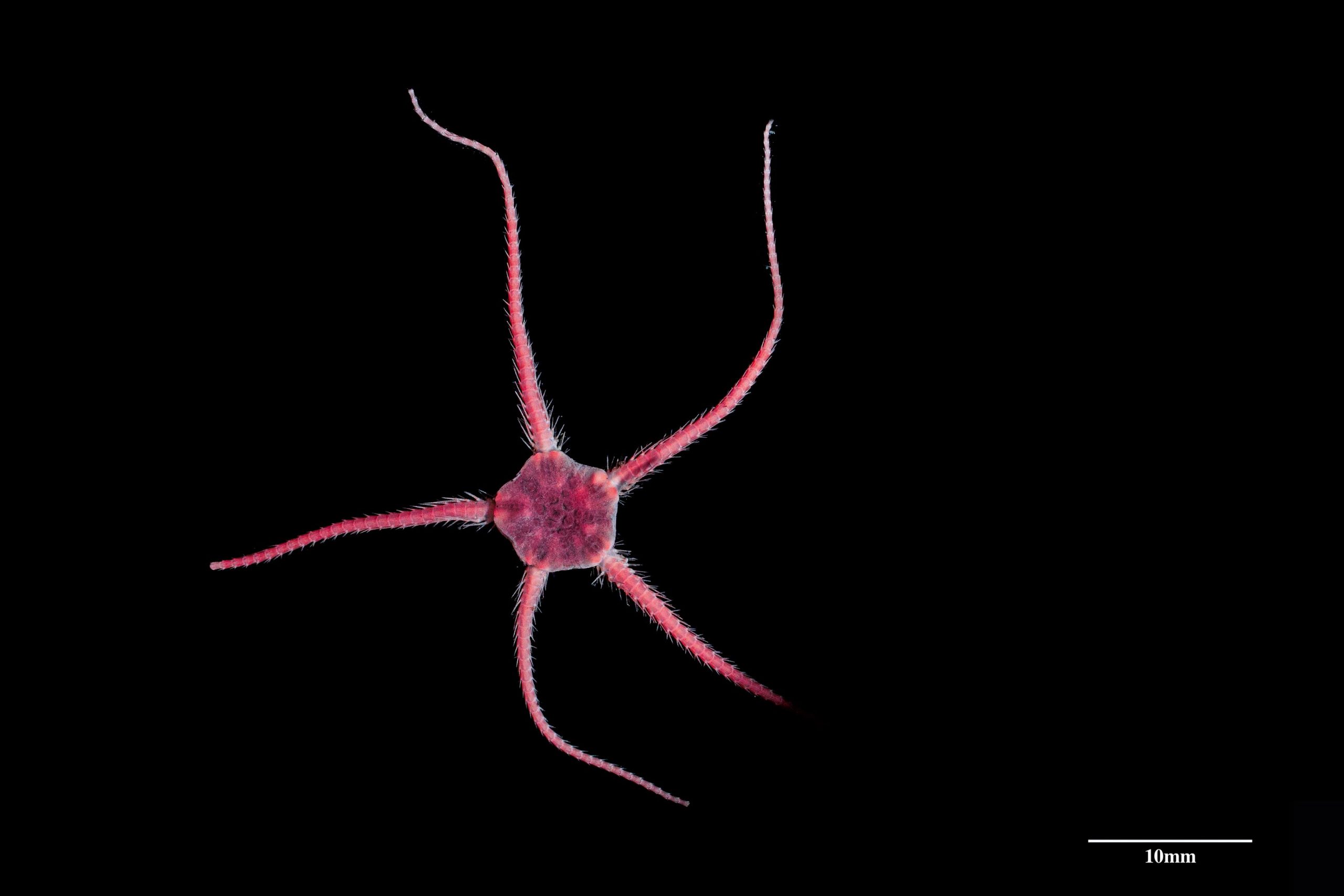
Diverse Arctic Benthic Life Revealed
Led by Dr. Eva Ramirez-Llodra and Heidi K. Meyer from the Institute of Marine Research in Bergen, Norway, Senckenberg scientists Dr. Hanieh Saeedi, Prof. Dr. Angelika Brandt, Prof. Dr. Saskia Brix, and seven more researchers, namely Dr. Stefanie Kaiser, Severin A. Korfhage, Karlotta Kürzel, Dr. Anne Helene S. Tandberg, Dr. James Taylor, Franziska I. Theising and Carolin Uhlir, together with researchers from the Alfred Wegener Institute (AWI) and an international team, compiled an overview of the benthic organisms living in the Arctic Ocean.
To this end, the scientists evaluated 75,404 data sets on 2,637 different deep-sea species from freely accessible databases, information facilities, and non-digitized scientific literature.
“We limited ourselves to the area north of 66 degrees northern latitude and below a depth of 500 meters,” explains Brix.
“The most frequent individual records, with 21,405 hits, concerned the phylum Arthropoda, which includes isopods and copepods, among others, followed by annelids and sponges. The latter are surpassed by mollusks in species richness,” adds Saeedi.
Importance of Data and International Collaboration
A compilation of habitat maps also shows that the Arctic features a wide variety of geomorphological structures – from submarine canyons and continental slopes to seamounts and biologically generated formations such as extensive cold-water coral reefs.
“Not only did we comprehensively digitize important deep-sea data and publish it in freely accessible databases, but we also collected, checked, and comprehensively analyzed new deep-sea data. This enabled us to show that, contrary to popular belief, the Arctic Ocean actually has a very rich diversity of organisms,” says Saeedi. By linking faunal groups with areas of different geomorphology, the research team was able to identify regions with a particular paucity of data – veritable data gaps.
“The intergenerational collaboration within the framework of the UN Ocean Decade and the international cooperation with deep-sea experts and the AWI were crucial for this study,” adds Brix.
“It is undisputed that the deep sea in the Arctic Ocean is far from being the lifeless, monotonous habitat it was described as by its early explorers. However, we need intensified international networking and cooperation as well as active monitoring of environmental parameters and the faunal composition. This is the only way for us to better understand the structure and function of the Arctic ecosystem and to ensure that measures are taken to preserve this unique ecosystem, which is of such importance to the northern hemisphere. Especially in view of the increasing economic and political interests, the lack of data on benthic biodiversity – particularly in the deep basins of the central Arctic Ocean – poses a significant problem for robust management and conservation measures,” warns Saeedi.
Reference: “The emerging picture of a diverse deep Arctic Ocean seafloor: From habitats to ecosystems ” by Eva Ramirez-Llodra, Heidi K. Meyer, Bodil A. Bluhm, Saskia Brix, Angelika Brandt, Jennifer Dannheim, Rachel V. Downey, Hrönn Egilsdóttir, Mari Heggernes Eilertsen, Sylvie M. Gaudron, Anna Gebruk, Alexey Golikov, Christiane Hasemann, Ana Hilario, Lis Lindal Jørgensen, Stefanie Kaiser, Severin A. Korfhage, Karlotta Kürzel, Anne-Nina Lörz, Pål Buhl-Mortensen, Steinunn H. Olafsdóttir, Dieter Piepenburg, Autun Purser, Pedro A. Ribeiro, Arunima Sen, Thomas Soltwedel, Tanja Stratmann, Jan Steger, Jörundur Svavarsson, Anne Helene S. Tandberg, James Taylor, Franziska I. Theising, Carolin Uhlir, Rhian G. Waller, Joana R. Xavier, Irina Zhulay and Hanieh Saaedi, 4 October 2024, Elementa: Science of the Anthropocene.
DOI: 10.1525/elementa.2023.00140
Never miss a breakthrough: Join the SciTechDaily newsletter.
Follow us on Google and Google News.