

Close Menu
    Facebook X (Twitter) Instagram
    SciTechDaily
    • Biology
    • Chemistry
    • Earth
    • Health
    • Physics
    • Science
    • Space
    • Technology
    Facebook X (Twitter) Pinterest YouTube RSS
    SciTechDaily
    Home»Health»Beware – Sleeping Too Little Increases Your Risk of Diabetes
    Health

    Beware – Sleeping Too Little Increases Your Risk of Diabetes

    By Uppsala UniversityMarch 7, 2024No Comments3 Mins Read
    Facebook Twitter Pinterest Telegram LinkedIn WhatsApp Email Reddit
    Share
    Facebook Twitter LinkedIn Pinterest Telegram Email Reddit
    Bad Sleep Woman Upset
    A study highlights that adults sleeping three to five hours nightly face a higher risk of type 2 diabetes, a condition that cannot be offset by healthy eating alone. Led by Uppsala University’s researchers, the findings underscore sleep’s critical role in health management.

    A recent study from Uppsala University, published in JAMA Network Open, has found that adults sleeping between three to five hours per night are at an increased risk for type 2 diabetes. The research also indicates that maintaining a healthy diet alone is insufficient to counteract the negative effects of chronic sleep deprivation.

    “I generally recommend prioritizing sleep, although I understand it’s not always possible, especially as a parent of four teenagers,” says Christian Benedict, Associate Professor and sleep researcher at the Department of Pharmaceutical Biosciences at Uppsala University and leading researcher behind the study.

    Link Between Sleep Deprivation and Type 2 Diabetes

    He and a team of researchers have examined the link between type 2 diabetes and sleep deprivation. Type 2 diabetes affects the body’s ability to process sugar (glucose), hindering insulin absorption and resulting in high blood sugar levels. A report from 2020 showed that over 462 million people suffer from this disease. Over time, it can cause serious damage, particularly to nerves and blood vessels, and thus represents an escalating public health problem globally.
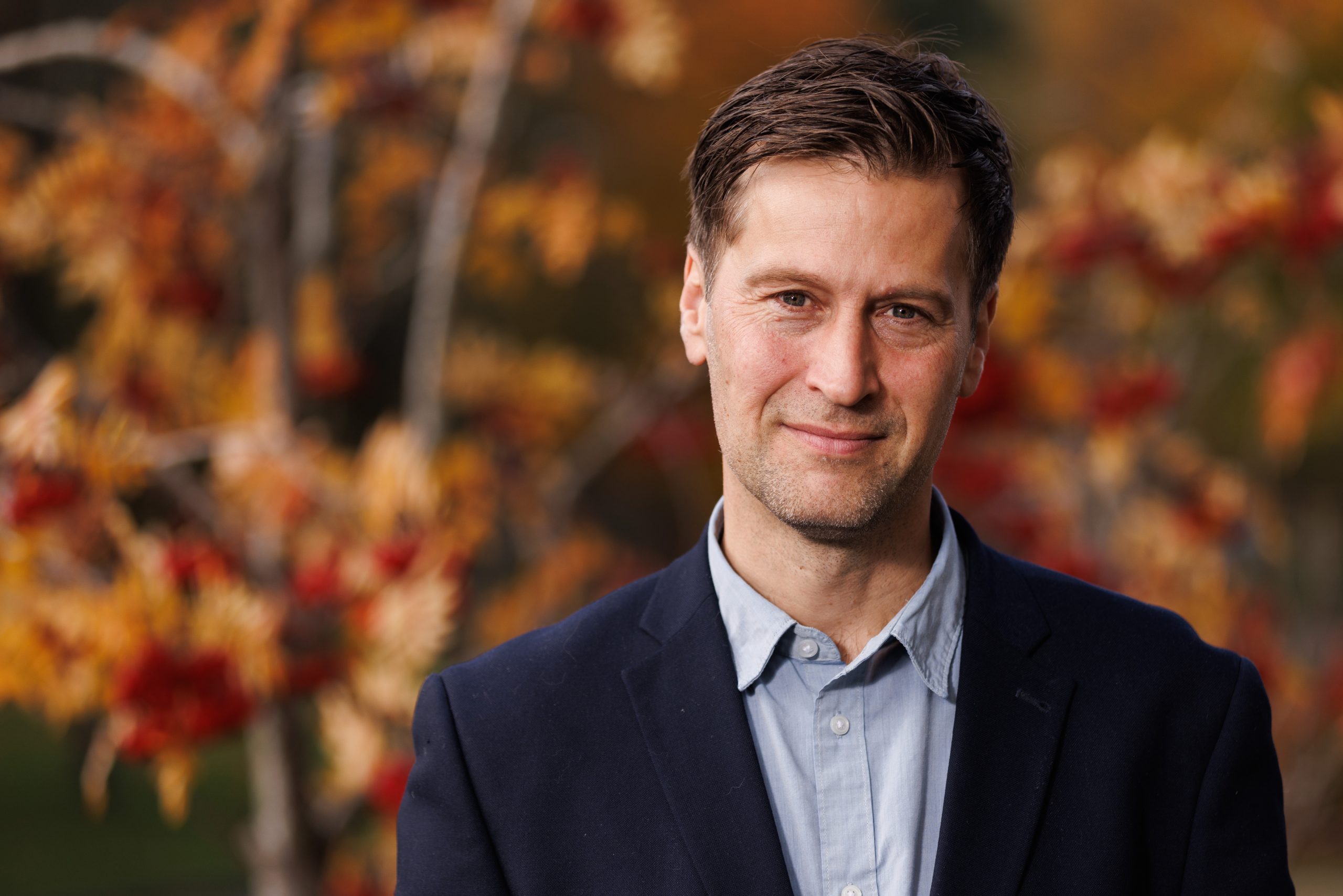
    Christian Benedict
    Christian Benedict, Associate Professor and sleep researcher at the Department of Pharmaceutical Biosciences at Uppsala University and leading researcher behind the study. Credit: Tobias Sterner

    “Previous research has shown that repeated short daily rest increases the risk of type 2 diabetes, while healthy dietary habits such as regularly eating fruit and vegetables can reduce the risk. However, it has remained unclear whether people who sleep too little can reduce their risk of developing type 2 diabetes by eating healthily,” notes Diana Noga, a sleep researcher at the Department of Pharmaceutical Biosciences at Uppsala University.

    Study Findings from the UK Biobank

    The researchers therefore used data from one of the largest population databases in the world, the UK Biobank, in which nearly half a million participants from the UK have been genetically mapped and responded to questions on health and lifestyle. They followed the participants for over ten years and found that a sleep duration of between three and five hours was linked to a higher risk of developing type 2 diabetes.

    In contrast, healthy eating habits led to a lower risk of developing the disease, but even people who ate healthily but slept less than six hours a day were still at higher risk of type 2 diabetes.

    “Our results are the first to question whether a healthy diet can compensate for lack of sleep in terms of the risk of type 2 diabetes. They should not cause concern, but instead be seen as a reminder that sleep plays an important role in health,” explains Benedict.

    He also argues that the effects of sleep deprivation vary between individuals, depending on aspects such as genetics and a person’s actual need for sleep.

    Reference: “Habitual Short Sleep Duration, Diet, and Development of Type 2 Diabetes in Adults” by Diana Aline Nôga, Elisa de Mello e Souza Meth, André Pekkola Pacheco, Xiao Tan, Jonathan Cedernaes, Lieve Thecla van Egmond, Pei Xue and Christian Benedict, 5 March 2024, JAMA Network Open.
    DOI: 10.1001/jamanetworkopen.2024.1147

    Never miss a breakthrough: Join the SciTechDaily newsletter.
    Follow us on Google and Google News.

    Diabetes Public Health Sleep Science Uppsala University
    Share. Facebook Twitter Pinterest LinkedIn Email Reddit

    Related Articles

    New Research Reveals That Junk Food May Disrupt Deep Sleep

    New Study Links Outdoor Artificial Light at Night to Increased Risk of Diabetes

    Study Finds Limited Transmission of COVID-19 From Open Schools

    Warning: Excess Consumption of Eggs Linked to Diabetes

    New Research Targets Our Second Brain to Fight Diabetes

    Scientists Find It Is Better to Drink Coffee After Breakfast, Not Before – Here’s Why

    Early Birds vs Night Owls: For People With Diabetes, an Early Bedtime Is Best

    People Buy, Trade & Donate Medications on the Black Market – Here’s Why

    Warning: Sleeping Less Than 6 Hours Can Be Deadly for Middle-Aged Adults

    Leave A Reply Cancel Reply

    • Facebook
    • Twitter
    • Pinterest
    • YouTube

    Don't Miss a Discovery

    Subscribe for the Latest in Science & Tech!

    Trending News

    Even Occasional Binge Drinking May Triple Liver Damage Risk

    Liftoff! NASA’s Artemis II Launch Sends Astronauts Around the Moon for First Time in 50 Years

    Scientists Discover New Way To Eliminate “Zombie Cells” Driving Aging

    This New Quantum Theory Could Change Everything We Know About the Big Bang

    This One Vitamin May Help Protect Your Brain From Dementia Years Later

    Stopping Weight-Loss Drugs Like Ozempic Can Quickly Erase Heart Benefits

    A 500-Million-Year-Old Surprise Is Forcing Scientists to Rethink Spider Evolution

    Coffee and Blood Pressure: What You Need To Know Before Your Next Cup

    Follow SciTechDaily
    • Facebook
    • Twitter
    • YouTube
    • Pinterest
    • Newsletter
    • RSS
    SciTech News
    • Biology News
    • Chemistry News
    • Earth News
    • Health News
    • Physics News
    • Science News
    • Space News
    • Technology News
    Recent Posts
    • NASA’s Artemis II: Humans Just Left Earth Orbit for the First Time Since 1972
    • What Causes Chronic Pain? Scientists Identify Key Culprit in the Brain
    • Semaglutide Shows Surprising Mental Health Benefits in Massive 100,000-Person Study
    • This Little-Known Japanese Fruit Could Help Stop Lung Cancer Before It Starts
    • Scientists Uncover Giant Lava Fields From an Active Underwater Volcano
    Copyright © 1998 - 2026 SciTechDaily. All Rights Reserved.
    • Science News
    • About
    • Contact
    • Editorial Board
    • Privacy Policy
    • Terms of Use

    Type above and press Enter to search. Press Esc to cancel.