
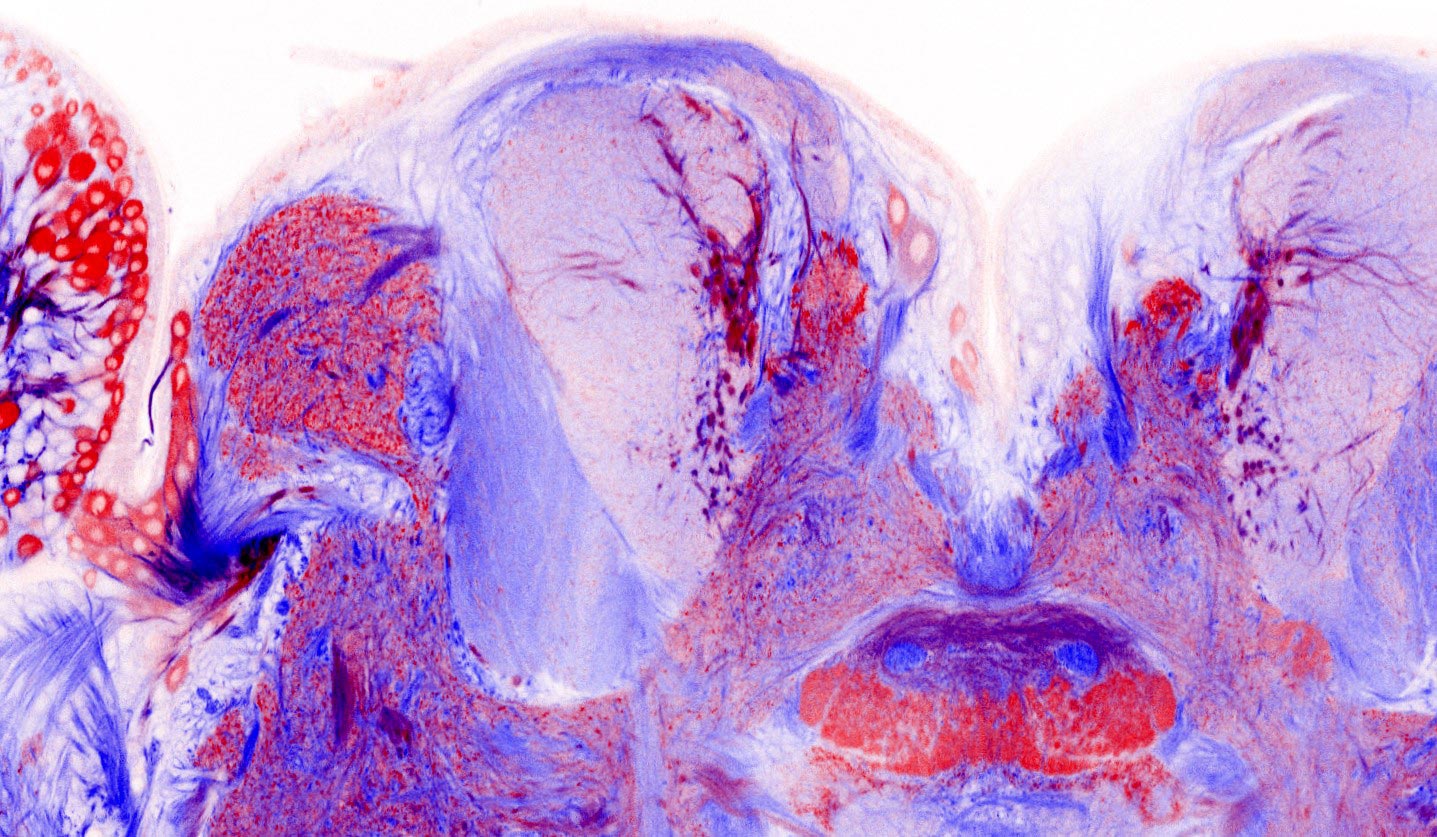
Research on Heliconius butterflies illustrates how variations in brain circuits are aligned with their unique foraging behaviors, enhancing their spatial and visual memory.
A tropical butterfly species with uniquely expanded brain structures shows a fascinating mosaic pattern of neural expansion linked to a key cognitive innovation.
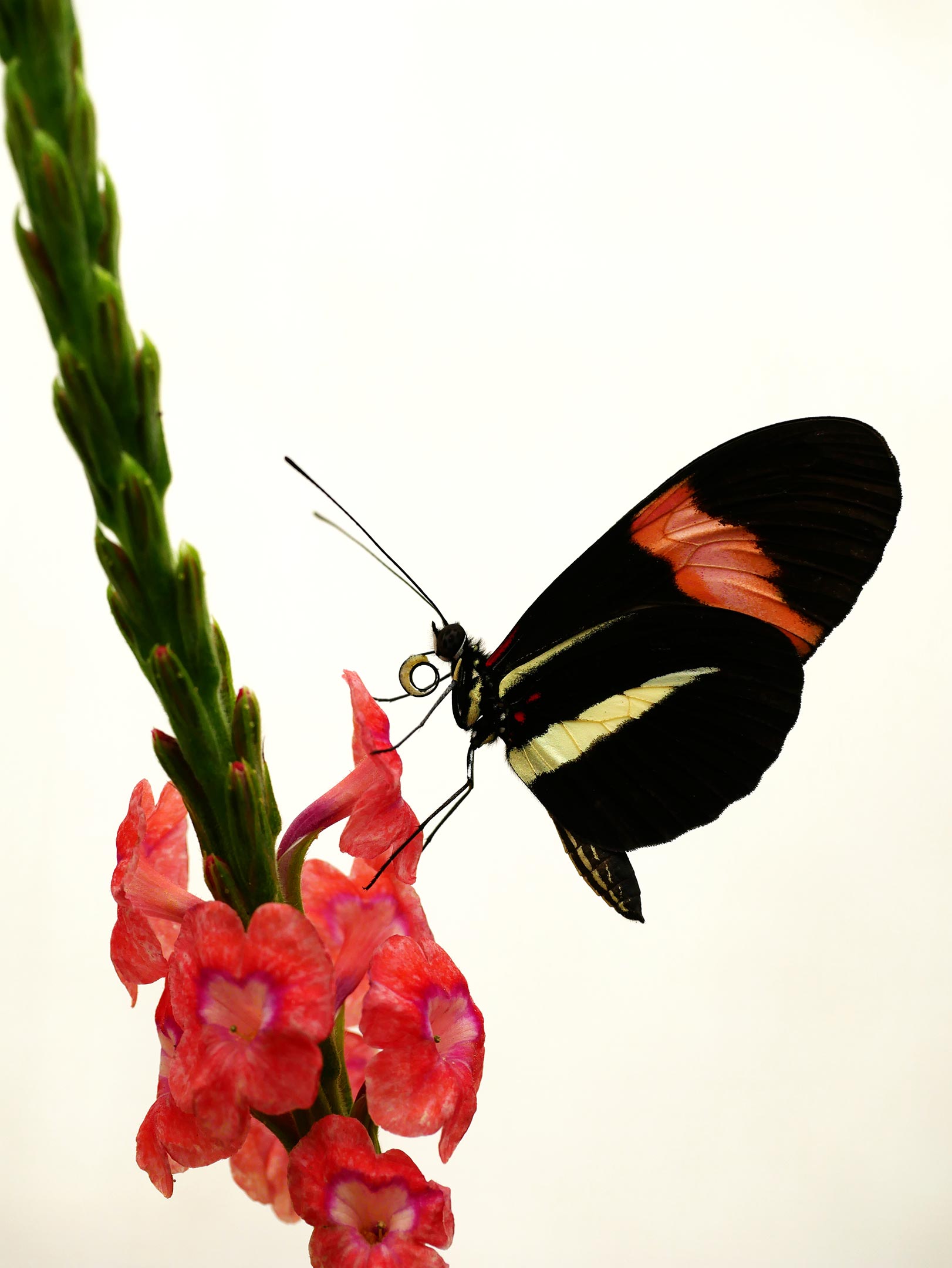
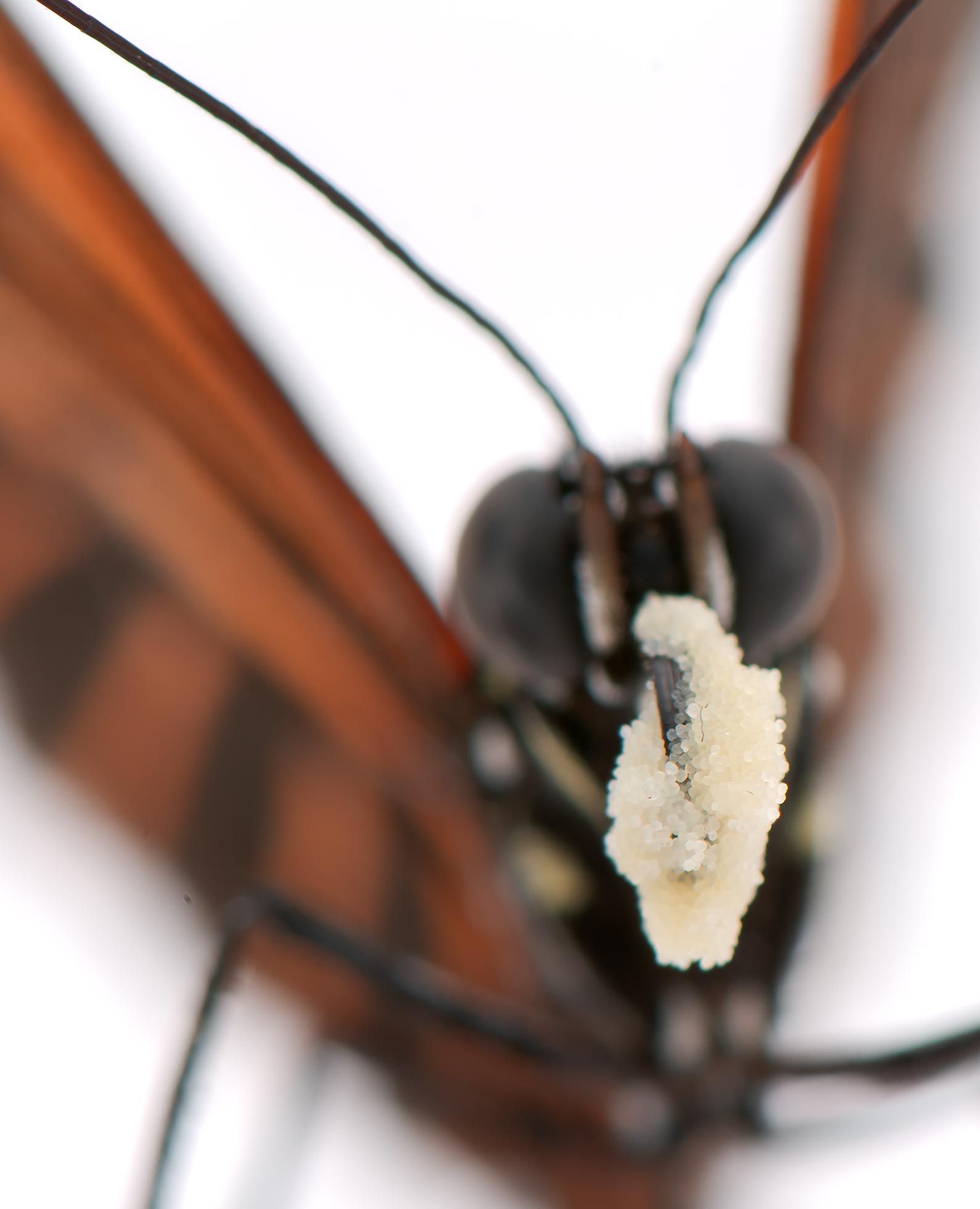
The study, published today (October 18) in Current Biology, explores the neural basis of behavioral innovation in Heliconius butterflies, the only genus known to feed on both nectar and pollen. As part of this behavior, these butterflies exhibit an impressive ability to learn and remember the locations of their food sources—abilities tied to the expansion of a brain region called the mushroom bodies, which play a crucial role in learning and memory.
Examining Neural Circuit Evolution
Lead author Dr. Max Farnworth from the University of Bristol’s School of Biological Sciences explained: “There is huge interest in how bigger brains may support enhanced cognition, behavioral precision, or flexibility. But during brain expansion, it’s often difficult to disentangle effects of increases in overall size from changes in internal structure.”
To answer this question, the study authors delved deeper into the changes that occurred in the neural circuits that support learning and memory in Heliconius butterflies. Neural circuits are quite similar to electrical circuits as each cell has specific targets that they connect with, and assembles a net with its connections. This net then elicits specific functions by constructing a circuitry.
Mosaic Brain Evolution in Heliconius
Through a detailed analysis of the butterfly brain, the team discovered that certain groups of cells, known as Kenyon cells, expanded at different rates. This variation led to a pattern called mosaic brain evolution, where some parts of the brain expand while others remain unchanged, analogous to mosaic tiles all being very different from each other.
Dr. Farnworth explained: “We predict that because we see these mosaic patterns of neural changes, these will relate to specific shifts in behavioral performance – in line with the range of learning experiments which show that Heliconius outperform their closest relatives in only very specific contexts, such as long-term visual memory and pattern learning.”
Neural Adaptations for Pollen Foraging
To feed on pollen, Heliconius butterflies need to have efficient routes of feeding, as pollen plants are quite rare.
Project supervisor and co-author, Dr. Stephen Montgomery said: “Rather than having a random route of foraging, these butterflies apparently choose fixed routes between floral resources – akin to a bus route. The planning and memory processes needed for this behavior are fulfilled by the assemblies of neurons inside the mushroom bodies, hence why we’re fascinated by the internal circuitry throughout. Our results suggest that specific aspects of these circuits have been tweaked to bring about the enhanced capacities of Heliconius butterflies.”
Future Directions in Neural Circuit Research
This study contributes to the understanding on how neural circuits change to reflect cognitive innovation and change. Examining neural circuits in tractable model systems such as insects promises to reveal genetic and cellular mechanisms common to all neural circuits, thus potentially bridging the gap, at least on a mechanistic level, to other organisms such as humans.
Looking ahead, the team plans to explore neural circuits beyond the learning and memory centers of the butterfly brain. They also aim to increase the resolution of their brain mapping to visualize how individual neurons connect at an even more granular level.
Dr. Farnworth said: “I was really fascinated by the fact that we see such high degrees of conservation in brain anatomy and evolution, but then very prominent but distinct changes.”
“This is a really fascinating and beautiful example of a layer of biodiversity we don’t usually see, the diversity of brain and sensory systems, and the ways in which animals are processing and using the information provided by the environment around them” concluded Dr. Montgomery.
Reference: “Mosaic evolution of a learning and memory circuit in Heliconiini butterflies” by Max S. Farnworth, Theodora Loupasaki, Antoine Couto and Stephen H. Montgomery, 18 October 2024, Current Biology.
DOI: 10.1016/j.cub.2024.09.069
Never miss a breakthrough: Join the SciTechDaily newsletter.
Follow us on Google and Google News.