
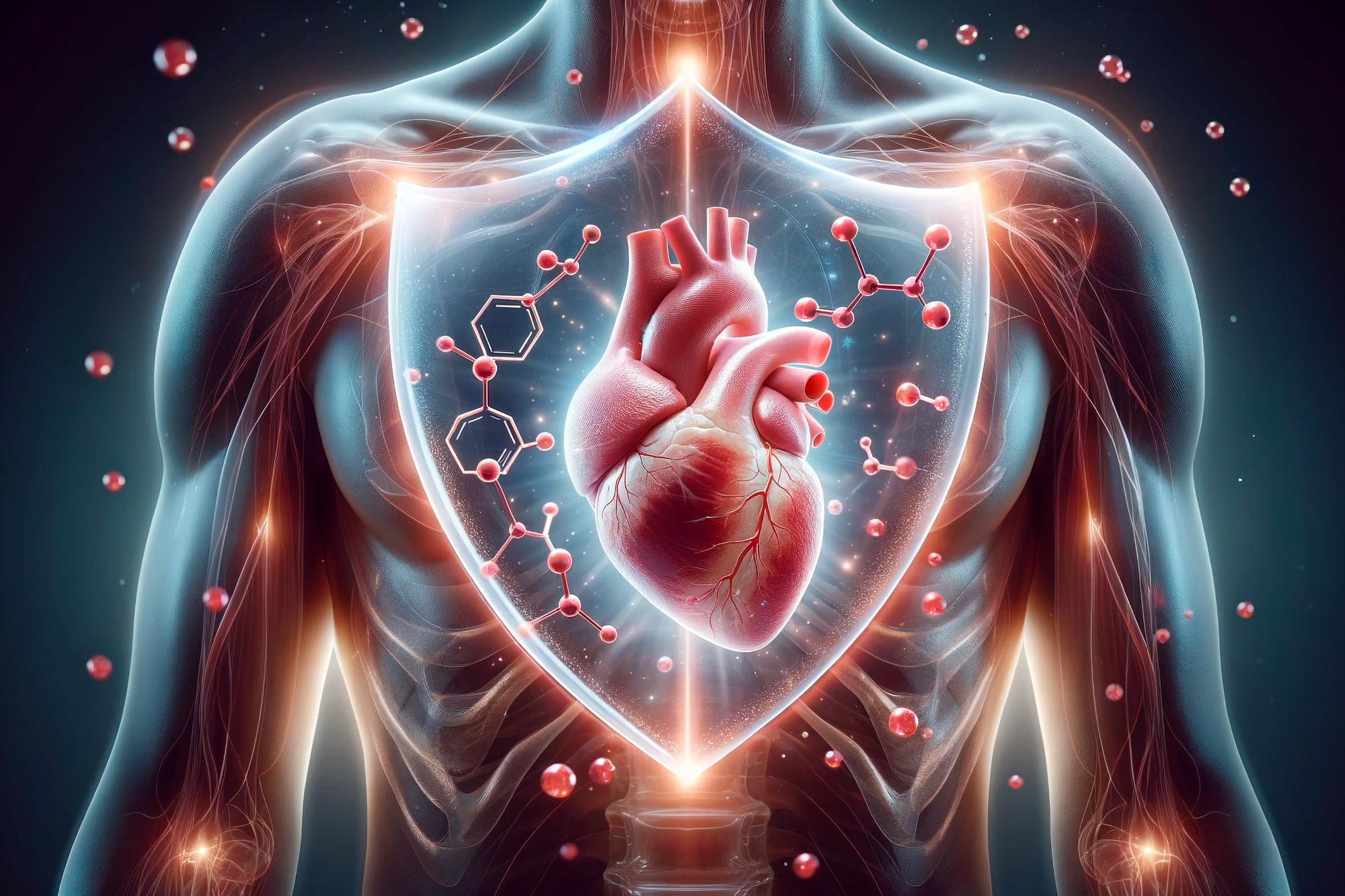
A new study reveals that RvT4 improves macrophage function to fight atherosclerosis in rheumatoid arthritis, suggesting new treatment pathways.
Scientists from Queen Mary University of London have found that the molecule RvT4 enhances the body’s natural defenses against atherosclerosis (hardening of the arteries) in patients with rheumatoid arthritis.
Studies in mice undertaken by researchers from Queen Mary University of London’s William Harvey Research Institute and Centre for Inflammation and Therapeutic Innovation, and funded by the European Research Council (ERC) and Barts Charity, shows that increasing levels of the RvT4 molecule in the body improves the ability of the body’s own defense mechanisms [macrophages] to reduce local inflammation and remove blockages in blood vessels.
This breakthrough in understanding the processes involved could lead to better treatments for people who have rheumatoid arthritis (RA), and who are at higher risk of developing cardiovascular disease.
The Link Between Rheumatoid Arthritis and Cardiovascular Disease
Rheumatoid arthritis (RA) is the most common form of inflammatory arthritis in the UK and affects around 1% of the population. Approximately 10,000 people receive a diagnosis of RA every year. Alongside the more widely-known symptoms of joint inflammation, people with the condition are also twice as likely as others to develop blood vessel disease. This can lead to serious complications and an increased risk of premature death.
One type of blood vessel disease seen in people with RA is atherosclerosis, which is caused by a build-up of fatty material called ‘plaque’ along the artery walls. This build-up causes the arteries to harden and narrow, making it more difficult to circulate blood around the body. These blockages can also break free, causing heart attacks and strokes.
Understanding the reasons why RA patients are at increased risk of these cardiovascular problems is critical in developing better treatments for this group and others.
Insights Into RvT4’s Role in Combatting Atherosclerosis
To gain a better understanding of the causes of blood vessel disease in patients with RA, researchers explored the role of a group of molecules called 13-series resolvins (RvTs). In experimental arthritis the levels of one of these molecules, RvT4, are markedly reduced, a phenomenon that associates with a higher degree of blood vessel disease. This study was designed to explore why this might be the case.
The study found that treating arthritic mice with RvT4 reduced blood vessel inflammation by re-programming macrophages — a group of white blood cells that accumulate in the diseased vessels — to release stored lipids. Researchers observed that these lipids were preventing the macrophage from carrying out their usual work of clearing dead cells and reducing localized inflammation in blood vessels.
Once freed of their lipid burden, the macrophages were able to move and work much more effectively to reduce the causes of atherosclerosis. The observation that RvT4 restores protective macrophage biological activities is an exciting finding.
RA patients also often present with metabolic dysfunction and this is thought to exacerbate vascular disease. The study found that administration of RvT4 to mice engineered to develop characteristics of metabolic dysfunction, advanced atherosclerosis, and arthritis led to an overall decrease in lipoprotein-associated cholesterol in plasma and an increase in the ratio of HDL-associated cholesterol to total cholesterol.
Jesmond Dalli, Professor in Molecular Pharmacology and Lipid Mediator Unit Director at the William Harvey Institute, Queen Mary University of London, said: “The study is important because it identifies for the first time the loss of RvT4 production as a potential new cause of blood vessel inflammation in the context of arthritis, offering a mechanistic explanation on the cause of this important disease in RA patients. It also showed that RvT4 restores the biological activities of lipid-loaded macrophages by promoting lipid breakdown and efflux from the cells, an observation that can guide the development of new treatments to limit the incidence and/or severity of cardiovascular disease in patients with RA.”
Victoria King, Director of Funding and Impact at Barts Charity said: “This exciting new discovery helps to explain why certain patients with rheumatoid arthritis are more likely to develop blood vessel disease. This could pave the way for the development of new treatments for these patients to help them live longer and healthier lives.”
Potential Implications for Other Conditions
Dysregulation of macrophage biological responses by lipid accumulation is also involved in the onset and development of many other conditions, including obesity. Medicines derived from RvT4 or RvT4-based compounds may therefore be useful to limit inflammation and promote the release of accumulated lipids out of macrophages in patients with a number of other medical conditions.
Reference: “Resolvin T4 enhances macrophage cholesterol efflux to reduce vascular disease” by Mary E. Walker, Roberta De Matteis, Mauro Perretti and Jesmond Dalli, 5 February 2024, Nature Communications.
DOI: 10.1038/s41467-024-44868-1
Never miss a breakthrough: Join the SciTechDaily newsletter.
Follow us on Google and Google News.