
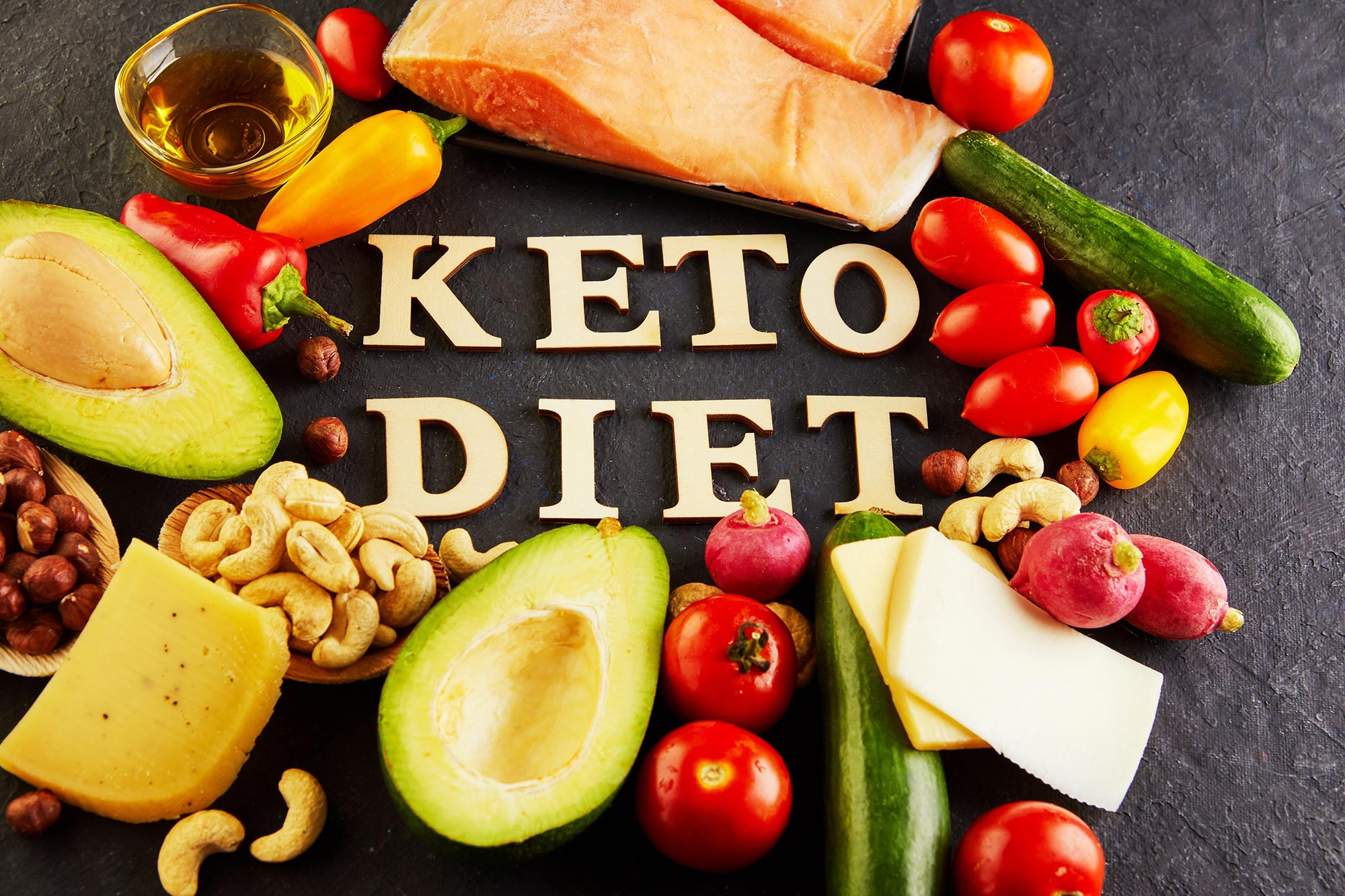
Long-term ketogenic diets can lead to aged cells in vital organs, but intermittent keto with regular breaks prevents these negative impacts.
A strict “keto-friendly” diet is popular for weight loss and diabetes. However, depending on both the diet and the individual, it might not be all that friendly.
New research found that a continuous long-term ketogenic diet may induce senescence, or aged, cells in normal tissues, with effects on heart and kidney function in particular. However, an intermittent ketogenic diet, with a planned keto vacation or break, did not exhibit any pro-inflammatory effects due to aged cells. This is according to the study, which was led by researchers at The University of Texas Health Science Center at San Antonio (UT Health San Antonio).
The findings have significant clinical implications suggesting that the beneficial effect of a ketogenic diet might be enhanced by planned breaks.
“To put this in perspective, 13 million Americans use a ketogenic diet, and we are saying that you need to take breaks from this diet or there could be long-term consequences,” said David Gius, MD, PhD, assistant dean of research and professor with the Department of Radiation Oncology in the Joe R. and Teresa Lozano Long School of Medicine at UT Health San Antonio, and associate cancer director for translational research at the institution’s Mays Cancer Center.
He is lead author of the new study titled, “Ketogenic diet induces p53-dependent cellular senescence in multiple organs,” published on May 17 in the journal Science Advances. Other authors also are with the Department of Radiation Oncology and Mays Cancer Center, as well as the Sam and Ann Barshop Institute for Longevity and Aging Studies, Center for Precision Medicine, School of Nursing, and Division of Nephrology in the Department of Medicine at UT Health San Antonio; and both the Houston Methodist Cancer Center and Houston Methodist Research Institute.
Too Much of a Good Thing
A ketogenic diet, popularly known as keto-friendly, is a high-fat, low-carbohydrate diet that leads to the generation of ketones, a type of chemical that the liver produces when it breaks down fats. While a ketogenic diet improves certain health conditions and is popular for weight loss, pro-inflammatory effects also have been reported.
The new study shows that mice on two different ketogenic diets, and at different ages, induce cellular senescence in multiple organs, including the heart and kidney. However, this cellular senescence was eliminated by a senolytic, or a class of small molecules that can destroy senescence cells, and prevented by administration of an intermittent ketogenic diet regimen.
“As cellular senescence has been implicated in the pathology of organ disease, our results have important clinical implications for understanding the use of a ketogenic diet,” Gius said. “As with other nutrient interventions, you need to ‘take a keto break.’ ”
Reference: “Ketogenic diet induces p53-dependent cellular senescence in multiple organs” by Sung-Jen Wei, Joseph R. Schell, E. Sandra Chocron, Mahboubeh Varmazyad, Guogang Xu, Wan Hsi Chen, Gloria M. Martinez, Felix F. Dong, Prethish Sreenivas, Rolando TrevinoJr., Haiyan Jiang, Yan Du, Afaf Saliba, Wei Qian, Brandon Lorenzana, Alia Nazarullah, Jenny Chang, Kumar Sharma, Erin Munkácsy, Nobuo Horikoshi and David Gius, 17 May 2024, Science Advances.
DOI: 10.1126/sciadv.ado1463
UT Health San Antonio is the largest academic research institution in South Texas with an annual research portfolio of $413 million.
Never miss a breakthrough: Join the SciTechDaily newsletter.
Follow us on Google and Google News.
1 Comment
Could you define “taking a break”? A week off? A month, a year? Pizza and a beer on Saturday?