
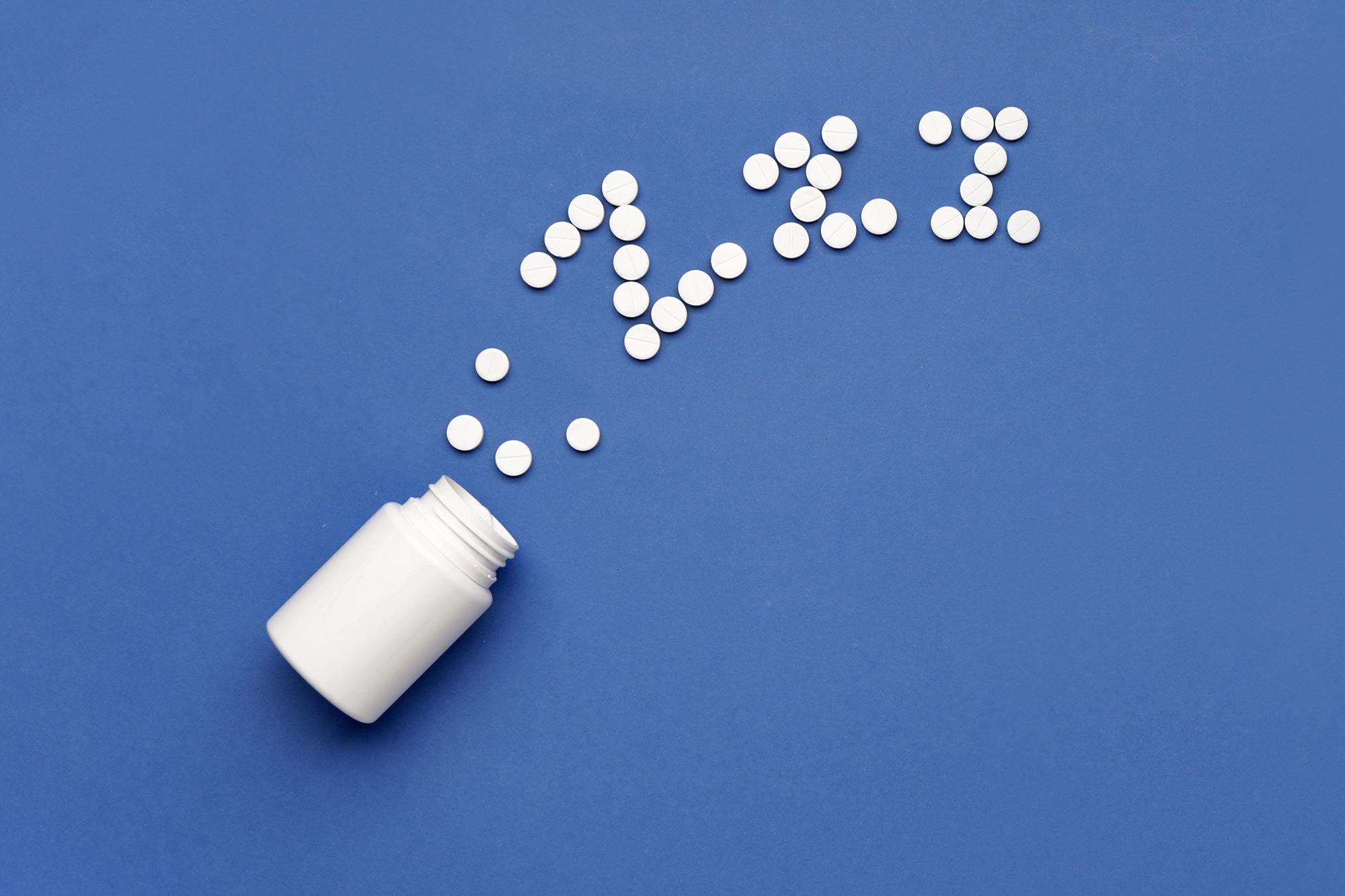
A UCLA Health study shows that insomnia drug prevents opioid addiction in mice at opioid doses that provide potent pain relief.
Research shows suvorexant, used for insomnia, may also prevent opioid addiction in mice by blocking hypocretin receptors. It maintains effective pain relief and reduces addiction-related brain changes, suggesting potential for safer pain treatments.
A drug that treats insomnia works to prevent the addictive effects of the morphine opioids in mice while still providing effective pain relief. This is according to new research led by UCLA Health.
The study, published today (July 9) in the journal Nature Mental Health, concluded that suvorexant, which blocks brain receptors for a neurotransmitter called hypocretin, prevents opioid addiction. At high doses in humans, suvorexant induces sleep and is used to treat insomnia. But sleep was not induced, and behavioral alertness was maintained, at the much lower doses effective in preventing opioid addiction in mice.
Neurobiology of Hypocretin and Addiction
Hypocretin, also called orexin, is a peptide that is linked to mood, with hypocretin release in humans being maximal during pleasurable activities and minimal during pain or sadness. The loss of hypocretin neurons is the cause of narcolepsy, which is thought to be an autoimmune disease. People with narcolepsy and mice made narcoleptic have a greatly diminished susceptibility to opiate addiction.
Researchers have found both humans addicted to heroin and mice addicted to morphine develop higher numbers of hypocretin-producing neurons. Morphine causes hypocretin neurons to increase their anatomical connections to pleasure-related brain regions.
Impact of Suvorexant on Opioid-Related Changes in the Brain
The latest study in mice found that administering opioids with suvorexant prevents opioid-induced changes in hypocretin neurons, prevents hypocretin neurons from increasing their connections to the brain’s reward-related regions, greatly reduces opioid-induced brain inflammation, and prevents addictive behavior, such as running in mice expecting to receive their daily morphine dose. Suvorexant given with morphine also greatly reduces morphine withdrawal symptoms, according to the study.
Implications for Opioid Addiction Treatment
“The annual US rate of opioid overdose deaths now exceeds 80,000, greater than the annual rates of automobile or gun deaths,” said the study’s senior author, Dr. Jerome Siegel of UCLA Health’s Jane & Terry Semel Institute for Neuroscience and Human Behavior, the UCLA Brain Research Institute and U.S. Department of Veterans Affairs. “Non-opioid analgesics are able to relieve relatively minor pain. But severe burns, cancer, joint inflammation, sickle cell disease, bone damage, and many other painful conditions often cannot be effectively treated with non-opioid analgesics.
“Further studies are needed to determine if the addiction suppressive results seen in mice given suvorexant with morphine are also seen in humans, potentially allowing safer, more effective treatment of pain without the risk of addiction and opioid overdose death,” Siegel continued.
The study included 170 mice that were administered morphine for 14-day periods, 5 postmortem brains of humans with opiate use disorder and 5 control human brains. Trials are necessary to determine whether suvorexant will be as effective in suppressing addiction in humans using opioids for pain relief as it is in mice, Siegel said.
Reference: “Opioid-induced neuroanatomical, microglial and behavioral changes are blocked by suvorexant without diminishing opioid analgesia” by Ronald McGregor, Ming-Fung Wu, Thomas C. Thannickal, Songlin Li and Jerome M. Siegel, 9 July 2024, Nature Mental Health.
DOI: 10.1038/s44220-024-00278-2
Never miss a breakthrough: Join the SciTechDaily newsletter.
Follow us on Google and Google News.