
Close Menu
    Facebook X (Twitter) Instagram
    SciTechDaily
    • Biology
    • Chemistry
    • Earth
    • Health
    • Physics
    • Science
    • Space
    • Technology
    Facebook X (Twitter) Pinterest YouTube RSS
    SciTechDaily
    Home»Space»Fiery Destruction Expected: NASA Earth Radiation Budget Satellite To Reenter Atmosphere Today
    Space

    Fiery Destruction Expected: NASA Earth Radiation Budget Satellite To Reenter Atmosphere Today

    By NASAJanuary 8, 20231 Comment3 Mins Read
    Facebook Twitter Pinterest Telegram LinkedIn WhatsApp Email Reddit
    Share
    Facebook Twitter LinkedIn Pinterest Telegram Email Reddit
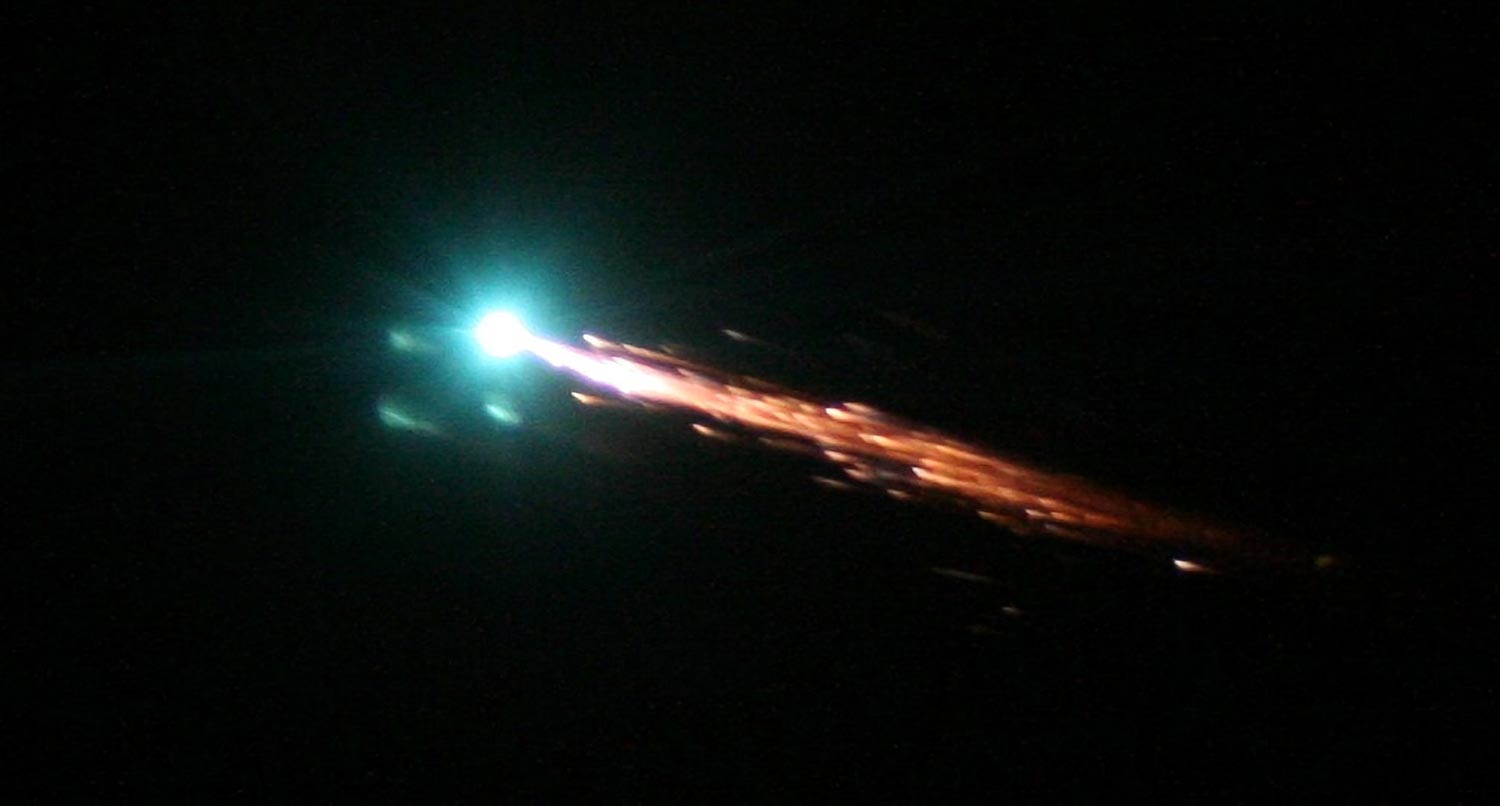
    ATV-1 Reentry
    NASA’s Earth Radiation Budget Satellite is expected to burn up in the atmosphere. Here we see the ATV Jules Verne spacecraft on destructive reentry in 2008 taken from the DC-8 aircraft which observed the reentry over the Pacific Ocean. Credit: ESA

    ERBS Satellite Nears Final Reentry

    In early January NASA’s retired Earth Radiation Budget Satellite (ERBS) is expected to reenter Earth’s atmosphere after almost four decades in space. For 21 of those years, the ERBS actively investigated how the Earth absorbed and radiated energy from the Sun, and made measurements of stratospheric ozone, water vapor, nitrogen dioxide, and aerosols.  

    As of Thursday, January 5, the Department of Defense predicted that the 5,400-pound (2,450-kilogram) satellite will reenter the atmosphere at approximately 6:40 p.m. EST on Sunday, January 8 with an uncertainty of +/- 17 hours. NASA and the Defense Department will continue to monitor the reentry and update the predictions. 

    NASA expects most of the satellite to burn up as it travels through the atmosphere, but some components are expected to survive the reentry. The risk of harm coming to anyone on Earth is very low – approximately 1 in 9,400. 
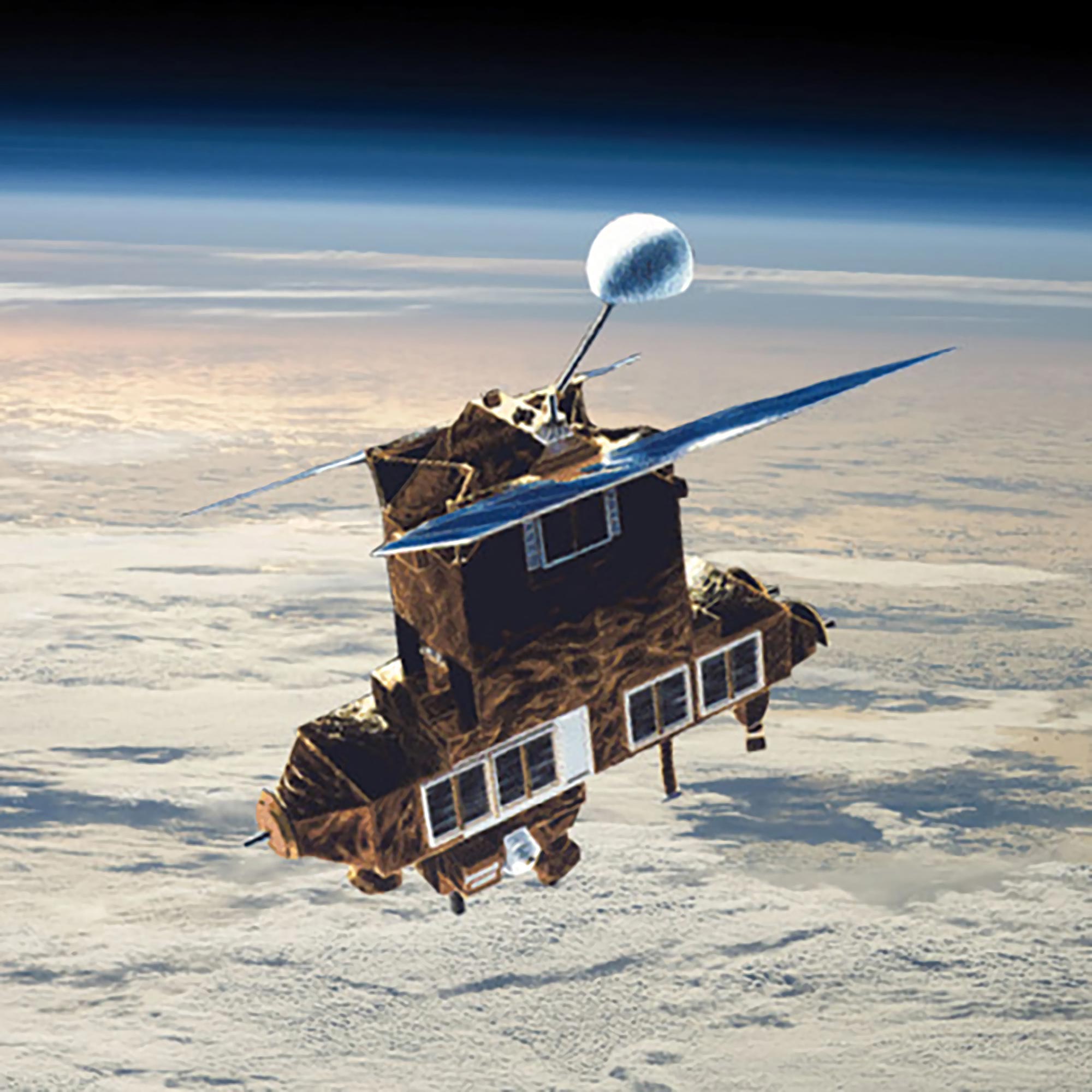
    NASA Earth Radiation Budget Satellite (ERBS)
    NASA’s Earth Radiation Budget Satellite (ERBS) was designed to examine how energy from the Sun is absorbed and re-emitted by the Earth. By understanding this process, researchers can learn more about patterns in Earth’s weather. ERBS was launched on October 5, 1984, on the Space Shuttle Challenger and retired on October 14, 2005, making it one of the longest-running spacecraft missions. Although the spacecraft was only expected to operate for two years, it actually provided scientists with data on the Earth’s ozone layer for over 20 years. Credit: NASA

    Launched from the Space Shuttle Challenger on October 5, 1984, the ERBS spacecraft was part of NASA’s three-satellite Earth Radiation Budget Experiment (ERBE) mission. It carried three instruments, two to measure the Earth’s radiative energy budget, and one to measure stratospheric constituents, including ozone.  

    The energy budget, the balance between the amount of energy from the Sun that Earth absorbs or radiates, is an important indicator of climate health, and understanding it can also help reveal weather patterns. Ozone concentrations in the stratosphere play an important role in protecting life on Earth from damaging ultraviolet radiation. 

    ERBS far exceeded its expected two-year service life, operating until its retirement in 2005. Its observations helped researchers measure the effects of human activities on Earth’s radiation balance. NASA has continued to build on the success of the ERBE mission with projects including the current Clouds and the Earth’s Radiant Energy System (CERES) suite of satellite instruments.  

    The Stratospheric Aerosol and Gas Experiment II (SAGE II) on the ERBS made stratospheric measurements. SAGE II collected important data that confirmed the ozone layer was declining on a global scale. That data helped shape the international Montreal Protocol Agreement, resulting in a dramatic decrease around the globe in the use of ozone-destroying chlorofluorocarbons. Today, SAGE III on the International Space Station collects data on the health of the ozone layer. 

    Never miss a breakthrough: Join the SciTechDaily newsletter.
    Follow us on Google and Google News.

    NASA
    Share. Facebook Twitter Pinterest LinkedIn Email Reddit

    Related Articles

    “At First, We Thought Something Was Wrong” – NASA DART Mission Reveals a Cosmic Snowball Fight

    Astronomers Discover an Earth-Like Planet With a Dangerous Temperature Problem

    NASA Prepares Its First Crewed Moon Orbit in Over 50 Years

    A Record-Setting NASA Astronaut Says Goodbye

    NASA’s Artemis II Is on the Launch Pad and the Moon Is Next

    NASA Executes Rare Medical Evacuation From the International Space Station

    NASA Powers Up a Massive Solar Engine for the Moon

    A Massive Rocket Is Rolling and NASA’s Return to the Moon Is Getting Real

    Don’t Miss: Jupiter at Its Biggest and Brightest

    1 Comment

    1. Frosted Flake on January 8, 2023 8:44 pm

      This is a non-story. The end result is a few bits of dust will make it halfway through the atmosphere. The story is, as late as today, Chinese spacecraft just fall out of the sky where ever they happen to, in 20 ton chunks. Whether it’s over New York City or Bumfuc Egypt is not part of the plan. Because the Chinese can’t see the difference. And could care less. We all look the same to them. Bad.

      Write a story about that. And where their next rocket is going to land. Spoiler : no one knows.

      Reply
    Leave A Reply Cancel Reply

    • Facebook
    • Twitter
    • Pinterest
    • YouTube

    Don't Miss a Discovery

    Subscribe for the Latest in Science & Tech!

    Trending News

    Scientists Discover Game-Changing New Way To Treat High Cholesterol

    This Small Change to Your Exercise Routine Could Be the Secret to Living Longer

    Scientists Discover 430,000-Year-Old Wooden Tools, Rewriting Human History

    AI Could Detect Early Signs of Alzheimer’s in Under a Minute – Far Before Traditional Tests

    What if Dark Matter Has Two Forms? Bold New Hypothesis Could Explain a Cosmic Mystery

    This Metal Melts in Your Hand – and Scientists Just Discovered Something Strange

    Beef vs. Chicken: Surprising Results From New Prediabetes Study

    Alzheimer’s Breakthrough: Scientists Discover Key Protein May Prevent Toxic Protein Clumps in the Brain

    Follow SciTechDaily
    • Facebook
    • Twitter
    • YouTube
    • Pinterest
    • Newsletter
    • RSS
    SciTech News
    • Biology News
    • Chemistry News
    • Earth News
    • Health News
    • Physics News
    • Science News
    • Space News
    • Technology News
    Recent Posts
    • Scientists Reveal Why a Common Drug Causes Birth Defects and Autism
    • A Medieval Japanese Diary Just Helped Scientists Detect a Dangerous Solar Event
    • Humans Returned to Britain 500 Years Earlier Than Scientists Thought
    • 250-Million-Year-Old Egg Solves One of Evolution’s Biggest Mysteries
    • Living With Roommates Might Be Changing Your Gut Microbiome Without You Knowing
    Copyright © 1998 - 2026 SciTechDaily. All Rights Reserved.
    • Science News
    • About
    • Contact
    • Editorial Board
    • Privacy Policy
    • Terms of Use

    Type above and press Enter to search. Press Esc to cancel.