

A thrilling discovery in York has unveiled the first-ever physical evidence of a human fighting a lion in Roman times, thanks to bite marks found on a skeleton in a gladiator cemetery.
This adds a dramatic new layer to our understanding of ancient gladiator games, pushing the boundaries of what we believed occurred outside Rome’s Colosseum. These findings don’t just confirm fierce animal combat, they also reveal intense physical hardship and elaborate burial rituals, providing a vivid portrait of life and death for a Roman-era fighter far from the empire’s capital.
Lion Bite Reveals Gladiator Reality
Bite marks on a skeleton found in a Roman cemetery in York have provided the first archaeological evidence of a gladiator fighting a lion.
The skeleton was unearthed at Driffield Terrace, one of the most well-preserved gladiator cemeteries ever discovered. In 2010, researchers announced the analysis of 82 robust young male skeletons from the site, all showing signs that suggested a life of combat.
Tooth enamel studies revealed that these individuals came from across the Roman Empire. Researchers also found signs of unique burial practices and physical traits consistent with gladiatorial training, such as strong builds and numerous healed injuries linked to violence.

Lion Bite Confirms Gladiator Identity
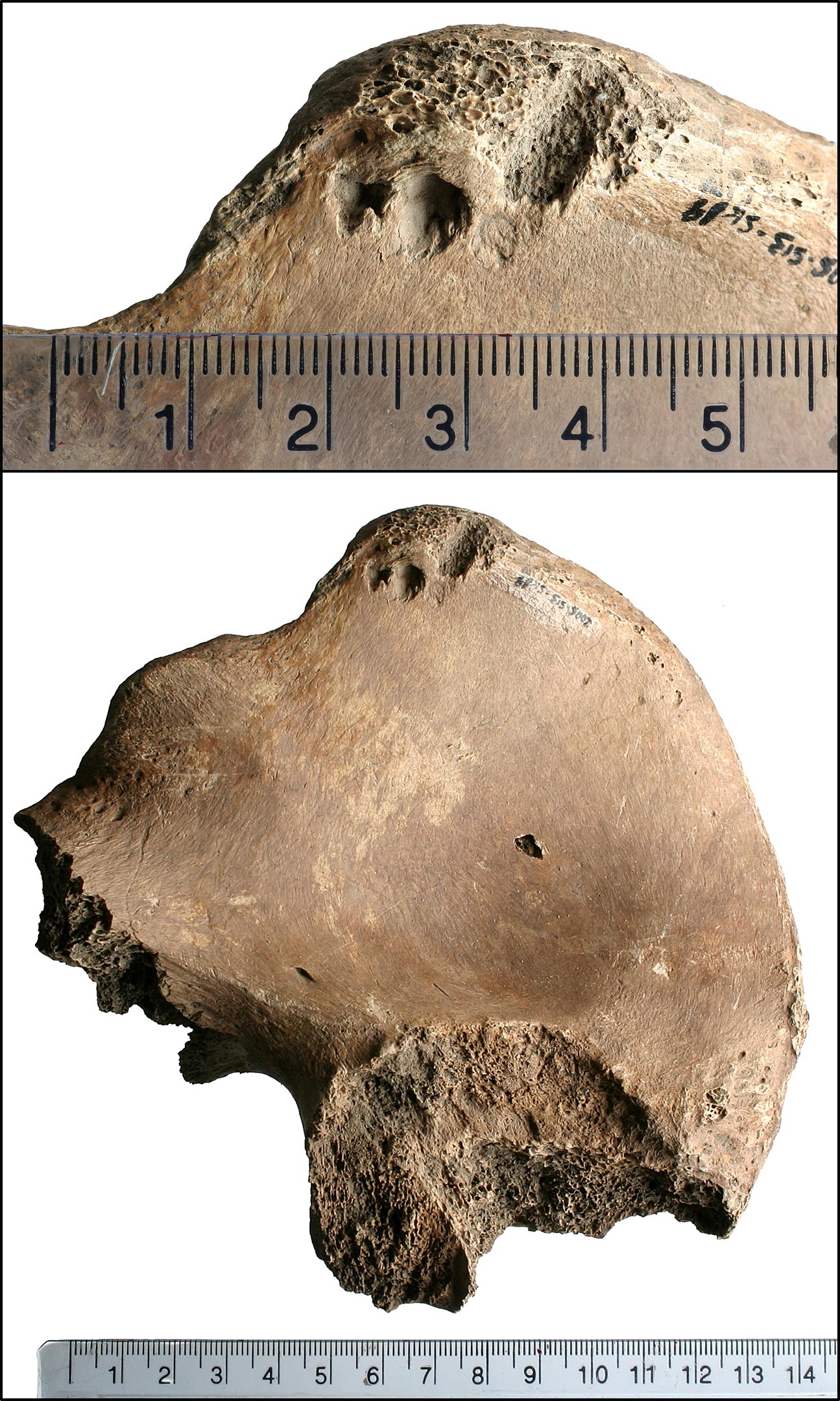
According to Malin Holst, a lecturer in Osteoarchaeology at the University of York and director of York Osteoarchaeology, the bite marks were most likely caused by a lion. She said: “The bite marks were likely made by a lion, which confirms that the skeletons buried at the cemetery were gladiators, rather than soldiers or slaves, as initially thought, and represent the first osteological confirmation of human interaction with large carnivores in a combat or entertainment setting in the Roman world.”
This is the final piece of evidence from work that began in 2004, when the first skeletons were excavated at the 1800-year-old Roman cemetery, along the Roman road leading out of York to Tadcaster.
Physical Evidence Transforms Understanding
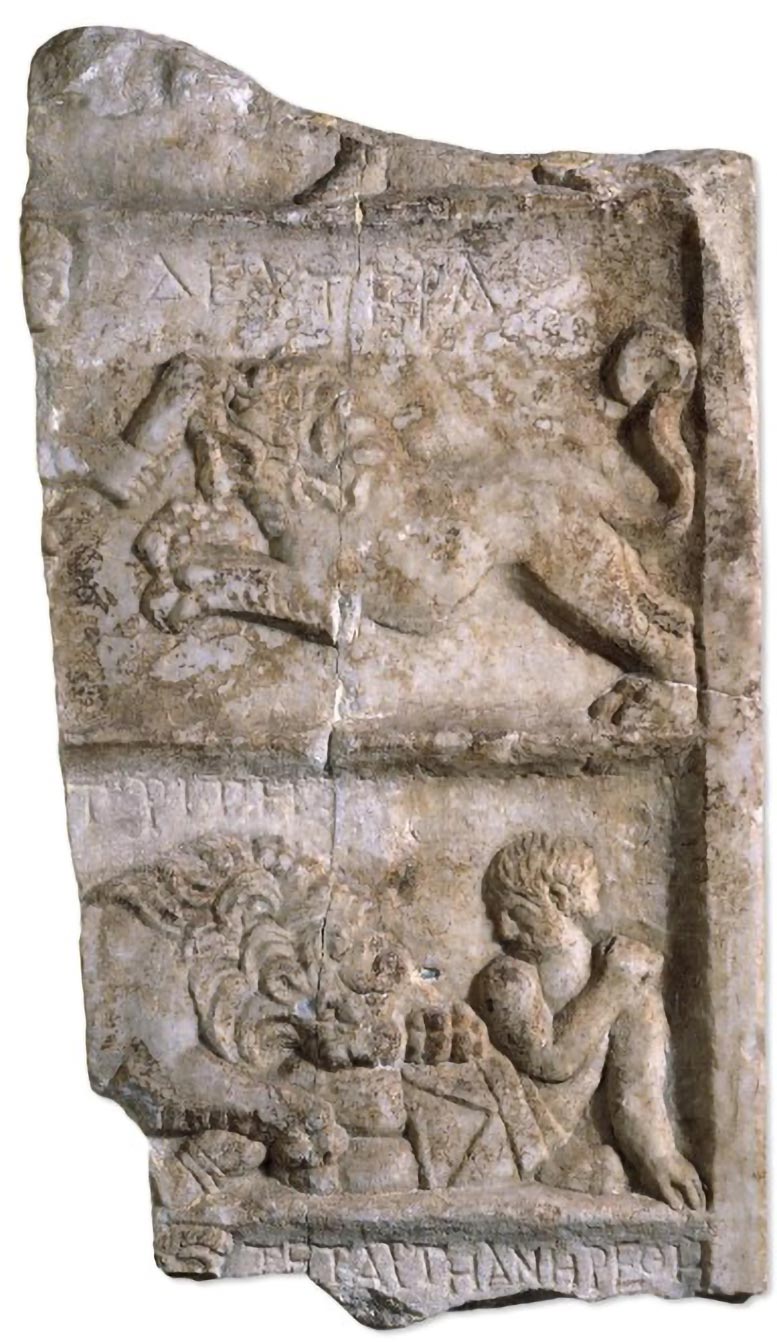
Professor Tim Thompson, from Maynooth University, Ireland, said: “For years, our understanding of Roman gladiatorial combat and animal spectacles has relied heavily on historical texts and artistic depictions. This discovery provides the first direct, physical evidence that such events took place in this period, reshaping our perception of Roman entertainment culture in the region.”
The skeleton, a male aged between 26 and 35, was buried in a grave with two others, and overlaid with horse bones. In life, he appears to have had some issues with his spine that may have been caused by overloading to his back, inflammation of his lung and thigh, as well as malnutrition as a child, which he recovered from.
Fatal Encounter with a Lion
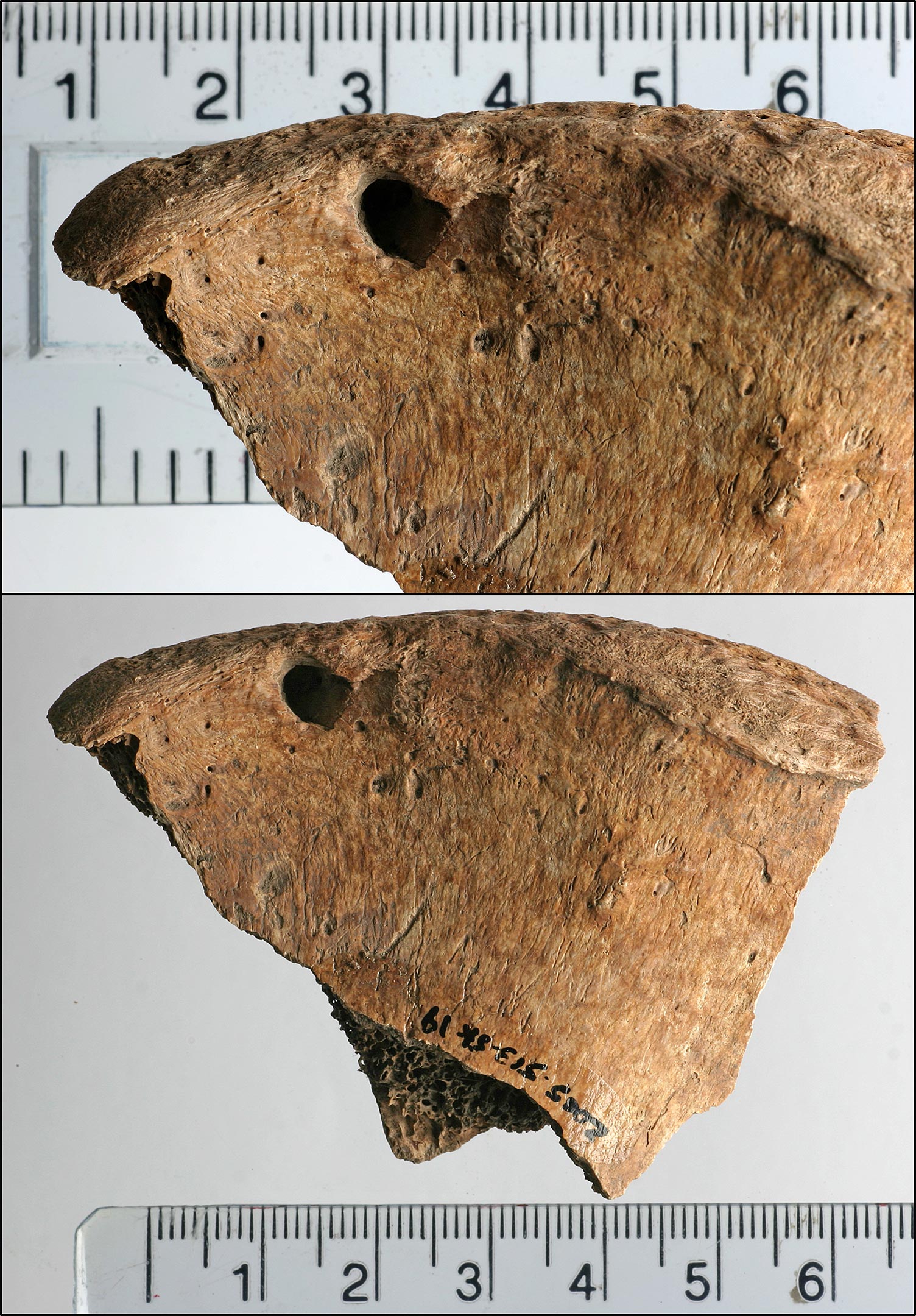
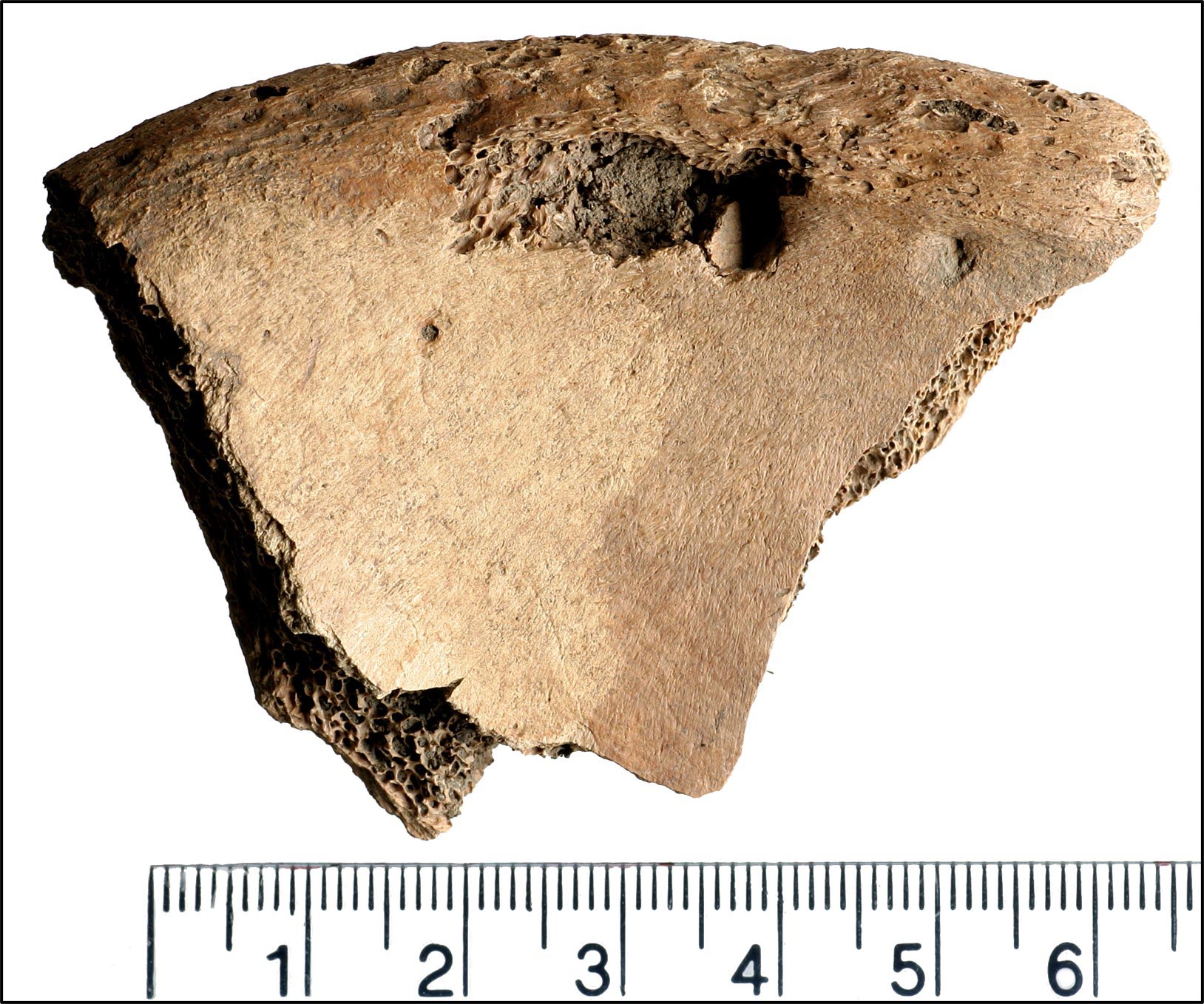
The lion bite wound – confirmed by comparing it to sample bites from a lion at a zoo – was not healed and is therefore likely to have been his cause of death. It is believed that the individual was decapitated after death, which appears to have been a ritual for some individuals in the Roman period, although the reasons for this remain unclear.
Analysis of the skeleton points towards this being a Bestarius, a gladiator role undertaken by volunteers or slaves.
Gladiator Life in Provincial Roman Cities
Malin said: “This is a hugely exciting find because we can now start to build a better image of what these gladiators were like in life, and it also confirms the presence of large cats, and potentially other exotic animals, in arenas in cities such as York, and how how they too had to defend themselves from the threat of death.
“We often have a mental image of these combats occurring at the grand surroundings of the Colosseum in Rome, but these latest findings show that these sporting events had a far reach, well beyond the centre of core Roman territories. An amphitheatre probably existed in Roman York, but this has not yet been discovered.”
York appears to have held gladiator arena events until as late as the fourth century AD, perhaps due to the fact that there were many senior generals and politicians who held posts in the city, which included Constantine, who appointed himself emperor there in 306 AD.
Lavish Spectacles for Roman Elites
The presence of distinguished Roman leaders in York would have meant they required a lavish social life, so it is not a surprise to see evidence of gladiator events, as well as such an extensive burial site for them, but it is interesting to confirm the presence of animals as large as a lion at these sites, and not just wild boar and deer, for example.
Owners of gladiators would not have wanted them to die, they were expensive ‘sports people’, not too dissimilar to footballers today, and as such they wanted them to win, to be able to fight again, and if they didn’t survive they were often provided with gifts in death to serve in the afterlife, which is evident at some of the graves at Driffield Terrace.
Genomic Clues and Public Display
David Jennings, CEO of York Archaeology, said: “This latest research gives us a remarkable insight into the life – and death – of this particular individual, and adds to both previous and ongoing genome research into the origins of some of the men buried in this particular Roman cemetery.
“We may never know what brought this man to the arena where we believe he may have been fighting for the entertainment of others, but it is remarkable that the first osteo-archaeological evidence for this kind of gladiatorial combat has been found so far from the Colosseum of Rome, which would have been the classical world’s Wembley Stadium of combat.”
Skeleton on Display at Roman Exhibition
DIG: An Archaeological Adventure in St Saviourgate will host the skeleton as part of its Roman exhibition, which includes a reconstruction of the gladiator’s face.
Explore Further: Gladiator Skeleton Proves Lion Combat in Roman Britain
Reference: “Unique osteological evidence for human-animal gladiatorial combat in Roman Britain” by T. J. U. Thompson, D. Errickson, Christine McDonnell, Malin Holst, Anwen Caffell, John Pearce and Rebecca L. Gowland, 23 April 2025, PLOS ONE.
DOI: 10.1371/journal.pone.0319847
The research, published in the Journal of Science and Medical Research PLOS One, is a collaboration between the University of York, Maynooth University, Cranfield University, Durham University, King’s College London, York Archaeology, and York Osteoarchaeology Ltd.
Never miss a breakthrough: Join the SciTechDaily newsletter.
Follow us on Google and Google News.
3 Comments
How do they know it wasn’t just prisoners thrown to the lions for spectacle?
Also, these events had a sort of hand-truck to which condemned were tied and then rolled back and forth into a large cat –
If all buried were Gladiators, this still doesn’t answer exactly what befell this person.
One aspect we don’t usually talk about, criminals were treated so. In other words, the guy that raped your sister could be there – and you could be the loudest thumb in the air. This may be just what we’re all missing from life – a little real justice; and where we may see less crime as everyone would know there’s an actual price.
Get ’em, kitty.