
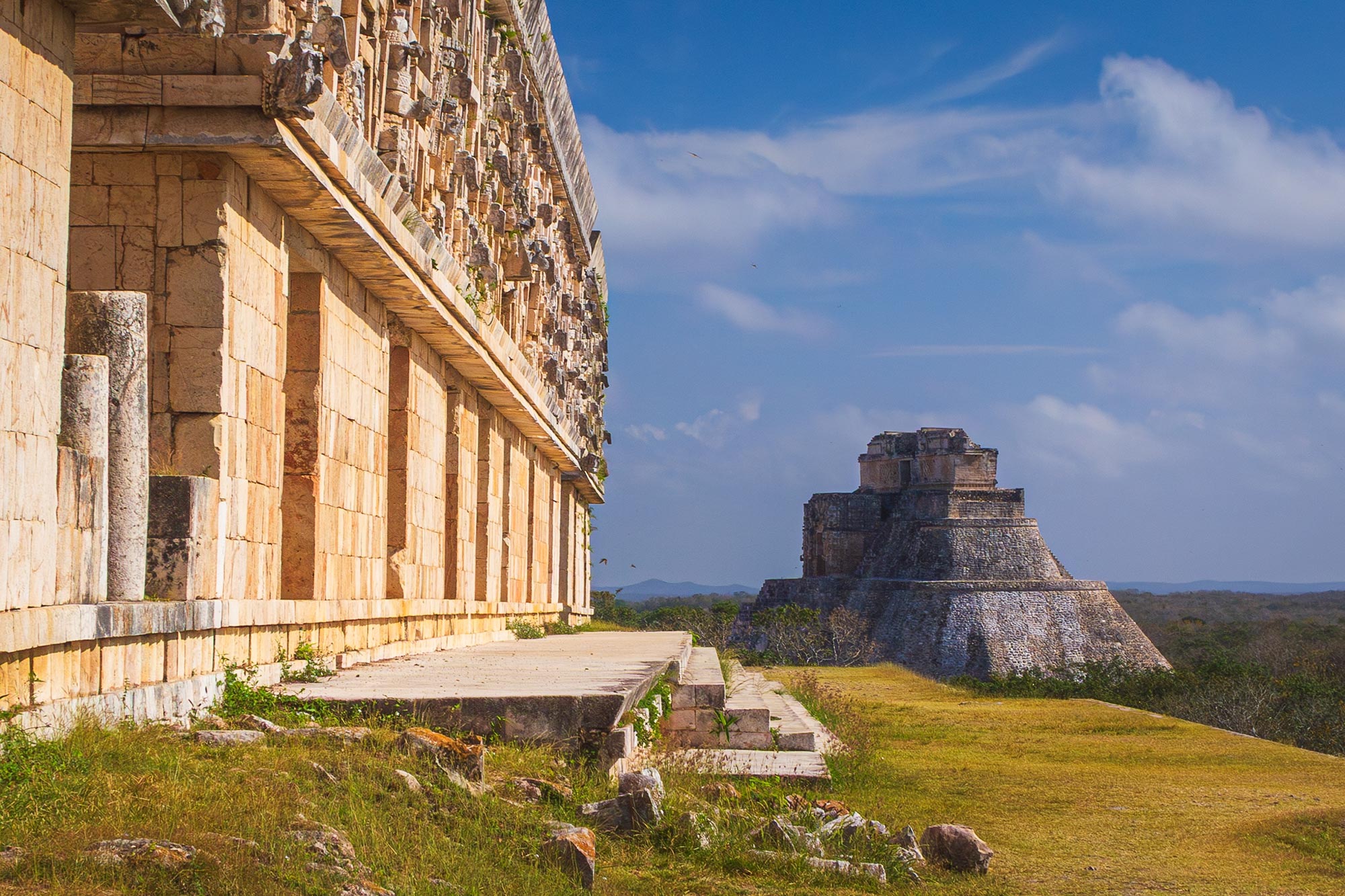
New study uncovers the forces that shaped and later brought down ancient urban centers, and shows how these patterns are reflected in modern city challenges.
Why do people choose to move into cities, and why do they decide to leave? Today, urban populations shift for many reasons — economic opportunities, congestion, lifestyle preferences, air quality and, at times, a pandemic.
It turns out this pattern has deep historical roots.
The world’s earliest cities were established by rural populations. These were farmers, or agriculturists, whose livelihoods depended on land-extensive systems that encouraged them to live in small, scattered settlements. This arrangement reduced the time and travel required between their homes and the fields they worked.
City life, in earlier times as well as today, brought higher costs of many kinds, including greater vulnerability to crowd-related diseases, tighter competition for land and basic resources, and intensifying inequality. Even so, farmers were willing to take on these burdens, a choice that seemed paradoxical given their circumstances.
Why?
Debates over Classic Maya urbanization
This question has fueled a long debate, said UC Santa Barbara archaeologist Douglas Kennett, who has spent years studying patterns of urban development in Classic Maya cities. According to Kennett, the explanation is complex, involving several interconnected factors that contributed to both the expansion and later decline of these ancient urban centers.
Kennett and collaborators from several institutions explore and elucidate that complexity in a new study, published in the Proceedings of the National Academy of Sciences. The research leverages population ecology theory and quantifies the drivers of urbanism across the Classic Maya Lowlands.
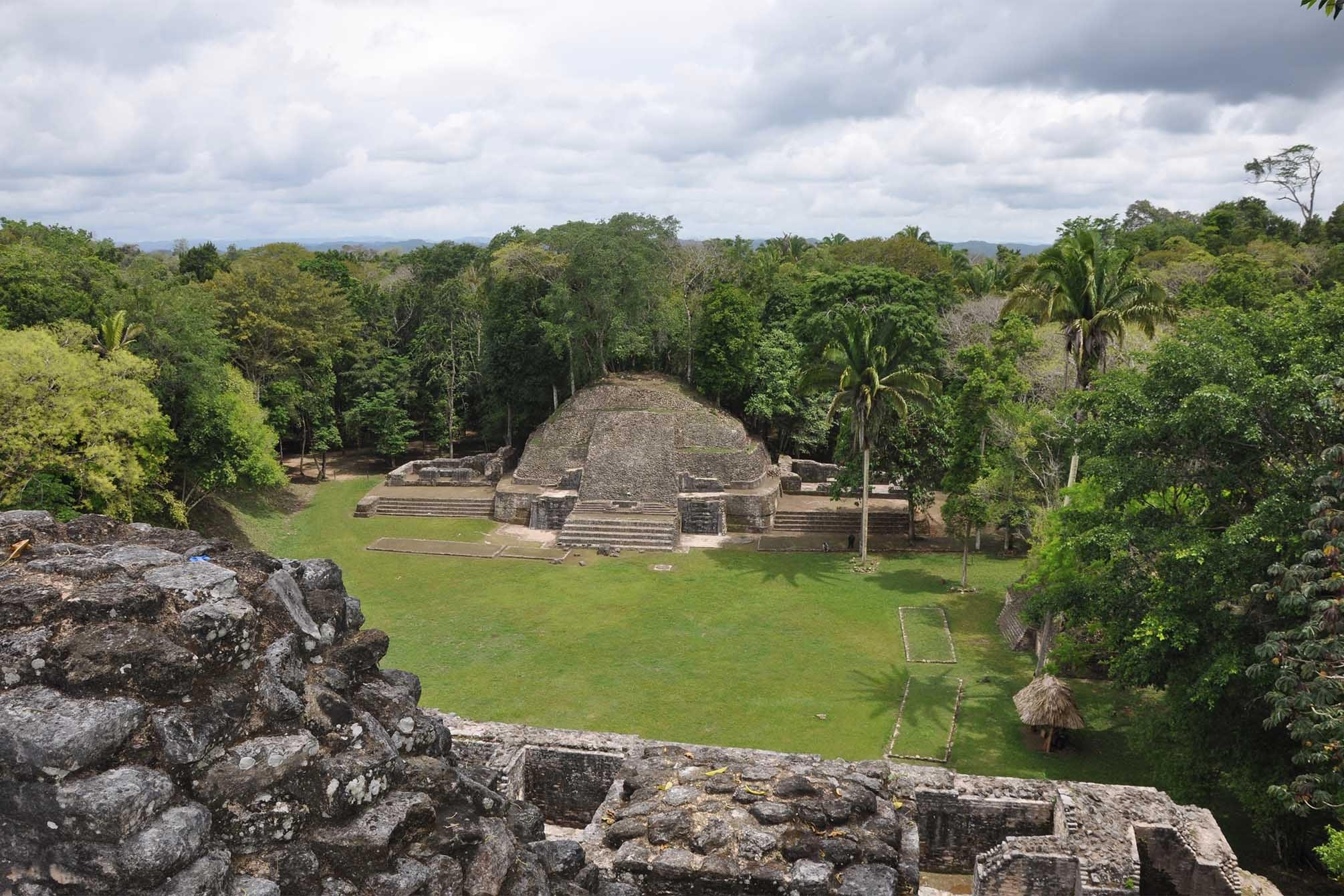
“We determined that the rise and expansion of Classic Maya cities resulted from the interaction of climate downturns, intergroup conflict, and the presence of strong economies of scale realized through capital investments in agricultural infrastructure,” Kennett said. “These factors promoted the coevolution of urbanism, systemic inequality, and patron-client relationships in cities.”
Modeling the Maya rise and collapse
Using that same framework, he added, the researchers also determined that deurbanization set in “when the benefits of urban living no longer outweighed the costs, as environments were degraded near cities and climate amelioration improved the livability of rural areas where people would have more freedom and autonomy.”
Indeed, the team’s initial interest was centered on the role of climate change — specifically drought — in the decline of Classic Maya cities. Since 2012, the group has been amassing archaeological data on changing population sizes, conflict, and investments in agricultural infrastructure. Then they came into some newly available high-resolution climatic data.
“We also capitalized on major developments in computational modeling that allowed us to look at the relationships between these datasets in ways not previously possible,” Kennett said.
A unified explanation for Maya urban dynamics
Their results integrate previously contentious and separate theories of urbanization — such as environmental stress, warfare, and economic factors — into a single, dynamic model based on concepts from population ecology. The study also resolves the paradox of why agrarian populations — whose land-extensive economy incentivizes dispersal — would aggregate despite the high costs of urbanization.
“The biggest surprise for me was that the abandonment of cities occurred under improving climatic conditions,” Kennett noted. “We have long thought that the decline of Classic Maya cities partially resulted from an extended period of drought. It turns out to be a much more complicated and interesting story.”
All told, the new work offers critical insights for understanding and managing contemporary and future urban evolution by establishing timeless, universal principles for how populations aggregate and disperse.
Reference: “Modeling the rise and demise of Classic Maya cities: Climate, conflict, and economies of scale” by Weston C. McCool, Brian F. Codding, Bridgette Degnan, Claire E. Ebert, Emily S. Johnson, Kenneth Blake Vernon, Kurt M. Wilson, Timothy Beach, Keith M. Prufer and Douglas J. Kennett, 6 October 2025, Proceedings of the National Academy of Sciences.
DOI: 10.1073/pnas.2512325122
Never miss a breakthrough: Join the SciTechDaily newsletter.
Follow us on Google and Google News.
4 Comments
was it house prices ?
Home and food prices. And the lack of freedom imposed by urban leaders. Your clay home had to be painted gray. The HOA fees were probably brutal. Also got tired of watching weekly sacrifices to some god you never saw. Big cities are annoying today. Lived near Portland for 10yrs, never going back to live. I can drive in and visit then turn around and leave.
😆
I own and have read 500 books on the Maya, have visited all the ruins. I found this article to be modern-day mumbo jumbo. The decline of cities was often accompanied by violent fires and the lack of building and carving stones, stelae. Dissatisfaction with government and priest classes is still a valid explanation.