

Loneliness in adulthood exhibits a U-shaped pattern, peaking in early and older adulthood and lowest in middle adulthood. This finding comes from a new study by Northwestern Medicine, which analyzed nine longitudinal studies from around the world. “What was striking was how consistent the uptick in loneliness is in older adulthood,” said Eileen Graham, the study’s corresponding author and an associate professor of medical social sciences at Northwestern University Feinberg School of Medicine.
The study, recently published in Psychological Science, also explored several risk factors contributing to heightened loneliness across all stages of life. “There’s a wealth of evidence that loneliness is related to poorer health, so we wanted to better understand who is lonely and why people are becoming lonelier as they age out of midlife so we can hopefully start finding ways to mitigate it,” added Graham.
The Health Risks of Loneliness
Loneliness can elevate the risk of premature death to levels comparable to those posed by daily smoking, according to the U.S. Surgeon General. This statement was made a year ago when a call to action was issued to fight America’s loneliness epidemic. Graham believes her findings highlight the need for targeted interventions to reduce loneliness, especially among older adults. She suggests that general practitioners could assess loneliness during regular wellness visits to identify those at greatest risk.
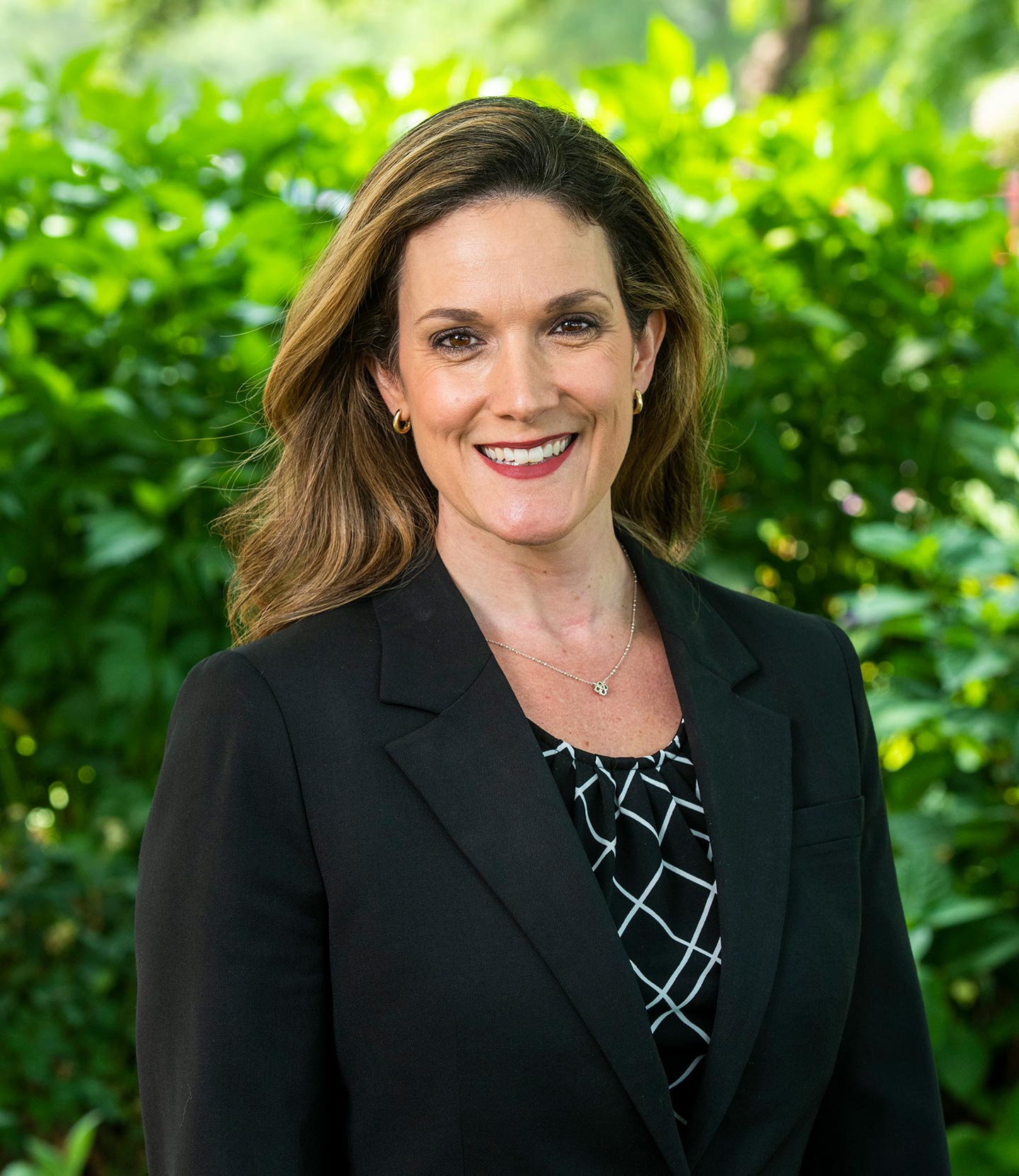
Corresponding author Eileen Graham, associate professor of medical social sciences at Northwestern University Feinberg School of Medicine, summarizes the findings of her new study. Credit: Kristin Samuelson, Northwestern University
Persistent Loneliness: Risk Factors
The study found individuals with higher persistent loneliness were disproportionately women, more isolated, less educated, had lower income, had more functional limitations, were divorced or widowed, were smokers, or had poorer cognitive, physical, or mental health.
Loneliness Across the Lifespan
The U-shaped loneliness pattern was observed across nine datasets from the U.K., Germany, Sweden, the Netherlands, Australia, Israel, and other countries, with only one dataset from the U.S. All studies were conducted before the COVID-19 pandemic, when many researchers found loneliness became even more pronounced.
“Our study is unique because it harnessed the power of all these datasets to answer the same question — ‘How does loneliness change across the lifespan, and what factors contribute to becoming more or less lonely over time?’,” Graham said.
Middle Adulthood: A Socially Active Phase
Middle adulthood is the least lonely period, possibly due to the numerous social demands on individuals in this life stage, such as marriage, employment, and interactions with other parents. However, the link between social interaction and loneliness is complex. “You can have a lot of social interaction and still be lonely or, alternatively, be relatively isolated and not feel lonely,” Graham said.
Loneliness in Young and Older Adults
The study data starts at the end of adolescence, a time when young adults navigate significant life transitions such as education, careers, and relationships. “As people age and develop through young adulthood into midlife, they start to set down roots and become established, solidifying adult friend groups, social networks, and life partners,” explained Tomiko Yoneda, assistant professor of psychology at the University of California, Davis. “We do have evidence that married people tend to be less lonely, so for older adults who are not married, finding ongoing points of meaningful social contact will likely help mitigate the risk of persistent loneliness.”
Reference: “Do We Become More Lonely With Age? A Coordinated Data Analysis of Nine Longitudinal Studies” by Eileen K. Graham, Emorie D. Beck, Kathryn Jackson, Tomiko Yoneda, Chloe McGhee, Lily Pieramici, Olivia E. Atherton, Jing Luo, Emily C. Willroth, Andrew Steptoe, Daniel K. Mroczek and Anthony D. Ong, 30 April 2024, Psychological Science.
DOI: 10.1177/09567976241242037
Never miss a breakthrough: Join the SciTechDaily newsletter.
Follow us on Google and Google News.
14 Comments
That’s because all our friends have died. Of course, we older adults are lonely. I stay active and make new friends all the time, but my lifelong friends are gone. The people who knew me when we were becoming who we are — they’ve died. We don’t have the same shared experiences as the younger people around us.
PERFECT explanation! Thank you for posting.
It’s astounding that universities waste colossal amounts of money on these kinds of studies. There isn’t anything in this article that anyone over 40 years of age could have figured out. Of course you’re less lonely in your middle years, you’re working, you’re married, you have children etc.
And obviously as you age spouses die off friends die off and making new friends late in life is very difficult. You will never have the kinds of connections you had with your childhood friends. I’m not suggesting that you can’t get out and try. You most definitely should because yes it will shorten your lifespan. Didn’t need to read the article to know this.
Yes. If you live in a region where living to 90s is uncommon, you will be lonely as your contemporaries have died. That is why in places like blue zones, where general population live long, people who are in their 90s still have the contemporaries and Friends to spend time with and do not feel lonely. It’s the same when people live in joint families or live in cohesive communities.
I have family and friends in their 90’s who admit losing and missing others they had grown up with and shared times in younger years. It is sad that younger generations may not understand and share the challenges and culture of these seniors. While we can be happily social, that shared closeness to our peers is gone. I am already 73 years myself and see the future that lies ahead. I am preparing for it by accepting that I must bring back the energy, curiosity and understanding of my younger years. While that change in behavior may not be accepted by everyone, if I don’t change, I will be faced with the depressing remaining years in this life. We have the advantage of living and knowing what our younger generations do not know yet and maybe show and prove that young or old, every moment is precious and worth sharing.
To whomever will read this, something that can combat loneliness for anyone who is older is to pick up a Bible and try reading . It can calm you, give you hope and peace. Also check out JW.ORG for wonderful videos about Bible people who had faith in God. Also call to your local kingdom Hall and someone will come and study the Bible with you in a great book call ENJOY LIFE FOREVER. It has helped me and I am 72. Thank you and hope this helps
I don’t think the Bible or religion is the correct answer for anything worth while.
I think there are those who are fortunate to have lived a long life who just are not grateful for it. I know many who wish they could have reached the ripe age of 70 or ived a longer life but it wasn’t in the cards for them. Start appreciating what you have.
Then the Bible is simply not worth YOUR time, and you will bear the fruits of where you put your attention. Don’t belittle anyone else’s faith simply because you have none.
I don’t smoke. The past 4-years I’ve been in total isolation preparing for my death. One day closer to hugging JESUS on my Judgement Day. I’m lookng forward to that day when my mission is over and I am Called HOME where I Have Always Been LOVED.
Family and friends have their own lives, loved ones and are happy, that is satisfying for me. It makes No difference if I am or not involved in their lives. I am happy myself with JESUS. I admit it gets lonely eating alone and taking myself out to eat or shop. But not having conflict in my life is fine with me.
People are disrupter’s of life. It would be very nice growing old with someone, but to watch them die or me die on them is not very interesting to me. I’m a widow and once is enough. I am an oddball i suppose, I’ve transmuted pain into Joy and going into Bliss.
Amen ❤️🔥🙏 Merry Christmas ✨️🔔✨️🛎✨️🔔✨️ Happy New Year 🥳🎈🎉
Not everyone is Christian.
B already said ” I don’t think…” and ” I think…” so you restating that the bible isn’t worth their time followed by a super vague threat is just so on brand for sheep like yourself .
How about you get off your high horse. Just because you want to believe in fairy tales written by men to control those weaker, doesn’t mean that everyone else wants to drink the koolaid .
Perhaps B has faith in things they can actually see. Maybe they have faith in themselves.
Religion is Poison
I’m an atheist but my grandmother was a devote Christian and she was an amazing woman because of it and she always shared how her faith helped her through really hard times. I think that’s great advice. I m saw how it helped my grandmother long into her making it to 99.
What i noticed in my mother’s case is the neglect of family. The selfishness of children and grandchildren. Its very sad it should be criminal to abandon the elderly. I noticed my relatives priorities have always been going up north during spring, summer, fall and south during the winter abandoning a lonely elderly woman with health issues for others to worry about. Government should act with hefty fines or prison time.