
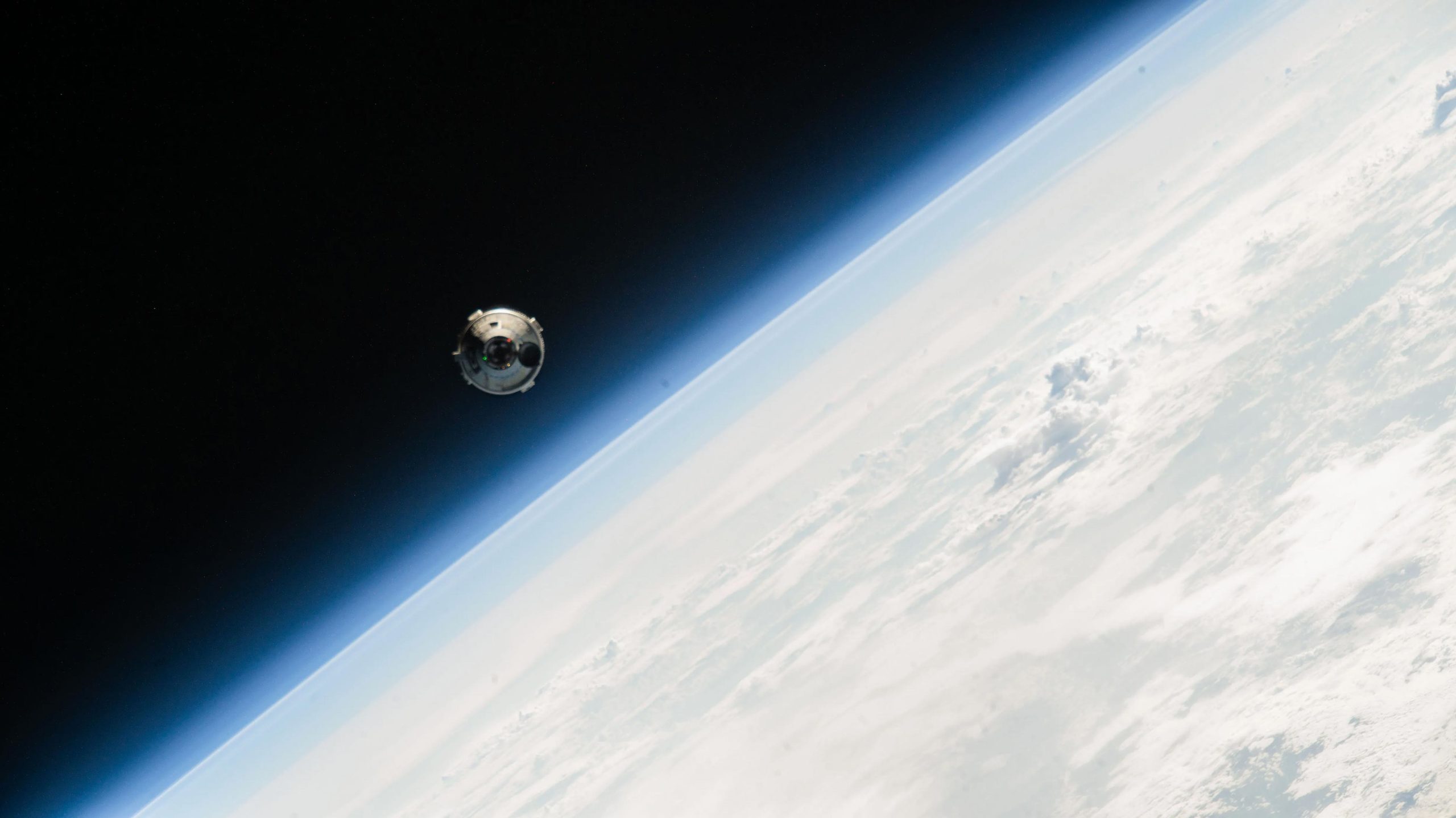
NASA astronauts on the International Space Station are testing the Boeing Starliner for future crewed missions. Their tasks include emergency scenario preparations and habitability studies, while ground teams handle system assessments to confirm the spacecraft’s performance for a safe return.
While orbiting Earth as part of the nine-person crew of the International Space Station (ISS), NASA astronauts Butch Wilmore and Suni Williams continue testing Boeing’s Starliner spacecraft as part of its first flight with astronauts. The testing is part of the data collection on the Starliner system for certification by NASA for regular crewed missions to the orbital complex.
Key Flight Objectives and Testing Activities
As part of NASA’s Boeing Crew Flight Test, Wilmore and Williams, along with teams on the ground, are stepping through numerous flight objectives following the arrival of Starliner to the space station on June 6, including:
- Powering the spacecraft down into a minimal power mode, which it will enter during operational missions while the crew works aboard the station, and then powering it up again;
- Conducting “safe haven” checks to show the spacecraft can support a crew with its own air and consumables during in an emergency on the station;
- Performing a habitability study, along with astronauts Tracy Dyson and Matthew Dominick,to evaluate seating positions and other factors, such as air circulation for a four-person crew;
- Evaluating spacesuit and seat-fits, as well as checkouts of the service module’s batteries.

Ground Support and System Evaluations
Meanwhile, ground teams continue to assess and monitor Starliner’s performance and planning for return of the mission no earlier than Tuesday, June 18, pending weather and spacecraft readiness. Starliner is cleared for crew emergency return scenarios from the space station, if needed, in accordance with the flight rules.
In-Flight System Performance and Safety Checks
While Starliner remains docked to station, ground teams are continuing to evaluate propulsion system in-flight observations.
“Butch and Suni are doing great aboard station as ground teams continue digging into the details of Starliner’s on-orbit, rendezvous, and docked performance,” said Steve Stich, manager, NASA’s Commercial Crew Program. “We expected to do a lot of valuable learning on this test flight, and I am extremely proud of how the NASA and Boeing teams are working together to ensure we can safely execute the return portion of the mission.”

Propulsion System Analysis and RCS Troubleshooting
One of Starliner’s aft-facing reaction control system (RCS) thrusters, capable of about 85 pounds of thrust, remains de-selected as teams continue to evaluate its performance. Ground teams plan to fire all 28 RCS thrusters after undocking to collect additional data signatures on the service module thrusters before the hardware is expended.
As part of normal operations, the service module separates from the crew module on return, so NASA and Boeing will gather as much data as possible to aid in system assessments.
Mission Safety Evaluations and Valve Inspections
Teams currently are assessing what impacts, if any, five small leaks in the service module helium manifolds would have on the remainder of the mission. Engineers evaluated the helium supply based on current leak rates and determined that Starliner has plenty of margin to support the return trip from station. Only seven hours of free-flight time is needed to perform a normal end of mission, and Starliner currently has enough helium left in its tanks to support 70 hours of free flight activity following undocking. While Starliner is docked, all the manifolds are closed per normal mission operations preventing helium loss from the tanks.
Engineers also are evaluating an RCS oxidizer isolation valve in the service module that is not properly closed. Ground teams performed a successful propulsion system valve checkout on Sunday. All other oxidizer and fuel valves within the service module were cycled normally. The suspect oxidizer isolation valve was not cycled in the recent checkout. It will remain commanded closed for the remainder of the mission while ground teams continue to evaluate its data signatures. The crew module propulsion valves, which are part of an independent system that steers the capsule in the last phase of flight before landing, also were successfully cycled, and all those valves are performing as designed.
Preparing for Starliner’s Return
Mission managers are continuing to work through the return plan, which includes assessments of flight rationale, fault tolerance, and potential operational mitigations for the remainder of the flight. NASA and Boeing will hold a pre-departure media teleconference to provide additional updates before Starliner undocks from the space station.
Conclusion and Upcoming Undocking
With launch and docking already completed, the last remaining dynamic phase of the mission will come at the end of the flight test when Starliner will undock from the orbiting laboratory and then adjust its orbit to move away from the space station. The spacecraft, with Wilmore and Williams aboard, will perform a deorbit burn before entering the atmosphere and landing in the southwestern United States under parachutes and landing airbags to complete the flight.
As part of the agency’s Commercial Crew Program, the mission is the first crewed flight for the Starliner spacecraft.
Never miss a breakthrough: Join the SciTechDaily newsletter.
Follow us on Google and Google News.