
Close Menu
    Facebook X (Twitter) Instagram
    SciTechDaily
    • Biology
    • Chemistry
    • Earth
    • Health
    • Physics
    • Science
    • Space
    • Technology
    Facebook X (Twitter) Pinterest YouTube RSS
    SciTechDaily
    Home»Space»NASA Triumph: Science Restored on Hubble Space Telescope After Gyro Glitch
    Space

    NASA Triumph: Science Restored on Hubble Space Telescope After Gyro Glitch

    By NASAMay 1, 2024No Comments2 Mins Read
    Facebook Twitter Pinterest Telegram LinkedIn WhatsApp Email Reddit
    Share
    Facebook Twitter LinkedIn Pinterest Telegram Email Reddit
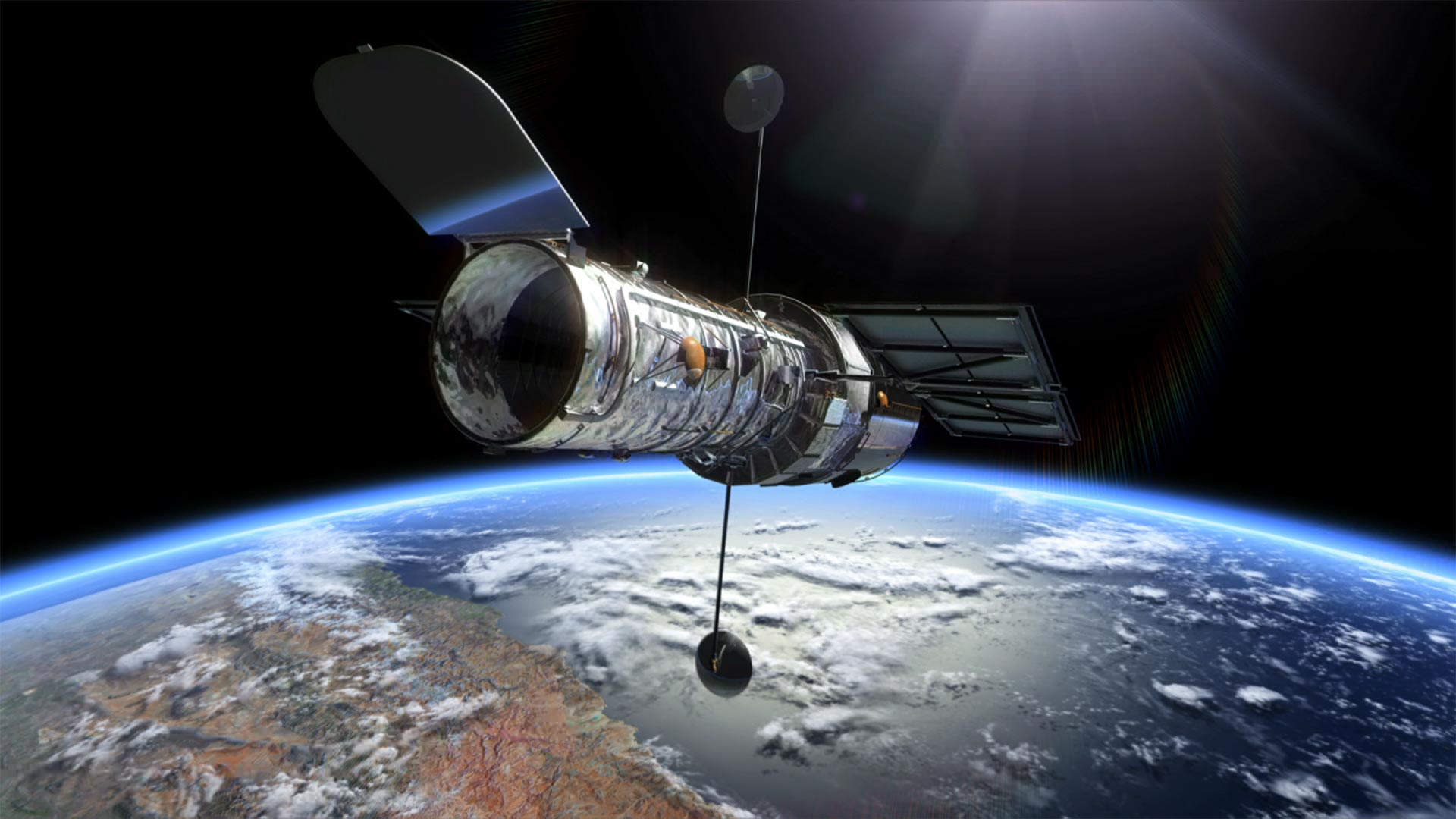
    Hubble Space Telescope Over Earth
    Illustration of the Hubble Space Telescope over the Earth. Credit: ESA/Hubble (M. Kornmesser & L. L. Christensen)

    On April 30, 2024, NASA announced it restored the agency’s Hubble Space Telescope to science operations on April 29. The spacecraft is in good health and once again operating using all three of its gyros. All of Hubble’s instruments are online, and the spacecraft has resumed taking science observations.

    NASA began working to resume science operations after the Hubble Space Telescope entered safe mode on April 23 due to an ongoing gyroscope (gyro) issue. Hubble’s instruments remained stable, with the telescope in good health.

    The telescope automatically entered safe mode when one of its three gyroscopes gave faulty readings. The gyros measure the telescope’s turn rates and are part of the system that determines which direction the telescope is pointed. While in safe mode, science operations are suspended, and the telescope waits for new directions from the ground.
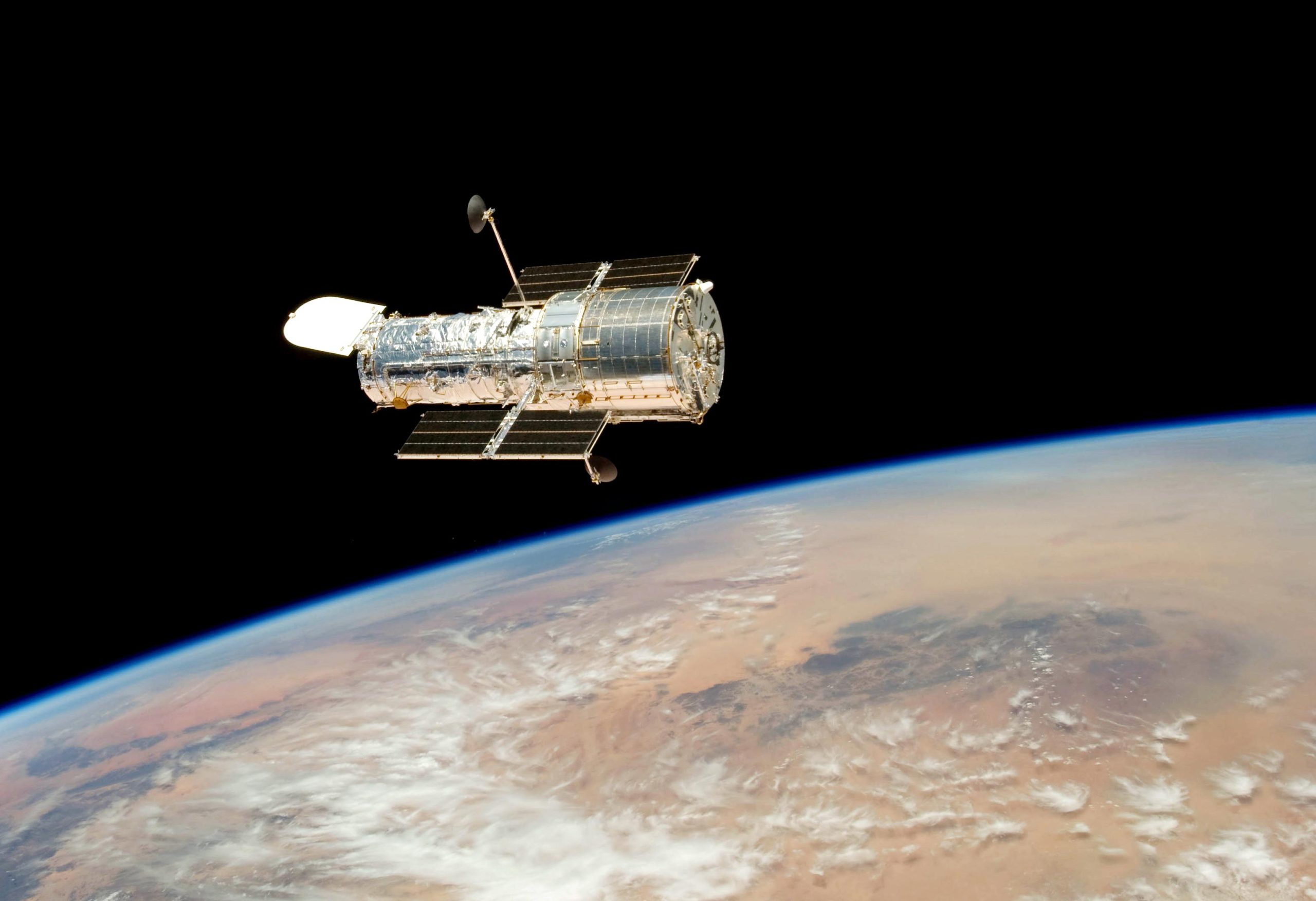
    Hubble's Final Release Over Earth
    The Hubble Space Telescope as seen from the space shuttle Atlantis (STS-125) in May 2009, during the fifth and final servicing of the orbiting observatory. Credit: NASA

    This particular gyro caused Hubble to enter safe mode in November after returning similar faulty readings. The team is currently working to identify potential solutions. If necessary, the spacecraft can be re-configured to operate with only one gyro, with the other remaining gyro placed in reserve.

    The spacecraft had six new gyros installed during the fifth and final space shuttle servicing mission in 2009. To date, three of those gyros remain operational, including the gyro that just experienced fluctuations. Hubble uses three gyros to maximize efficiency, but could continue to make science observations with only one gyro if required.

    NASA anticipates Hubble will continue making groundbreaking discoveries, working with other observatories, such as the agency’s James Webb Space Telescope, throughout this decade and possibly into the next.

    Launched in 1990, Hubble has been observing the universe for more than three decades and recently celebrated its 34th anniversary.

    Never miss a breakthrough: Join the SciTechDaily newsletter.
    Follow us on Google and Google News.

    Hubble Space Telescope NASA
    Share. Facebook Twitter Pinterest LinkedIn Email Reddit

    Related Articles

    Hubble Spots Billowing Bubbles of Stellar Floss Across 1,000 Light-Year Expanse

    Webb and Hubble Unite: A Breathtaking 3D Journey Through the Pillars of Creation

    Stellar Fireworks: Hubble Revisits a Strange Star’s 40-Year Nova Mystery

    Gyroscope Failures Force NASA to Change How It Points Hubble Space Telescope

    The Physics of Failure: Analyzing Hubble’s Gyroscope Malfunction

    Cosmic Geode: Hubble Captures the Birth of a Sun-like Star

    Final Upgrade: Hubble Celebrates the 15th Anniversary of Servicing Mission 4

    Supermassive Spectacle: Hubble Captures a Galaxy With a Voracious Black Hole

    Hubble Celebrates 34th Anniversary With a Spectacular View of the Little Dumbbell Nebula

    Leave A Reply Cancel Reply

    • Facebook
    • Twitter
    • Pinterest
    • YouTube

    Don't Miss a Discovery

    Subscribe for the Latest in Science & Tech!

    Trending News

    New Study Reveals Why Ozempic Works Better for Some People Than Others

    Climate Change Is Altering a Key Greenhouse Gas in a Way Scientists Didn’t Expect

    New Study Suggests Gravitational Waves May Have Created Dark Matter

    Scientists Discover Why the Brain Gets Stuck in Schizophrenia

    Scientists Engineer “Tumor-Eating” Bacteria That Devour Cancer From Within

    Even “Failed” Diets May Deliver Long-Term Health Gains, Study Finds

    NIH Scientists Discover Powerful New Opioid That Relieves Pain Without Dangerous Side Effects

    Collapsing Plasma May Hold the Key to Cosmic Magnetism

    Follow SciTechDaily
    • Facebook
    • Twitter
    • YouTube
    • Pinterest
    • Newsletter
    • RSS
    SciTech News
    • Biology News
    • Chemistry News
    • Earth News
    • Health News
    • Physics News
    • Science News
    • Space News
    • Technology News
    Recent Posts
    • The Surprising Reason You Might Want To Sleep Without a Pillow
    • Household Cats Could Hold the Secret to Fighting Breast Cancer
    • Scientists Say This Natural Hormone Reverses Obesity by Targeting the Brain
    • This 15,000-Year-Old Discovery Changes What We Know About Early Human Creativity
    • 35-Million-Year-Old Mystery: Strange Arachnid Discovered Preserved in Amber
    Copyright © 1998 - 2026 SciTechDaily. All Rights Reserved.
    • Science News
    • About
    • Contact
    • Editorial Board
    • Privacy Policy
    • Terms of Use

    Type above and press Enter to search. Press Esc to cancel.