
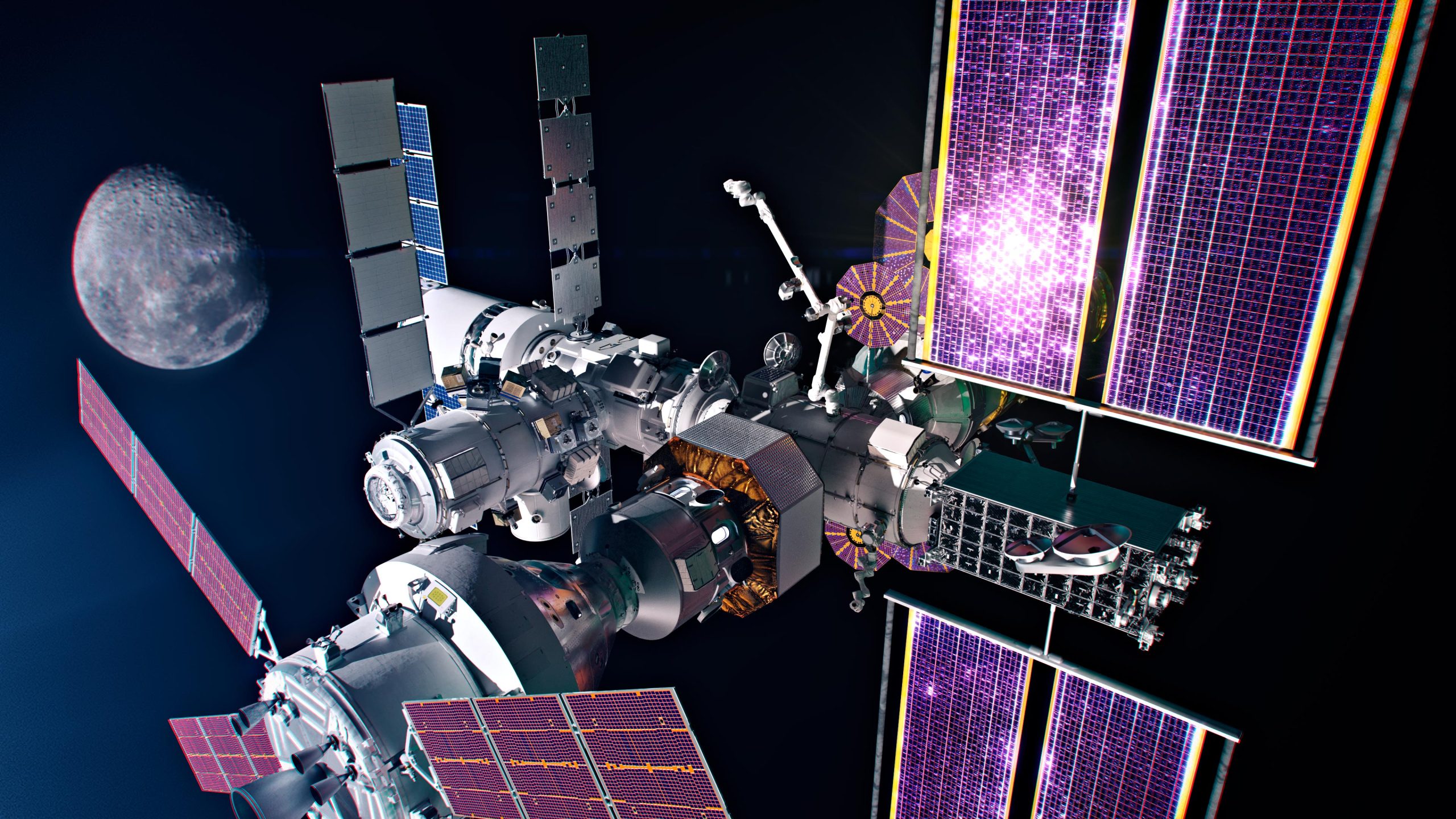
The Artemis IV mission is a pivotal step in NASA’s long-term lunar exploration strategy, featuring the construction of Gateway, the first lunar space station, which will serve as a base for scientific research and future missions to Mars. The mission will employ a new, more powerful version of NASA’s SLS rocket and a series of complex orbital maneuvers to establish a permanent human presence on the Moon.
NASA and its partners are advancing the essential systems required for sustained exploration at the Moon through the Artemis campaign. The Artemis III mission aims to land the first humans near the Moon’s South Pole, setting the stage for the Artemis IV mission. In this next phase, astronauts will inhabit Gateway, humanity’s first lunar space station, which will facilitate groundbreaking scientific research and preparations for eventual human missions to Mars. Artemis IV will coordinate a complex choreography of multiple launches and spacecraft dockings in lunar orbit, marking the first use of NASA’s upgraded, more powerful SLS rocket and a new mobile launcher.
Artemis Generation Science
Artemis missions are accelerating scientific research on the surface of the Moon, and soon, in lunar orbit aboard Gateway. Built with international and commercial partnerships, Gateway will include docking ports for a variety of visiting spacecraft. It will also have space for crew to live, work, and prepare for lunar surface missions, as well as instruments for science investigations to study heliophysics, human health, and life sciences, among other areas.
Gateway’s oval-shaped orbit passes over both the North and South Pole areas of the Moon, and it provides unparalleled opportunities for science and access to the lunar surface. The orbit combines the benefits of surface access from low lunar orbit with the fuel efficiency of distant retrograde orbit, all while offering unique views of the Earth, Moon, Sun, and deep space for scientific study.
Mission Prelude
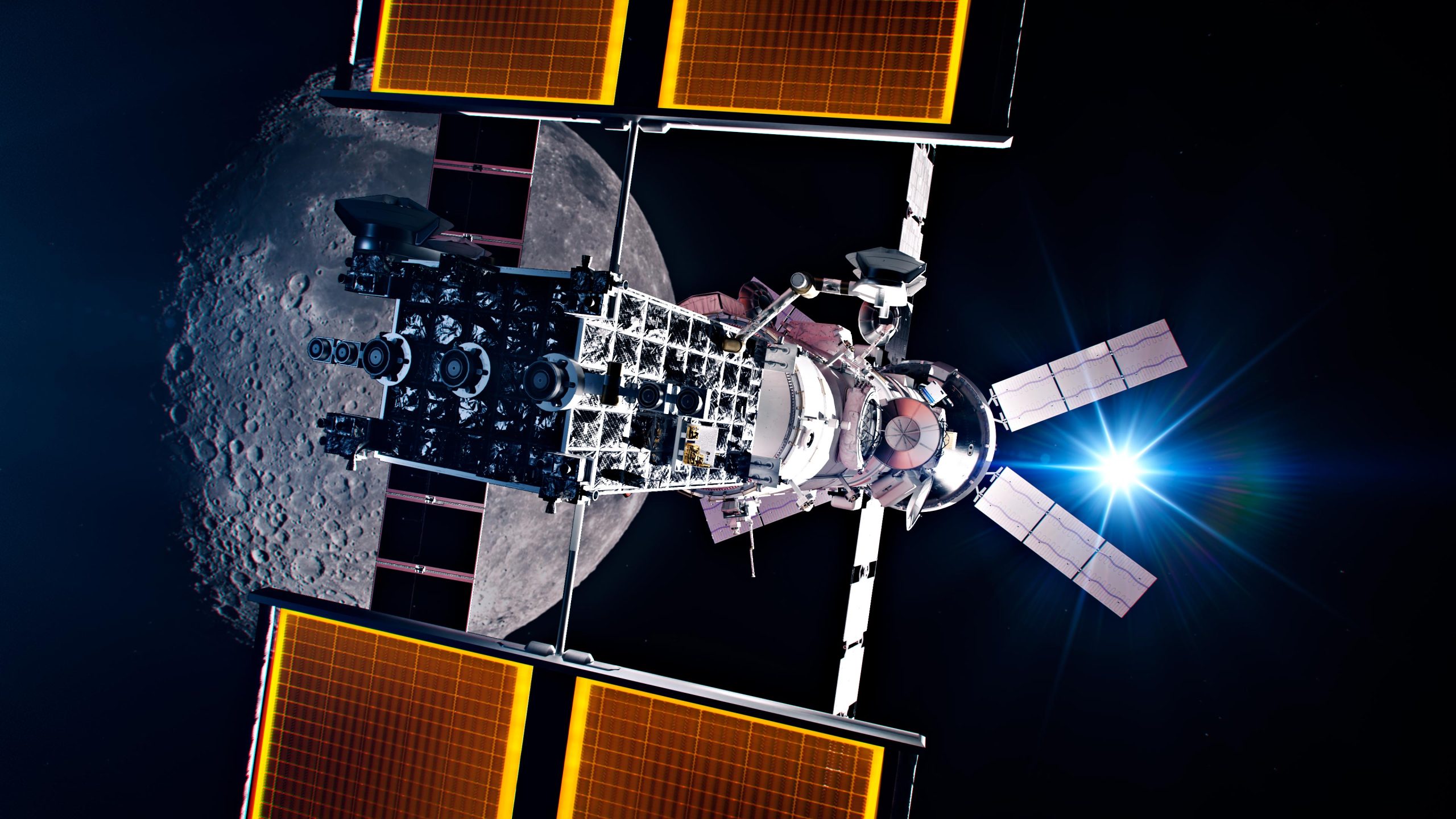
Gateway is taking shape on the ground, and engineers will connect its first two modules — the Power and Propulsion Element (PPE) built by Maxar, and the Habitation and Logistics Outpost (HALO) built by Northrop Grumman — for launch aboard a SpaceX Falcon Heavy rocket. The elements will spend about a year traveling to lunar orbit, taking advantage of highly efficient solar-electric propulsion and the gravity of the Earth, Moon, and Sun to reach its destination. Multiple scientific instruments on and in HALO and PPE will provide scientific data on radiation during transit and while Gateway is in lunar orbit.
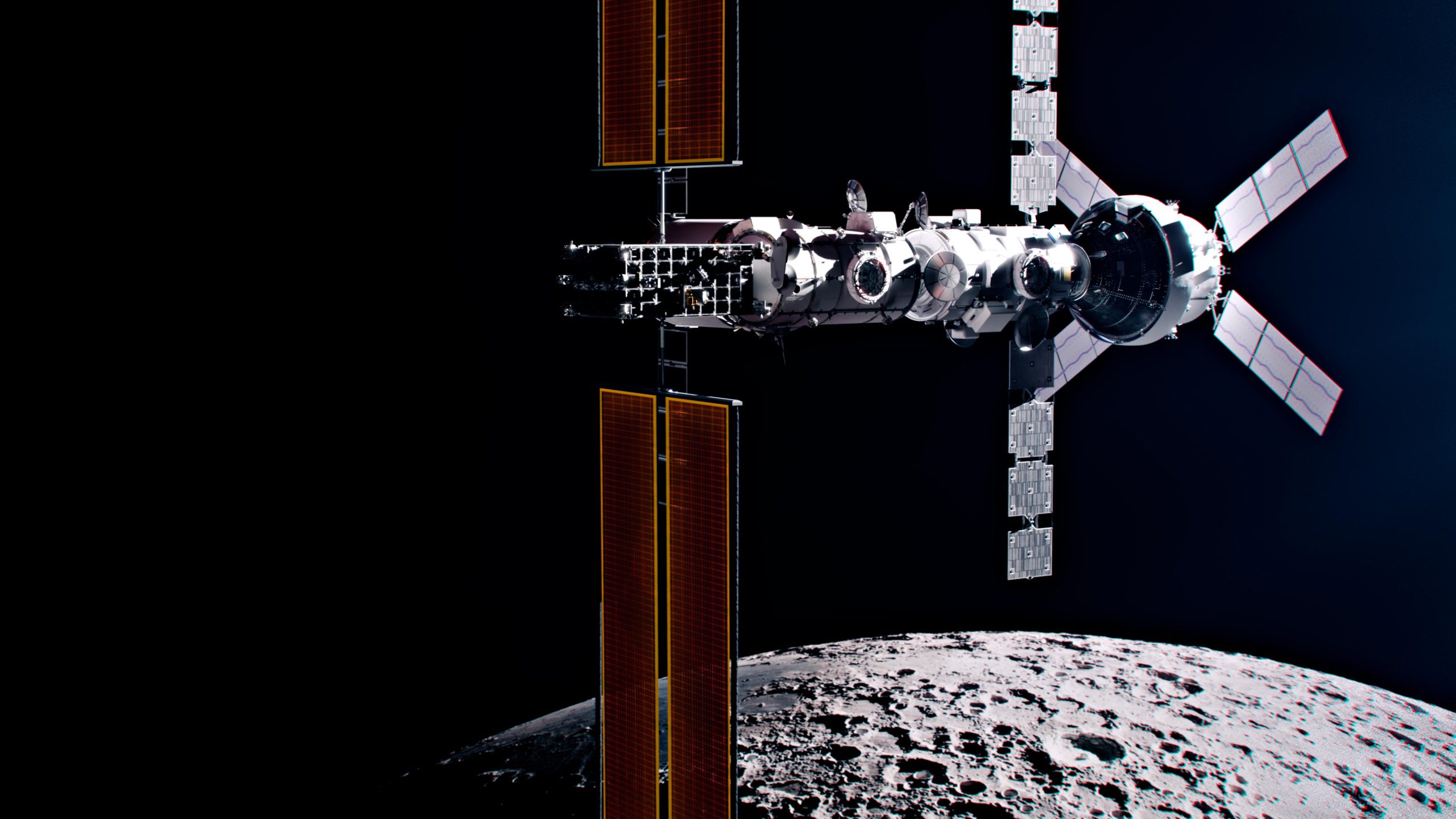
Once in its orbit around the Moon, Gateway’s computers will run through a checklist of items to prepare for the arrival of a second habitation element with the Artemis IV crew — the International Habitation module, or I-Hab, provided by ESA (European Space Agency). I-Hab will expand where Gateway’s astronauts will live, work, conduct groundbreaking science, and prepare for their lunar surface missions. I-Hab also includes the critical life support systems provided by JAXA (Japanese Space Agency) to enable longer stays aboard Gateway.
Prior to launching the crew and I-Hab with the SLS rocket, NASA and its partners will pre-position two additional spacecraft for the mission: SpaceX’s Starship Human Landing System that will carry the next-generation spacesuits for moonwalks, and the SpaceX Dragon XL logistics module carrying science experiments and other supplies for the mission. An upgraded Starship will support Artemis IV with expanded capabilities for long-term exploration and future missions, including docking with Gateway.

Bigger Boost for Crew, Moon-Bound Module
Four Artemis IV crew members will lift off from Launch Pad 39B at NASA’s Kennedy Space Center in Florida aboard the agency’s Orion spacecraft on NASA’s upgraded SLS rocket. The Block 1B version of the rocket is capable of hoisting 84,000 pounds to the Moon using a more powerful upper stage, and it also features an adapter with more than 10,000 cubic feet of space to send large cargos, such as I-Hab, to the Moon along with the crew. NASA’s new mobile launcher will accommodate the larger rocket, which will stand about 40 feet taller than current configurations, and additional weight of increased payload capacity.
After the SLS rocket completes its initial launch and ascent, the core stage will separate from the upper stage, which will remain connected to Orion and I-Hab. After the upper stage performs a translunar injection burn to set Orion and I-Hab on their path to the Moon, Orion will act as a spacefaring tugboat, flipping itself 180 degrees to extract I-Hab from the adapter using Orion’s docking system, and transporting the module to Gateway where it will connect to the lunar station’s HALO module.
Surface Operations
When Orion and I-Hab rendezvous with Gateway, Orion will maneuver I-Hab into position to dock with the HALO module. The astronauts will enter the world’s first lunar space station and fully activate its hardware and systems, and the crew also will check out the human landing system, unload supplies and science experiments from the logistics module, and prepare for their work at the Moon.
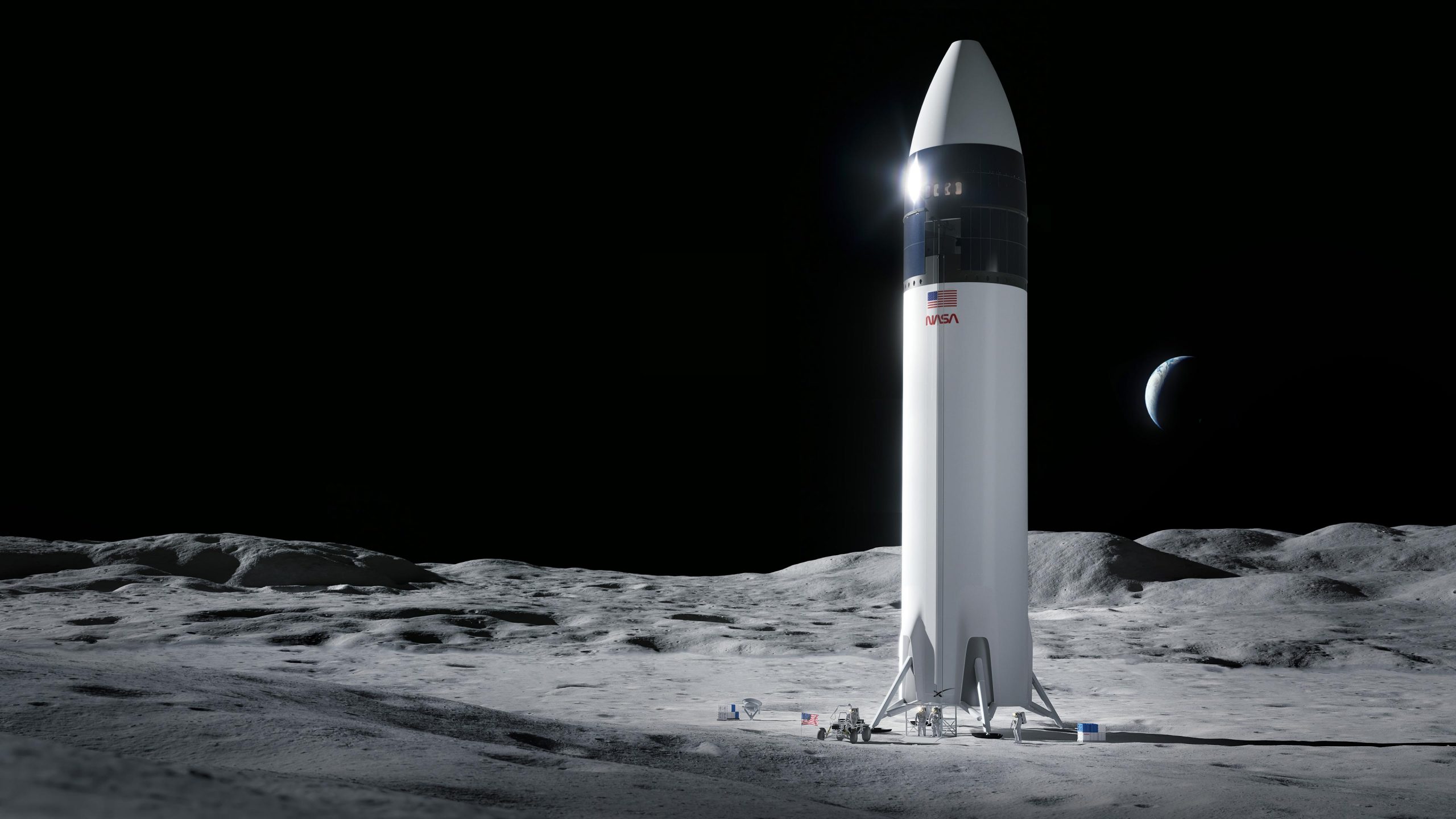
After several days of performing initial checkouts aboard Gateway and readying for the surface expedition, two crew members will enter Starship and undock to spend about six days on the lunar surface. The other pair stay at Gateway to continue setup, conduct research, and monitor surface activities.
Like on Artemis III, the astronauts will conduct several moonwalks, donning advanced spacesuits and taking Starship’s elevator down to the surface to accomplish their exploratory to-do list. The crew will conduct field geology, deploy instruments, and collect samples that will help us understand the history of our solar system.
Until Next Time (Artemis V)
With surface expeditions complete, the two astronauts will board Starship, fly back to Gateway, and all four astronauts will prepare for the quarter-million-mile journey back to Earth aboard Orion.
Prior to departing Gateway, the crew will transfer scientific samples to Orion and prepare the outpost to hum along without human tenants. Then, after reaching the optimal departure point, Orion will undock, fire its engines, and harness the Moon’s gravity to slingshot home, where recovery teams will await the crew’s return in the Pacific Ocean.
With Artemis, NASA will land the first woman, first person of color, and its first international partner astronaut on the lunar surface and establish long-term exploration for scientific discovery and to prepare for human missions to Mars. The agency’s SLS rocket, Orion spacecraft, and supporting ground systems, along with the human landing system, next-generation spacesuits and rovers, and Gateway are NASA’s foundation for deep space exploration.
Artemis IV Mission Map

Never miss a breakthrough: Join the SciTechDaily newsletter.
Follow us on Google and Google News.
2 Comments
No way they make it. No way. Too costly and unreliable. And what would the purpose even be?
We should have invested in a REAL Earth orbit space station miles in diameter before thinking about building one circling the Moon. NASA always does everything backasswards.
The Earth orbit space station would be the proper launch pad for missions to other planets. It would be a manufacturing station capable of building space ships that would never land on planets or moons. Resources for manufacturing would be gained va captured asteroids.
If the station was in geosynchronous orbit, it could also be the anchor point for a space elevator that would obsolete the need for chemical rockets to ferry materials up to the station.
NASA clearly doesn’t have enough people reading SF books and watching movies. NASA lacks imagination.
I’m somewhat surprised that neither Musk nor Bezos hasn’t announced such a plan.