
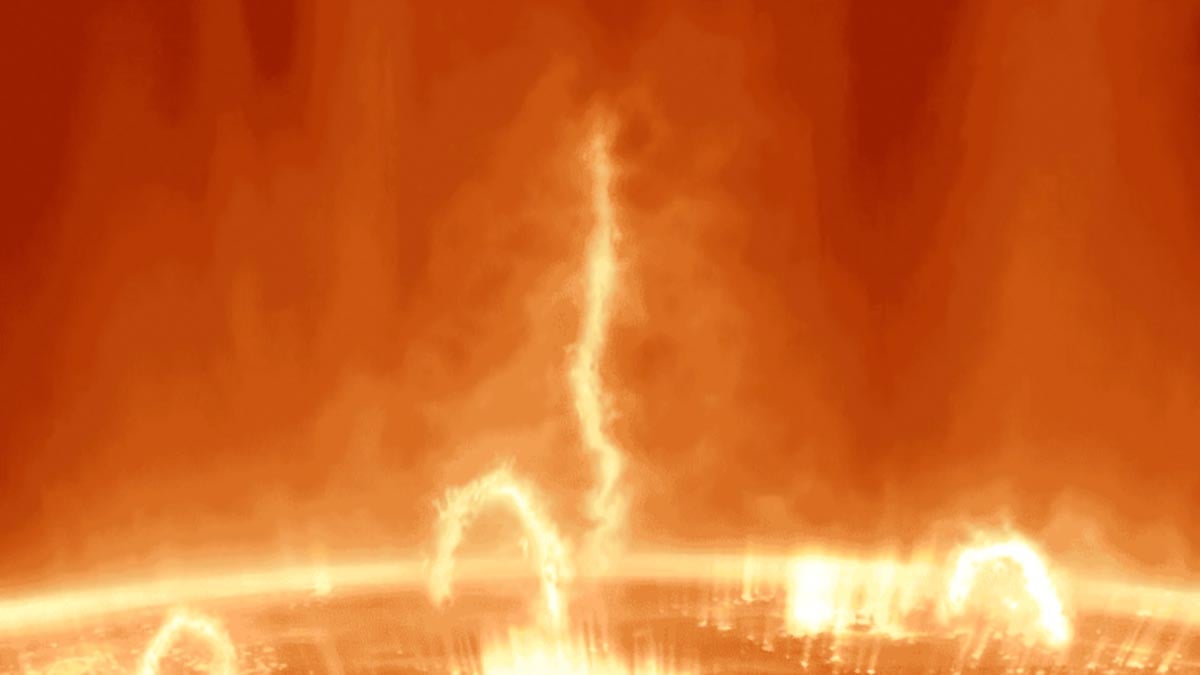
NASA’s Parker Solar Probe found that S-shaped magnetic field bends are not responsible for the sun’s corona’s extreme heat.
While these switchbacks appear in the solar wind, they are absent in the corona. This discovery challenges the idea that magnetic field collisions on the sun’s surface create switchbacks, suggesting other mechanisms at play. Further data from the probe is needed to test new hypotheses.
Parker Solar Probe Unveils Mysteries
By diving into the sun’s corona, NASA’s Parker Solar Probe has ruled out S-shaped bends in the sun’s magnetic field as a cause of the corona’s searing temperatures. This is according to University of Michigan research published on July 29 in The Astrophysical Journal Letters.
The sun’s crown-like atmosphere can be 200 times hotter than the sun’s surface, despite being farther away from the ultimate source of heat at the sun’s core. How the corona’s heat seemingly defies physics has stumped scientists for decades, yet it allows the sun’s hot soup of charged particles, or plasma, to move fast enough to escape the sun’s gravitational pull and engulf our solar system as the solar wind.
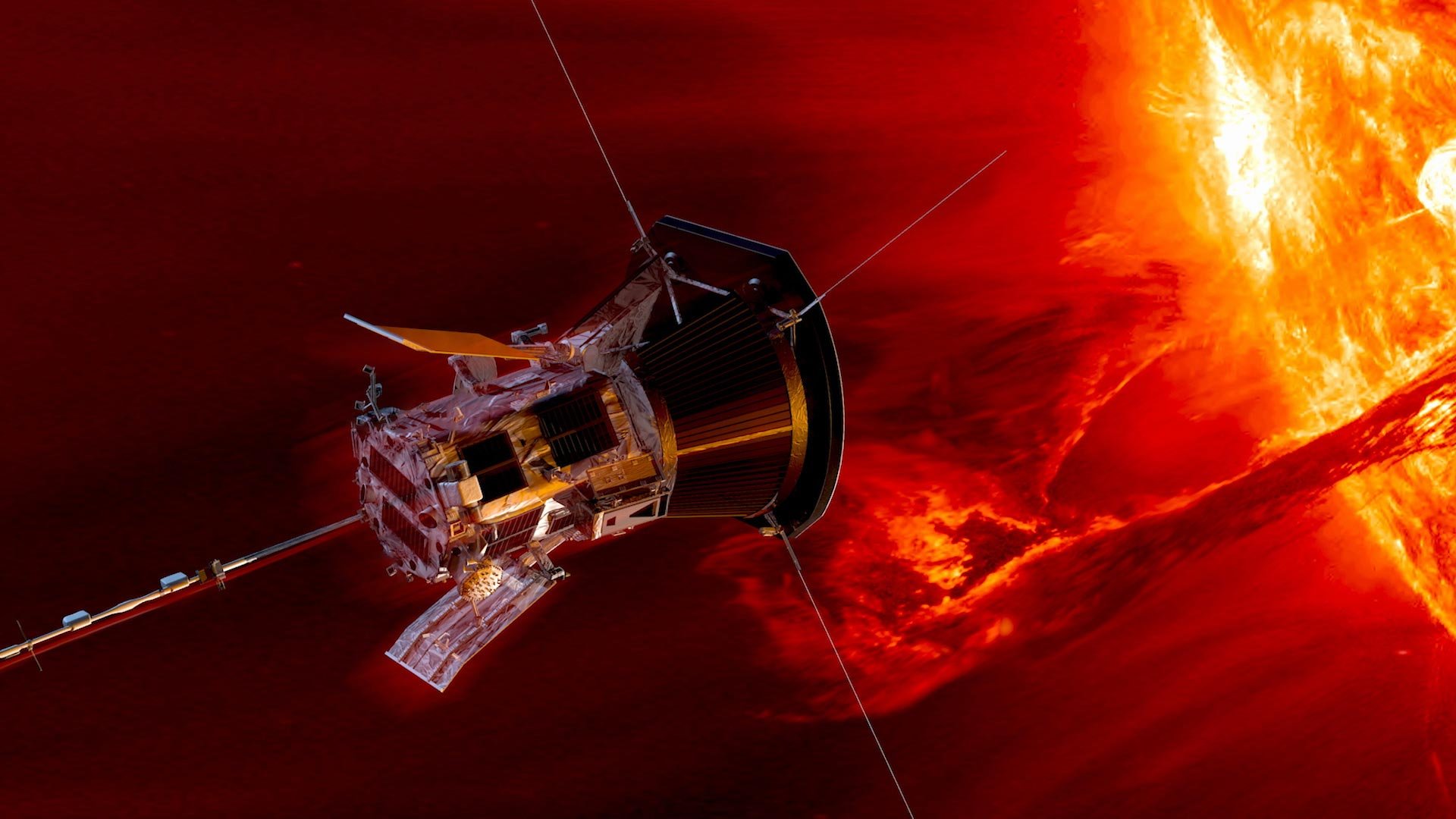
To solve the mystery, NASA built the Parker Solar Probe to dive into the corona and find its heat source. The spacecraft is equipped with a set of instruments designed by Justin Kasper, U-M professor of climate and space sciences and engineering, to directly measure the density, temperature, and flow of the corona’s plasma.
Discovering Switchbacks
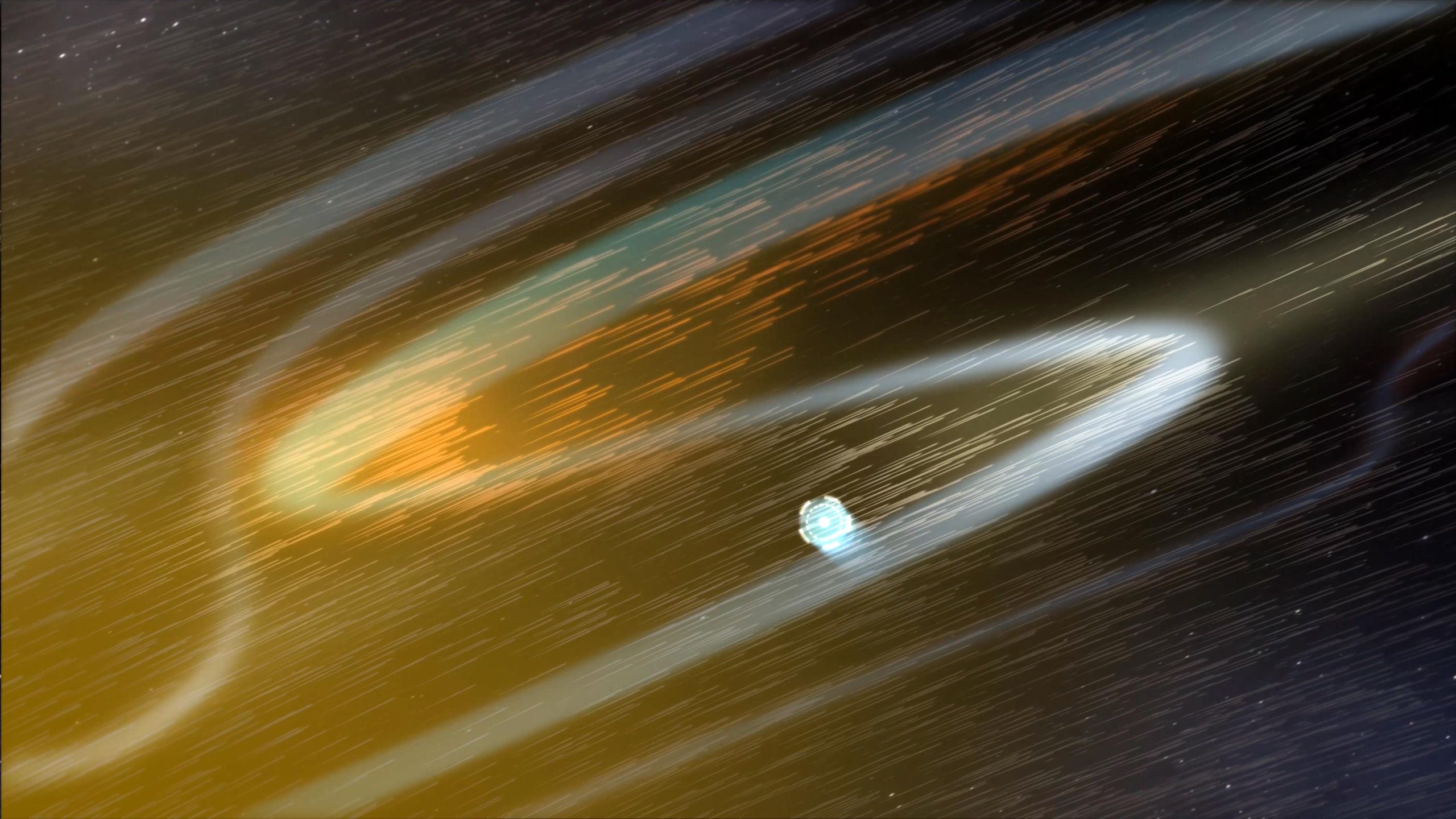
When it first approached the sun, the probe detected hundreds of S-shaped bends in the sun’s magnetic field—named switchbacks in reference to how they briefly reverse the direction of the magnetic field—along with thousands of shallower bends. To some scientists, the switchbacks seemed like promising sources of heat to the corona and solar wind. Their severe S-shape bend stored a lot of magnetic energy, which likely released into the surrounding plasma as the switchbacks traveled through space and eventually straightened out.
“That energy has to go somewhere, and it could be contributing to heating the corona and accelerating the solar wind,” said Mojtaba Akhavan-Tafti, U-M assistant research scientist of climate and space sciences and engineering and the corresponding author of the study.
But to heat the corona, switchbacks need to move through it, so learning where switchbacks form is critical for understanding their influence on the corona’s temperature. After poring over the data from the Parker Solar Probe’s first 14 laps around the sun, the research team discovered that while the S-shaped bends are common in the solar wind near the sun, they are absent inside the corona.
Competing Theories
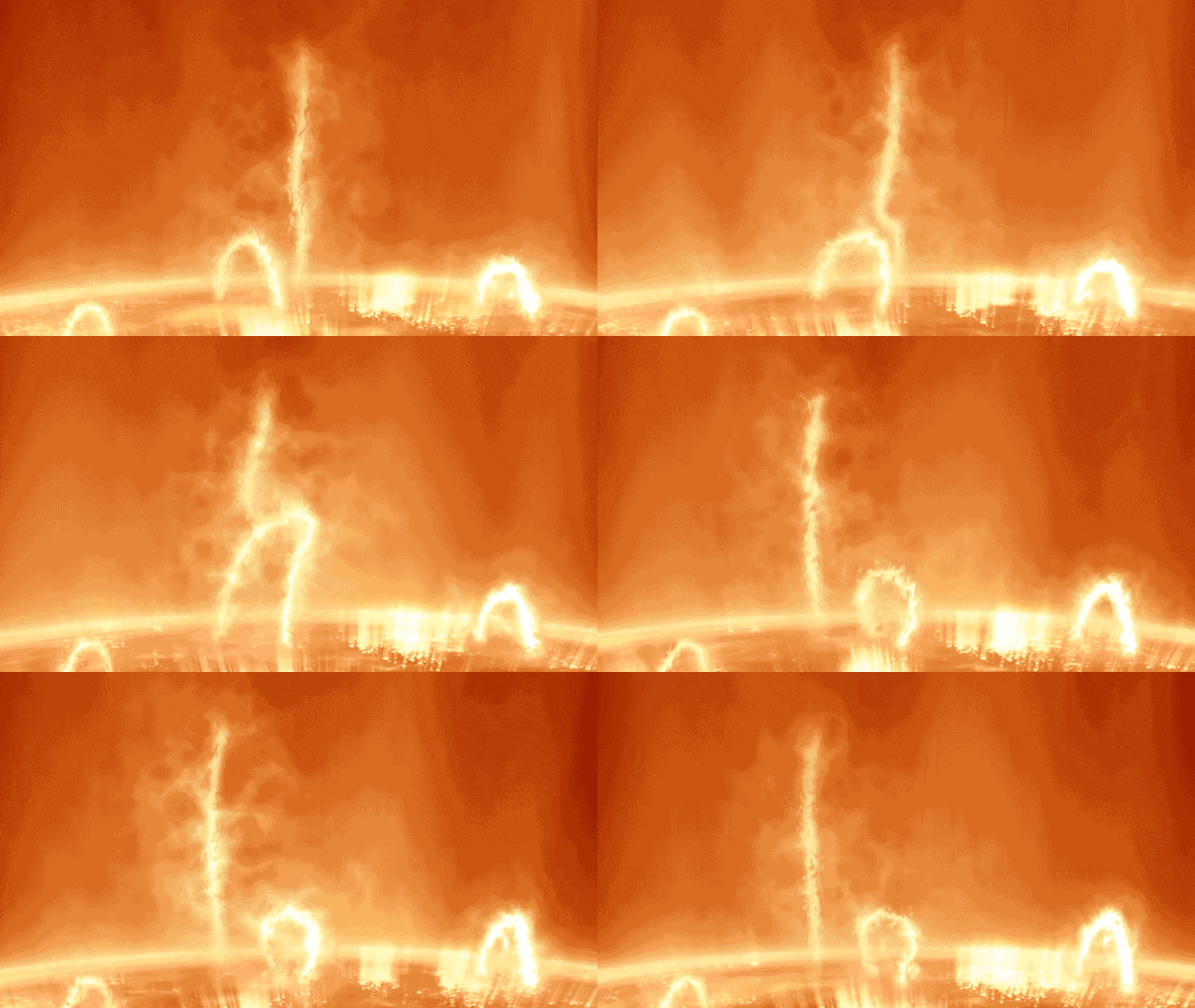
Scientists still can’t agree on what causes switchbacks. Some think that the magnetic field is bent by turbulence in the solar wind beyond the corona. Others think that switchbacks start their journey at the surface of the sun, when churning magnetic field lines and loops explosively collide and combine into bent shapes.
The study’s results rule out the latter hypothesis. If switchbacks were formed by colliding magnetic fields at the surface of the sun, they ought to be even more common inside the corona. However, Akhavan-Tafti thinks magnetic collisions could still play some indirect role in the origins of switchbacks—and the heating of the corona.
A New Theory
“Our theory could fill the gap between the two schools of thought on S-shaped switchback generation mechanisms,” Akhavan-Tafti said. “While they must be formed outside the corona, there could be a trigger mechanism inside the corona that causes switchbacks to form in the solar wind.”
When magnetic fields collide at the sun’s surface, they vibrate like plucked guitar strings and send waves along the magnetic fields into space. At the same time, the energy from the collisions creates very fast streams of plasma in the solar wind.
Akhavan-Tafti thinks the fast plasma distorts the magnetic waves into switchbacks in the solar wind. If some of those waves dissipate inside the solar atmosphere before becoming switchbacks, they could also play a part in heating the corona.
“The mechanisms that cause the formation of switchbacks, and the switchbacks themselves, could heat both the corona and the solar wind,” he said.
Future Research
There currently isn’t enough data to favor triggers at the sun’s surface over turbulence in the solar wind as the cause of switchbacks, however.
“Parker Solar Probe’s upcoming trips into the sun, as early as December 24, 2024, will collect more data even closer to the sun. We will use the data to further test our hypothesis,” Akhavan-Tafti said.
Reference: “In Situ Mechanisms are Necessary for Switchback Formation” by M. Akhavan-Tafti and S. L. Soni, 29 July 2024, The Astrophysical Journal Letters.
DOI: 10.3847/2041-8213/ad60bc
The research was funded by NASA.
Never miss a breakthrough: Join the SciTechDaily newsletter.
Follow us on Google and Google News.
1 Comment
Couldn’t it be so that the sun is permanently absorbent in order to take up something from the atmosphere around it? And that’s why these socalled outbursts are hotter than the corona?