
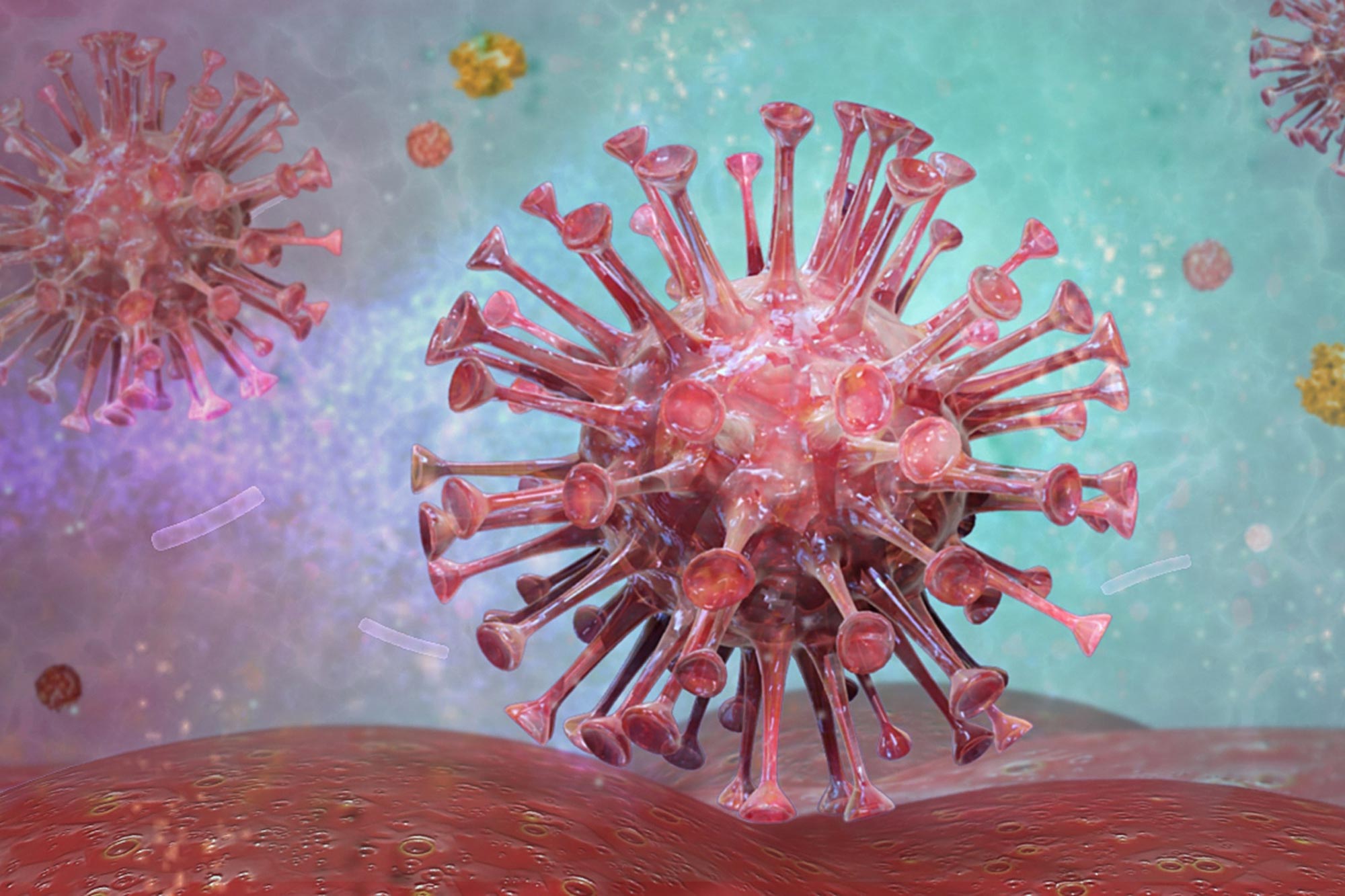
A natural vitamin A transporter, RBP4, can awaken latent HIV through NF-κB signalling, offering a new angle for cure strategies.
Human immunodeficiency virus (HIV) is a virus that attacks key immune cells, especially CD4 T cells, weakening the body’s ability to fight infections and, without treatment, potentially progressing to AIDS. One reason HIV is so hard to eliminate is that it can dodge both immune defenses and antiviral drugs by slipping into a “latent” state, where its genetic material stays tucked inside infected cells but produces little to no virus.
As long as these silent viral reservoirs persist, a true cure remains out of reach.
Researchers at Ulm University Hospital have identified a potential way to coax dormant HIV back into activity using a naturally occurring human protein called RBP4, a transporter of vitamin A—an intriguing new direction for approaches that aim to expose hidden virus so it can be targeted.
“We have discovered a natural active substance that can ‘startle’ ‘hidden’ HI viruses, making them vulnerable to the immune system,” says Professor Frank Kirchhoff, Director of the Institute of Molecular Virology at Ulm University Hospital.
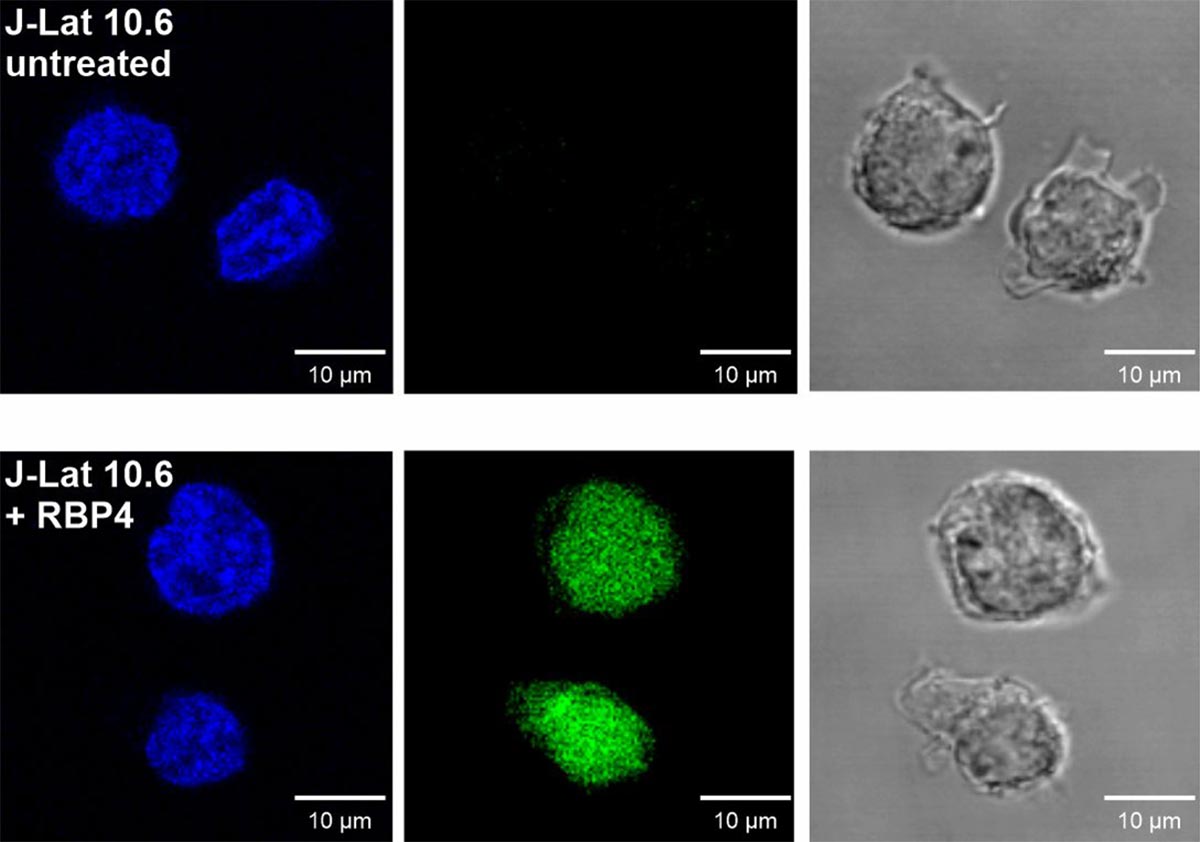
The natural active agent is the retinol-binding protein RBP4, which is known as a vitamin A transporter. Kirchhoff coordinated the study, which was recently published in the highly renowned journal Signal Transduction and Targeted Therapy.
Peptidome screening reveals RBP4 mechanism
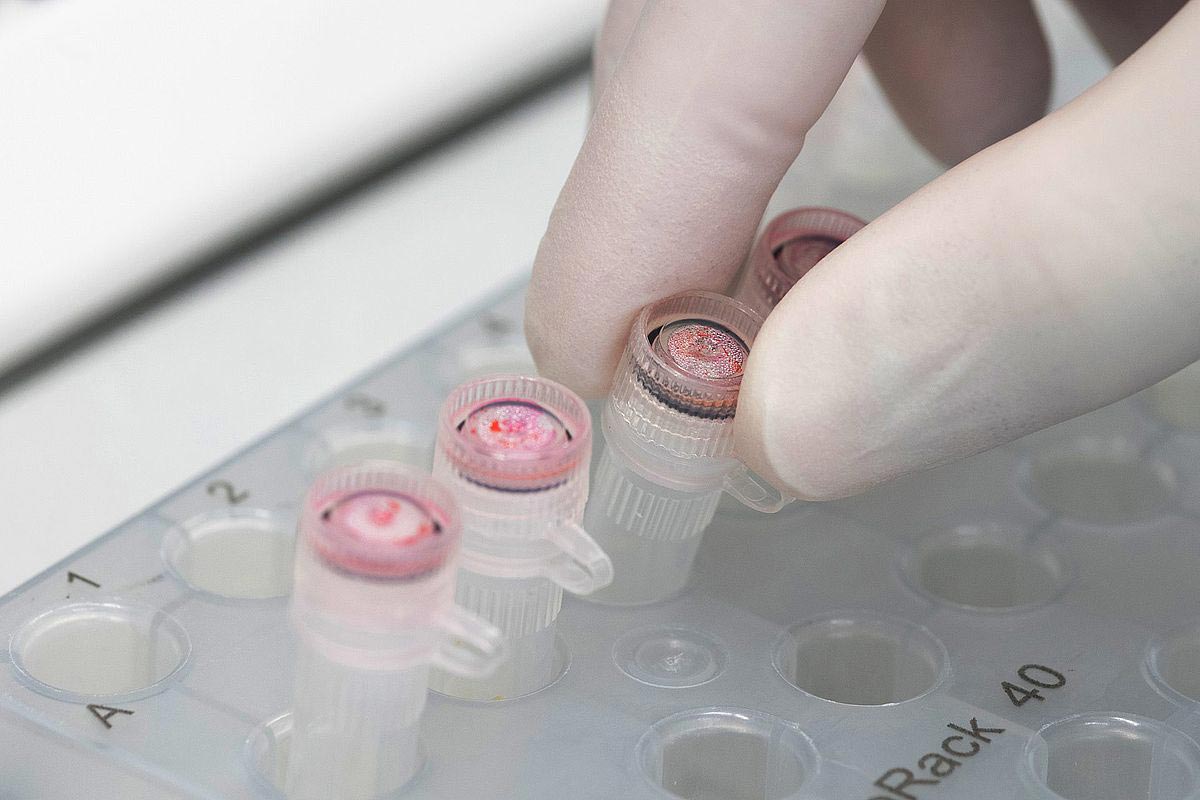
The international research team, which included scientists from the United States, Vienna, and Ulm, carried out an extensive screening of the human blood peptidome. They examined many small proteins and peptides found in human blood to determine whether any could activate latent HIV. This testing was performed using a model cell line of latently HIV infected T lymphocytes. These immune cells are essential for immune protection but are also a primary target for HI virus infection.
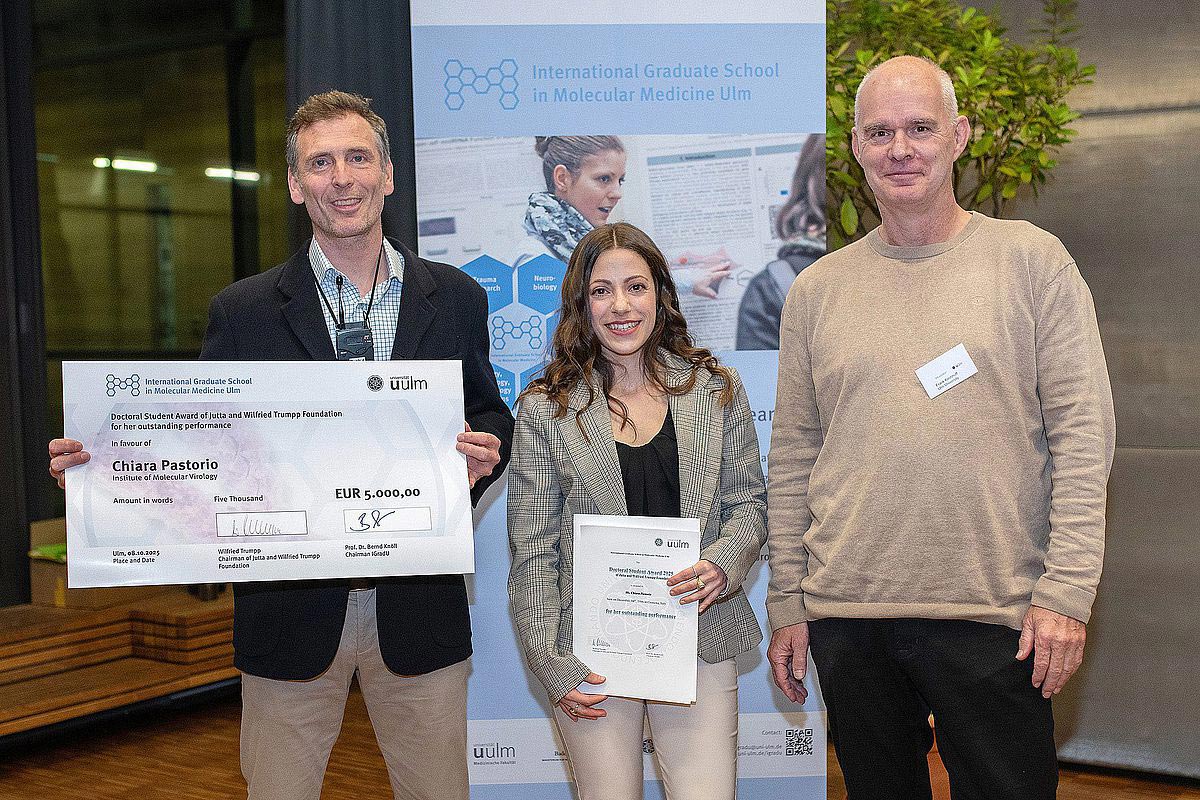
“Although the virus is inactive in the latent state, the immune cells carry the viral genetic material and can start to produce infectious viruses again even after long time periods,” explains Dr. Chiara Pastorio, a postdoctoral researcher at the Institute of Molecular Virology.
Pastorio, who recently received the Jutta and Wilfried Trumpp Foundation Prize from the International Graduate School in Molecular Medicine Ulm, is the first author of the study.
Working together with a research group in the United States, the scientists also showed that RBP4 can reverse viral latency in cells taken from HIV positive individuals whose viral load had been undetectable during long-term treatment. Levels of RBP4 that normally occur in the human body were enough to reactivate the “dormant” viruses.
The team further found that only RBP4 bound to retinol was capable of triggering this effect, while the unbound transporter protein had no impact. Retinol or retinoic acid on their own were also insufficient to reactivate the virus. Instead, the researchers demonstrated that activation of a specific signaling pathway (NF-κB), which plays an important role in immune responses and cell division and can be strengthened by additional signals, is essential for this process.

“With the retinol-binding protein RBP4, we have found a natural factor that may be capable of reactivating latent HIV reservoirs. This is a further step towards a possible cure for this insidious disease,” emphasize the Ulm researchers. The discovery could open new possibilities for the “shock-and-kill” strategy, which aims to activate “sleeping” viruses so that they can be eliminated by the immune system.
The project, which offers new therapeutic perspectives, was funded by the German Research Foundation through the Collaborative Research Centre (SFB) 1279 “Use of the human peptidome to develop new antimicrobial and anti-cancer therapeutics.” Further support came from partner institutions in Philadelphia and Vienna, as well as from the German Centre for Neurodegenerative Diseases (DZNE).
Brief Summary
Researchers at Ulm University Hospital have discovered that the endogenous protein RBP4 can activate latent HI viruses and thus bring them out of hiding. The retinol-binding protein 4 (RBP4) is known as a transporter for vitamin A.
This natural, endogenous factor for latency reversal acts in physiological concentrations and could improve the possibilities of activating and eradicating the AIDS pathogen as part of the “shock-and-kill” strategy. This opens up new perspectives on the way to a possible cure for this insidious immunodeficiency disease.
Reference: “Retinol Binding Protein 4 reactivates latent HIV-1 by triggering canonical NF-κB, JAK/STAT5 and JNK signalling” by Chiara Pastorio, Khumoekae Richard, Shariq Usmani, Ann-Kathrin Kissmann, Grigory Bolotnikov, Guillermo Gosálbez, Manuel Hayn, Lennart Koepke, Alina Sauertnik, Andrea Preising, Nico Preising, Ludger Ständker, Matthew Fair, Jessicamarie Morris, Emmanouil Papasavvas, Qin Liu, Honghong Sun, Armando Rodríguez, Karam Mounzer, Sebastian Wiese, Pablo Tebas, Yangzhu Du, Gregory M. Laird, Markus Jaritz, Frank Rosenau, Moritz M. Gaidt, Konstantin M. J. Sparrer, Luis J. Montaner and Frank Kirchhoff, 3 October 2025, Signal Transduction and Targeted Therapy.
DOI: 10.1038/s41392-025-02424-3
Never miss a breakthrough: Join the SciTechDaily newsletter.
Follow us on Google and Google News.