

Boosting Klotho protein levels in mice improves physical and cognitive aging, offering potential for future longevity therapies.
A global research effort led by the Institut de Neurociències at the Universitat Autònoma de Barcelona (INc-UAB) has demonstrated that elevating levels of the Klotho protein in mice can extend their lifespan and enhance both physical and cognitive function as they age.
With aging, it is common for individuals to experience a decline in muscle and bone density, which increases the likelihood of frailty, falls, and serious injuries. At the same time, neurons gradually deteriorate and lose their connections, contributing to cognitive decline and raising the risk of neurodegenerative diseases like Alzheimer’s and Parkinson’s. As life expectancy continues to rise, finding ways to counteract these age-related changes has become a major focus of scientific research.
Testing Klotho’s effects through gene therapy
In a recent study published in Molecular Therapy, an international team of scientists led by Professor Miguel Chillón, an ICREA researcher at the Institut de Neurociències of the Universitat Autònoma de Barcelona (INc-UAB), demonstrated that boosting levels of the secreted form of the Klotho protein (s-KL) can promote healthier aging in mice.
Using gene therapy vectors, the researchers modified the animals’ cells to produce higher amounts of s-KL. By the time the mice reached 24 months of age—approximately equivalent to 70 human years—the treated group showed notable improvements in muscle strength, bone density, and cognitive performance.
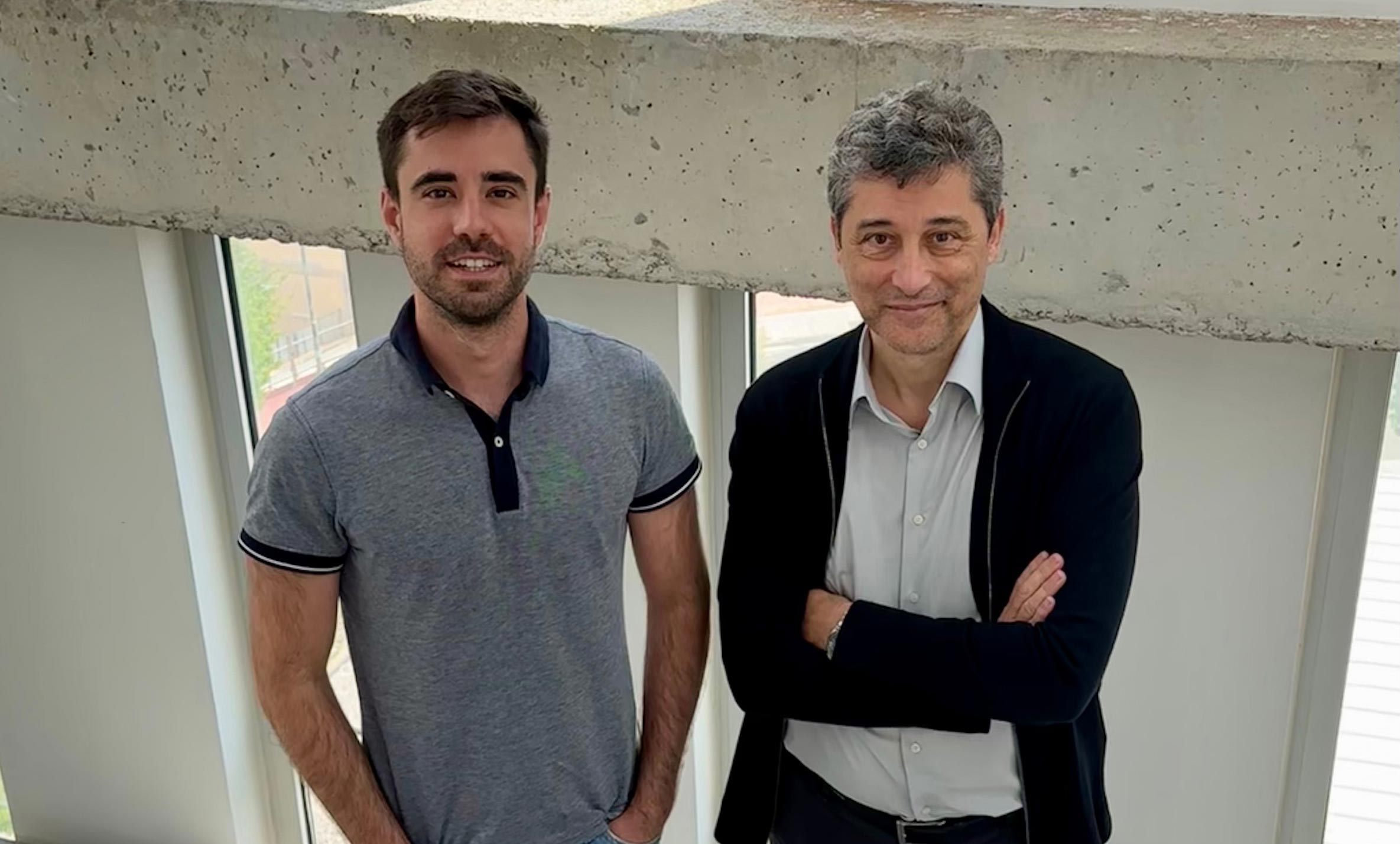
“We have been working with the Klotho protein for some time, due to its therapeutic potential for treating neurodegenerative diseases. In this study, we wanted to see whether s-KL could also be beneficial for healthy aging by examining a broad range of factors,” explains Miguel Chillón.
Lifespan increase and physical improvements
Mice that received s-KL treatment lived 15 to 20 percent longer and showed enhanced physical abilities, including larger muscle fibers and reduced fibrosis, which are signs of improved muscle health. The researchers also observed better bone quality, especially in female mice, where the internal bone architecture (trabeculae) was better maintained, pointing to a potential protective effect against osteoporosis.
In the brain, s-KL treatment stimulated the formation of new neurons and boosted immune activity in the hippocampus, indicating possible benefits for cognitive function.
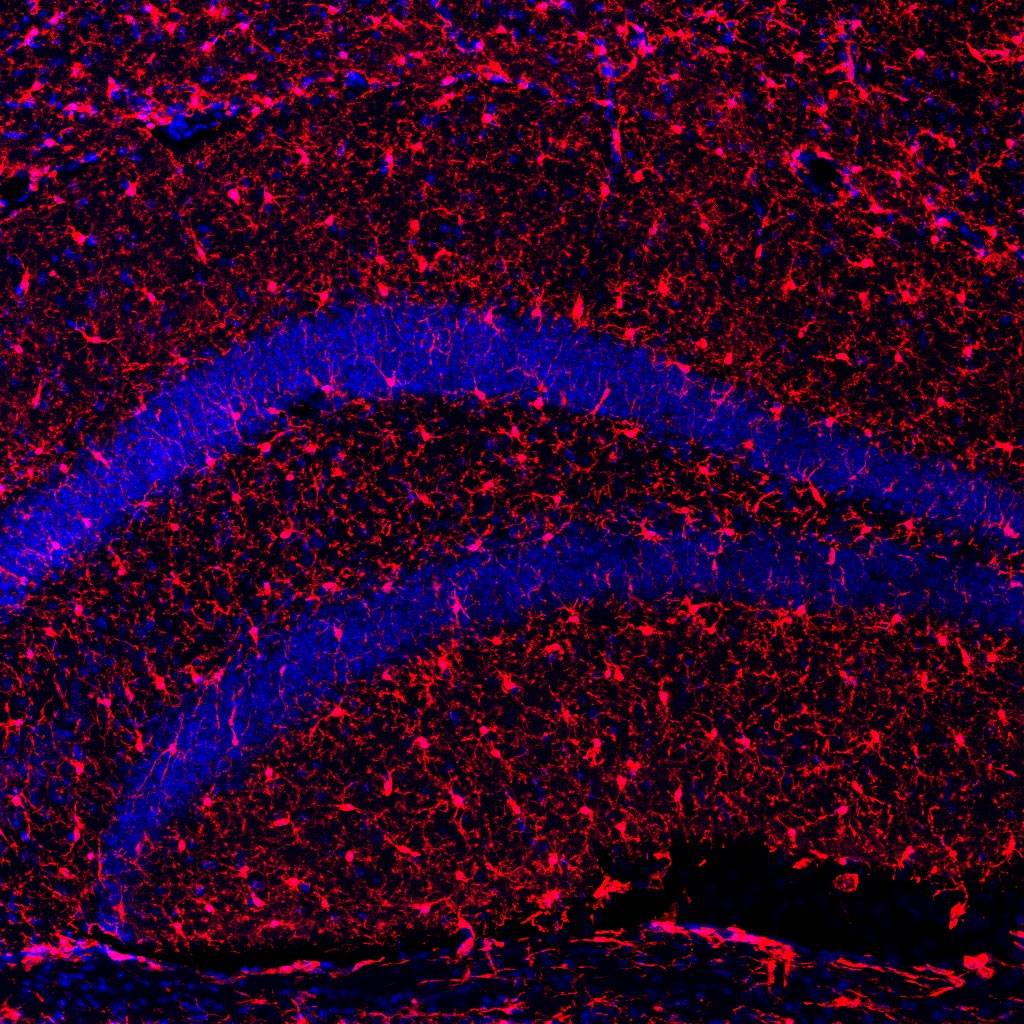
The viral vector treatment works by introducing copies of the gene encoding the desired protein into the body’s cells, so that they can start producing it on their own. In the mice, these vectors were administered intravenously and directly into the brain to ensure that brain cells also produced s-KL.
“We now have viral vectors that can reach the brain after being administered intravenously, which would make it easier to safely transfer this therapy to humans. Another option would be to administer the protein directly as a drug instead of using viral vectors, but we still need to find an efficient way to deliver it and ensure it reaches the target organs,” explains Joan Roig-Soriano, INc-UAB researcher and first author of the article.
Patents pave the way for longevity therapies
The research group had already patented the use of Klotho to treat cognitive deficits, and following this study, three new patents were filed. These patents protect the use of Klotho for treating bone and muscle deficits, as well as for developing therapies aimed at increasing longevity.
“If we can find a viable delivery method, s-KL could make a significant contribution to improving people’s quality of life and helping to build the healthiest society possible,” the researchers conclude.
Reference: “Long-term effects of s-KL treatment in wild-type mice: Enhancing longevity, physical well-being, and neurological resilience” by Joan Roig-Soriano, Ángel Edo, Sergi Verdés, Carlos Martín-Alonso, Cristina Sánchez-de-Diego, Laura Rodriguez-Estevez, Antonio L. Serrano, Carmela R. Abraham, Assumpció Bosch, Francesc Ventura, Bryen A. Jordan, Pura Muñoz-Cánoves and Miguel Chillón, 22 February 2025, Molecular Therapy.
DOI: 10.1016/j.ymthe.2025.02.030
Never miss a breakthrough: Join the SciTechDaily newsletter.
Follow us on Google and Google News.
2 Comments
This may all be well and good for mice, but as a society, we have determined that we neither want or need Anti-Aging science. We want to defund science and erode it so that we don’t have to think about it much. That way it won’t conflict with religion. We have decided that we would much prefer a theocracy, in which the only real goal is to die and go to heaven, where we can ascend into heaven and sit on the right hand of God the father Almighty. We can well imagine what he’s doing with his left hand. Once there we can sit and sit and sit and sit and sit and sit and sit. Ah, Heaven! Doesn’t that sound great?
The notion of a collective preference for theocracy is not accurate; in fact, the concept raises significant questions and may not align with rational discourse. It is essential to engage in discussions grounded in empirical evidence, as scientific inquiry provides a robust framework for understanding our world. In contrast, theological perspectives often rely solely on faith. Engaging in evidence-based dialogue is crucial for fostering informed decision-making and understanding.