
Close Menu
    Facebook X (Twitter) Instagram
    SciTechDaily
    • Biology
    • Chemistry
    • Earth
    • Health
    • Physics
    • Science
    • Space
    • Technology
    Facebook X (Twitter) Pinterest YouTube RSS
    SciTechDaily
    Home»Health»One in Twenty Achieve Remission From Type 2 Diabetes – Understanding the Factors Involved Could Help Others
    Health

    One in Twenty Achieve Remission From Type 2 Diabetes – Understanding the Factors Involved Could Help Others

    By PLOSNovember 2, 20211 Comment3 Mins Read
    Facebook Twitter Pinterest Telegram LinkedIn WhatsApp Email Reddit
    Share
    Facebook Twitter LinkedIn Pinterest Telegram Email Reddit
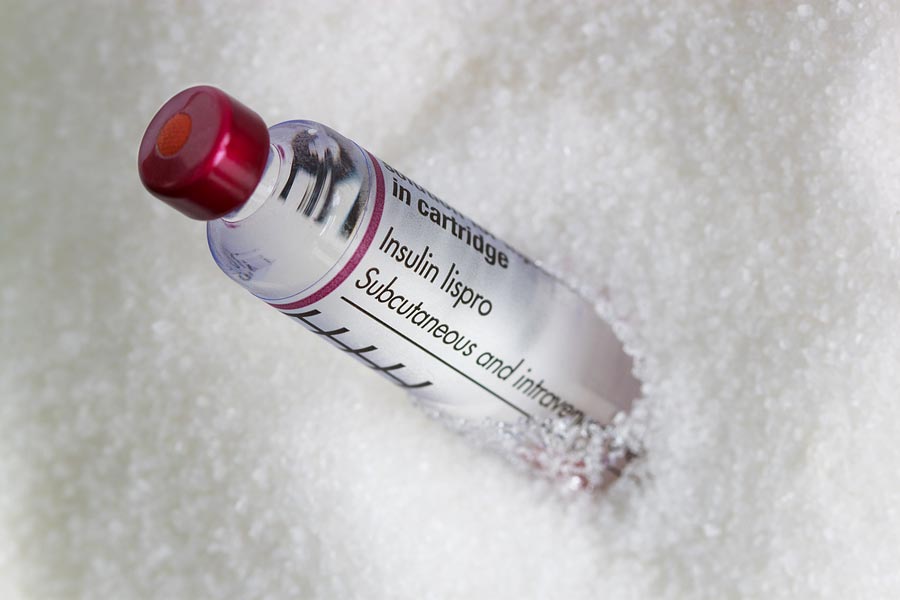
    Insulin Lispro
    The Balancing Act of the Diabetic. Credit: Sprogz, Flickr, CC BY 2.0

    Around one in twenty people in Scotland diagnosed with type 2 diabetes achieve remission from the disease, according to research publishing today (November 2nd, 2021) in the open-access journal PLOS Medicine. This suggests people are achieving remission outside of research trials and without bariatric surgery. Recognizing individuals in remission, following their progress, and better understanding the factors involved in remission could lead to improved initiatives to help others.

    There were an estimated 463 million people with diabetes in the world in 2019, of whom 90-95% have type 2 diabetes, and these numbers are rising due to aging populations, growing obesity, and sedentary lifestyles. Some people with type 2 diabetes have achieved remission after bariatric surgery, or after taking part in a research trial of a very low-calorie diet, but it is unknown how many people in the general population are in remission. Using a national register of people with type 2 diabetes in Scotland, Mireille Captieux at the University of Edinburgh and colleagues estimated how many people were in remission in 2019 and described the characteristics of those in remission and not in remission.

    Of 162,316 patients aged over 30 years who were eligible for the analysis, 7,710 — around 5% — were in remission in 2019. Individuals in remission tend to have not previously taken glucose-lowering medication; have lost weight since their diagnosis; be older; have lower blood sugar levels at diagnosis; or have had bariatric surgery. Understanding how many individuals are in remission, as well as their characteristics, creates a baseline against which to evaluate future initiatives and studies. It could also help clinicians identify patients with whom to discuss remission and weight management options.

    Captieux adds, “We have been able to show, for the first time, that 1 in 20 people in Scotland with type 2 diabetes achieve remission. This is higher than expected and indicates a need for updated guidelines to support clinicians in recognizing and supporting these individuals.”

    Reference: “Epidemiology of type 2 diabetes remission in Scotland in 2019: A cross-sectional population-based study” by Mireille Captieux, Kelly Fleetwood, Brian Kennon, Naveed Sattar, Robert Lindsay, Bruce Guthrie and Sarah H. Wild, on behalf of the Scottish Diabetes Research Network Epidemiology Group, 2 November 2021, PLOS Medicine.
    DOI: 10.1371/journal.pmed.1003828

    Funding: MC was funded by Chief Scientist Office CAF 18/12. The funders had no role in the study design, data collection, analysis, decision to publish, or preparation of the manuscript.

    Never miss a breakthrough: Join the SciTechDaily newsletter.
    Follow us on Google and Google News.

    Diabetes Insulin Obesity PLOS
    Share. Facebook Twitter Pinterest LinkedIn Email Reddit

    Related Articles

    Scientists Discover Simple Saliva Test That Reveals Hidden Diabetes Risk

    Better Than Metformin: New Diabetes Wonder-Drug Slashes Fat and Blood Sugar

    Challenging Long-Held Beliefs: Researchers Flip the Script on How Obesity Causes Diabetes

    Scientists Discover Direct Link Between High Insulin Levels and Pancreatic Cancer

    Neuronal Nightmare: The Troubling Connection Between Sugar, Obesity, and Brain Degeneration

    Why Do Obese People Have a Higher Risk of Diabetes? New Study Provides Clues

    Why Do Only Some People Get Type 2 Diabetes? A Study Sheds New Light

    Asthma Drug May Lead to New Treatments for Diabetes and Obesity

    Worldwide Rise in Type 1 Diabetes Could Be Linked to Obesity

    1 Comment

    1. Chris on March 6, 2022 1:51 am

      The big fat lie pushed by the pharmaceutical companies is that type 2 diabetes is a progressive disease. After some fasting, keto/ carnivore diet and one meal a day (OMAD) it is in remission.

      Reply
    Leave A Reply Cancel Reply

    • Facebook
    • Twitter
    • Pinterest
    • YouTube

    Don't Miss a Discovery

    Subscribe for the Latest in Science & Tech!

    Trending News

    New Study Reveals Why Ozempic Works Better for Some People Than Others

    Climate Change Is Altering a Key Greenhouse Gas in a Way Scientists Didn’t Expect

    New Study Suggests Gravitational Waves May Have Created Dark Matter

    Scientists Discover Why the Brain Gets Stuck in Schizophrenia

    Scientists Engineer “Tumor-Eating” Bacteria That Devour Cancer From Within

    Even “Failed” Diets May Deliver Long-Term Health Gains, Study Finds

    NIH Scientists Discover Powerful New Opioid That Relieves Pain Without Dangerous Side Effects

    Collapsing Plasma May Hold the Key to Cosmic Magnetism

    Follow SciTechDaily
    • Facebook
    • Twitter
    • YouTube
    • Pinterest
    • Newsletter
    • RSS
    SciTech News
    • Biology News
    • Chemistry News
    • Earth News
    • Health News
    • Physics News
    • Science News
    • Space News
    • Technology News
    Recent Posts
    • 35-Million-Year-Old Mystery: Strange Arachnid Discovered Preserved in Amber
    • Revolutionary Gas Turbine Generates Power Without Air Compression
    • Is AI Really Just a Tool? It Could Be Altering How You See Reality
    • JWST Reveals a “Forbidden” Planet With a Baffling Composition
    • New Research Challenges 30-Year-Old Theory of Eye Development
    Copyright © 1998 - 2026 SciTechDaily. All Rights Reserved.
    • Science News
    • About
    • Contact
    • Editorial Board
    • Privacy Policy
    • Terms of Use

    Type above and press Enter to search. Press Esc to cancel.