
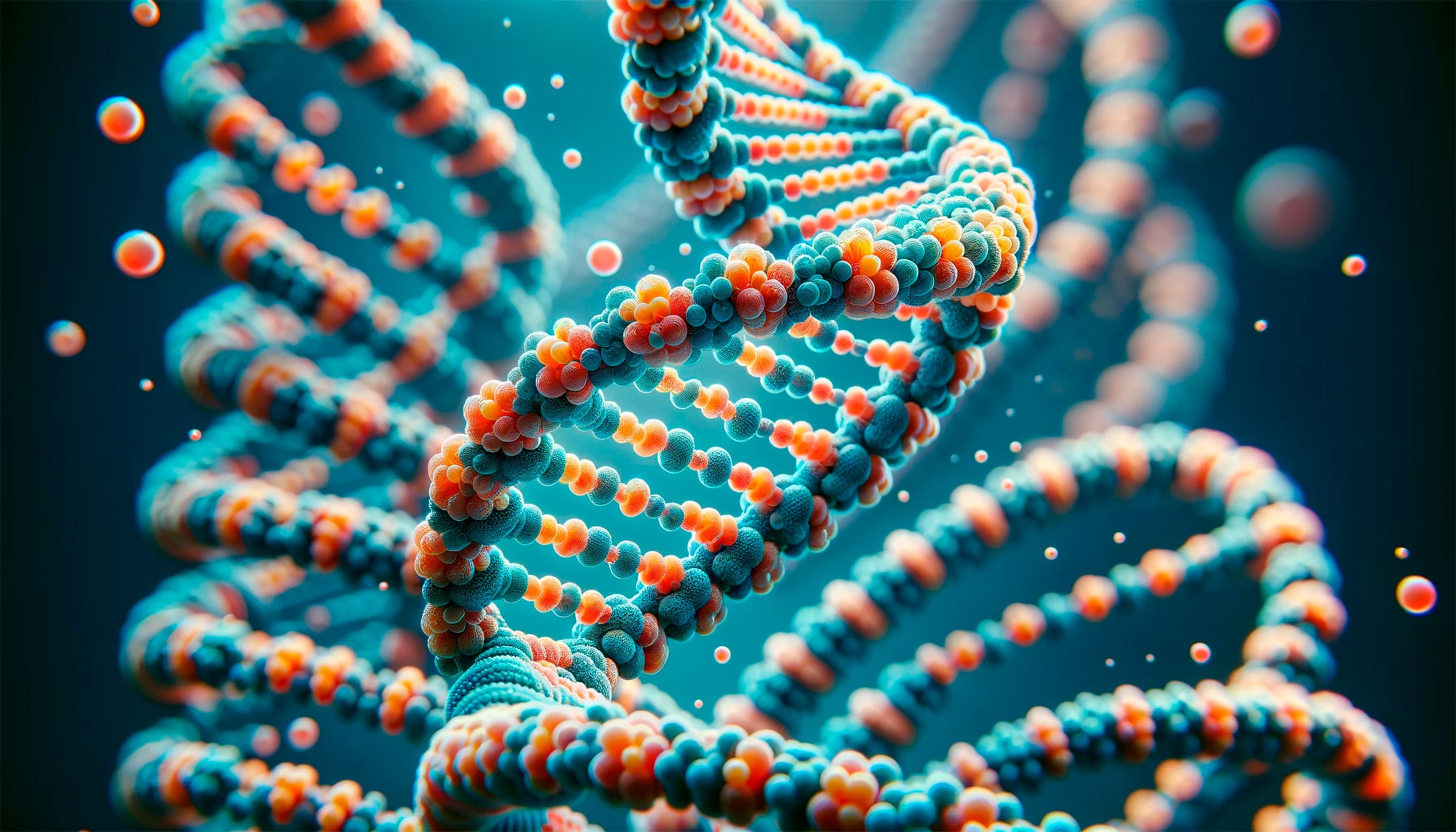
USC Dornsife’s CReATiNG technique revolutionizes synthetic biology by facilitating the cost-effective construction of synthetic chromosomes, promising significant advancements in various scientific and medical fields.
A groundbreaking new technique invented by researchers at the USC Dornsife College of Letters, Arts and Science may revolutionize the field of synthetic biology. Known as CReATiNG (Cloning Reprogramming and Assembling Tiled Natural Genomic DNA), the method offers a simpler and more cost-effective approach to constructing synthetic chromosomes. It could significantly advance genetic engineering and enable a wide range of advances in medicine, biotechnology, biofuel production, and even space exploration.
Simplifying Chromosome Construction
CReATiNG works by cloning and reassembling natural DNA segments from yeast, allowing scientists to create synthetic chromosomes that can replace their native counterparts in cells. The innovative technique enables researchers to combine chromosomes between different yeast strains and species, change chromosome structures, and delete multiple genes simultaneously.
Lead researcher Ian Ehrenreich, professor of biological sciences at USC Dornsife, said the method is a major improvement over current technology. “With CReATiNG, we can genetically reprogram organisms in complex ways previously deemed impossible, even with new tools like CRISPR,” he said. “This opens up a world of possibilities in synthetic biology, enhancing our fundamental understanding of life and paving the way for groundbreaking applications.”
The study will be published today (December 20) in the journal Nature Communications.

A Leap Forward in Genetic Engineering
The field of synthetic biology has emerged as a way for scientists to take control of living cells, such as yeast and bacteria, to better understand how they work and to enable them to produce useful compounds, such as new medicines.
“Over the last decade or so, a new form of synthetic biology has emerged called synthetic genomics, which involves synthesizing whole chromosomes or entire genomes of organisms,” Ehrenreich said. “The thing about most synthetic genomics research is that it involves building chromosomes or genomes from scratch using chemically synthesized DNA pieces. This is a ton of work and extremely expensive.”
However, there have been no alternatives — until now. “CReATiNG offers an opportunity to use natural pieces of DNA as parts to assemble whole chromosomes,” said Agilent postdoctoral fellow Alessandro Coradini, who was study first author.
The method makes advanced genetic research more accessible by significantly lowering costs and technical barriers so scientists can unlock new solutions to some of the most pressing challenges in science and medicine today.
CReATiNG Could Help Medicine, Space Exploration, and More
The findings are particularly significant for their potential applications in biotechnology and medicine. CReATiNG could lead to more efficient production of pharmaceuticals and biofuels, aid in the development of cell therapies for diseases like cancer, and pave the way to methods of environmental bioremediation, such as creating bacteria that consume pollutants.
The method might even extend to helping humans live for long periods in space or other harsh environments. Scientists could one day use CReATiNG to develop microorganisms or plants that could thrive in space stations or during long-distance space travel, though the researchers caution that this would require much future research.
One of the most striking aspects of the study, according to the researchers, is how rearranging chromosome segments in yeast can alter their growth rates, with some modifications resulting in up to a 68% faster or slower growth. This discovery highlights the profound impact that genetic structure can have on biological function and opens up new research pathways to further explore these relationships.
Reference: “Building synthetic chromosomes from natural DNA” by Alessandro L. V. Coradini, Christopher Ne Ville, Zachary A. Krieger, Joshua Roemer, Cara Hull, Shawn Yang, Daniel T. Lusk and Ian M. Ehrenreich, 20 December 2023, Nature Communications.
DOI: 10.1038/s41467-023-44112-2
In addition to Ehrenreich and Coradini, authors on the study include Christopher Ne Ville, Zachary Krieger, Joshua Roemer, Cara Hull, Shawn Yang and Daniel Lusk, all of USC Dornsife.
The study was supported by National Science Foundation grant 2124400, National Institutes of Health grant R35GM130381 and an Agilent Postdoctoral Fellowship.
Never miss a breakthrough: Join the SciTechDaily newsletter.
Follow us on Google and Google News.