
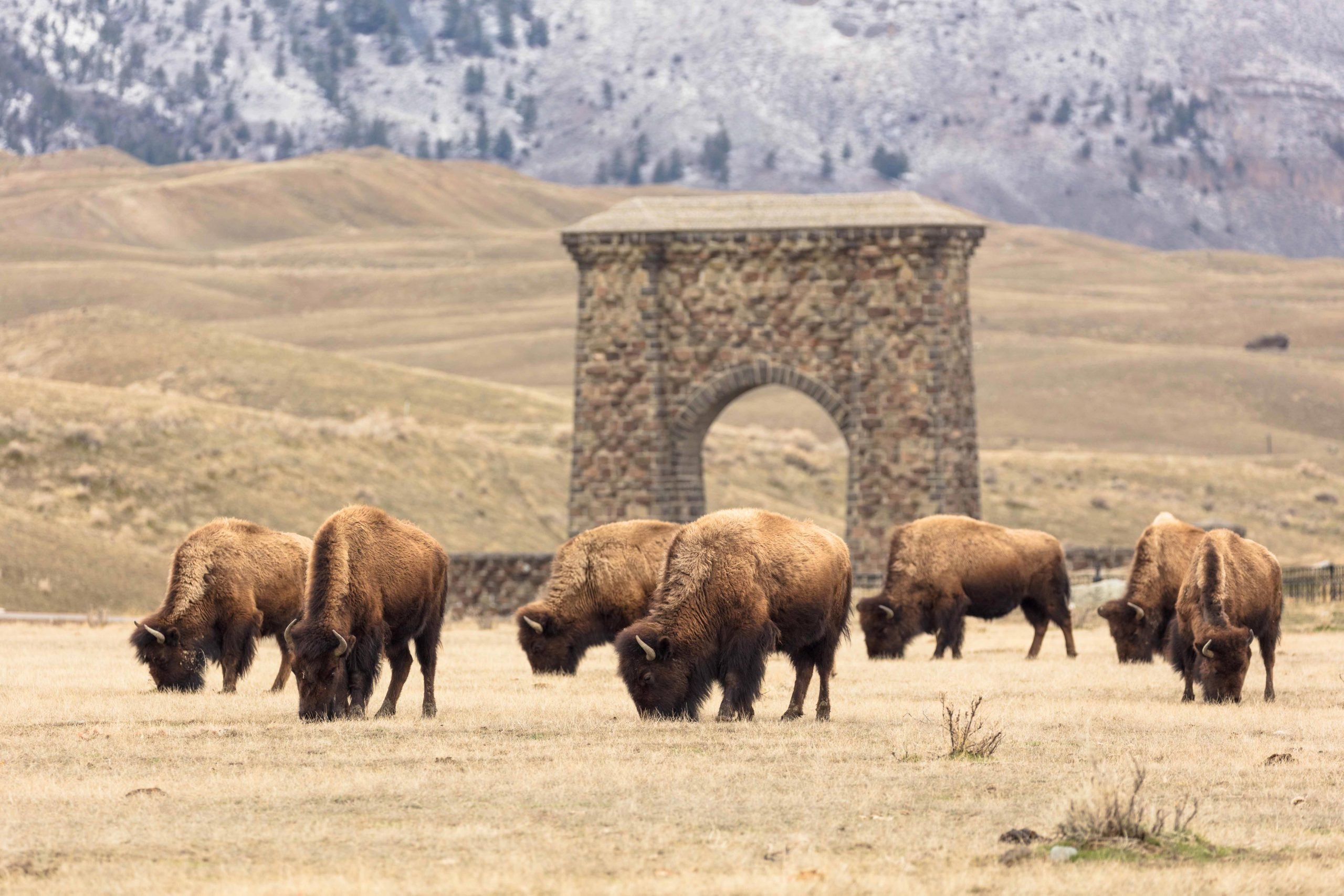
Bison migrations enrich soil and plant nutrition. Their grazing enhances ecosystem diversity.
On Aug. 28, researchers from Washington and Lee University, the National Park Service, and the University of Wyoming published a study in Science that highlights the ecological benefits of bison recovery in Yellowstone National Park.
Bill Hamilton, John T. Perry Jr. Professor in Research Science at Washington and Lee University, and Chris Geremia, a National Park Service scientist at Yellowstone, were co-first authors, joined by Jerod Merkle, associate professor and Knobloch Professor in Migration Ecology and Conservation at the University of Wyoming.
Although interest in restoring bison across North America is growing, most projects focus on small, managed herds. This leaves unanswered questions about the ecological role of large, free-ranging herds. To address this, Geremia, Hamilton, and Merkle studied Yellowstone’s bison, particularly their grazing behavior in river valleys during the spring and summer months.
Migration, grazing and nutrition
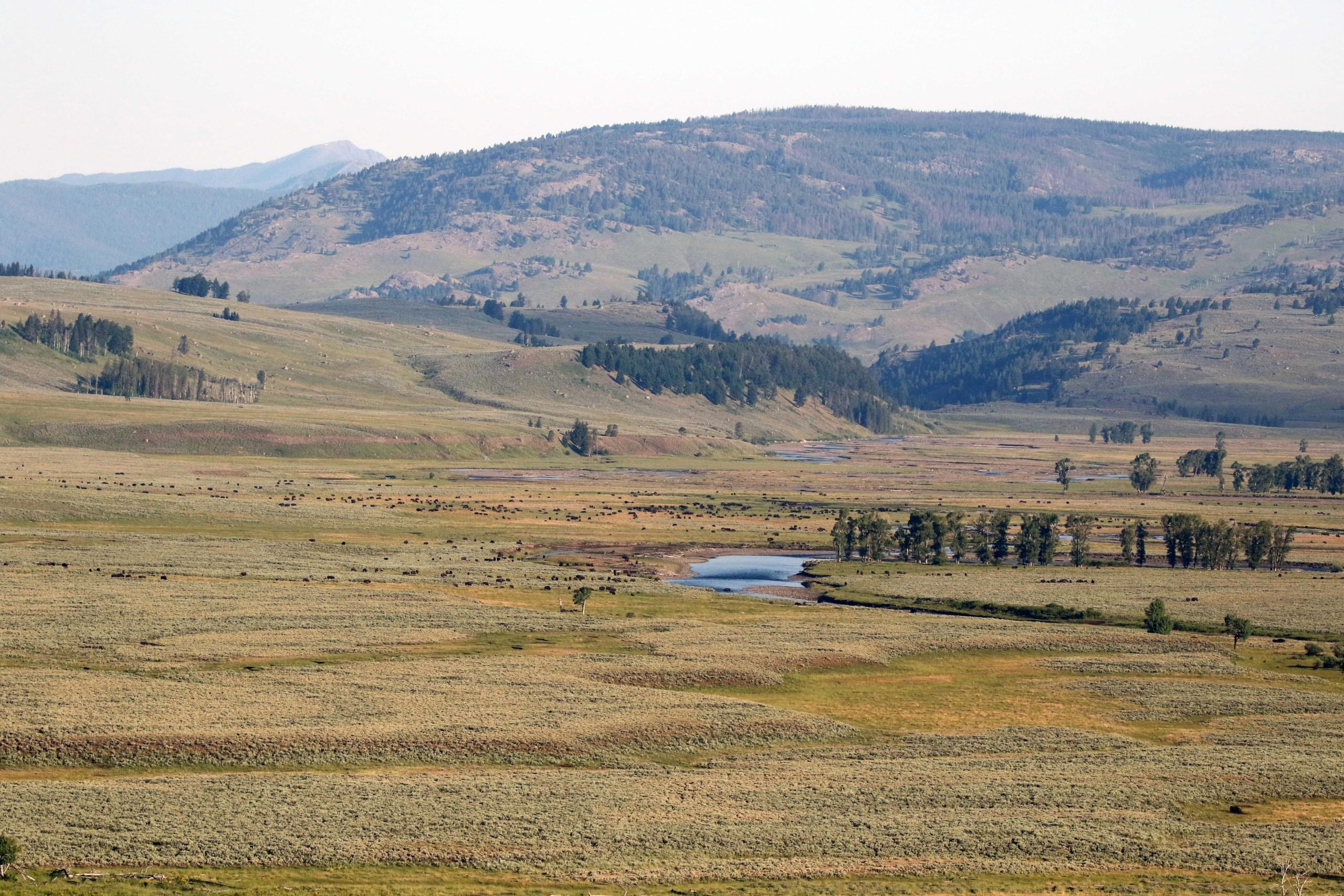
Today, Yellowstone supports about 5,000 bison, a number that has remained steady since the mid-2010s after recovering from a low of only 23 animals in 1902. Each year, the herd travels nearly 1,000 miles along a 50-mile migration route, feeding heavily on new plant growth after snowmelt. Although this grazing might appear to overuse the vegetation, the researchers found a much more complex and beneficial outcome.
Their results indicate that bison accelerate the nitrogen cycle while grazing. Plants continue to grow at similar rates compared to ungrazed areas but become significantly richer in nutrients—up to 150% more nutritious.
The nitrogen cycle is how nitrogen moves between the plants and animals of the ecosystem and the air and soil. Microbes in the soil recycle nitrogen from decaying plants and animals into forms typically seen in common fertilizers (ammonium and nitrate). Those forms are favored by plants to reuse. The authors found that as bison graze, they increase the amount of microbes, resulting in more nitrogen available for plants to use and, ultimately, more nutritious plants for plant-eating animals.
Amplifying Yellowstone’s ecosystem
As the bison’s grazing continues throughout the summer, this cycle is reinforced, keeping plants short, dense, and nitrogen-rich.
“What we’re witnessing is that as bison move across the landscape, they amplify the nutritional quality and capacity of Yellowstone,” Hamilton said. “Their grazing likely has important consequences for other herbivores and for the food web as a whole, similar to the changes that occurred in the Serengeti when the wildebeest population recovered.”
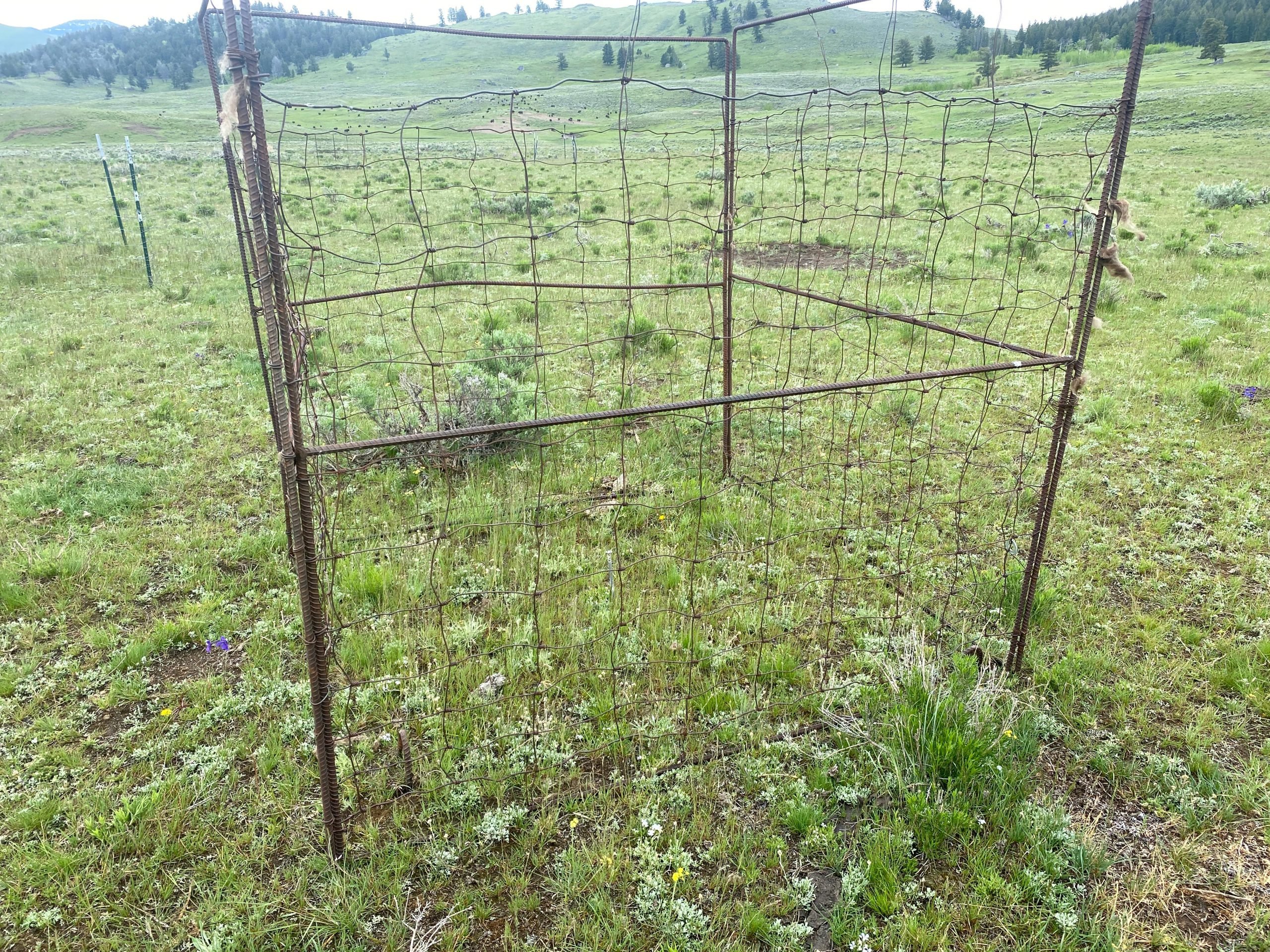
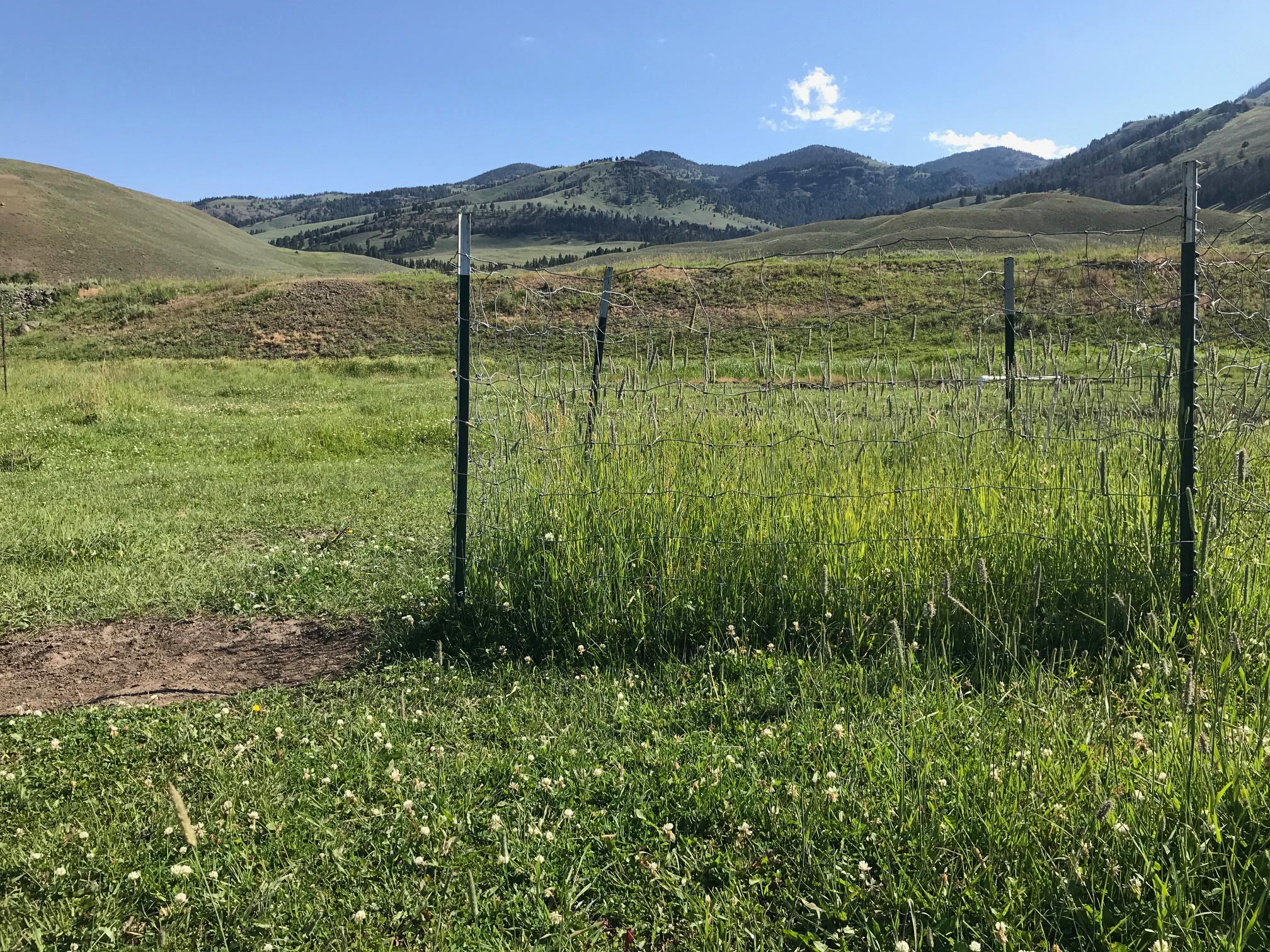
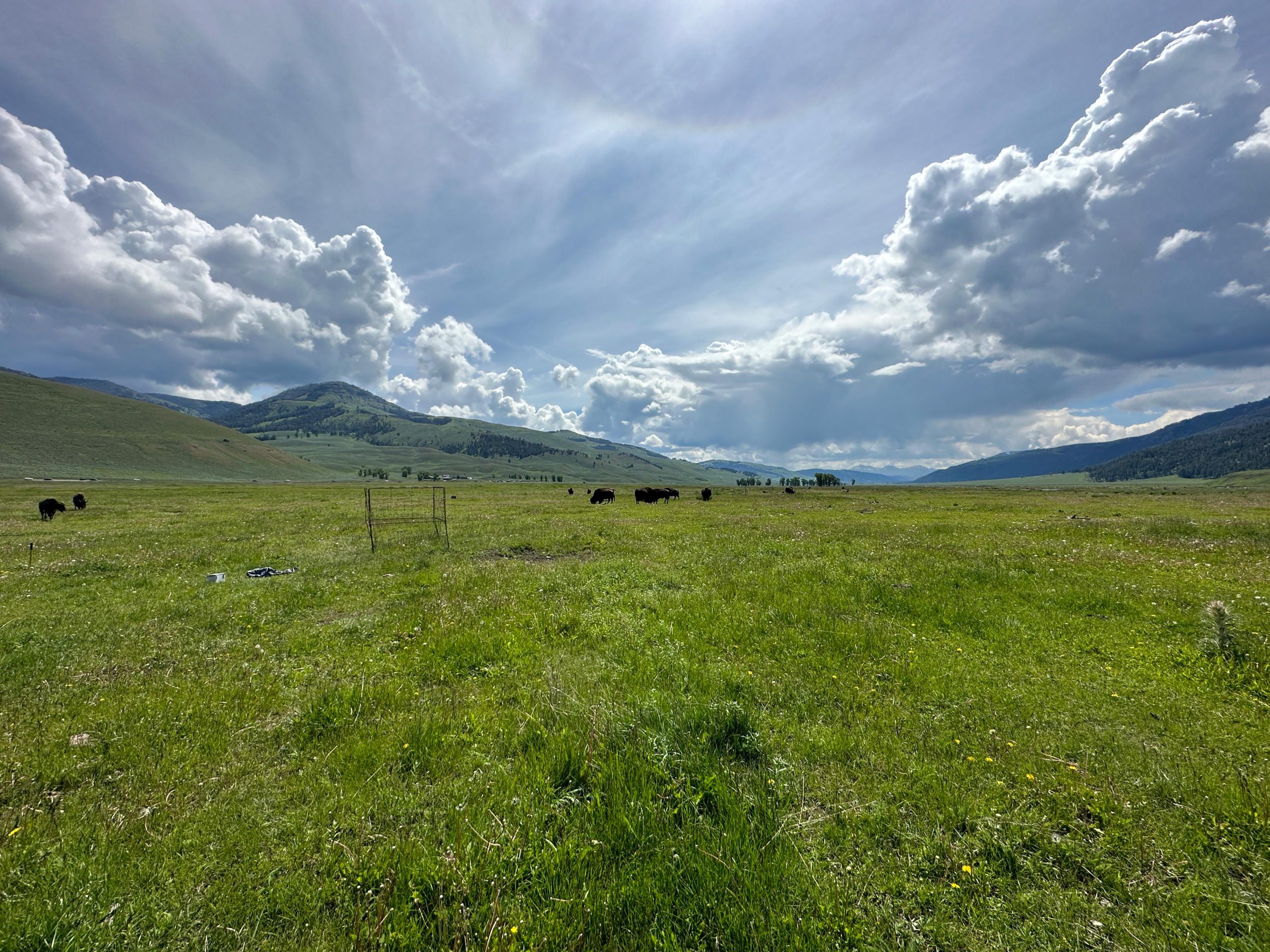
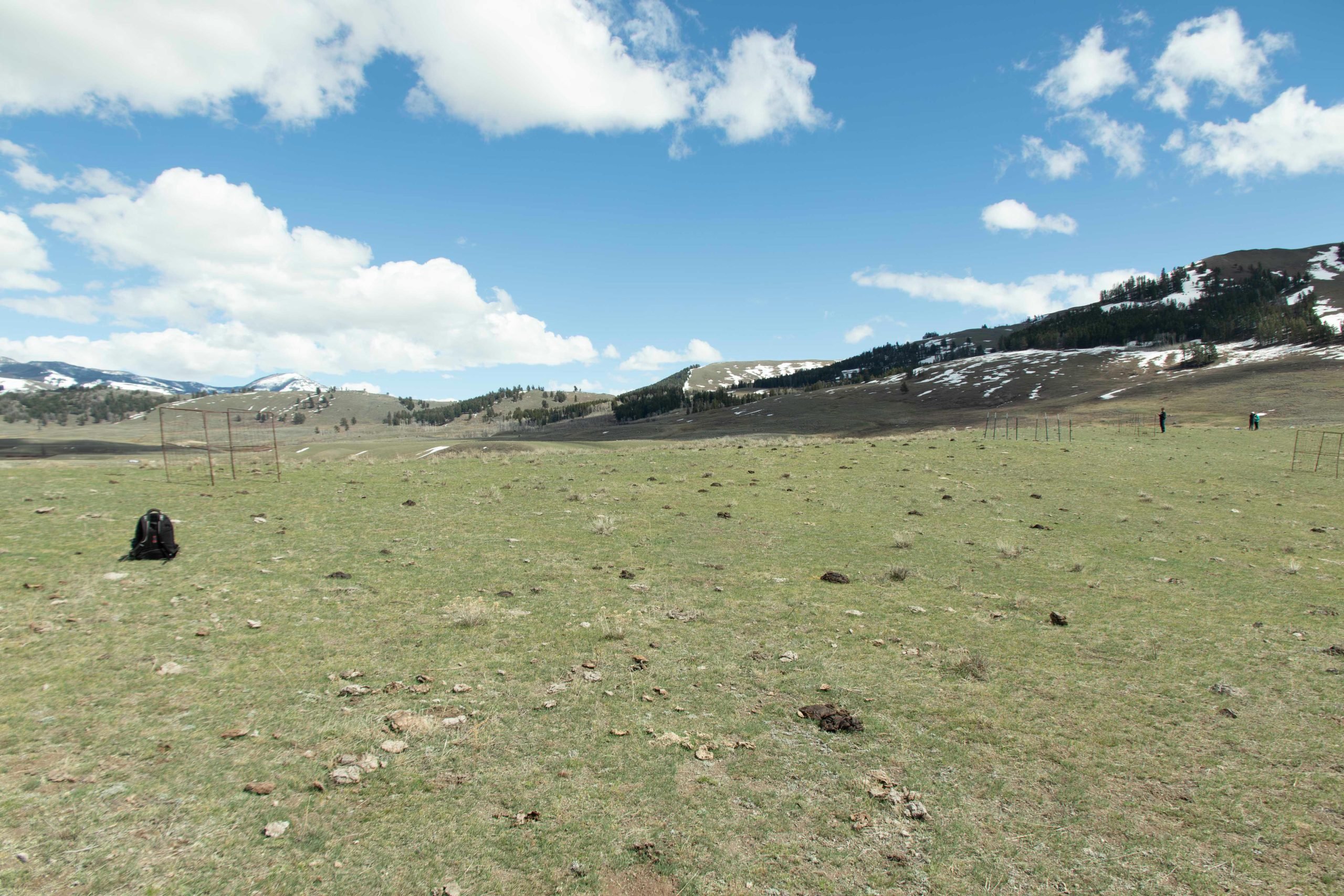
To understand how bison create these changes in the nitrogen cycle, the researchers conducted field experiments from 2015 to 2021, monitoring plant growth, nutrient cycling, plant and soil chemistry, herbivory, plant community composition, and soil microbial populations. They used movable exclosures to compare grazed and ungrazed conditions, and they combined these experiments with landscape-scale satellite imagery and GPS collar data. This allowed them to map bison impacts across the entire migratory landscape.
Ecological restoration and future value
“With the current large herds of bison, Yellowstone grasslands are functioning better than in their absence,” Hamilton said. “And this version is a glimpse of what was lost when bison were nearly wiped out across North America in the late 1800s.”
Over the course of the study, the researchers found that the soils sustained their nutrient storage. Plant communities changed in some areas, but productivity was maintained, and the biodiversity of plants increased across the migration corridor. Overgrazing is often characterized as a landscape where plant productivity and diversity go down and soils become compacted with resulting reductions in nutrient storage and cycling.
“Yet, we found pretty much the opposite of that,” said co-author Merkle. “The return of a large-scale bison migration provides clear benefits to the ecosystem services that underlie Yellowstone. Heterogeneity is what bison seem to provide. When I look out across the bison migration, there is strong variation in the amount of grazing — some places appear to be very short lawns while others remain untouched.”
Yellowstone has long served as a model of ecological restoration, and this new research highlights the overlooked power of restoring large herbivores in large, free-moving numbers. Unlike traditional bison conservation efforts focused on small, fenced areas and controlled numbers based on grazing management principles, Yellowstone shows the value of restoring movement and scale. Migrating bison reshape the land not by being managed — but by moving.
Reference: “Yellowstone’s free-moving large bison herds provide a glimpse of their past ecosystem function” by Chris Geremia, E. William Hamilton and Jerod A. Merkle, 28 August 2025, Science.
DOI: 10.1126/science.adu0703
Never miss a breakthrough: Join the SciTechDaily newsletter.
Follow us on Google and Google News.
4 Comments
Nature knows best!
This low-key aura
there’s two hawks in my house what do I do
mr. agslin