
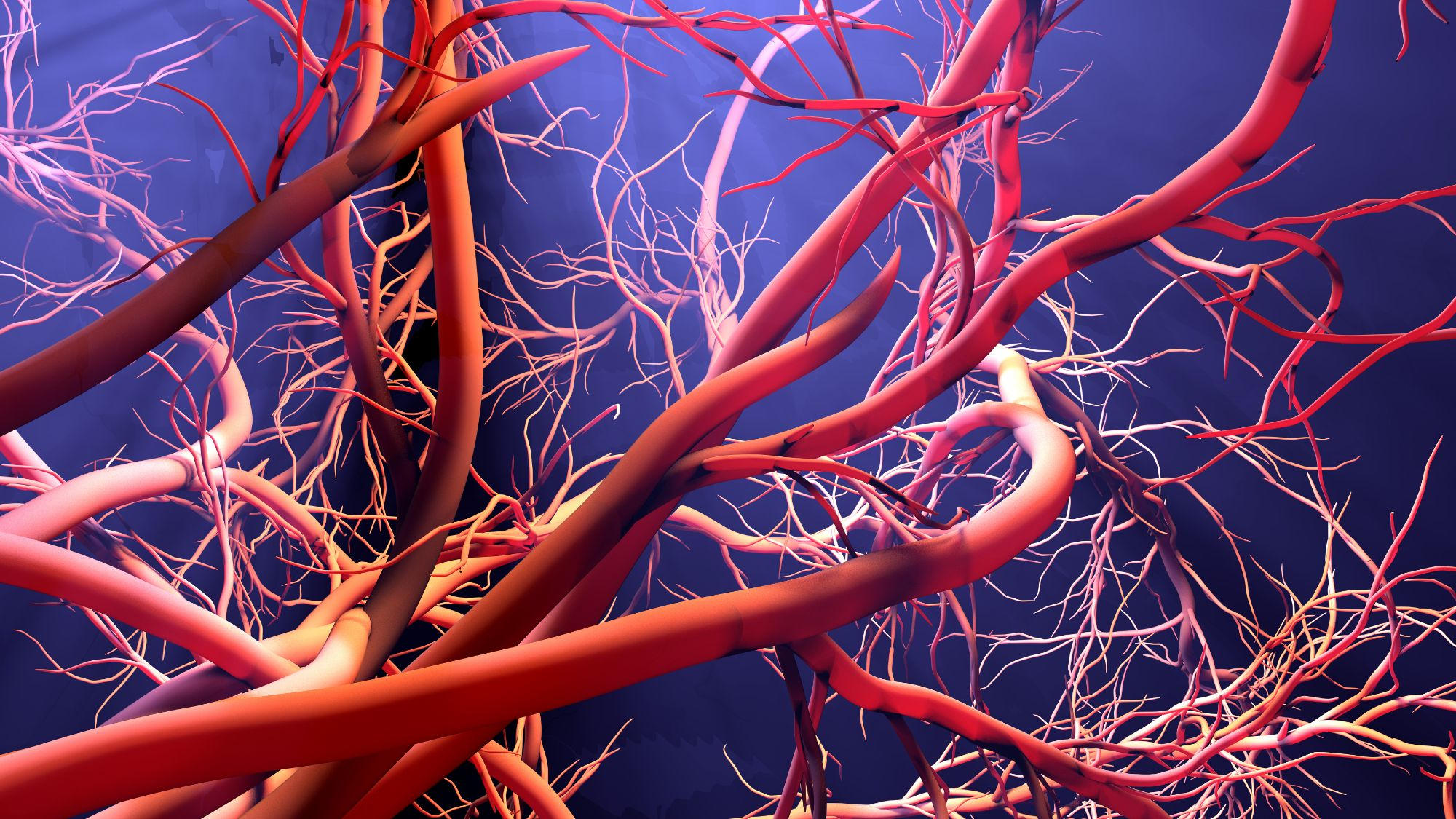
Over the past several decades, research has demonstrated that endothelial cells (ECs) serve as a dynamic interface essential for vascular protection.
A recent study published in the journal Aging by Julia Michalkiewicz, Tung D. Nguyen, and Monica Y. Lee from the University of Illinois at Chicago College of Medicine underscores the essential role of the protein Nucleoporin93 (Nup93) in preserving blood vessel health during aging. The authors discuss emerging research that identifies Nup93 as a potential therapeutic target for preventing or mitigating aging-related conditions such as heart disease and stroke.
Cardiovascular diseases remain the leading causes of death worldwide, with aging identified as a major risk factor. Vascular health declines as endothelial cells (EC)—the protective lining of blood vessels—lose their functionality with age. This deterioration leads to inflammation, arterial stiffening, and reduced blood flow, significantly increasing the risk of life-threatening diseases. The authors underscore the urgent need to uncover the molecular mechanisms driving these changes.
Nup93: A Crucial Protector of Endothelial Cells
Nup93 plays an essential role within nuclear pore complexes (NPCs)—gateways that regulate molecular exchanges between the cell nucleus and cytoplasm. Age-related loss of Nup93 disrupts this delicate system, weakening endothelial cells function and accelerating vascular aging. Researchers identified Nup93 as a crucial protector of endothelial health, preventing harmful protein build-ups such as Yes-associated protein (Yap), a known driver of inflammation and cellular aging.
Excitingly, scientists have discovered that restoring Nup93 levels in damaged endothelial cells can reverse some of these harmful effects. They also found that blocking Yap can prevent issues caused by low Nup93 levels. These findings highlight the potential for new medicines or therapies to protect blood vessels as people age.
The authors propose that future treatments could involve delivering Nup93 directly to damaged blood vessels to restore their health and prevent cardiovascular diseases. They emphasize the importance of further research to uncover why Nup93 levels decrease with age and how restoring it might improve blood vessel function.
“These latest discoveries provide a fresh and innovative perspective of EC biology, highlighting NPCs as major regulators of EC health that may underlie mechanisms of vascular aging and disease progression.”
In conclusion, the editorial encourages scientists to focus on understanding how endothelial cells stay strong and the role of NPCs in keeping blood vessels healthy. This research could lead to important breakthroughs in slowing down aging and improving people’s quality of life.
Reference: “The silent protector: Nucleoporin93’s role in vascular health” by Julia Michalkiewicz, Tung D. Nguyen and Monica Y. Lee, 21 August 2024, Aging.
DOI: 10.18632/aging.206097
Never miss a breakthrough: Join the SciTechDaily newsletter.
Follow us on Google and Google News.