
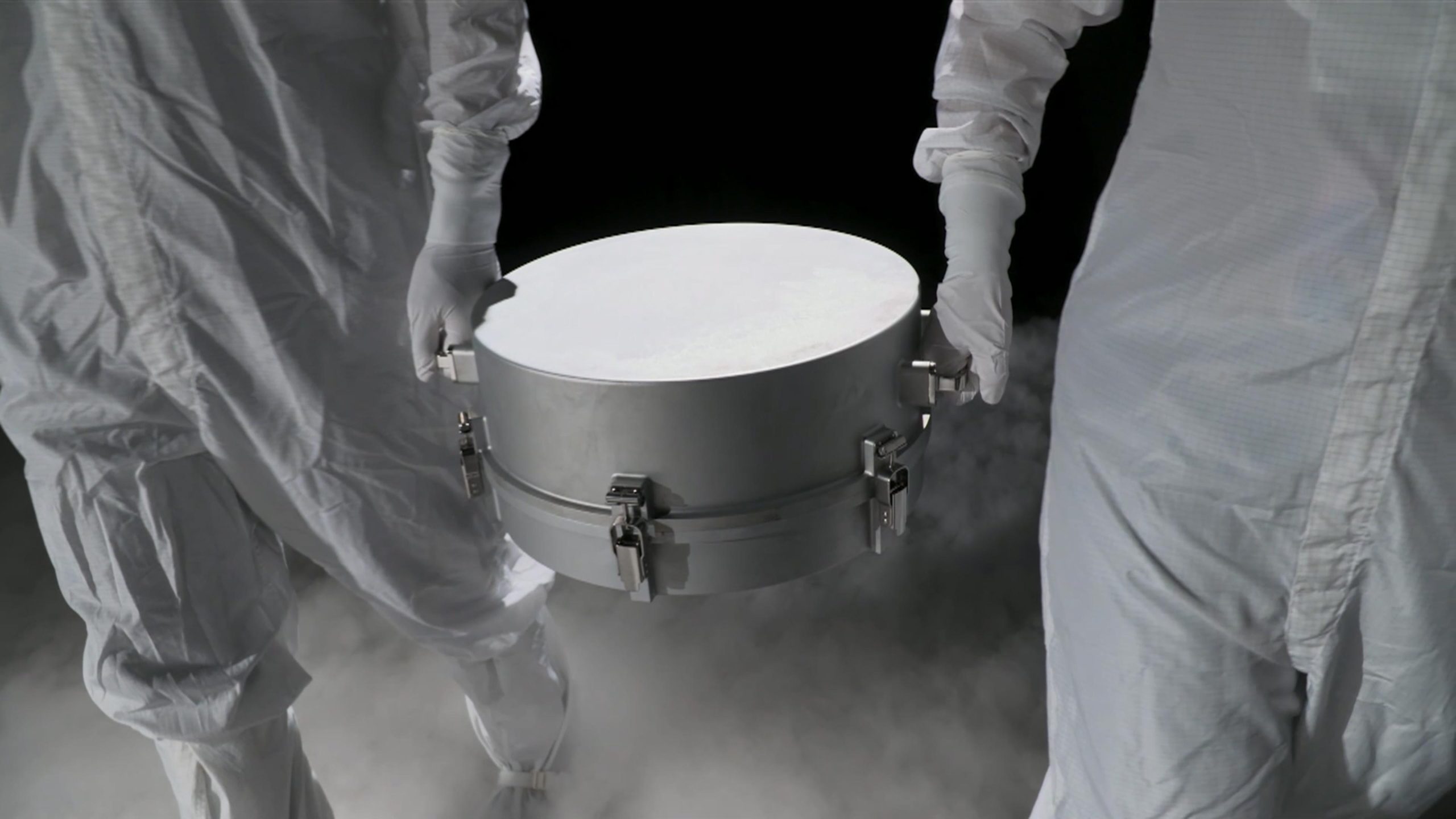
Japanese scientists detected all five nucleobases — building blocks of DNA and RNA — in samples returned from asteroid Bennu by NASA’s OSIRIS-REx mission.
NASA’s OSIRIS-REx mission brought back 121.6 grams of asteroid Bennu, unveiling nitrogen-rich organic matter, including DNA’s essential bases. Scientists found differences between Bennu’s chemistry and that of meteorites like Ryugu, suggesting diverse cosmic conditions shaped their molecular makeup.
Asteroids: Ancient Messengers of Life?
Asteroids, small rocky bodies in the inner Solar System, may have played a key role in delivering water and essential chemical ingredients for life to early Earth. While meteorites that fall to Earth come from asteroids, their exposure to the atmosphere and biological contamination makes them difficult to study. The best way to analyze asteroid material is by collecting pristine samples directly from space. So far, only two countries have successfully done this: Japan, with its Hayabusa and Hayabusa2 missions, and the United States, with OSIRIS-REx.
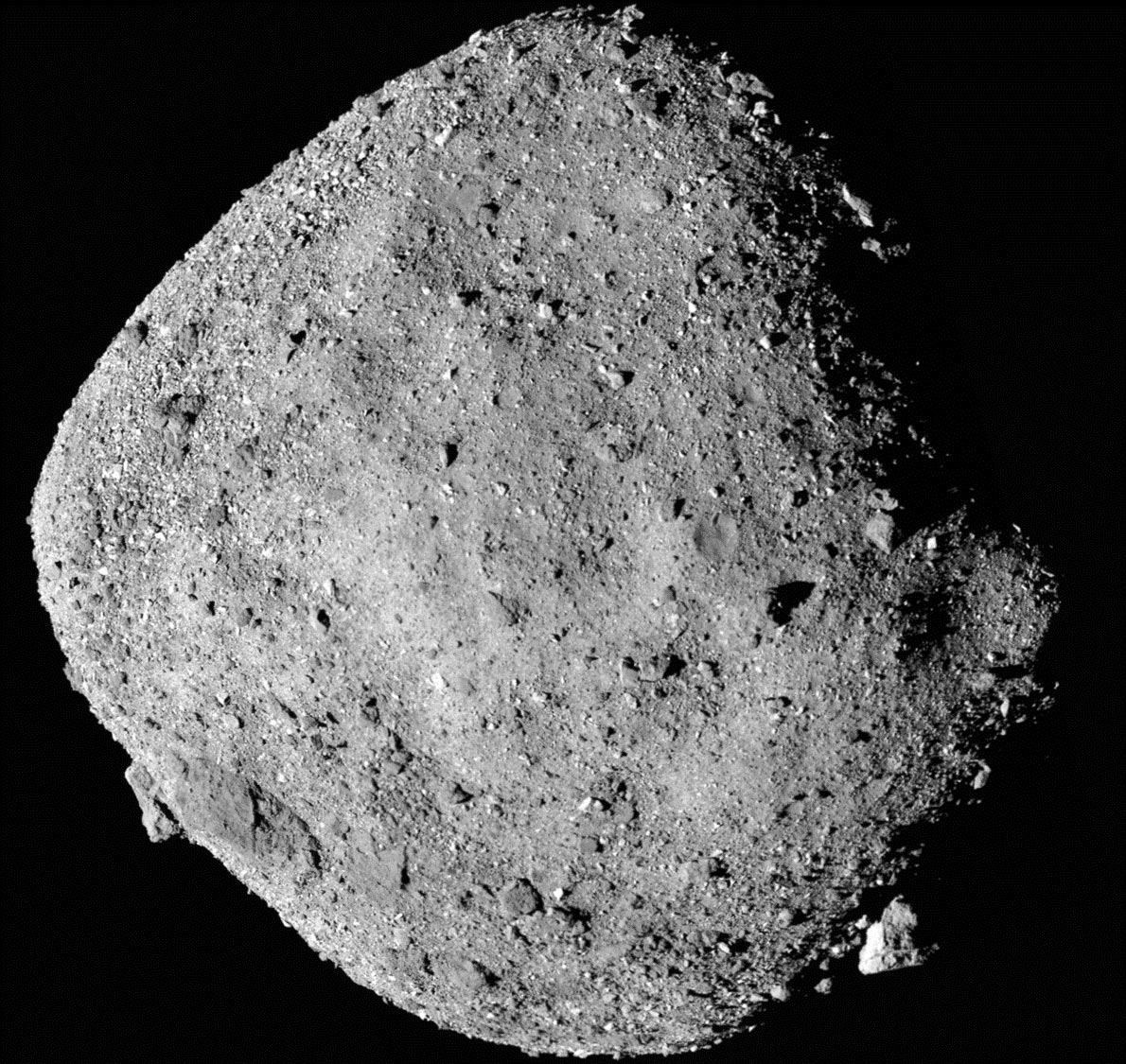
NASA’s OSIRIS-REx Brings Bennu to Earth
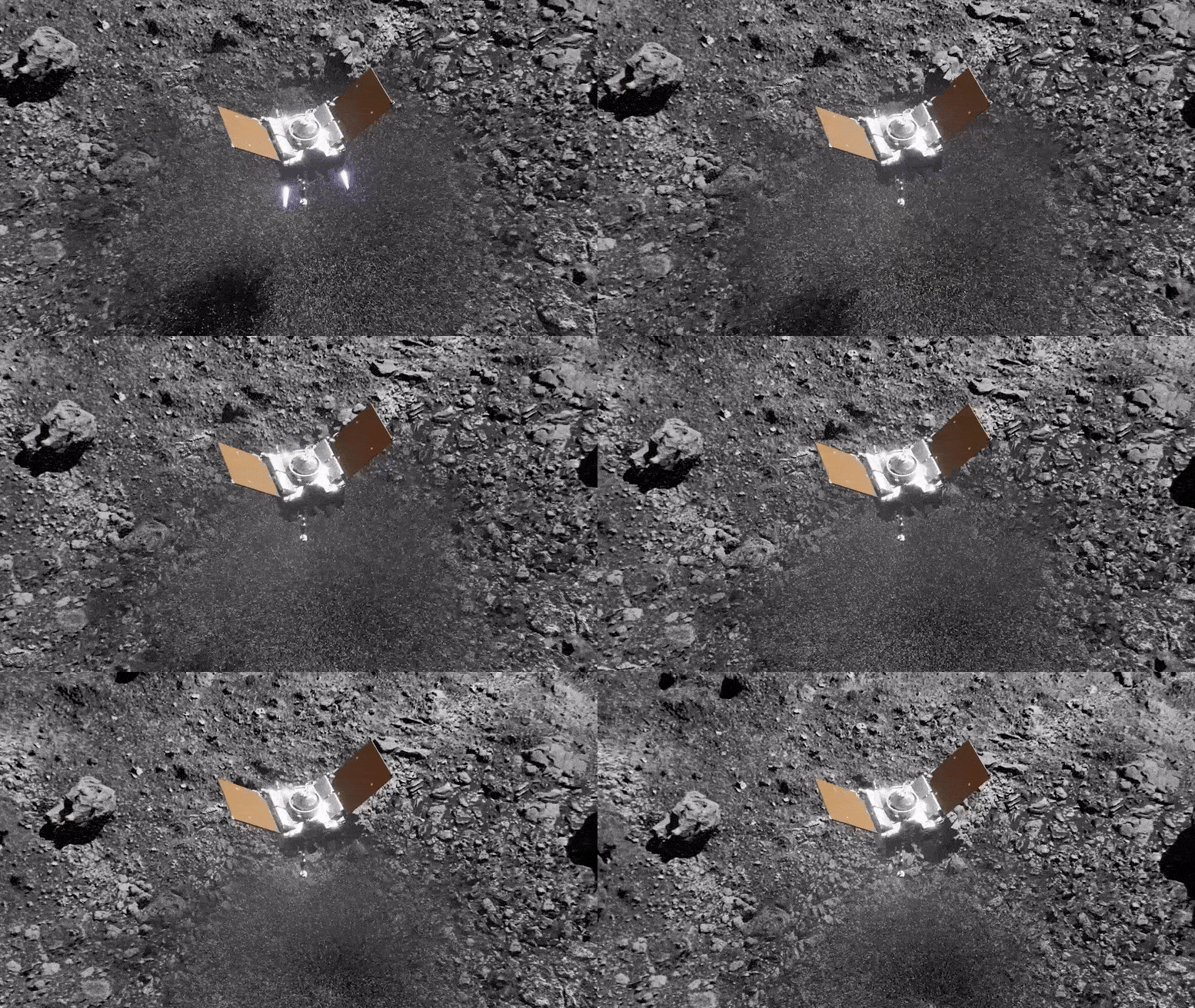
In September 2023, NASA’s OSIRIS-REx mission returned 121.6 grams of material from asteroid Bennu, the largest asteroid sample ever brought to Earth. Now, an international research team led by Dr. Daniel Glavin and Dr. Jason Dworkin at NASA’s Goddard Space Flight Center has made a groundbreaking discovery: ammonia and nitrogen-rich organic compounds in the Bennu samples.
Their findings, published today (January 29) in Nature Astronomy, add weight to the theory that asteroids may have helped kick-start life on Earth. Notably, Japanese researchers on the team detected all five nitrogenous bases — key molecules needed to form DNA and RNA — inside the asteroid sample, a discovery that strengthens the idea that life’s building blocks may have originated in space.
The Bennu samples from NASA were handled under nitrogen to prevent contamination by Earth’s atmosphere. A 17.75 mg sample was processed and analyzed for N-heterocycles—organic molecules with a ring structure containing carbon and nitrogen—using high-resolution mass spectrometry at Kyushu University.
Cutting-Edge Analysis Unveils Hidden Secrets
The analysis was carried out by a research team, whose members are part of the OSIRIS-REx sample analysis team, consisting of Associate Professor Yasuhiro Oba of Hokkaido University, Principal Researcher Yoshinori Takano of JAMSTEC and Keio University, Dr. Toshiki Koga of JAMSTEC, Professor Hiroshi Naraoka of Kyushu University, and Associate Professor Yoshihiro Furukawa of Tohoku University.
The analysis revealed that the concentration of N-heterocycles is approximately 5 nmol/g, 5-10 times higher than that reported from Ryugu. In addition to the five nitrogenous bases — adenine, guanine, cytosine, thymine, and uracil — required for building DNA and RNA, the researchers also found xanthine, hypoxanthine, and nicotinic acid (vitamin B3).
“In previous research, uracil and nicotinic acid were detected in the samples from asteroid Ryugu, but the other four nucleobases were absent. The difference in abundance and complexity of N-heterocycles between Bennu and Ryugu could reflect the differences in the environment to which these asteroids have been exposed in space,” Koga explains.

Clues from Other Space Rocks
Samples from the meteorites Murchison and Orgueil were also processed and analyzed previously under identical conditions for comparison. The research team observed that the ratio of purines (adenine and guanine) to pyrimidines (cytosine, thymine, and uracil) was much lower in the Bennu samples compared to both Murchison and Orgueil.
“There are multiple possible reasons for this observed difference,” Oba says. “They may be due to differences in parent bodies or formation pathways, or the Bennu asteroid was exposed to a cold molecular cloud environment where pyrimidine formation is more likely to occur.”
“Our findings, which contribute to the larger picture painted by all the authors of the paper, indicate that nucleobase chemistry in the Bennu samples must be further studied,” concluded Naraoka. Another important result of this study is that, by comparing meteorites with Bennu samples, a reference for the reanalysis of other meteorites in collections across the globe has been created.

Reference: “Abundant ammonia and nitrogen-rich soluble organic matter in samples from asteroid (101955) Bennu” by Daniel P. Glavin, Jason P. Dworkin, Conel M. O’D. Alexander, José C. Aponte, Allison A. Baczynski, Jessica J. Barnes, Hans A. Bechtel, Eve L. Berger, Aaron S. Burton, Paola Caselli, Angela H. Chung, Simon J. Clemett, George D. Cody, Gerardo Dominguez, Jamie E. Elsila, Kendra K. Farnsworth, Dionysis I. Foustoukos, Katherine H. Freeman, Yoshihiro Furukawa, Zack Gainsforth, Heather V. Graham, Tommaso Grassi, Barbara Michela Giuliano, Victoria E. Hamilton, Pierre Haenecour, Philipp R. Heck, Amy E. Hofmann, Christopher H. House, Yongsong Huang, Hannah H. Kaplan, Lindsay P. Keller, Bumsoo Kim, Toshiki Koga, Michael Liss, Hannah L. McLain, Matthew A. Marcus, Mila Matney, Timothy J. McCoy, Ophélie M. McIntosh, Angel Mojarro, Hiroshi Naraoka, Ann N. Nguyen, Michel Nuevo, Joseph A. Nuth III, Yasuhiro Oba, Eric T. Parker, Tanya S. Peretyazhko, Scott A. Sandford, Ewerton Santos, Philippe Schmitt-Kopplin, Frederic Seguin, Danielle N. Simkus, Anique Shahid, Yoshinori Takano, Kathie L. Thomas-Keprta, Havishk Tripathi, Gabriella Weiss, Yuke Zheng, Nicole G. Lunning, Kevin Righter, Harold C. Connolly Jr. and Dante S. Lauretta, 29 January 2025, Nature Astronomy.
DOI: 10.1038/s41550-024-02472-9
Never miss a breakthrough: Join the SciTechDaily newsletter.
Follow us on Google and Google News.
2 Comments
Very exciting! Found in meteorites too, three years ago:
https://www.sciencenews.org/article/all-of-the-bases-in-dna-and-rna-have-now-been-found-in-meteorites
Lovely