
An international team of researchers led by Duke-NUS has identified rare mutations in the SPNS1 gene as the cause of a previously unrecognized multi-organ disorder.
A research team led by Duke-NUS Medical School has uncovered the cause of a rare, previously unidentified disease that affects several organs, providing crucial insights and potential pathways for treatment.
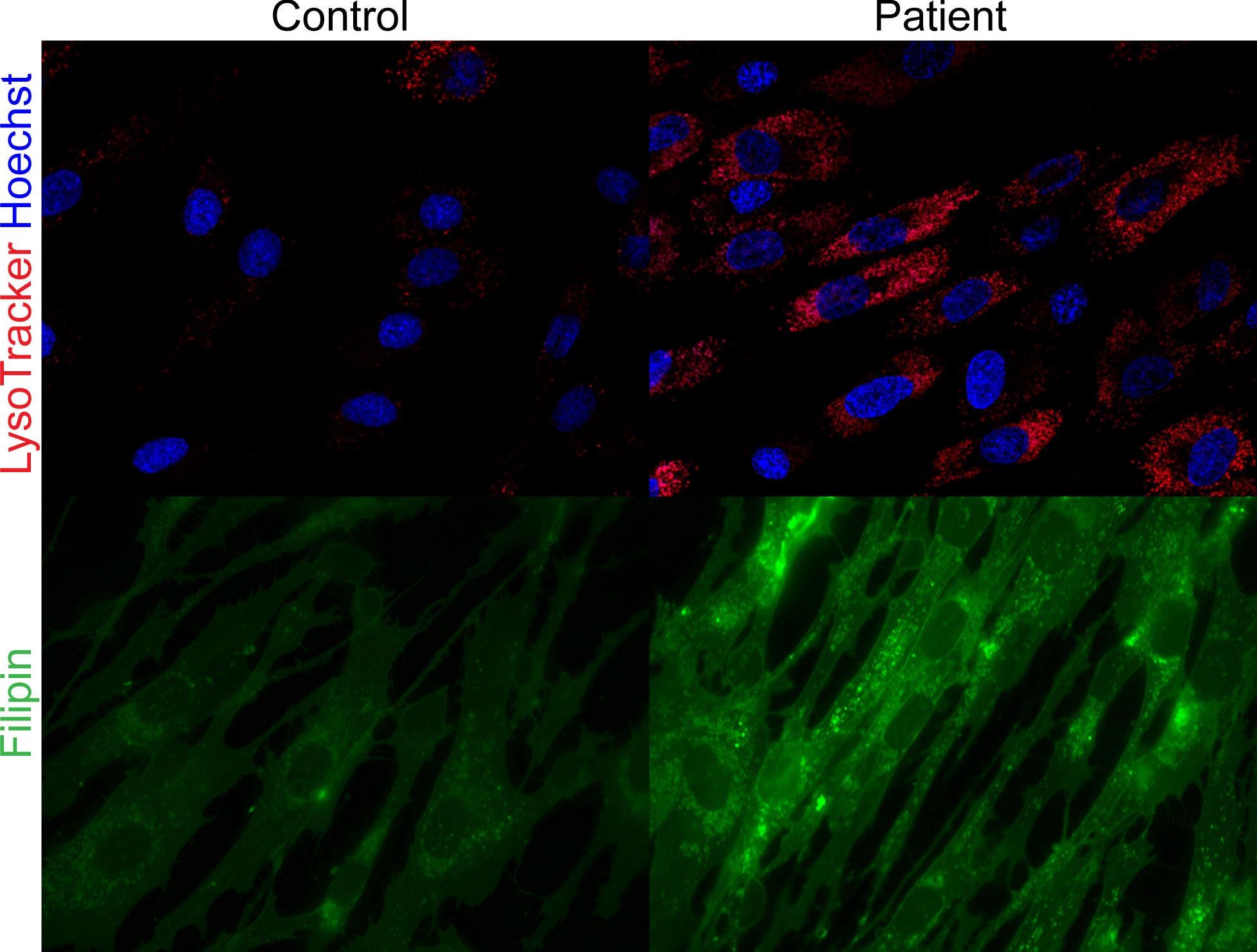
Their findings, published in the Journal of Clinical Investigation, identified mutations in the SPNS1 gene as the root of the disorder, which interferes with how cells recycle fat molecules. The team showed that defective versions of this gene impair lysosomes (the cell’s recycling centers), causing an unhealthy accumulation of fats and cholesterol that eventually leads to progressive damage in the liver and muscles.
This newly recognized condition falls within the lysosomal storage disease group, which includes more than 70 rare disorders linked to failures in cellular recycling.
Tracing the genetic cause
The breakthrough came from examining two unrelated families whose children experienced unexplained liver disease, muscle weakness, and other symptoms. Genetic testing revealed mutations in both copies of the SPNS1 gene, which is essential for transporting broken-down fat molecules out of lysosomes so they can be reused throughout the cell.
The research builds on a previous Duke-NUS-led study that pinpointed SPNS1’s role in recycling broken-down fats.
Duke-NUS MD-PhD student Ms He Menglan, the study’s first author, said that the findings are a crucial puzzle piece to understanding a disease that remained a mystery for a long time:
“An important type of fat that our cellular recycling systems process is phospholipids, which are key building blocks of cell membranes. In healthy individuals, SPNS1 moves broken-down phospholipids out of lysosomes to be reused to repair membranes or converted into stored energy for the body. When this intricate process fails in patients with SPNS1 mutations, fat recycling is disrupted, leading to tissue damage, particularly in the muscles and liver.”
Implications for cellular health
The researchers discovered that these issues became worse when a key nutrient-sensing system was disrupted, highlighting the importance of SPNS1 in helping cells respond to nutrient stress and maintain energy balance.
Professor David Silver, Deputy Director of Duke-NUS’ Cardiovascular and Metabolic Disorders Programme and senior author of the study, said:
“SPNS1 is found in every human cell and plays a key role in recycling phospholipids. Our studies revealed that phospholipid recycling by lysosomes plays a crucial role in regulating how cells maintain normal levels of other important lipids, such as fat and cholesterol. These findings open up opportunities to explore the importance of SPNS1 in other diseases such as cancer.”
Equipped with these insights, the team is partnering with N = 1 Collaborative, an organization developing personalized therapies for extremely rare diseases, to translate their findings into bedside solutions.
Toward personalized treatments
Dr Marlen Lauffer, a senior researcher at the Dutch Center for RNA Therapeutics, Leiden University Medical Center, and a co-author of the study, highlighted the importance of applying these findings in patient care:
“Using what we learned from this research, we are working with the N = 1 Collaborative to create a tailored treatment for the children in our study affected by this condition. This work includes exploring ways to correct the faulty fat transport using new genetic therapies. Our goal is to transform scientific knowledge into therapies that improve the quality of life and give hope to other families facing similar challenges.”
Dr Lauffer added that understanding the precise cause of the disease enables researchers to design treatments that directly target the disrupted pathways, offering options for patients who currently have no treatment path.
Ms Dalila Sabaredzovic, the mother of two of the children in the study, is hopeful that the breakthrough will be the first step towards improving her sons’ quality of life as well as that of others living with the same condition.
“I am so thankful that we now have a foundation to stand on and that work is progressing towards exploring paths of treatments. We feel empowered in many ways we couldn’t before and we really hope that this research will spark not only understanding about the SPNS1 gene and the condition it’s causing, but also a way towards a cure,” she said.
Precision medicine in action
Professor Patrick Tan, Senior Vice-Dean for Research at Duke-NUS, said of the potential of the study’s findings:
“These findings demonstrate the power of precision medicine. By linking unusual patient symptoms to specific genetic mutations, researchers uncover new disease pathways and develop targeted treatments. This approach not only provides answers to families affected by rare diseases but also opens doors for broader medical advances. This discovery is a reminder that even the rarest and most puzzling conditions can be solved—when scientists, clinicians, and families work together.”
This new research reflects Duke-NUS’ commitment efforts to turning scientific discovery into real-world solutions that improve lives.
Reference: “SPNS1 variants cause multiorgan disease and implicate lysophospholipid transport as critical for mTOR-regulated lipid homeostasis” by Menglan He, Mei Ding, Michaela Chocholouskova, Cheen Fei Chin, Martin Engvall, Helena Malmgren, Matias Wagner, Marlen C. Lauffer, Jacob Heisinger, May Christine V. Malicdan, Valerie Allamand, Madeleine Durbeej, Angelica Delgado Vega, Thomas Sejersen, Ann Nordgren, Federico Torta and David L. Silver, 2 September 2025, The Journal of Clinical Investigation.
DOI: 10.1172/JCI193099
Never miss a breakthrough: Join the SciTechDaily newsletter.
Follow us on Google and Google News.