
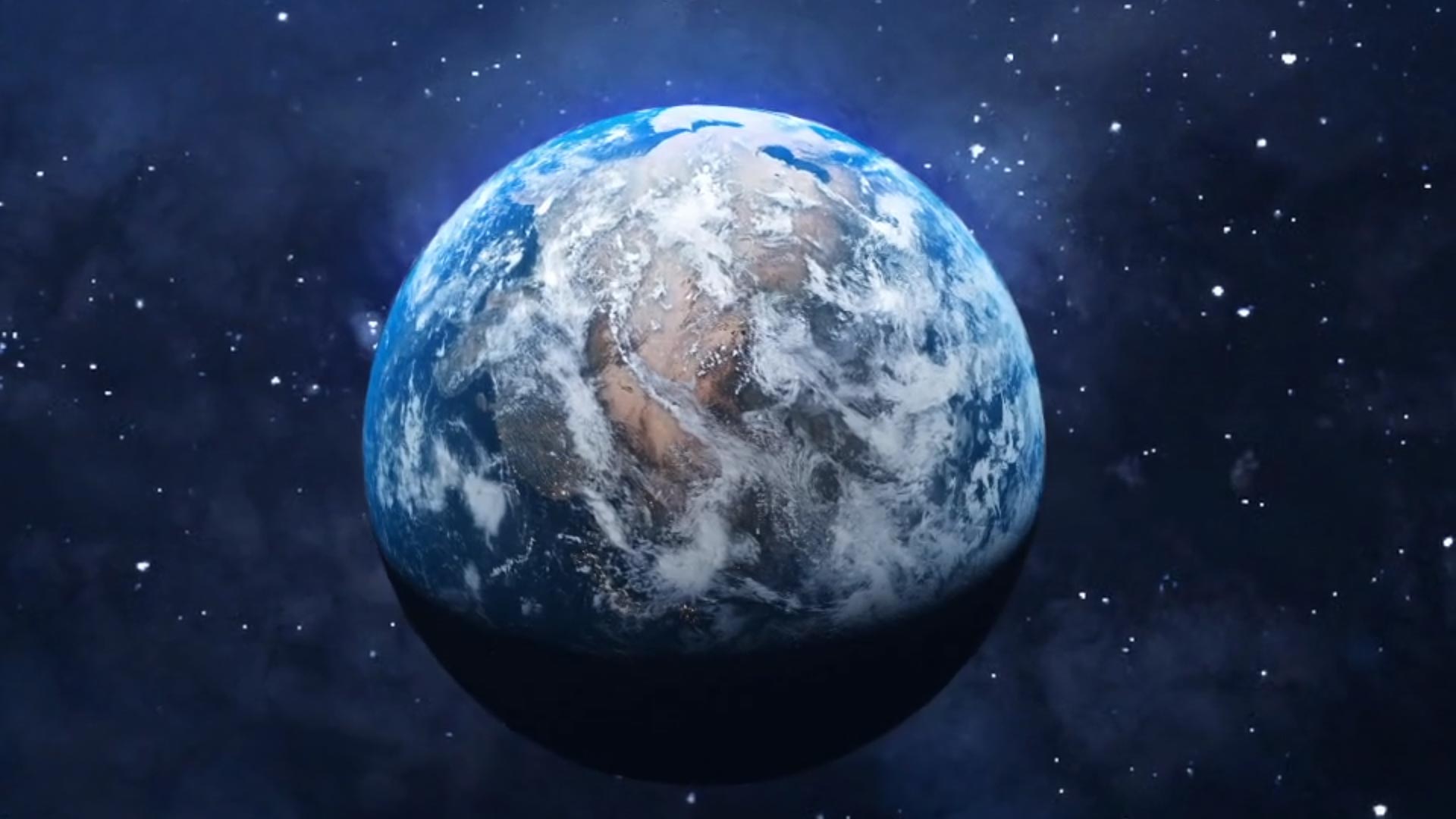
A geochemistry study led by Rice advances our understanding of ancient rock formations.
A team of researchers has advanced our understanding of massif-type anorthosites, mysterious rocks that formed exclusively during Earth’s middle history. These igneous formations, rich in plagioclase and spanning up to 42,000 square kilometers, have long intrigued scientists, especially because they host titanium ore deposits. For decades, their origins have been debated due to conflicting theories, but this new research sheds light on the processes behind their formation.
A new study published in Science Advances on August 14 highlights the intricate connections between Earth’s evolving mantle and crust and the tectonic forces that have shaped the planet throughout its history. It also provides new ways to explore when plate tectonics began, how subduction dynamics operated billions of years ago, and the evolution of Earth’s crust.
Research Methodology and Findings
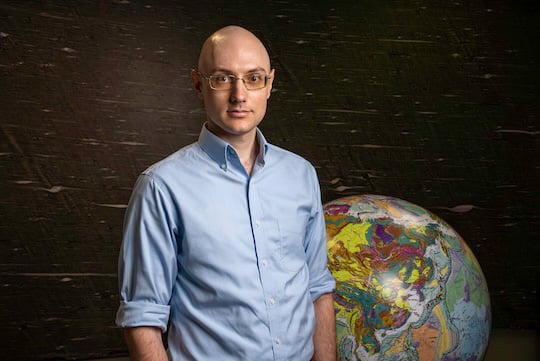
The research team, led by Rice’s Duncan Keller and Cin-Ty Lee, studied massif-type anorthosites to test ideas about the magmas that formed them. The research focused on the Marcy and Morin anorthosites, classic examples from North America’s Grenville orogen that are about 1.1 billion years old.
By analyzing the isotopes of boron, oxygen, neodymium, and strontium in the rocks as well as conducting petrogenetic modeling, the researchers discovered that the magmas that formed these anorthosites were rich in melts derived from oceanic crust altered by seawater at low temperatures. They also found isotopic signatures corresponding to other subduction zone rocks such as abyssal serpentinite.
Connection to Earth’s Tectonic and Thermal Evolution
“Our research indicates that these giant anorthosites likely originated from the extensive melting of subducted oceanic crust beneath convergent continental margins,” said Keller, the Clever Planets Postdoctoral Research Associate, Earth, Environmental and Planetary Sciences and the study’s lead author. “Because the mantle was hotter in the past, this process directly connects the formation of massif-type anorthosites to Earth’s thermal and tectonic evolution.”
The study, which combines classical methods with the novel application of boron isotopic analysis to massif-type anorthosites, suggests that these rocks formed during very hot subduction that may have been prevalent billions of years ago.
Because massif-type anorthosites don’t form on Earth today, the new evidence linking these rocks to very hot subduction on the early Earth opens new interdisciplinary approaches for understanding how these rocks chronicle the physical evolution of our planet.
“This research advances our understanding of ancient rock formations and sheds light on the broader implications for Earth’s tectonic and thermal history,” said Lee, the Harry Carothers Wiess Professor of Geology, professor of Earth, environmental and planetary sciences and study co-author.
Reference: “Mafic slab melt contributions to Proterozoic massif-type anorthosites” by Duncan S. Keller, Cin-Ty A. Lee, William H. Peck, Brian D. Monteleone, Céline Martin, Jeffrey D. Vervoort and Louise Bolge, 14 August 2024, Science Advances.
DOI: 10.1126/sciadv.adn3976
The study’s other co-authors include William Peck of the Department of Earth and Environmental Geosciences at Colgate University; Brian Monteleone of the Department of Geology and Geophysics at Woods Hole Oceanographic Institution; Céline Martin of the Department of Earth and Planetary Sciences at the American Museum of Natural History; Jeffrey Vervoort of the School of the Environment at Washington State University; and Louise Bolge of the Lamont-Doherty Earth Observatory at Columbia University.
This study was supported by NASA and the U.S. National Science Foundation.
Never miss a breakthrough: Join the SciTechDaily newsletter.
Follow us on Google and Google News.
5 Comments
“Clever Planets?!”
Planets are beings, like humans.
Ah come on guys and gals,
Wasting time on trivial nonsense.
It’s over, the Earth is almost to the point of Imploding or exploding.
That’s what I want to hear about.
How long does humanity have now, like this time?
Almost over sounds about right!!!
When was this study?
When exactly was this study?