
Close Menu
    Facebook X (Twitter) Instagram
    SciTechDaily
    • Biology
    • Chemistry
    • Earth
    • Health
    • Physics
    • Science
    • Space
    • Technology
    Facebook X (Twitter) Pinterest YouTube RSS
    SciTechDaily
    Home»Biology»Serotonin-Producing Gut Bacteria Could Revolutionize IBS Treatment
    Biology

    Serotonin-Producing Gut Bacteria Could Revolutionize IBS Treatment

    By University of GothenburgNovember 28, 2025No Comments3 Mins Read
    Facebook Twitter Pinterest Telegram LinkedIn WhatsApp Email Reddit
    Share
    Facebook Twitter LinkedIn Pinterest Telegram Email Reddit
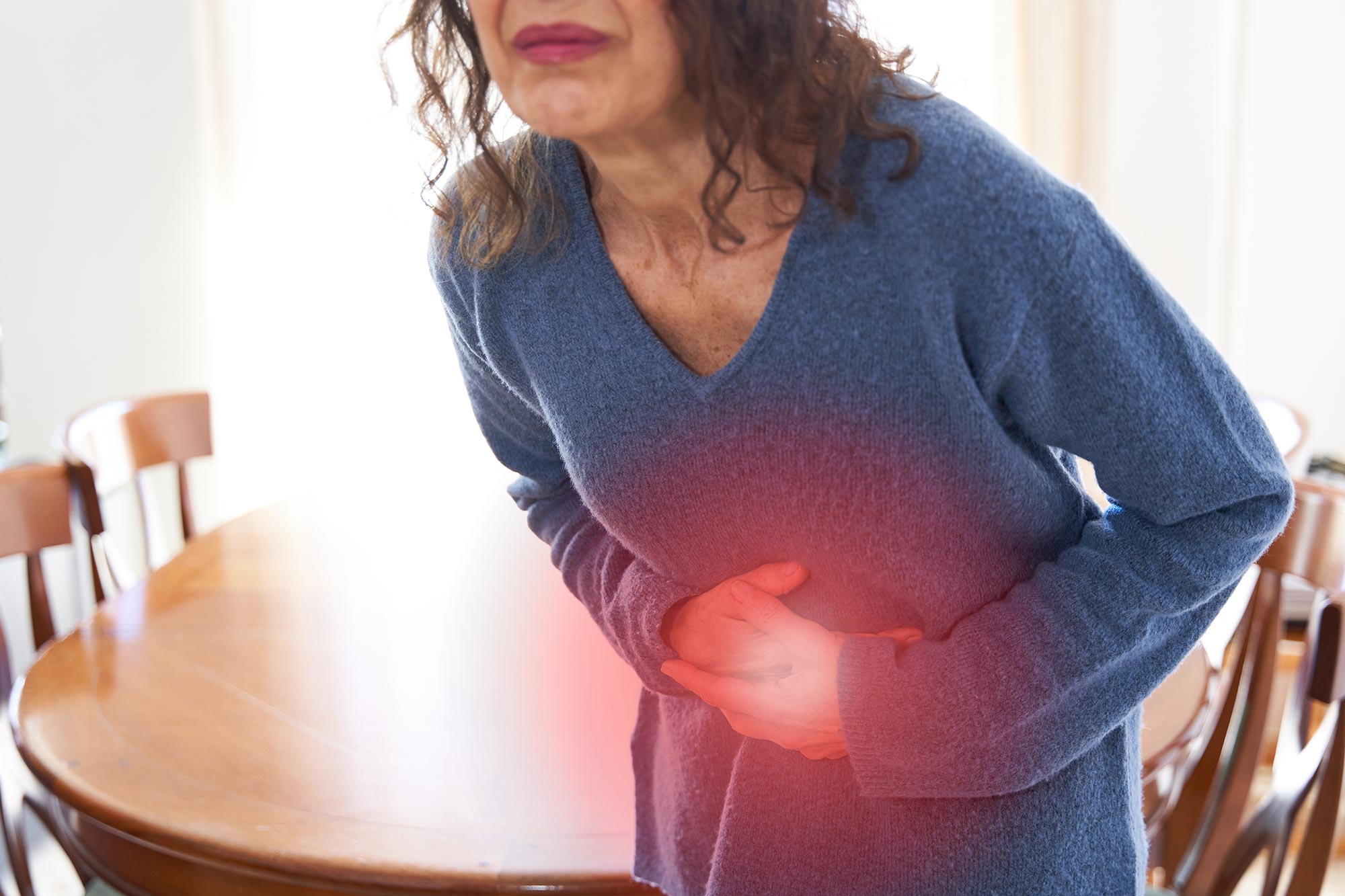
    Senior Woman Stomachache Digestive Problems IBS
    Scientists have uncovered a surprising link between specific gut bacteria and the body’s production of serotonin, a molecule essential for regulating intestinal activity. Credit: Shutterstock

    Gut bacteria shown to produce serotonin, revealing new pathways for IBS therapy.

    Researchers at the University of Gothenburg in Sweden have uncovered new details about how gut bacteria interact with the body in people with irritable bowel syndrome (IBS). Their experiments show that gut bacteria are capable of producing serotonin, a key signaling molecule in the digestive system. The discovery could open the door to new treatment options in the future.

    IBS, or Irritable Bowel Syndrome, is a common gastrointestinal condition that affects more women than men and causes symptoms such as abdominal pain, constipation, or diarrhea. While its exact cause remains unclear, both the gut microbiome and serotonin appear to play major roles in its development.

    Although serotonin is best known as a neurotransmitter in the brain, more than 90 percent of it is actually produced in the digestive tract. In the gut, it regulates muscle contractions and bowel movements through the enteric nervous system, often referred to as the “gut-brain.”

    Earlier studies have shown that gut bacteria can influence how much serotonin the host produces, but until now, it was not known whether the bacteria themselves were capable of generating biologically active serotonin.

    Bacteria that produce serotonin identified

    In the current study, published in the journal Cell Reports, the researchers have identified two bacteria that together can produce serotonin: Limosilactobacillus mucosae and Ligilactobacillus ruminis.

    When the bacteria were introduced into germ-free mice with serotonin deficiency, the levels of serotonin in the gut increased, as did the density of nerve cells in the colon. The bacteria also normalized the intestinal transit time.

    Fredrik Bäckhed and Magnus Simrén
    Fredrik Bäckhed and Magnus Simrén, Sahlgrenska Academy at the University of Gothenburg. Credit: Johan Wingborg

    “It is incredibly fascinating how the gut bacteria can produce bioactive signaling molecules that affect health,” says Fredrik Bäckhed, Professor of molecular medicine at Sahlgrenska Academy at the University of Gothenburg, and one of the leading authors of the study.

    Potential for new IBS treatments

    The researchers were also able to see that people with IBS had lower levels of one of the bacteria (L. mucosae) in their stool compared to healthy individuals, and that this bacterium also has the enzyme required for serotonin production.

    Magnus Simrén is a Professor of medical gastroenterology at Sahlgrenska Academy at the University of Gothenburg:

    “Our results indicate that certain intestinal bacteria can produce bioactive serotonin and thus play an important role in intestinal health and open new avenues for the treatment of functional gastrointestinal disorders such as IBS,” he says.

    “Our findings indicate that intestinal bacteria can form signaling substances such as serotonin, which may be the key to understanding how the intestine and its inhabitants can affect our brain and the behavior,” concludes Fredrik Bäckhed.

    Reference: “Identification of human gut bacteria that produce bioactive serotonin and promote colonic innervation” by Chiara H. Moretti, Estelle Grasset, Jiaying Zhu, Gaohua Yang, Louise E. Olofsson, Muhammad Tanweer Khan, Per-Olof Bergh, Jee-Hwan Oh, Annika Lundqvist, Tom van Gils, Manuela Krämer, Lisa M. Olsson, Piyush Patel, Matthias Mitteregger, Daysi Espinola Monges, Chinmay Dwibedi, Kimberly A. Krautkramer, Nienke Koopman, Marcus Henricsson, Andrew J. Macpherson, Thue Schwartz, Gianfranco Grompone, Jan-Peter van Pijkeren, Valentina Tremaroli, Stefan Roos, Magnus Simrén and Fredrik Bäckhed, 20 October 2025, Cell Reports.
    DOI: 10.1016/j.celrep.2025.116434

    Never miss a breakthrough: Join the SciTechDaily newsletter.
    Follow us on Google and Google News.

    Gastroenterology Microbiome Neuroscience Serotonin University of Gothenburg
    Share. Facebook Twitter Pinterest LinkedIn Email Reddit

    Related Articles

    Scientists Have Discovered a “Sixth Sense” That Links the Gut and Brain in Real Time

    Scientists Uncover “Feel-Good” Brain Circuit That Makes You Keep Eating

    The Hidden Roles of Dopamine and Serotonin: Scientists Solve Monoamine Mystery

    The Yellow Puzzle Solved: Enzyme Responsible for Urine Color Discovered

    Serotonin Shortage: Tracing the Early Warning Signs of Alzheimer’s

    Decoding Serotonin: From Molecular to Whole-Brain Scale Effects

    Good and Bad Feelings for Brain Stem Serotonin Could Lead to New Treatments for Addiction and Depression

    Pioneering Research Reveals Certain Human Genes Relate to Gut Bacteria

    Why Do We Freeze When Startled? Columbia Researchers Uncover Neurochemical Mechanism

    Leave A Reply Cancel Reply

    • Facebook
    • Twitter
    • Pinterest
    • YouTube

    Don't Miss a Discovery

    Subscribe for the Latest in Science & Tech!

    Trending News

    Largest-Ever Study Finds Medicinal Cannabis Ineffective for Anxiety, Depression, PTSD

    250-Million-Year-Old Egg Solves One of Evolution’s Biggest Mysteries

    Living With Roommates Might Be Changing Your Gut Microbiome Without You Knowing

    Century-Old Cleaning Chemical Linked to 500% Increased Risk of Parkinson’s Disease

    What if Your Memories Never Happened? Physicists Take a New Look at the Boltzmann Brain Paradox

    One of the Universe’s Largest Stars May Be Getting Ready To Explode

    Scientists Discover Enzyme That Could Supercharge Ozempic-Like Weight Loss Drugs

    Popular Sweetener Linked to DNA Damage – “It’s Something You Should Not Be Eating”

    Follow SciTechDaily
    • Facebook
    • Twitter
    • YouTube
    • Pinterest
    • Newsletter
    • RSS
    SciTech News
    • Biology News
    • Chemistry News
    • Earth News
    • Health News
    • Physics News
    • Science News
    • Space News
    • Technology News
    Recent Posts
    • Scientists Say This Overlooked Organ Could Hold the Key to Longer Life
    • Want Less Stress? Landmark Study Points to a Simple Habit
    • Scientists Reveal Eating Fruits and Vegetables May Increase Your Risk of Lung Cancer
    • AI Reveals Explosive Growth of Floating Algae Across the World’s Oceans
    • 5.5 Million Bees Discovered Living Beneath a New York Cemetery
    Copyright © 1998 - 2026 SciTechDaily. All Rights Reserved.
    • Science News
    • About
    • Contact
    • Editorial Board
    • Privacy Policy
    • Terms of Use

    Type above and press Enter to search. Press Esc to cancel.