
A Japanese study finds that the type of food, rather than the order in which it is eaten, has a greater impact on how long people chew and how long meals last, offering potential insights for obesity prevention strategies.
As obesity rates continue to rise, finding simple and practical ways to encourage healthier eating habits is more important than ever. Eating slowly is a common recommendation for better digestion and weight management, but many people struggle to put this advice into practice.
To address this challenge, a research team led by Professor Katsumi Iizuka from Fujita Health University in Japan found that the type of meal we choose may have a greater impact than the order in which we eat it. The study was published in the journal Nutrients. “Eating slowly is widely recommended for obesity prevention,” said Prof. Iizuka.
“But people often don’t know how to implement this advice. Our study shows that simply choosing the right type of meal—such as a bento instead of fast food—can naturally extend meal duration and encourage more mindful eating.”
Comparing bento and pizza meals
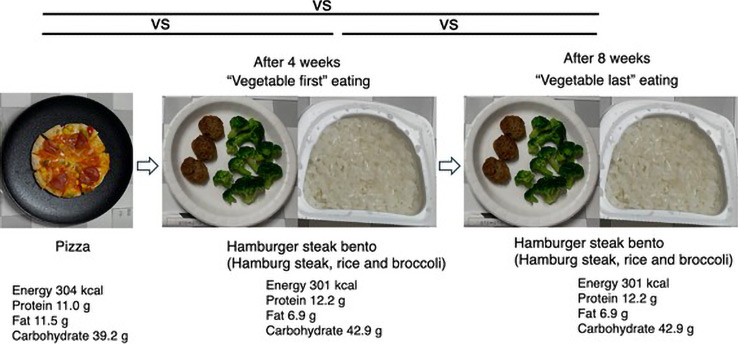
The researchers studied 41 adults (18 men and 23 women, aged 20 to 65) who each consumed three test meals over the course of several weeks: pizza, a hamburger steak bento with vegetables eaten first, and the same bento with vegetables eaten last. Using a wearable chewing sensor and video analysis, they measured each participant’s meal duration, number of chews and bites, and chewing tempo.
The results were clear. Participants ate pizza significantly faster than the bento meals, with shorter meal times and fewer chews, regardless of the vegetable order. In contrast, the bento meals—eaten with chopsticks and composed of separate portions like rice, vegetables, and meat—encouraged longer eating times and more chewing. Interestingly, the number of bites was consistent across all meals, and chewing tempo varied only slightly but reached statistical significance.
Gender and age differences in eating patterns
The study also examined differences between men and women and found that men generally ate more quickly and chewed less than women. However, both groups followed the same overall pattern: bento meals took longer to eat and involved more chewing.
Older participants tended to eat faster than younger ones, which may be linked to differences in dental health or chewing ability. While it might be expected that individuals with a higher body mass index (BMI) would eat more quickly, the study found no link between BMI and meal duration, challenging common assumptions. Instead, the researchers suggest that people with obesity may be more likely to choose ultra-processed, easy-to-eat foods like pizza, which can encourage faster eating and increase the risk of overeating.
Prof. Iizuka explains, “One key factor affecting meal speed is how the food is served and eaten. Bento meals are served in small portions that need to be picked up with chopsticks, which slows down the process. In contrast, pizza is eaten by hand and is often designed to be eaten quickly. This difference in serving style plays a big role in how fast people eat.”
Chewing tempo and health implications
Scientists also point out that chewing tempo, or how fast people chew, is controlled by the brain’s natural rhythm and is less likely to change. However, the number of chews and the time spent chewing can vary based on the meal type. Eating slowly by taking more chews and smaller bites helps extend the meal duration, which is linked to better digestion and weight control.
“If we want to help people eat more slowly, we should focus less on telling them how to chew and more on helping them choose meals that require slower, more deliberate eating; this could be a simple yet powerful tool in our fight against obesity and related diseases,” says Prof. Iizuka.
In conclusion, this study highlights that making simple meal choices—like opting for traditional bento-style meals over fast food—can naturally slow down eating, increase chewing, and support healthier habits. As obesity rates continue to rise, focusing on what we eat, rather than just how we eat, may be a practical and effective step toward better nutrition and long-term well-being. Simple habits like these could make a big difference in promoting healthy eating behaviors.
Reference: “The Meal Type Rather than the Meal Sequence Affects the Meal Duration, Number of Chews, and Chewing Tempo” by Kanako Deguchi, Megumi Aoshima, Eri Hiraiwa, Chisato Ono, Chihiro Ushiroda, Risako Yamamoto-Wada, Mitsuyoshi Yoshida and Katsumi Iizuka, 2 May 2025, Nutrients.
DOI: 10.3390/nu17091576
Funding: Suzuken Memorial Foundation
The research was also supported by Kanako Deguchi from the Department of Clinical Nutrition at Fujita Health University.
Never miss a breakthrough: Join the SciTechDaily newsletter.
Follow us on Google and Google News.