
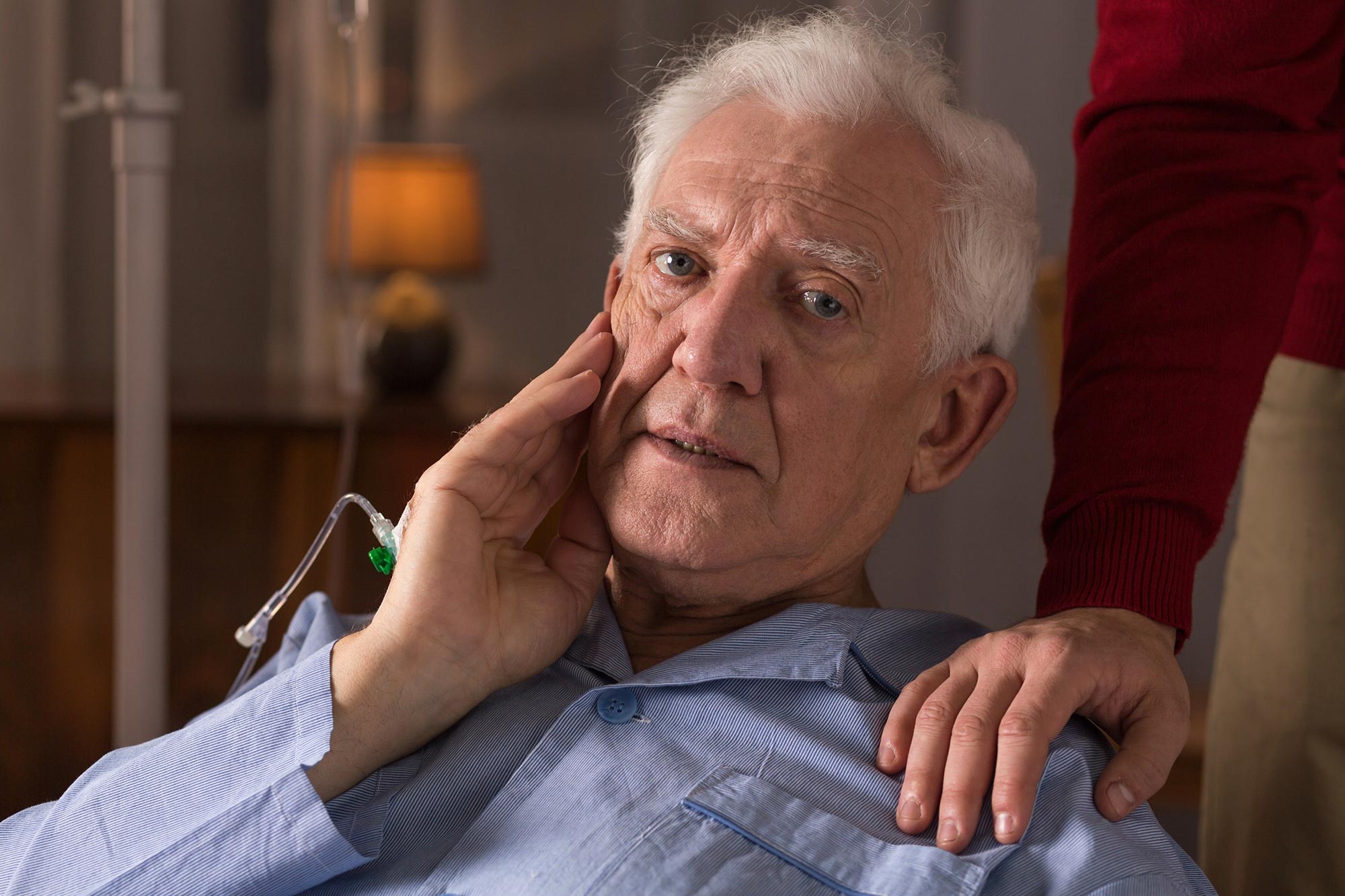
Researchers at the University of Queensland found that nearly 70% of suspected frontotemporal dementia patients were ultimately misdiagnosed in a study investigating the factors contributing to this challenging condition.
Researchers at the University of Queensland found that nearly 70% of patients initially suspected of having frontotemporal dementia (FTD) were ultimately misdiagnosed. Their study aimed to identify factors contributing to the frequent misdiagnosis of this challenging neurological disorder.
Psychiatrist Dr. Joshua Flavell, in collaboration with cognitive neurologist Professor Peter Nestor, conducted the research at the Mater Hospital Memory and Cognitive Disorders Clinic and UQ’s Queensland Brain Institute. They analyzed data from 100 patients referred by specialists, including neurologists, psychiatrists, and geriatricians, who had suspected cases of FTD.
“Of the 100 patients, 34 were true-positive, and 66 were false-positive for frontotemporal dementia,” Dr. Flavell said. “We found that misinterpretation of brain scans, particularly nuclear imaging, led to 32 patients being incorrectly diagnosed. Likewise, cognitive testing, such as tests of executive function, also contributed to misdiagnoses in 20 patients.”
The study compared the initial referral information with the final clinical diagnoses to determine patterns in diagnostic accuracy.
Understanding Frontotemporal Dementia
Frontotemporal dementia is one of the most common forms of dementia in people aged under 65.
Unlike Alzheimer’s, which is characterized by memory problems, frontotemporal dementia involves degeneration of the frontal and temporal lobes of the brain, affecting personality and behavior.
Dr. Flavell said the study highlighted the need for careful interpretation of diagnostic tests in patients suspected of having the disease.
“We found patients with prior psychiatric histories were more likely to be misdiagnosed,” he said. “Misinterpretation of brain scans and cognitive testing, particularly formal neuropsychological testing, significantly contributed to inaccurate diagnoses.”
Challenges in Diagnosis and Recommendations
Professor Nestor said physicians should be cautious not to over-interpret neuroimaging and neuropsychology results and be hesitant to label behavioral change as frontotemporal dementia in patients with prior psychiatric histories.
“More emphasis should be placed on directly observing behaviors associated with frontotemporal dementia and physical neurological signs in the clinic, rather than relying solely on second-hand reports of symptoms,” he said. “The team compared the initial referral diagnosis of suspected frontotemporal dementia to long-term outcome, following people for as long as five years to be confident of the diagnosis. By raising awareness of these pitfalls in the diagnostic process, we feel that diagnostic accuracy for frontotemporal dementia can be improved.”
Reference: “Factors associated with true-positive and false-positive diagnoses of behavioural variant frontotemporal dementia in 100 consecutive referrals from specialist physicians” by Joshua Flavell, Emily G. M. Ahern, Benignus Logan, Thomas B. Shaw, Robert J. Adam, Caitlin A. T. McElligott and Peter J. Nestor, 14 January 2025, European Journal of Neurology.
DOI: 10.1111/ene.70036
Never miss a breakthrough: Join the SciTechDaily newsletter.
Follow us on Google and Google News.
4 Comments
To diagnose FTD you need two main tools:
1. Clinical awareness. Doctors, especially GPs, and psychologists need to be taught about this and advised it is more common than might be thought. Look for it in people in their 50s and 60s. Think of it if someone’s personality has changed or they seem ‘difficult’.
2. Take a detailed history from a close relative or friend or work colleague. Don’t rely on what the patient tells you.
My younger brother has FTD and it was missed by doctors and psychologists and paramedics. It is an horrendous disease.
What about an MRI to get a good diagnosis?
Neurology Nurse Practitioner here, an MRI would definitely be done in America. No questions asked. It’s a tough dx to make and for a family to get.
A recent study found that 70% of suspected frontotemporal dementia (FTD) cases were misdiagnosed, highlighting the importance of accurate diagnosis in neurodegenerative diseases. This is similar to Drift Boss, where precision and attention to detail are key to avoiding costly mistakes—whether on the track or in medical diagnoses.