

Mars, once rich with flowing water, is back in the spotlight thanks to new advances in climate modeling, space tech, and synthetic biology that make terraforming more plausible than ever.
From warming the planet with solar mirrors to planting hardy organisms that could eventually oxygenate the atmosphere, scientists envision a step-by-step transformation that not only changes Mars—but could teach us how to better care for Earth.
Mars: The Alluring Red Planet
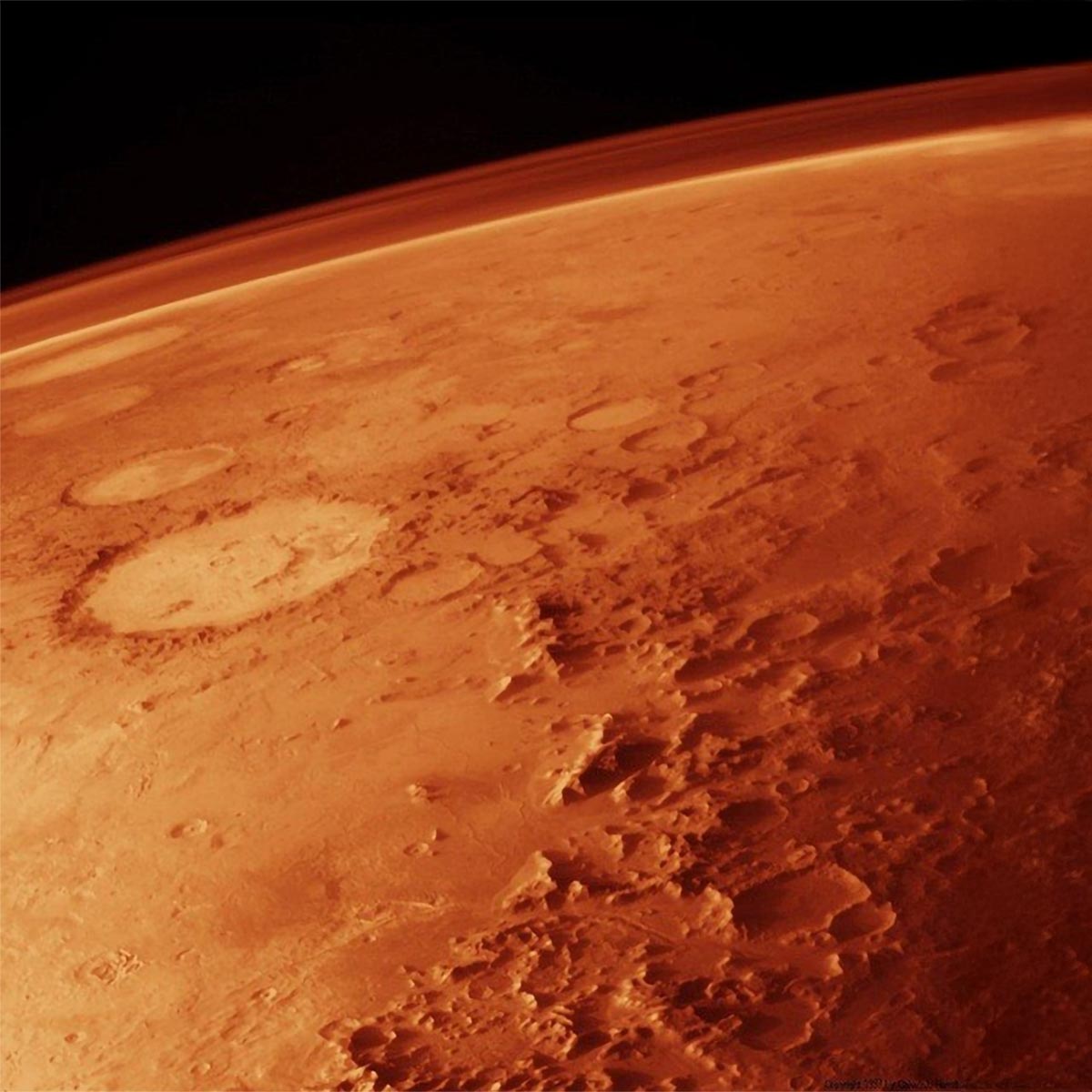
Mars, the fourth planet from the Sun, has long fascinated scientists and space enthusiasts alike. Its rust-colored surface and surprising similarities to Earth have earned it the nickname “the Red Planet.” Covered in iron oxide, Mars also boasts some of the most extreme landscapes in the Solar System, including Olympus Mons—the tallest volcano—and Valles Marineris, a canyon system that would stretch across the United States.
Although today’s Mars is cold and hostile, with a thin atmosphere and subzero temperatures, there are signs it was once much more Earth-like. Ancient riverbeds and polar ice caps suggest that water once flowed across its surface, raising the possibility that simple life forms may have existed there.
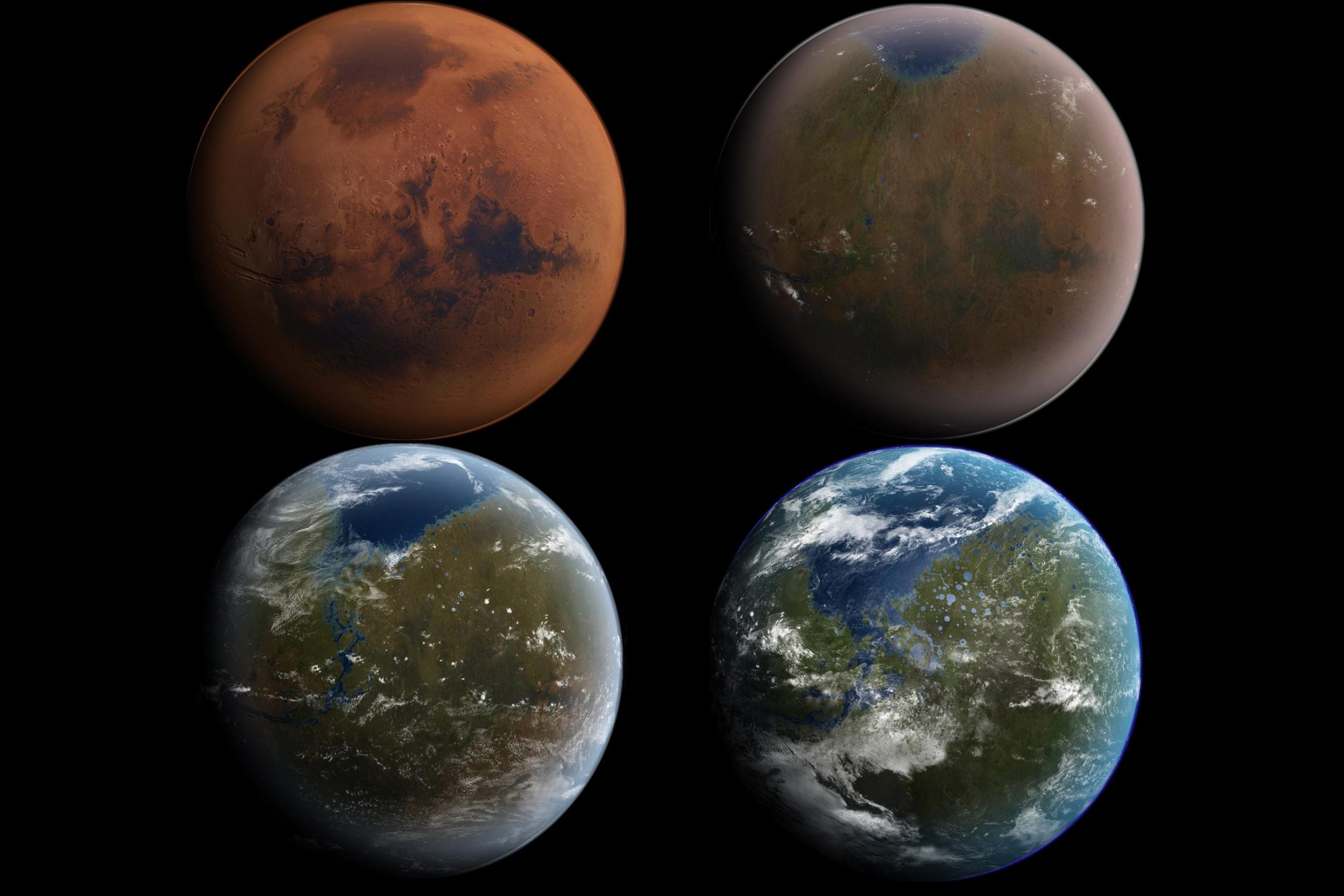
The idea of terraforming Mars—essentially reshaping the planet to support Earth life—has captured imaginations for decades. Some see it as a way to secure humanity’s future or restore a world that once held water. Others hope to move beyond small outposts and build truly self-sustaining settlements, while expanding scientific discovery.
But before diving into ethical debates about changing another world, we first have to ask: is it actually possible? Amazingly, the last major review of Mars terraforming feasibility was published all the way back in 1991. Now, a new paper in Nature Astronomy brings fresh attention—and optimism—to the challenge.
Three Breakthroughs Reviving Terraforming Research
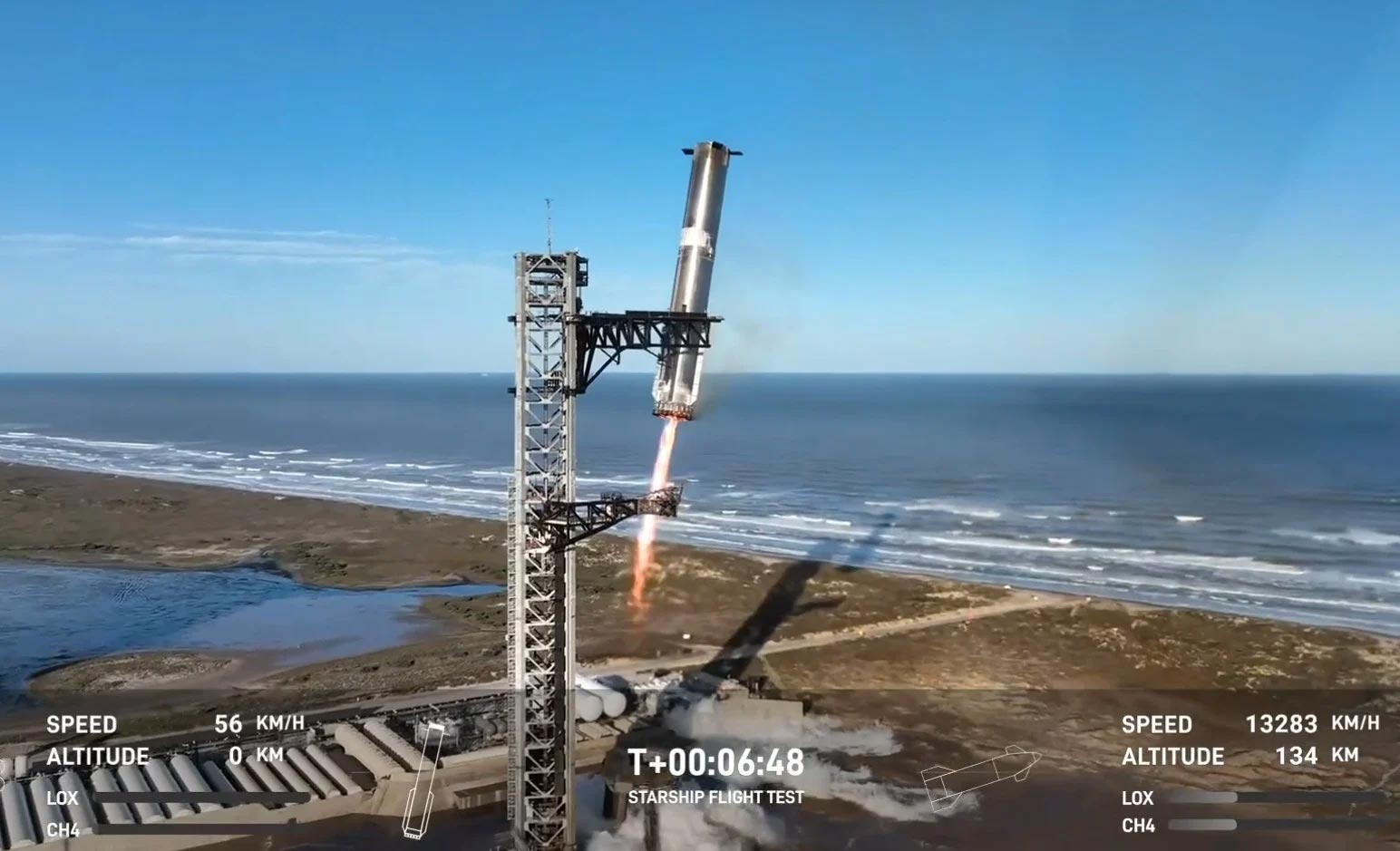
Led by Erika Alden DeBenedictis at Pioneer Research Labs, a team of scientists points to three recent breakthroughs that could reignite serious research into Mars terraforming. First, advanced climate models and new engineering tools are offering more realistic ways to warm the planet. Second, we’re learning how extremophiles—organisms that thrive in extreme environments—and synthetic biology could help kick-start Martian ecosystems. And third, powerful new space technologies like SpaceX’s Starship could slash the cost of sending supplies to Mars by a factor of 1,000.
Together, these advances suggest that transforming Mars may no longer be a distant dream. Scientists now propose a three-phase approach to make the Red Planet habitable—and possibly even breathable—in the centuries to come.
Warming Mars: Tools and Techniques
In the short term, Mars terraforming research has advanced significantly since initial proposals thirty years ago. Despite Mars’ current hostile environment it possesses sufficient ice reserves and soil nutrients to potentially support life if temperatures rise by at least 30°C. New warming methods—including solar mirrors, engineered aerosols, and surface modifications using materials like silica aerogels—appear more efficient than earlier proposals. Combined with available greater launch capacity, these techniques could potentially warm Mars enough within this century to permit liquid water and support the first extremophilic organisms.
Building an Alien Ecosystem
The mid-to-long term vision involves introducing pioneer species engineered to withstand Mars’ unique stressors (low pressure, oxychlorine salts, extreme temperatures, radiation, and low water activity). These organisms would initiate ecological succession, gradually transforming the planet’s chemistry and potentially producing oxygen. While initial habitation would require protective environments, the ultimate goal could be a 100 mbar oxygen atmosphere—created entirely from in-situ resources—sufficient for humans to breathe outside without pressure suits. This transformation presents both scientific opportunities and ethical questions, particularly regarding potential indigenous Martian life, which should be thoroughly investigated before large-scale terraforming begins.
Terraforming’s Earthly Payoff
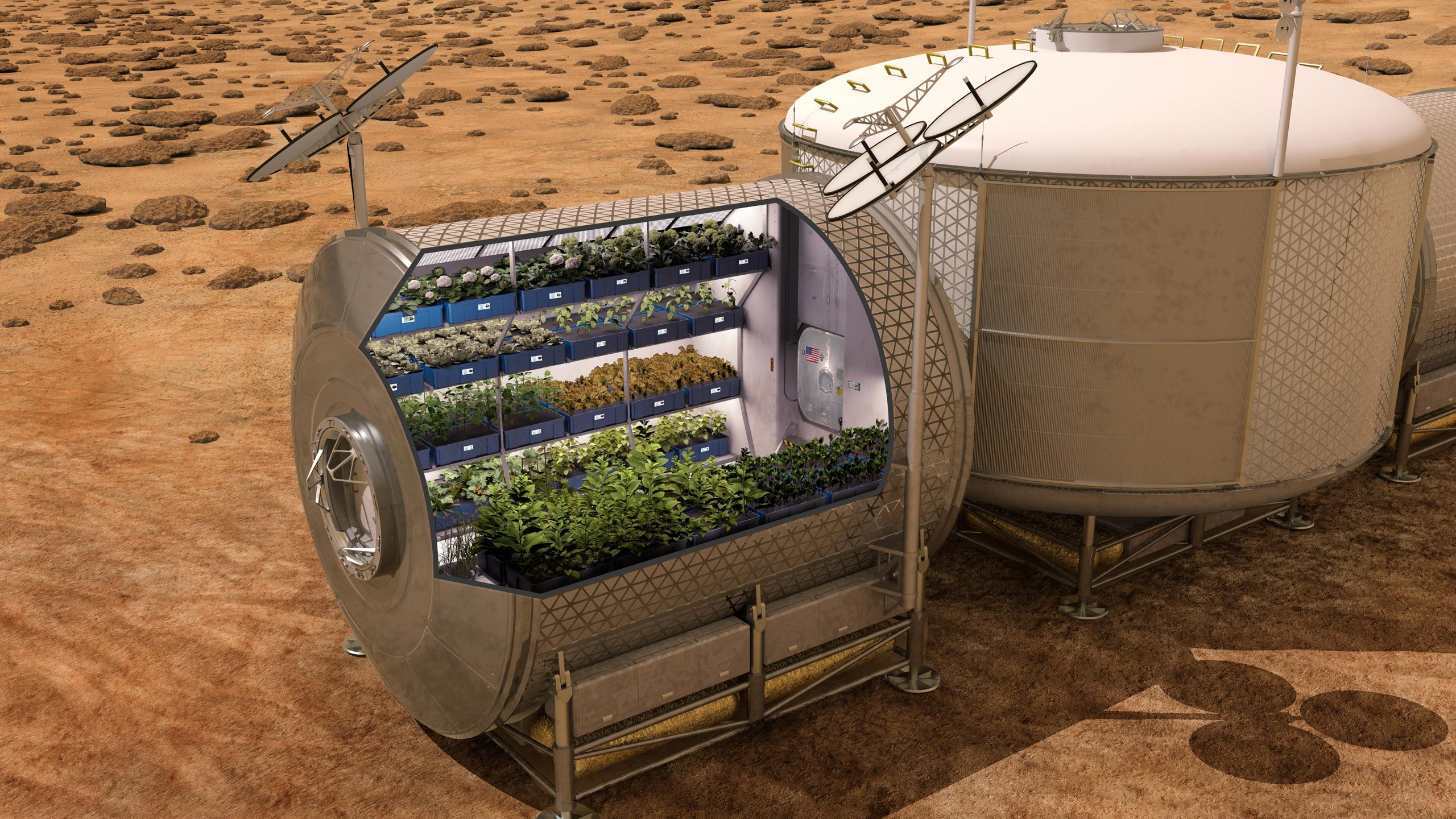
The research presents a sustainable, ecologically minded vision for Mars with terraforming that could benefit Earth through technologies we could use here like desiccation-resistant crops and improved ecosystem modeling. Such an endeavor will take hundreds of years to complete full transformation of Mars but rather than diverting attention from our own environmental challenges, Mars terraforming research could provide valuable insights for planetary sustainability while serving as a crucial testbed for proving scientific theories.
Adapted from an article originally published on Universe Today.
Explore Further: Terraforming Mars Isn’t Sci-Fi Anymore – Here’s What It Would Take
Reference: “The case for Mars terraforming research” by Erika Alden DeBenedictis, Edwin S. Kite, Robin D. Wordsworth, Nina L. Lanza, Charles S. Cockell, Pamela A. Silver, Ramses M. Ramirez, John Cumbers, Hooman Mohseni, Christopher E. Mason, Woodward W. Fischer and Christopher P. McKay, 13 May 2025, Nature Astronomy.
DOI: 10.1038/s41550-025-02548-0
Never miss a breakthrough: Join the SciTechDaily newsletter.
Follow us on Google and Google News.
24 Comments
We would also have to remelt Mars’s solid iron core and make it liquid again so it can have a magnetosphere so it can keep it’s atmosphere and not have it blown away by Sol’s ( our Sun ) solar wind and so we can walk around without being burned by UV rays, etc! More difficult. But maybe offer top companies an incentive to capture their emissions… Bad for this planet… Global warming but not for Mars.
When Mars had a thicker atmosphere, the sun was much more active. Although it would be beneficial tobl address continued atmospheric loss, it won’t be stripped again for millions of years at least.
What are we going to do with those little green people?????
Their children need to give back the two or three rovers they took to play with. Those kids need to be told rovers are not toys.
Without an Ionosphere life on Mars could not exist. Not to mention what little atmosphere Mars has is bleeding off to this day. Mars will not hold an atmosphere according to other scientific reports. Terra forming Mars is, and always will be a pipe dream.
Yup 100% correct
Yep! I’ve been saying this for years. If the core is dead. There’s really not much you can do.
Why would when we have closer super Earth’s.
For those proposing the creation of a Martian oxygen atmospere: The loss of Mars’ magnetic field prevents the creation of an atmosphere. Almost all new games created would be swept into space by the solar wind.
That was my biggest question while reading this article. Funny how they just left that part out all together
I agree! The only reasonable solution is a Dyson Sphere(lol)!
Soooo… oxygen is great and important but what about the the inert gas that will be needed to have a stable atmosphere? The earth uses nitrogen but could get away with argon, helium and maybe others. Co2 will not work for animal life. I don’t see it being possible to make Mars a viable alternative for Earth.
There’s an easier way to terraform Mars. It involves heating it up. Then gaining more mass on the ground using it’s carbon from it’s atmosphere. Then splitting it’s water to thicken it’s atmosphere. Then by continually bringing more mass to Mars would allow it to hold more atmosphere. By putting coils of wire on Phobos and Deimos it might act as a temporary external magnetic field slightly to help reduce atmospheric loss until the planet can be established more. As Venus has a thick atmosphere despite not having much of a magnetic field.
It’s simple really, just get quaid to start the reactor.
You have to move the long displaced surface and subsurface materials composition to rebalance the magneto potential with the core. This and moving hazardous materials manufacturing and re-manufacturing to Mars. Human activity on Mars will make it into an utterly polluted and ugly planet – like everywhere humans are ever likely to inhabit.
They should. Just build a habitat space station like in the movie elysium, would be cheaper, easier and quicker to build 😀
No passive magnetosphere from a long-term (billions: 10^9’s of years) molten core by creating unstable nuclei from the iron on and in Mars and letting those sink to the core.
Without that it’s still a very temporary and thus useless Mars terraforming plan.
I love that you peddle this nonsense. Mars cannot be terraformed. It’ll never be terraformed. The “canvas” you’re working with, vs the effort you need to put in is on a truly cosmic scale that everyone just happily ignores.
You cannot just “nuke” the poles. You have to add mass, create an actual atmosphere that can sustain life. It’s folly. I wish people would stop writing about this nonsense, and instead figure out how to work better with the only planet in the known universe capable of sustaining life as we know it; Earth
Damn silly idea; the Earthling Martians would then attack Earth as they would want to claim Biblical ownership rights via the Adam and Eve mythology……………………….
Without a molten core, or some other means to create a magnetosphere, or similar way to deflect the solar winds, nothing will work.
More pointless promotion of a deluded billionaires wet dream.
We can’t even get it together to keep this planet livable (for humans,) what chance we can sort a different planet.
This research may well help us deal with problems here, but a livable Mars? Even in a couple of hundred years? Supremely unlikely.
Why not have artificial or as a planet on planet we as tecnogianl lbrings us fast up as space easy to make my days for others saying we get there
No magnetic field = no viable atmosphere.
If we have the technology to teraform Mars, then we should have the technology to ‘fix’ planet Earth. Address climate change, THEN talk about finding another planet to ruin.
Mars having a weak magnetic field can be solved, by making a coil that surrounds the planet, creating a stater. The planet’s magnetic fluctuations as the planet spins, will electrically charge the coil. In turn the coil generates a stronger magnetic field to protect Mars form the solar flares from the sun. Could this be feasible?