
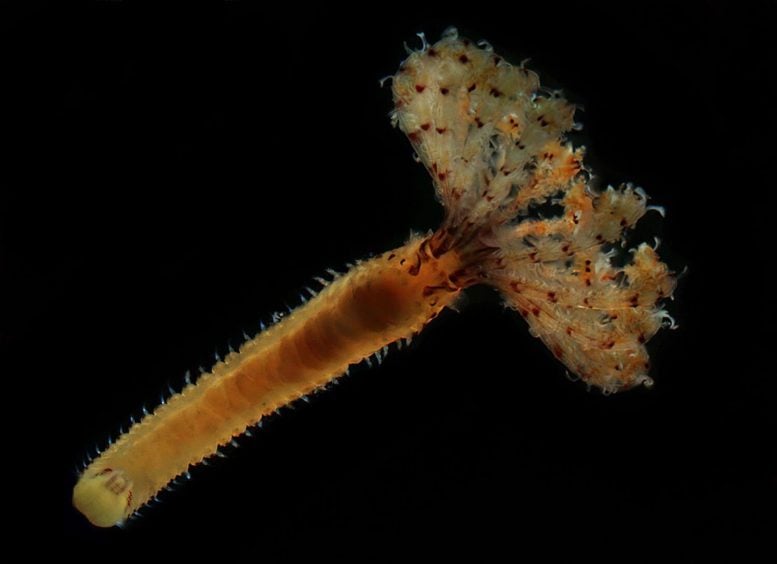
EuroWorm is building an open genomic inventory of European marine annelids to combat biodiversity loss and accelerate species discovery. By linking historical collections with modern genomics, the project strengthens global research and museum infrastructure.
Across the globe, species are vanishing at an unprecedented pace—accelerated by climate change, habitat loss, and invasive species. Organisms that have received little scientific attention, including many marine worms, face particular risks. Some may disappear before researchers have the chance to formally identify and describe them.
To tackle this challenge, scientists from the University of Göttingen, the Leibniz Institute for Biodiversity Change Analysis (LIB), and the Senckenberg Society for Nature Research are assembling a detailed dataset on European “marine” annelids—segmented sea worms—and making it freely available to the global scientific community.
The goal is to support the discovery of previously unknown species and expand understanding of life’s diversity worldwide. The initiative, titled “EuroWorm: Accelerating Global Marine Annelid Biodiversity Research with Open Genomic Data for European Species,” is coordinated by the LIB and funded by the Leibniz Association.
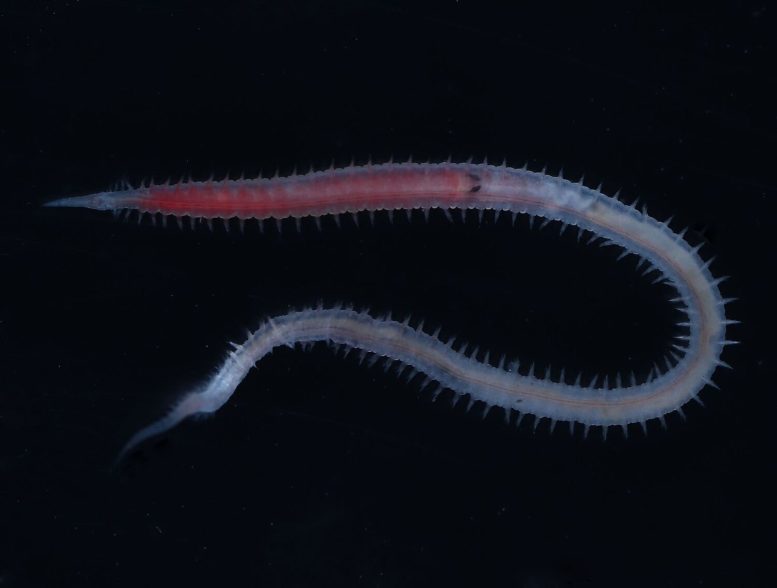
Why Marine Annelids Matter in Ocean Ecosystems
Marine annelids are found in nearly every type of ocean habitat. They stir up and oxygenate sediments, break down and recycle nutrients, serve as indicators of environmental pollution, and form a crucial link in marine food webs. As part of the project, researchers will collect samples from European sites where hundreds of species were originally described.
Each specimen will be examined morphologically—meaning by their form, structure, or shape—photographed in high resolution, and analyzed using modern genomic and other advanced techniques.
Through this work, the team intends to assemble a comprehensive genomic catalogue of European marine annelids. This resource will help clarify how different groups are related within the evolutionary family tree and shed light on how their body structures, reproductive strategies, and lifestyles have evolved.
Open Genomic Data and Museum Collections
All collected worms, together with their images and genomic information, will become part of the LIB collections at the Museum of Natural History Hamburg and the Senckenberg Natural History Museum. Scientists around the world, particularly those in the Global South, will be able to request specimens and access the data through the LIB and Senckenberg online portals as well as platforms such as GBIF.
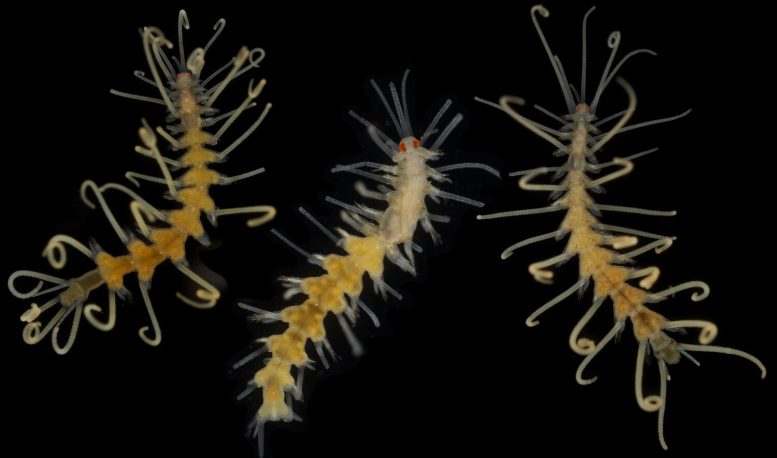
“By comparing data on European species, we hope to accelerate the discovery of new species and biodiversity research worldwide—and thus counteract the ‘silent extinction’ of marine species,” explains project leader Dr. Jenna Moore from the LIB. The project also seeks to reinforce the importance of natural history museums as cutting-edge research infrastructures.
Three members of Göttingen University’s Animal Evolution and Biodiversity research group are involved in the collaboration. “Such collections are scientific time capsules,” says Dr. Maria Teresa Aguado Molina: “Historical collections, combined with modern genomics, are unlocking hidden biodiversity at an unprecedented pace.
Göttingen’s Annelid Research Tradition and Interdisciplinary Collaboration
EuroWorm shows that the most advanced discoveries begin with specimens collected decades ago.” Professor Christoph Bleidorn highlights that annelid evolution has been studied in Göttingen for many years: “This means we are all the more delighted to be able to pursue these questions further as part of a project funded by the Leibniz Association.”
The project brings together specialists and methodological expertise from several institutions. According to Dr. Conrad Helm, “The comprehensive, interdisciplinary approach provides an excellent basis for thoroughly documenting the diversity of marine annelids and, at the same time, for specifically defining future research priorities.”
Never miss a breakthrough: Join the SciTechDaily newsletter.
Follow us on Google and Google News.
1 Comment
thanks