
Close Menu
    Facebook X (Twitter) Instagram
    SciTechDaily
    • Biology
    • Chemistry
    • Earth
    • Health
    • Physics
    • Science
    • Space
    • Technology
    Facebook X (Twitter) Pinterest YouTube RSS
    SciTechDaily
    Home»Biology»The Invisible Hijackers: How Respiratory Bacteria Sabotage Our Immune System
    Biology

    The Invisible Hijackers: How Respiratory Bacteria Sabotage Our Immune System

    By University of QueenslandJuly 11, 2024No Comments3 Mins Read
    Facebook Twitter Pinterest Telegram LinkedIn WhatsApp Email Reddit
    Share
    Facebook Twitter LinkedIn Pinterest Telegram Email Reddit
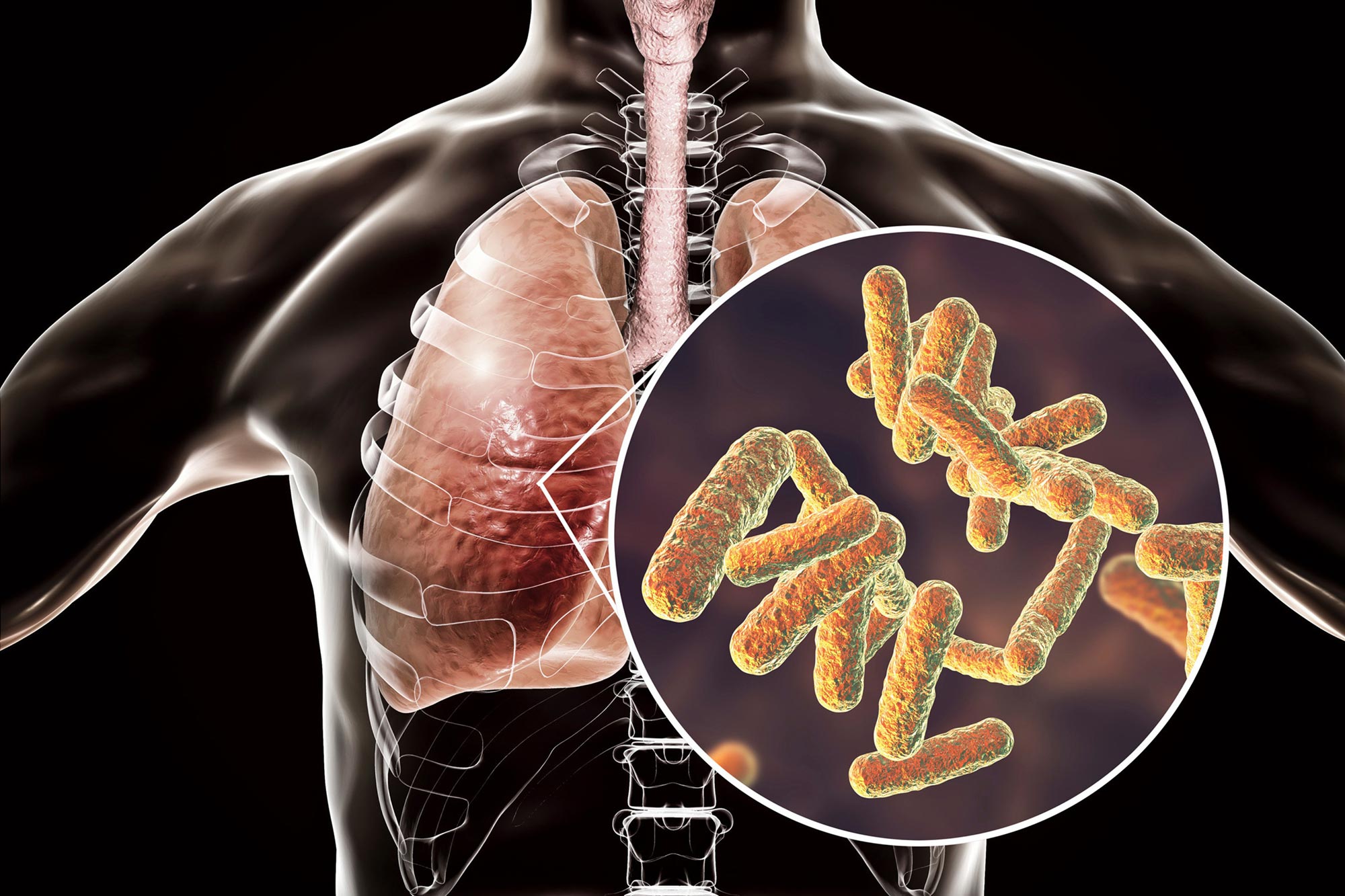
    Bacterial Pneumonia Human Lungs
    Researchers have discovered how Haemophilus influenzae, a bacterium associated with respiratory infections, manipulates the human immune system to persist and cause chronic illness.

    University of Queensland researchers have unveiled how Haemophilus influenzae manipulates immune responses to foster chronic respiratory infections.

    By deactivating immune defenses, this bacterium avoids detection and exacerbates conditions like asthma and COPD. The findings suggest potential for new treatments that boost the immune system’s ability to counteract this bacterium.

    Scientists at The University of Queensland have identified how a common bacterium can manipulate the human immune system during respiratory infections and cause persistent illness. The researchers were led by Professor Ulrike Kappler from UQ’s School of Chemical and Molecular Biosciences.

    The study investigated the virulence mechanisms of Haemophilus influenzae, a bacterium that plays a significant role in worsening respiratory tract infections.
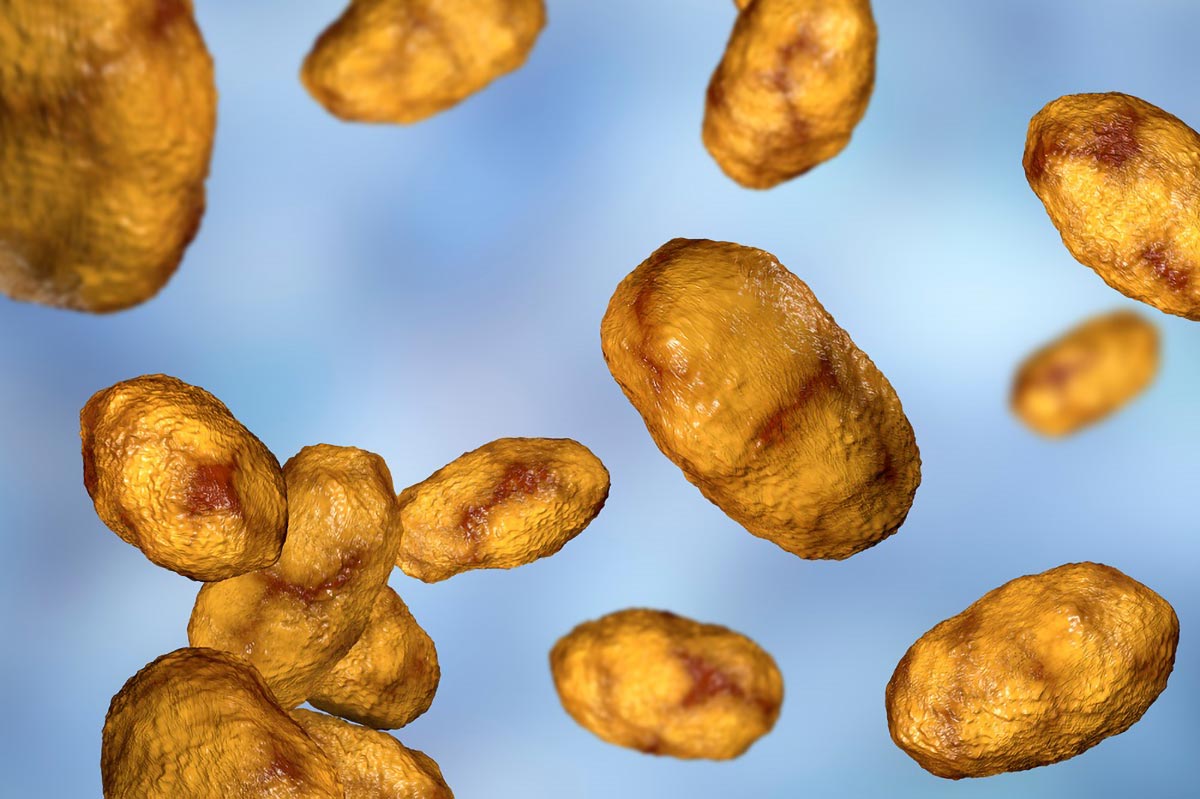
    Haemophilus Influenzae Bacteria
    A microscopic view of Haemophilus influenzae bacteria. Credit: UQ

    The Impact on Vulnerable Populations

    “These bacteria are especially damaging to vulnerable groups, such as those with cystic fibrosis, asthma, the elderly, and Indigenous communities,” Professor Kappler said.

    “In some conditions, such as asthma and chronic obstructive pulmonary disease, they can drastically worsen symptoms.

    “Our research shows the bacterium persists by essentially turning off the body’s immune responses, inducing a state of tolerance in human respiratory tissues.”

    Professor Kappler said the bacterium had a unique ability to ‘talk’ to and deactivate the immune system, convincing it there was no threat.

    Innovative Research Methods and Findings

    The researchers prepared human nasal tissue in the lab, growing it to resemble the surfaces of the human respiratory tract, then monitored gene expression changes over a 14-day ‘infection’.

    They found very limited production of inflammation molecules over time, which normally would be produced within hours of bacteria infecting human cells.

    “We then applied both live and dead Haemophilus influenzae, showing the dead bacteria caused a fast production of the inflammation makers, while live bacteria prevented this,” Professor Kappler said.

    “This proved that the bacteria can actively reduce the human immune response.”

    Co-author and pediatric respiratory physician Emeritus Professor Peter Sly from UQ’s Faculty of Medicine, said the results show how Haemophilus influenzae can cause chronic infections, essentially living in the cells that form the surface of the respiratory tract.

    Implications for Future Treatment Strategies

    “This is a rare behavior that many other bacteria don’t possess,” Emeritus Professor Sly said.

    “If local immunity drops, for example during a viral infection, the bacteria may be able to ‘take over’ and cause a more severe infection.”

    The findings will lead to future work toward new treatments to prevent these infections by helping the immune system recognize and kill these bacteria.

    “We’ll look at ways of developing treatments that enhance the immune system’s ability to detect and eliminate the pathogen before it can cause further damage,” Professor Kappler said.

    The research was published in PLOS Pathogens.

    Reference: “Tolerance to Haemophilus influenzae infection in human epithelial cells: Insights from a primary cell-based model” by Ulrike Kappler, Anna Henningham, Marufa Nasreen, Ayaho Yamamoto, Andrew H. Buultjens, Timothy P. Stinear, Peter Sly and Emmanuelle Fantino, 11 July 2024, PLOS Pathogens.
    DOI: 10.1371/journal.ppat.1012282

    Never miss a breakthrough: Join the SciTechDaily newsletter.
    Follow us on Google and Google News.

    Bacteria Immunology Infectious Diseases University of Queensland
    Share. Facebook Twitter Pinterest LinkedIn Email Reddit

    Related Articles

    The Invisible Assassin: How E. Coli’s Hidden Mutation Turns Deadly

    Evolution of a Killer: How African Salmonella Made the Leap From Gut to Bloodstream Infections in Humans

    Evolution Favors New Epidemic Diseases of “Intermediate” Severity

    New High-Speed Test Shows How Antibiotics Combine to Kill Bacteria

    Immune System’s Response to COVID-19 Was Just Revealed by Scientists Who Discovered SARS

    Supercharged Bacterial “Clones” Spark Scarlet Fever’s Global Re-emergence

    From Jekyll to Hyde: Genetic Mutation That Makes E. Coli Deadlier Pinpointed

    Study Reveals How Deadly Bacteria Trick the Immune System

    Study Provides Evidence That Viruses Can Have Immune Systems

    Leave A Reply Cancel Reply

    • Facebook
    • Twitter
    • Pinterest
    • YouTube

    Don't Miss a Discovery

    Subscribe for the Latest in Science & Tech!

    Trending News

    First-of-Its-Kind Discovery: Homer’s Iliad Found Embedded in a 1,600-Year-Old Egyptian Mummy

    Beyond Inflammation: Scientists Uncover New Cause of Persistent Rheumatoid Arthritis

    A Simple Molecule Could Unlock Safer, Easier Weight Loss

    Scientists Just Built a Quantum Battery That Charges Almost Instantly

    Researchers Unveil Groundbreaking Sustainable Solution to Vitamin B12 Deficiency

    Millions of People Have Osteopenia Without Realizing It – Here’s What You Need To Know

    Researchers Discover Boosting a Single Protein Helps the Brain Fight Alzheimer’s

    World-First Study Reveals Human Hearts Can Regenerate After a Heart Attack

    Follow SciTechDaily
    • Facebook
    • Twitter
    • YouTube
    • Pinterest
    • Newsletter
    • RSS
    SciTech News
    • Biology News
    • Chemistry News
    • Earth News
    • Health News
    • Physics News
    • Science News
    • Space News
    • Technology News
    Recent Posts
    • Scientists Discover New Way To Make Drug-Resistant Cancer Treatable Again
    • This Simple Exercise Trick Builds Muscle With Less Effort, Study Finds
    • Middle Age Is Becoming a Breaking Point in America, Study Reveals
    • Scientists Discover How Coffee Impacts Memory, Mood, and Gut Health
    • How Cells Copy DNA Might Matter More Than We Ever Realized
    Copyright © 1998 - 2026 SciTechDaily. All Rights Reserved.
    • Science News
    • About
    • Contact
    • Editorial Board
    • Privacy Policy
    • Terms of Use

    Type above and press Enter to search. Press Esc to cancel.