
Arizona’s young Bald Eagles head north, not south, during migration. Their habits reveal crucial habitats and major threats.
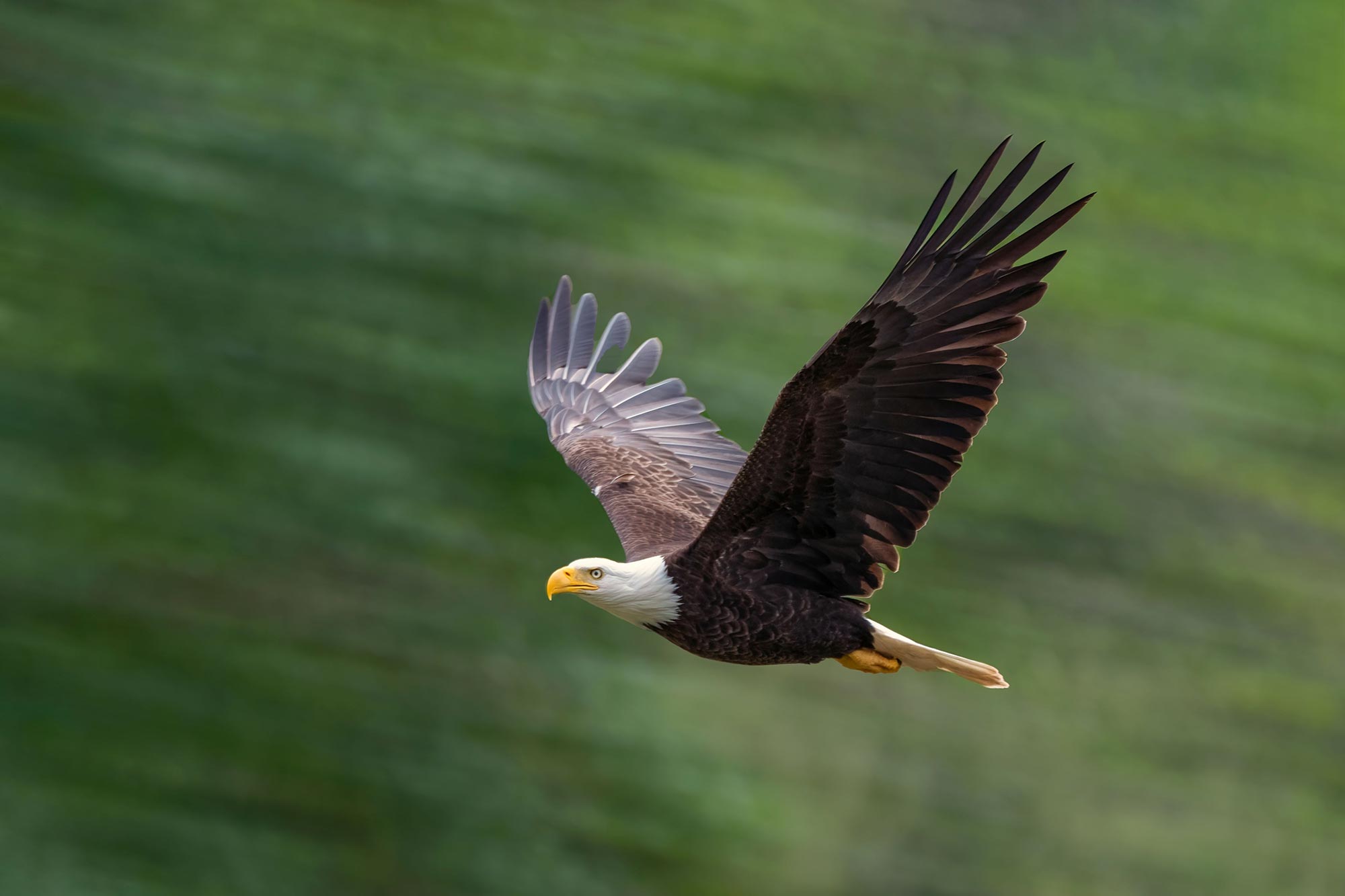
Birds do not always follow the patterns we expect from them. A recent study in the Journal of Raptor Research describes how Bald Eagles (Haliaeetus leucocephalus) in Arizona take an unusual approach to migration by traveling north instead of south, a reversal of what most temperate-zone migratory birds do.
The paper also documents one eagle that left Arizona entirely and eventually settled in California, a behavior that challenges earlier ideas about how individuals from this population disperse. The results reveal how boldly these southwestern Bald Eagles explore their landscape, likely as a way to make use of temporary food sources. As global conditions continue to shift, research that highlights flexible wildlife movement is essential for guiding conservation strategies and protecting migration pathways for vulnerable species.
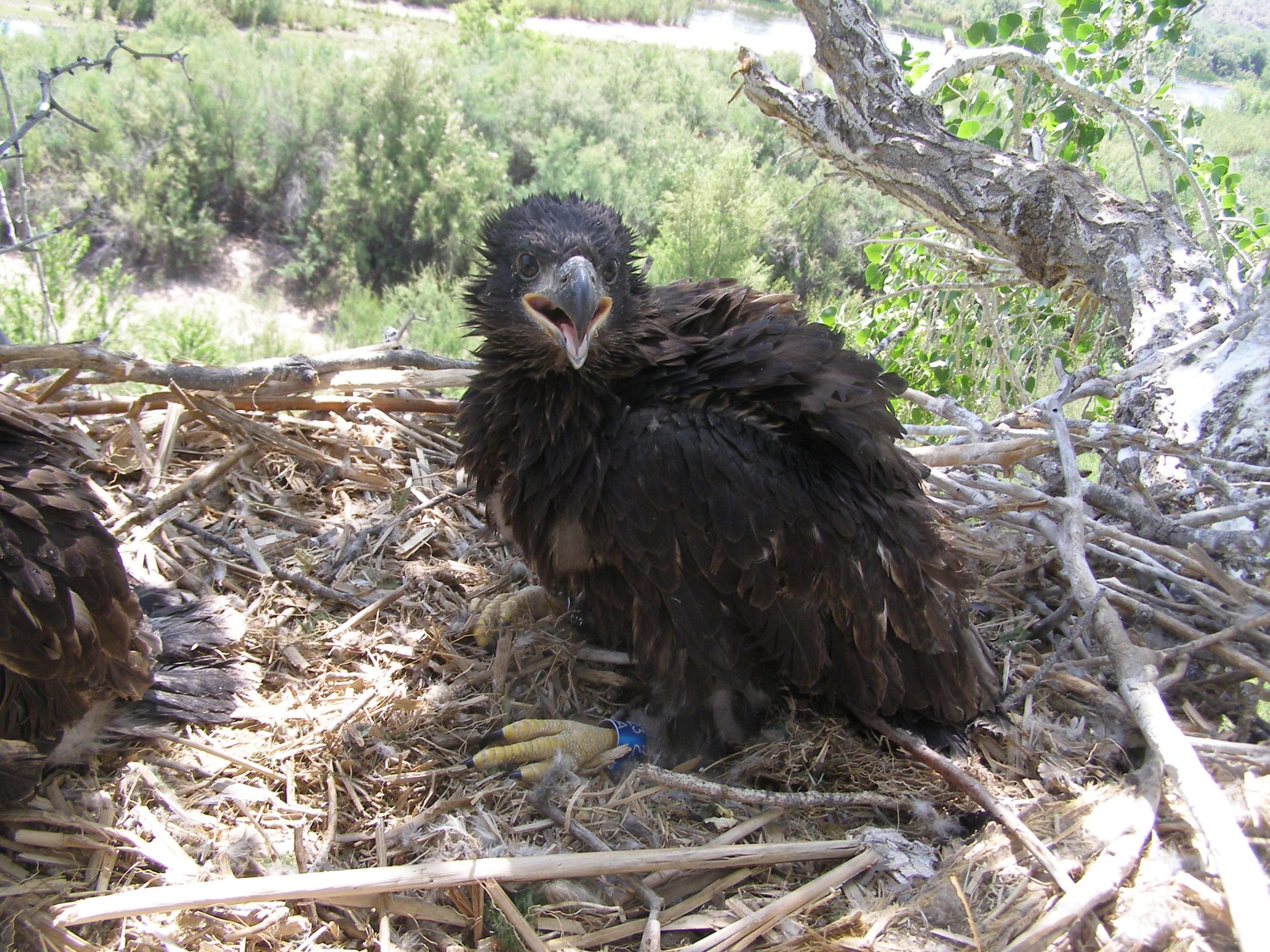
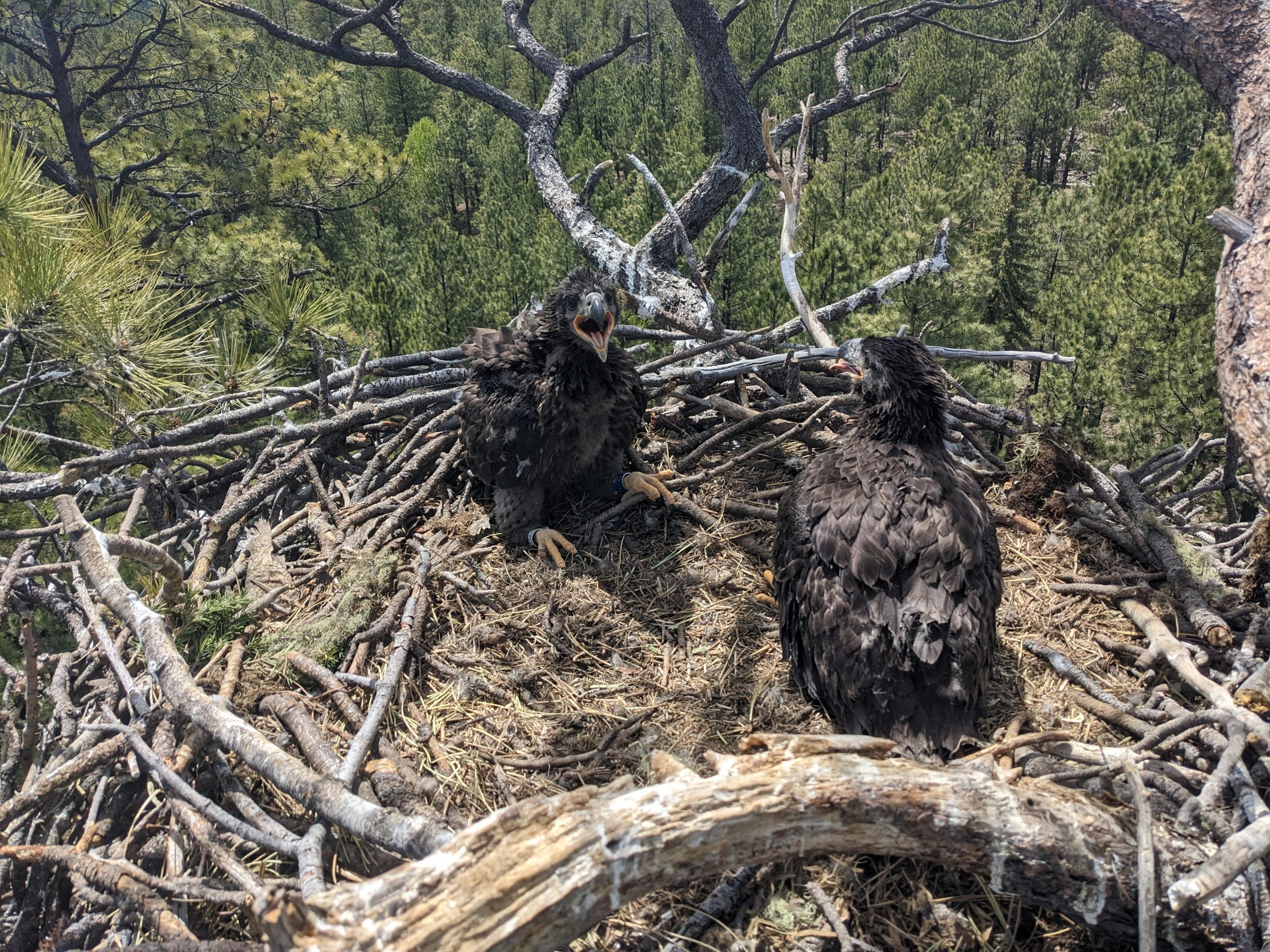
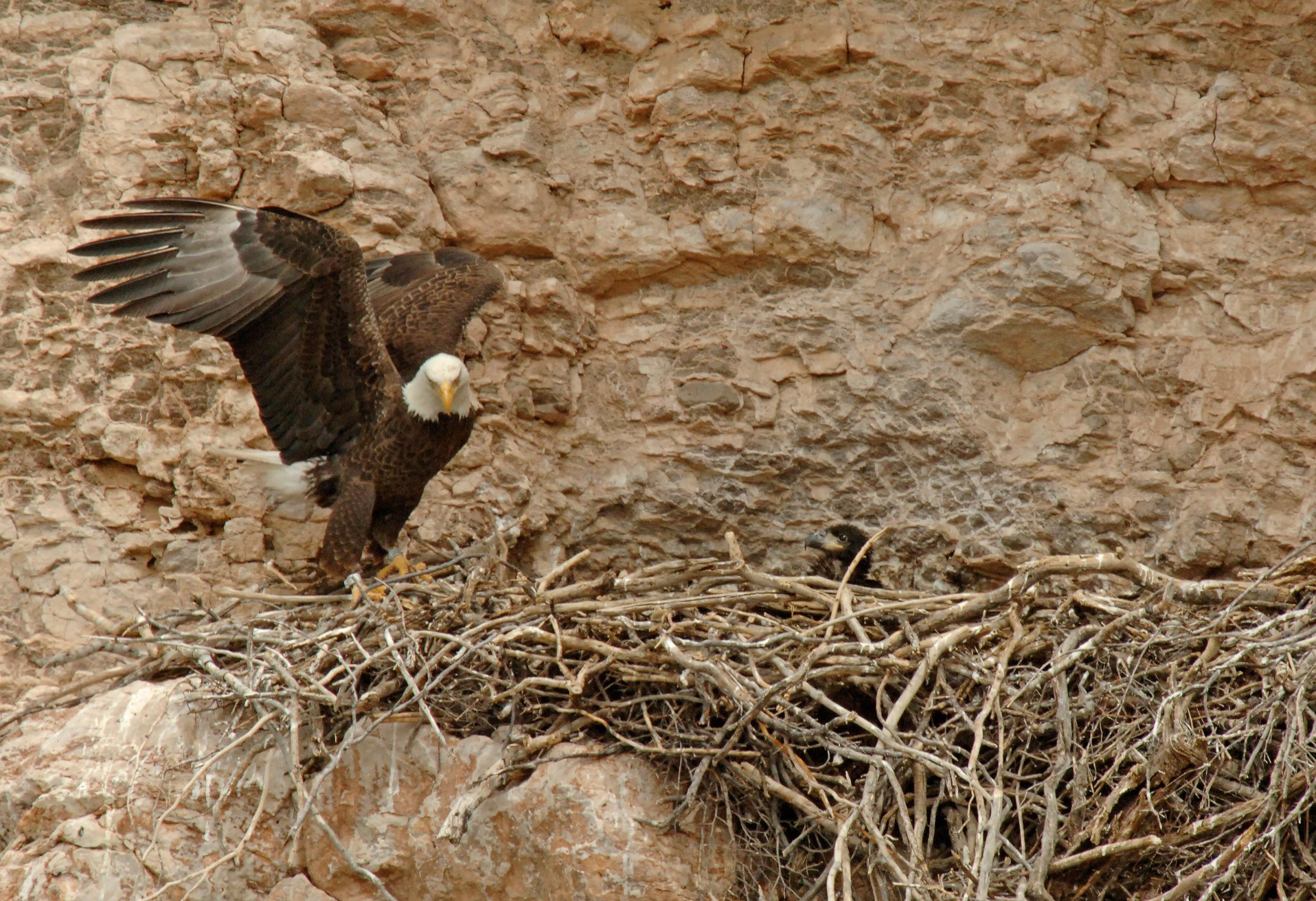
From 2017 to 2023, an Arizona-based research group used satellite transmitters to follow the movements of 24 newly fledged Bald Eagles and two nonbreeding adults within the state. Breeding Bald Eagles in Arizona are generally believed to stay close to their nesting territories for most of the year, but far less is known about the behavior of birds that have not yet begun to breed.
Because survival rates differ by age, comparing the travel patterns and survival of nonbreeders with those of breeding adults helps build a more complete picture of how the species functions across its range and how various life stages influence population trends.
Seasonal timing and northward migration patterns
The team monitored each eagle for as long as its tracking unit continued to function, with some devices providing up to four years of information during the seven-year study period. Many people tend to picture North American migratory birds heading south during the nonbreeding season, typically referred to as “winter,” in search of better weather and abundant food. Arizona’s Bald Eagles, however, begin nesting in winter, which means their non-breeding season falls in summer and fall.
Lead author Dr. Caroline D. Cappello found this timing especially intriguing and explained that “northward migratory behavior raises interesting questions about the recent and historical pressures that shape these movement strategies.”
The researchers also observed that many of the tracked eagles paused at the same lakes and rivers identified as important stopover sites for Bald Eagles in a study from the 1980s. This consistency reinforces how essential these habitats have been for generations of eagles.
Age-based differences and ecological drivers of movement
In addition to confirming a concentration along the Intermountain Flyway and the eagles’ reliance on lakes and rivers on their journeys, the team found that eagles across age classes migrated to the northern U.S. and southern Canada.
A coauthor of the paper, Dr. Javan M. Bauder, a USGS researcher, Assistant Unit Leader at the Arizona Cooperative Fish and Wildlife Research Unit and Assistant Professor at the University of Arizona underscores the importance of this, saying “managing and conserving wildlife populations requires that we understand the movement of patterns of individuals of all age classes within those populations.”
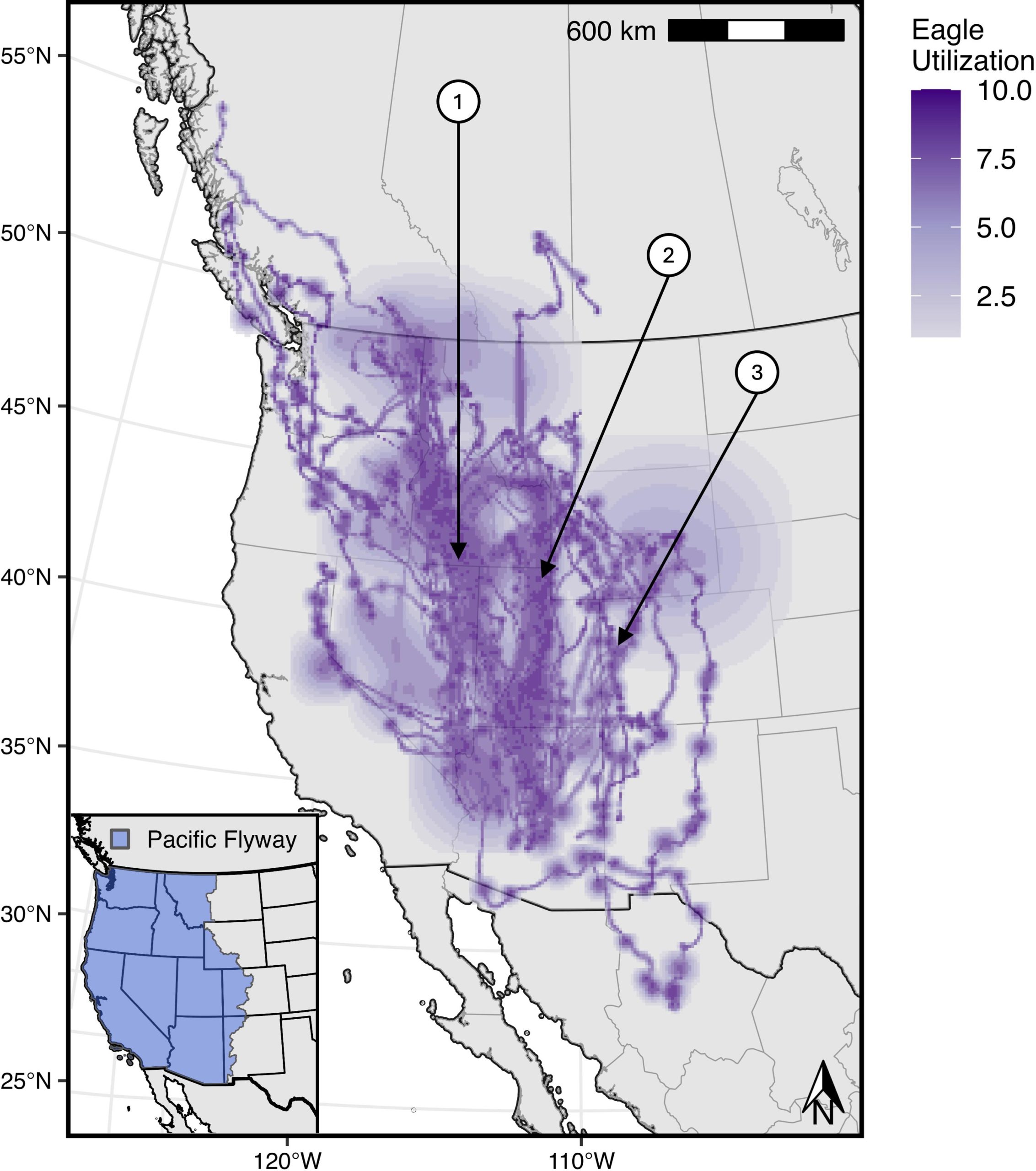
The team also reported that as eagles aged, their routes became more fine-tuned, and that most of the birds tracked for at least two years returned to Arizona in the autumn of their hatch year after a summer wander. The authors theorize that these eagles may be taking advantage of seasonal food sources such as spawning salmon, nesting waterfowl, or ungulate carcasses. Confirmation of this will require future study.
Bald Eagles, like other raptors, face a barrage of threats in today’s human-dominated landscape. One of the eagles in this study traveled through ten states and four Canadian provinces in her early years of life, before finally settling in northern California, where it seemed she might establish a breeding territory.
Then, at age four, she was electrocuted, a sadly frequent fate for large raptors. Her death was disappointing, says Cappello, not only because it “underscored the ongoing risks these birds face,” but also because emigration is a difficult population variable to measure. This young eagle’s apparent choice to settle in California would have offered a lens into the dispersal potential for Arizona-hatched Bald Eagles, which has rarely been documented.
Conservation implications and future research priorities
Lead and rodenticide poisoning, windmill collisions, habitat destruction, and climate uncertainty are additional perils for a young raptor. Studying raptors at all life stages, including their exploratory chapters, allows researchers to make evidence-based suggestions about which stopover sites might be protected, and which infrastructure adjustments, including electrical, could be implemented for better raptor survivorship.
The research team suggests future studies on route fidelity because, as Cappello says, “if consistent patterns exist, it could help focus conservation efforts on specific, high-use areas along their migratory route.” They also emphasize the value of comparative studies of other wildlife populations that migrate north from the southern extent of their range to further understand the costs and benefits of this strategy.
Reference: “Northward Migrations of Nonbreeding Bald Eagles from Arizona, USA” by Caroline D. Cappello, Kenneth V. Jacobson, James T. Driscoll, Kyle M. McCarty and Javan M. Bauder, 23 May 2025, Journal of Raptor Research.
DOI:10.3356/jrr2450
Never miss a breakthrough: Join the SciTechDaily newsletter.
Follow us on Google and Google News.