
Researchers say the finding provides new insights into the history of Asia’s rainforests.
For the first time, researchers have uncovered fossil remains belonging to a tropical tree species that still exists today and is currently endangered. The groundbreaking discovery, made in Brunei on the island of Borneo, offers new insight into the ancient origins of Asia’s rainforests and underscores the pressing need to protect these ecosystems, according to the Penn State scientists who led the study.
The team’s findings were recently published in the American Journal of Botany.
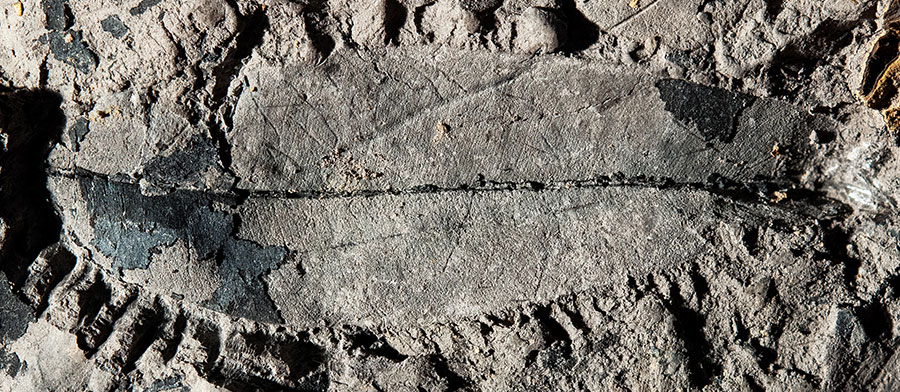
Dating back at least two million years, the fossils provide the first confirmed record of an endangered tropical tree species preserved in the fossil record.
Working in partnership with the University of Brunei and several international collaborators, the researchers identified the fossils as leaves of Dryobalanops rappa, a tree locally called the Kapur Paya. This towering dipterocarp species still grows today, though it is endangered and limited to Borneo’s carbon-rich peatland forests, including those in Brunei.
“This discovery provides a rare window into the ancient history of Asia’s wet tropical forests,” said Tengxiang Wang, a doctoral student in the College of Earth and Mineral Sciences at Penn State and lead author on the paper. “We now have fossil proof that this magnificent tree species has been a dominant part of Borneo’s forests for millions of years, emphasizing its ecological importance and the need to protect its remaining habitats.”
Rare Fossil Evidence From Asia’s Rainforests
Until now, the fossil record of Asia’s wet tropical forests has been surprisingly scarce compared to the Amazon and Africa, said Peter Wilf, professor of geosciences at Penn State and co-author.
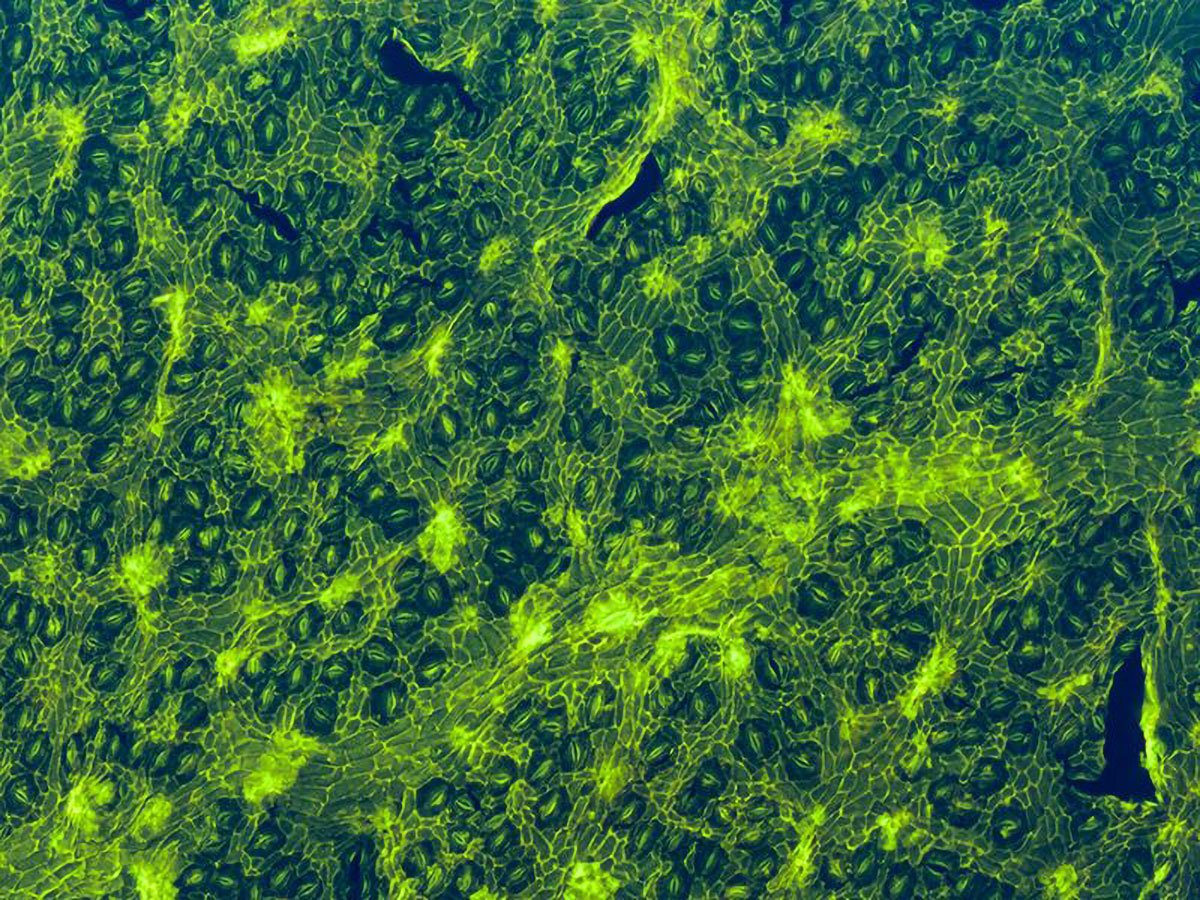
The team identified the fossils by analyzing microscopic features of the preserved leaf cuticles, which revealed a perfect match with modern Dryobalanops rappa, down to the last cellular detail.
“Our findings highlight that these forests are not just rich in biodiversity today but have been home to iconic tree species for millions of years,” Wang said. “Conserving them is not only about protecting present-day species but also about preserving a legacy of ecological resilience that has withstood millions of years.”
Dipterocarps, the dominant tree family in Asia’s rainforests, are critical for carbon storage and biodiversity. However, the researchers said, they are increasingly threatened by deforestation and habitat destruction. By revealing the deep historical roots of these trees, this discovery adds an important new perspective to conservation efforts.
Fossils Strengthening Conservation Strategies
“The findings add a new dimension to conservation; we are not only protecting modern species but ancient survivors that have been key components of their unique ecosystems for millions of years,” Wang said. “This historical perspective makes both the endangered trees and their habitats even more valuable for conservation. Our study also shows how fossil evidence can strengthen conservation strategies for threatened species and ecosystems based on their historical significance.”
Understanding the history of tropical forests is essential for their conservation, especially as many key species face rapid decline, Wilf said.
“Penn State’s paleobotany group is making exciting fossil discoveries with our international partners in several Southeast Asian countries, illuminating the poorly known history of the region’s magnificent and severely threatened tropical forests,” Wilf said. “Our finding fossils of living, endangered, giant tree species provides a vital historical foundation for conserving tropical Asia’s keystone trees, the rapidly disappearing dipterocarps.”
Reference: “Fossils of an endangered, endemic, giant dipterocarp species open a historical portal into Borneo’s vanishing rainforests” by Teng-Xiang Wang, Peter Wilf, Antonino Briguglio, László Kocsis, Michael P. Donovan, Xiaoyu Zou and J. W. Ferry Slik, 8 May 2025, American Journal of Botany.
DOI: 10.1002/ajb2.70036
Two collaborators on the paper are Penn State alumni: Michael Donovan, The Field Museum; and Xiaoyu Zou, University of California San Diego. Additionally, collaborators from other institutions include Antonino Briguglio, Università degli Studi di Genova; László Kocsis, University of Lausanne; and Ferry Silk, Universiti Brunei Darussalam.
The research was supported by the U.S. National Science Foundation, Universiti Brunei Darussalam research grants, and a Penn State Institute of Energy and the Environment seed grant.
Never miss a breakthrough: Join the SciTechDaily newsletter.
Follow us on Google and Google News.
1 Comment
Life is Good