
A new study from the University of Missouri reveals how the remarkable fossil preservation at Mazon Creek recorded a wide range of life forms from land, delta, and marine environments.
Over 300 million years ago, during the Carboniferous Period, northern Illinois, including the area now known as the Mazon Creek fossil site near present-day Chicago, was teeming with life in its dense tropical swamps, deltas, and shallow coastal waters.
Today, scientists from the University of Missouri’s College of Arts and Science are working with geologist Gordon Baird to reexamine his extensive fossil collection from Mazon Creek. This collection, currently held at Chicago’s Field Museum, contains 300,000 siderite concretions gathered from approximately 350 different locations.
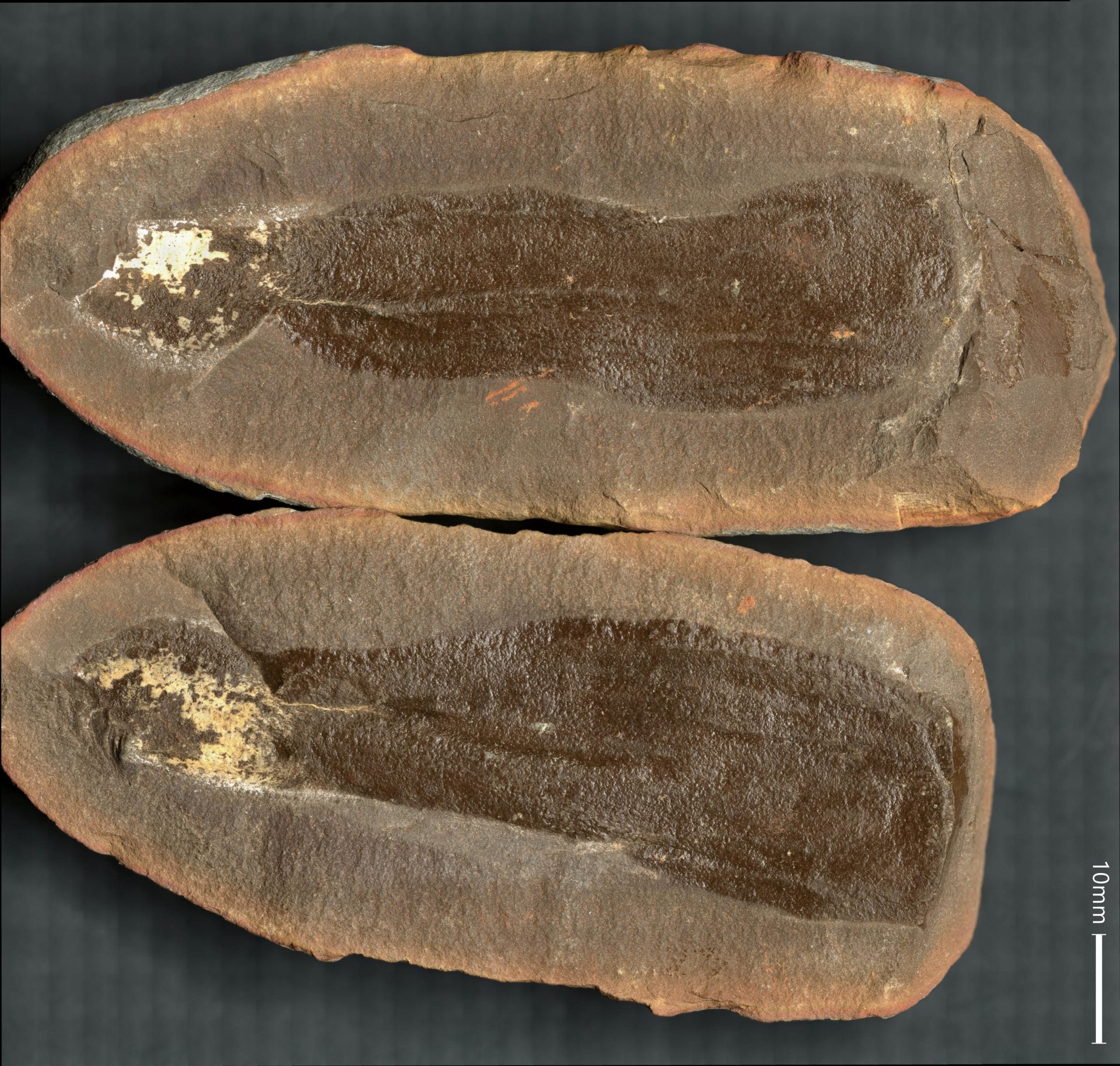
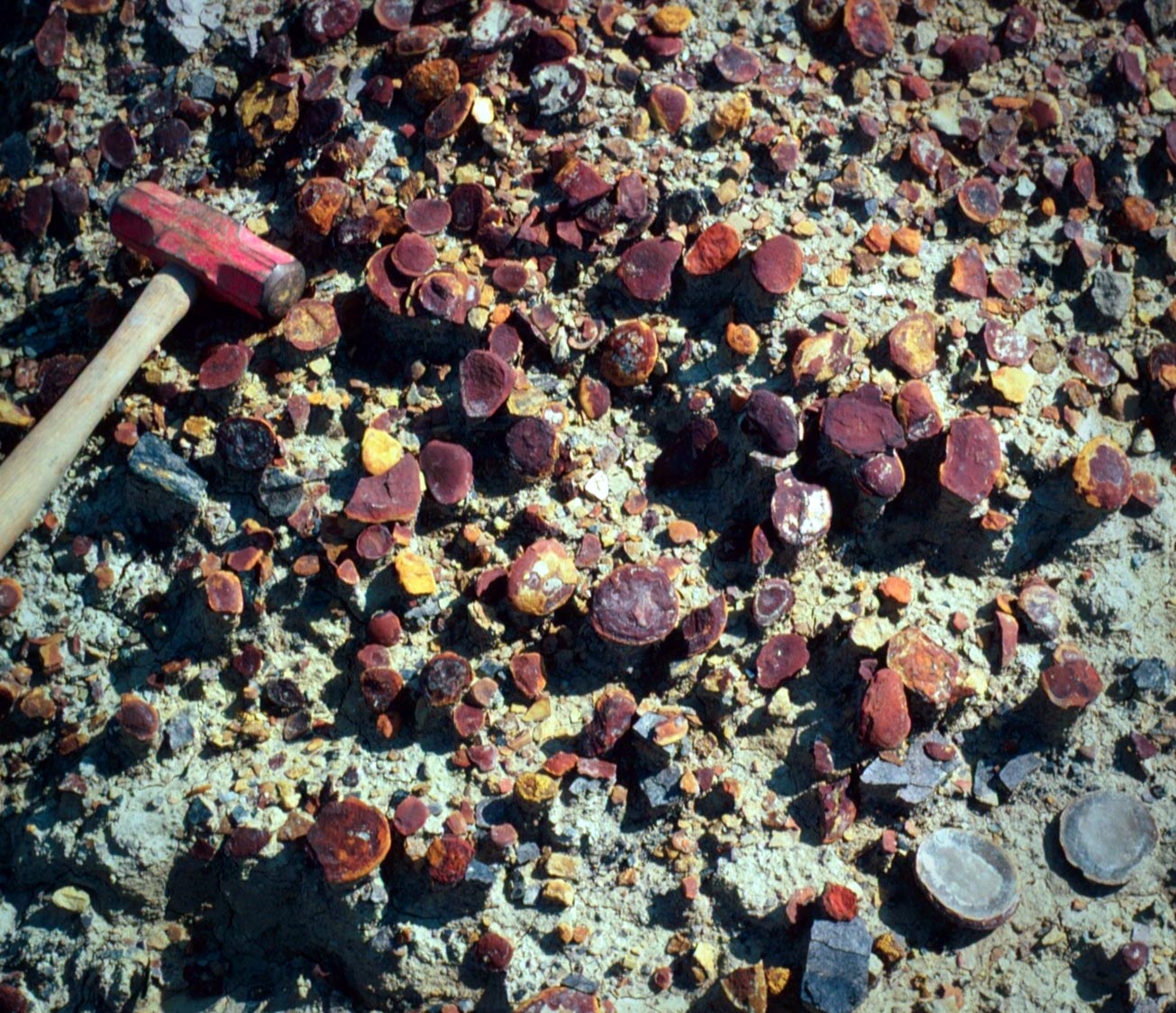
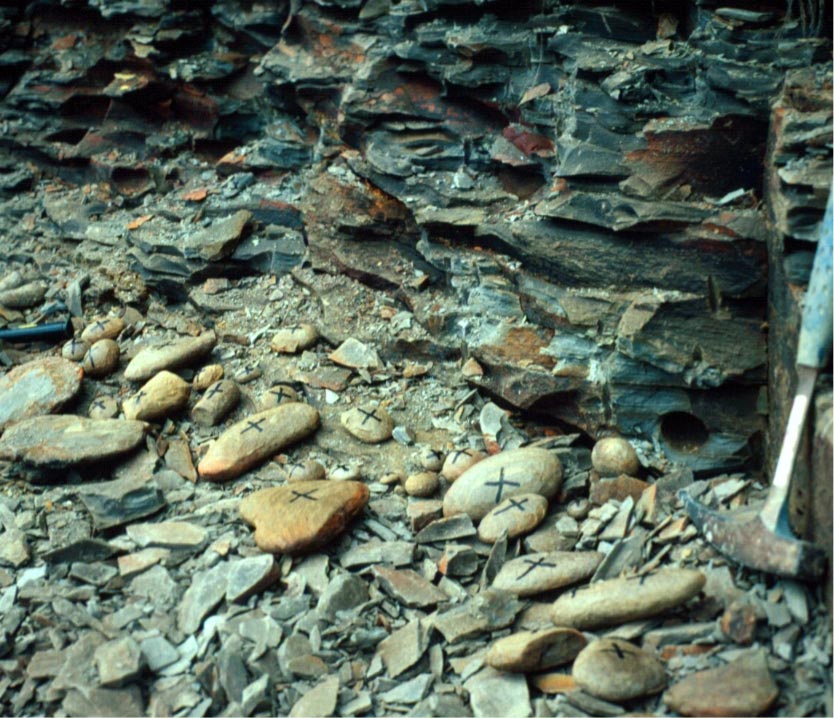
The Mazon Creek fossil beds are celebrated for their remarkable preservation of both flora and fauna, thanks to the site’s distinct geological conditions. Fossils are enclosed within siderite, an iron carbonate mineral, which forms plentiful concretions and offers an invaluable resource for researchers and amateur fossil collectors alike.
Building on decades of study—including key fieldwork led by Baird and his team in the late 1970s—scientists now have an unparalleled glimpse into the ecosystems that once flourished along this prehistoric shoreline.
A snapshot of ancient life
Baird’s early research at the Mazon Creek fossil site identified two primary faunal assemblages, or distinct groups of animal fossils. These assemblages offered insight into the ancient environments where the organisms once lived. One represented marine life from offshore coastal waters, while the other came from a river delta near the shoreline, preserving a blend of freshwater species along with land-based plants and animals carried in by water.
Researchers at the University of Missouri have now built on Baird’s work, refining his interpretations using modern data analysis and high-resolution imaging at Mizzou’s X-ray Microanalysis Core.
“We found three readily identifiable paleoenvironments, including the unique characteristics of a benthic marine assemblage representing a transitional habitat between the nearshore and offshore zones,” said Jim Schiffbauer, Marie M. and Harry L. Smith Endowed Professor of Geological Sciences. “These ancient environments were each dominated by specific groups of animals, for example freshwater animals nearest to shore, jellyfish and sea anemones further offshore, and marine clams and worms in the transitional zone.”
The fossils formed during a phase of sea-level rise and flooding of what used to be large coal swamps.
“The different environments affected how quickly and deeply organisms were buried, and in what specific geochemical conditions fossilization may have started,” Schiffbauer said. “That, in turn, shaped where certain microbes lived and helped form the minerals that make up the concretions surrounding these fossils today.”
Next steps
In current and future research, Schiffbauer and Baird are using this information to create a sedimentological model to show how the Mazon Creek ecosystem connects to the Colchester coal layers below — where coal mining led to the fossil site’s original discovery.
“Given that multiple episodes of rapid coastal drowning events occurred in the U.S. midcontinent during the Carboniferous Period, refinement of information from the Mazon Creek locality will lead to a deeper understanding of similar deposits in other coal basins,” said Baird, who is now an emeritus professor at State University of New York at Fredonia.
Mizzou’s new collaborative analysis with Baird, colleagues from the private sector, and the University of Toronto is the most comprehensive and data-driven picture of what Mazon Creek’s ancient ecosystem looked like long ago. This knowledge contributes significantly to our understanding of the Carboniferous Period’s biodiversity and paleoecology.
“It offers a real snapshot of the incredible diversity present in the late Carboniferous Period and allows for inferences about the complexity of food chains and how this ecosystem functioned,” Schiffbauer said. “Now, we have an unparalleled and statistically supported look at the interconnected terrestrial, estuarine, and marine life of the Carboniferous Period.”
Reference: “283,821 concretions, how do you measure the Mazon Creek? Assessing the paleoenvironmental and taphonomic nature of the Braidwood and Essex assemblages” by James Schiffbauer, Gordon C. Baird, John Warren Huntley, Tara Selly, Charles W. Shabica, Marc Laflamme and A. Drew Muscente, 10 July 2025, Paleobiology.
DOI: 10.1017/pab.2025.10045
Never miss a breakthrough: Join the SciTechDaily newsletter.
Follow us on Google and Google News.