
Close Menu
    Facebook X (Twitter) Instagram
    SciTechDaily
    • Biology
    • Chemistry
    • Earth
    • Health
    • Physics
    • Science
    • Space
    • Technology
    Facebook X (Twitter) Pinterest YouTube RSS
    SciTechDaily
    Home»Health»Unlocking Brain Health Through the Science of Nutrition
    Health

    Unlocking Brain Health Through the Science of Nutrition

    By The Gerontological Society of AmericaApril 11, 2024No Comments3 Mins Read
    Facebook Twitter Pinterest Telegram LinkedIn WhatsApp Email Reddit
    Share
    Facebook Twitter LinkedIn Pinterest Telegram Email Reddit
    Brain Diet Nutrition Concept
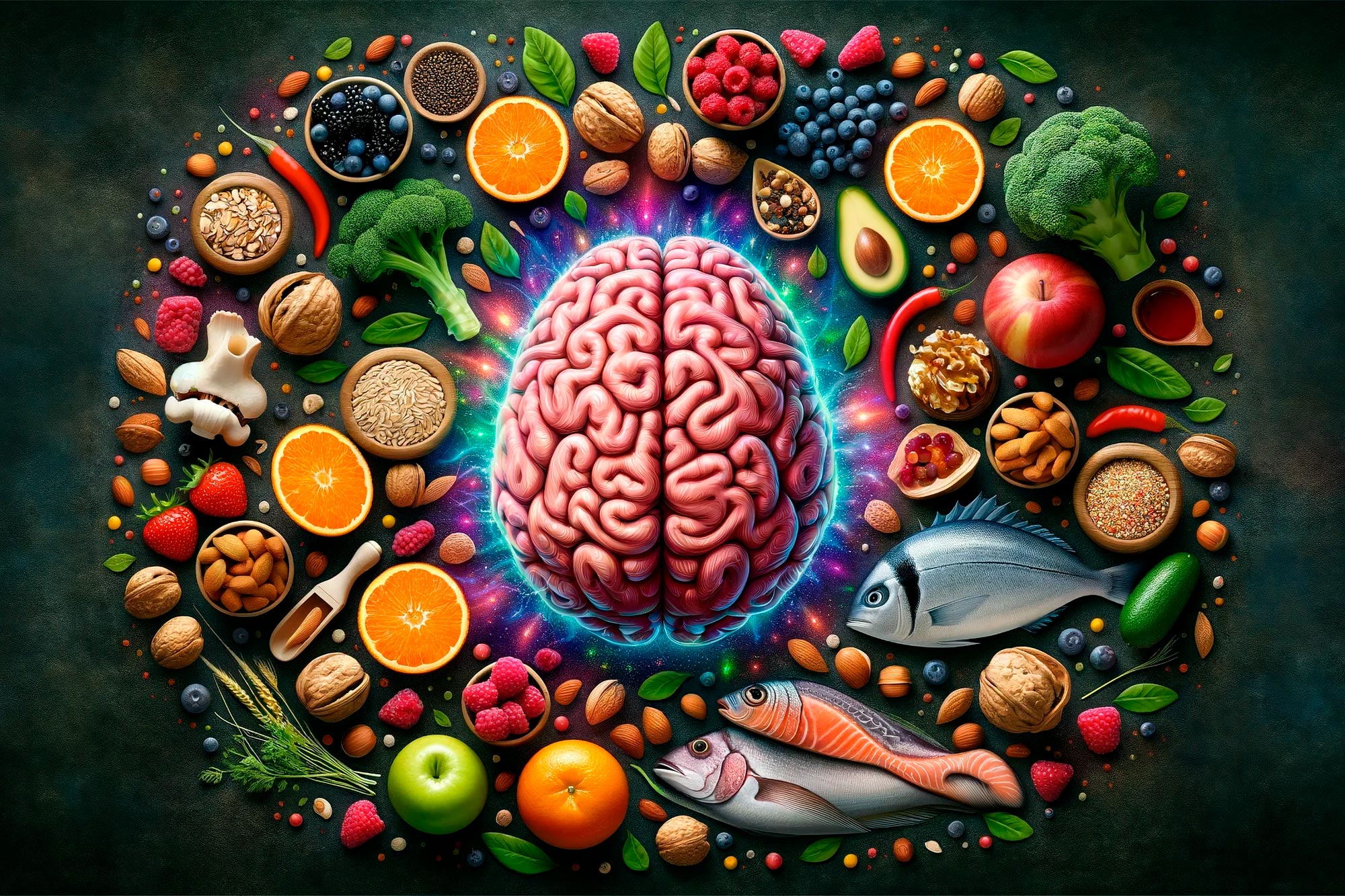
    A new publication from the Gerontological Society of America details how proper nutrition, particularly the MIND diet, can enhance brain function and mitigate the risk of cognitive decline in the elderly. It stresses the importance of tailoring nutritional discussions to individual goals and the increasing need for supplements with age. Credit: SciTechDaily.com

    Nutrition plays a critical role in maintaining brain health in older adults, with the MIND diet offering cognitive benefits and personalized dietary discussions enhancing overall wellness.

    “Insights & Implications in Gerontology: The Vital Role of Nutrition in Brain Health,” a new publication from the Gerontological Society of America, explores nutritional choices that have been shown to improve cognition and decrease the risk of cognitive impairment and dementia in older adults.

    Consumption of a healthful diet is a behavioral strategy that can help to prevent the development of dementia as people age, the publication says. It also reports on the roles of vitamins and minerals in nutrition and brain function and focuses on how to implement person-centered conversations about the impact of diet and nutrition on overall wellness, including brain health.

    Using a person-centered approach that ties conversations about nutrition to patient goals is an effective strategy for starting conversations about diet and health, according to Kathryn Porter Starr, PhD, RDN from Duke University School of Medicine and Durham VA Medical Center, who served as one of the faculty who oversaw the publication’s development.

    “Broaching the topic of diet and nutrition can be challenging. I start by asking patients what their goals are,” she said. “These goals could include physical goals such as maintaining muscle mass, cognitive goals such as preserving memory, as well as functional goals such as being able to travel or play with grandchildren. Linking information about nutrition to helping adults achieve their goals is an effective strategy for stimulating motivation to implement healthy changes.”

    The Mediterranean-DASH Diet Intervention for Neurodegenerative Delay, or MIND diet, is an example of a dietary pattern that is associated with improved cognition. This dietary pattern focuses on the consumption of vegetables (especially green leafy vegetables), nuts, berries, beans, whole grains, fish, poultry, and extra virgin olive oil while limiting red meat, processed meats, butter and margarine, regular cheese, pastries and sweets, and fried foods. People who consume this dietary pattern have been found to be the equivalent of 7.5 years younger in terms of cognitive abilities. The publication includes more details about the MIND diet and other dietary patterns that support healthy nutrition.

    Ideally, individuals are able to obtain all necessary nutrients from their diet. However, the risk for inadequate vitamin and mineral intake increases as people age, and some people may benefit from consumption of fortified foods and or dietary supplements to enhance their nutritional status.

    “I would love for everybody to get all of their micronutrients from food,” Starr said. Unfortunately, for most older adults, it’s really challenging to do that due to physiological changes that occur with aging and certain disease states that affect absorption, so we often recommend a multivitamin.”

    Reference: “Insights & Implications in Gerontology: The Vital Role of Nutrition in Brain Health” Gerontological Society of America.

    Other publication faculty include Rose Ann DiMaria-Ghalili, PhD, RN, FASPEN, FAAN, FGSA from Drexel University; Sareen S. Gropper, PhD, RDN, LDN from Florida Atlantic University; and Roger A. Fielding, PhD from Tufts University School of Medicine. Support for “Insights & Implications in Gerontology: The Vital Role of Nutrition in Brain Health” was provided by Haleon.

    Never miss a breakthrough: Join the SciTechDaily newsletter.
    Follow us on Google and Google News.

    Brain Gerontology Neuroscience Nutrition Popular The Gerontological Society of America
    Share. Facebook Twitter Pinterest LinkedIn Email Reddit

    Related Articles

    This Everyday Food Was Linked to Better Brain Health

    30,000 Brain Scans Reveal a Hidden Danger in Ultra-Processed Foods

    Want a Sharper Mind? Science Says Eat Walnuts in the Morning

    Are We Wrong About Alzheimer’s? Researchers Question Prevailing Theory After New Discovery

    Regular Caffeine Consumption – From Coffee, Cola, or Energy Drinks – Affects Brain Structure

    Antidepressant Power of Lactate Revealed in New Research

    Amazon Indigenous People May Hold a Key to Slowing Down Aging

    Can Drinking Cocoa Make You Smarter? Cocoa Flavanols Found to Boost Brain Oxygenation and Cognition

    Chasing the Rush: Sugar Actually Changes the Chemistry of Your Brain

    Leave A Reply Cancel Reply

    • Facebook
    • Twitter
    • Pinterest
    • YouTube

    Don't Miss a Discovery

    Subscribe for the Latest in Science & Tech!

    Trending News

    Monster Storms on Jupiter Unleash Lightning Beyond Anything on Earth

    Scientists Create “Liquid Gears” That Spin Without Touching

    The Simple Habit That Could Help Prevent Cancer

    Millions Take These IBS Drugs, But a New Study Finds Serious Risks

    Scientists Unlock Hidden Secrets of 2,300-Year-Old Mummies Using Cutting-Edge CT Scanner

    Bread Might Be Making You Gain Weight Even Without Eating More Calories

    Scientists Discover Massive Magma Reservoir Beneath Tuscany

    Europe’s Most Active Volcano Just Got Stranger – Here’s Why Scientists Are Rethinking It

    Follow SciTechDaily
    • Facebook
    • Twitter
    • YouTube
    • Pinterest
    • Newsletter
    • RSS
    SciTech News
    • Biology News
    • Chemistry News
    • Earth News
    • Health News
    • Physics News
    • Science News
    • Space News
    • Technology News
    Recent Posts
    • 25-Year Study Uncovers Hidden Paths and Early Warning Signs of Blood Cancer
    • Not Just Snoring – New Research Reveals Sleep Apnea May Be Damaging Your Muscles
    • Scientists Discover a Surprising Reason Intermittent Fasting Extends Life
    • Scientists Discover a New Meteor Shower From a Mysterious Crumbling Asteroid
    • This Simple Fruit Wash Could Make Produce Safer and Last Days Longer
    Copyright © 1998 - 2026 SciTechDaily. All Rights Reserved.
    • Science News
    • About
    • Contact
    • Editorial Board
    • Privacy Policy
    • Terms of Use

    Type above and press Enter to search. Press Esc to cancel.