
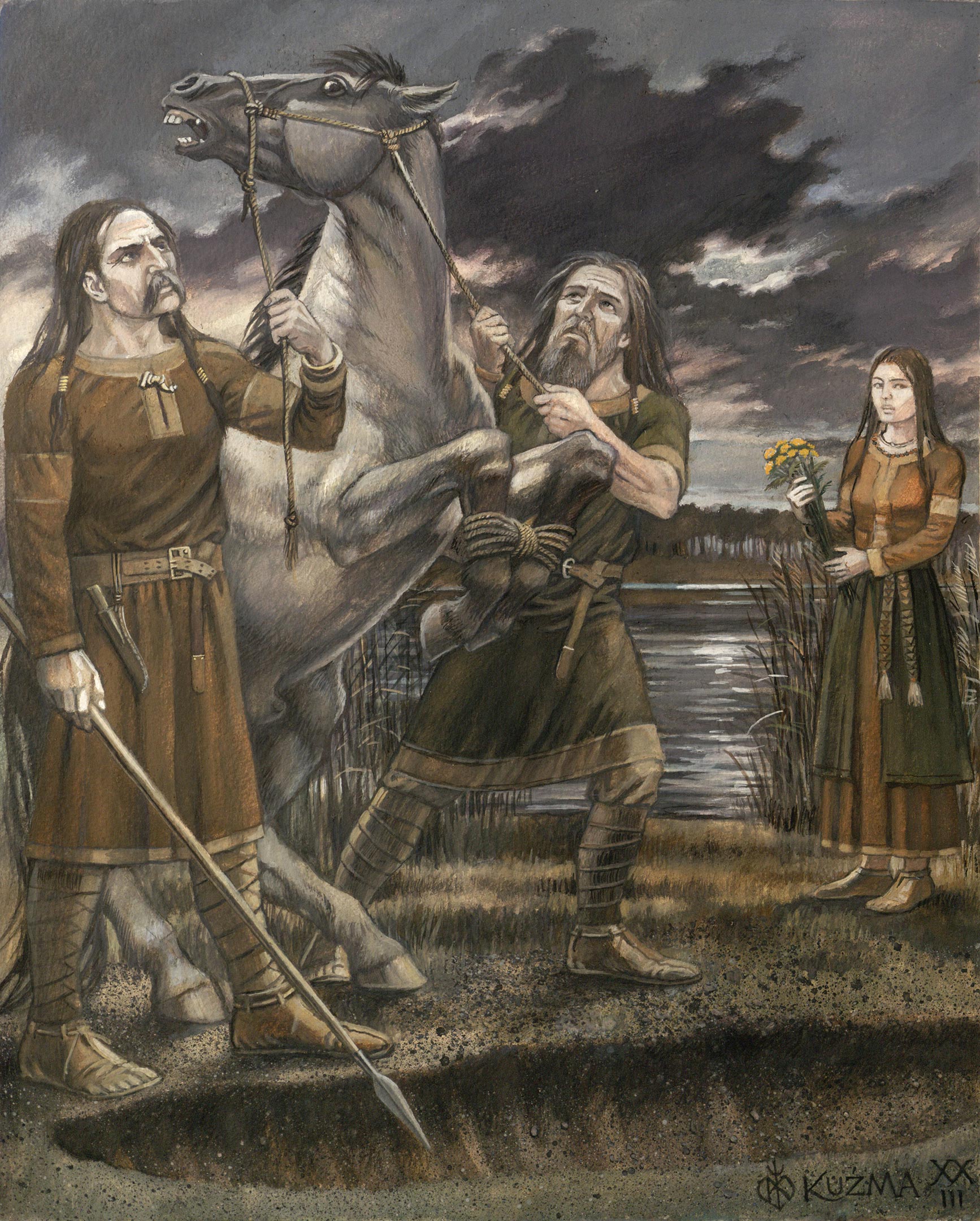
Horses from Scandinavia were used in Baltic sacrifices during the Late Viking Age, challenging earlier views about local sourcing and stallion preference in these rituals.
New research from Cardiff University reveals that during the Late Viking Age, horses were transported across the Baltic Sea and sacrificed in funeral rituals. In the study, recently published in Science Advances, the researchers analyzed the remains of horses found at ancient burial sites in Russia and Lithuania, determining that they were brought from Scandinavia through expansive trade networks connecting the Viking world with the Byzantine and Arab Empires.
Previously, researchers believed sacrificial horses were always locally sourced stallions. However, these results suggest that horses from modern Sweden or Finland were transported up to 1,500 km across the Baltic Sea. The findings also show that the sex of the horse was not necessarily a factor in them being chosen for sacrifice, with genetic analysis showing one in three were mares.
Tracing Origins: Strontium Isotope Analysis
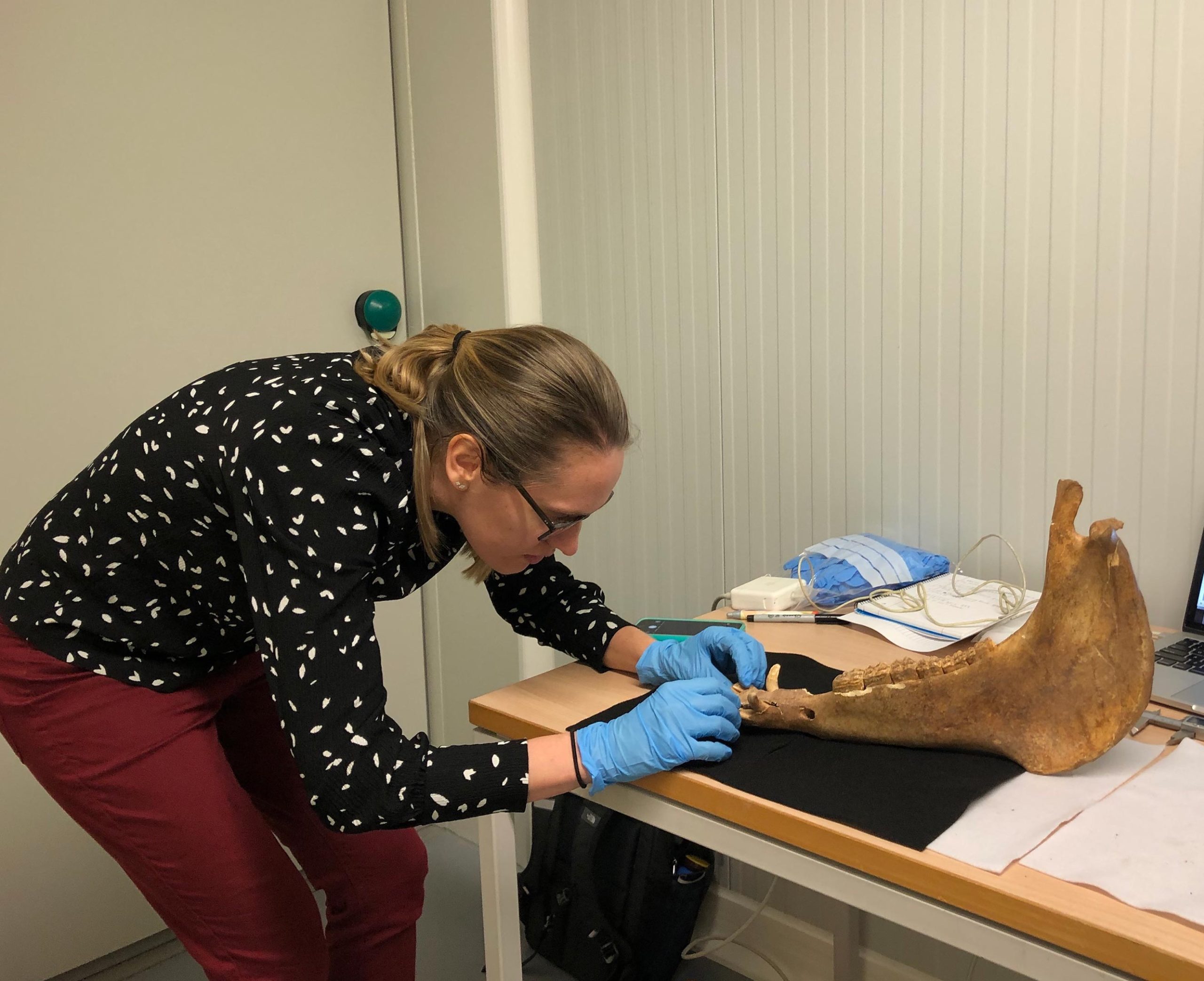
A scientific technique called strontium isotope analysis was used on horse teeth from 74 animals to identify where they had originated. Soil, water, and plants have a chemical makeup reflecting their underlying geology. The chemical signature is absorbed by animals on consumption and remains locked in the hard enamel of their teeth, allowing archaeologists to trace their life journeys hundreds of years later.
Dr. Katherine French, formerly of Cardiff University’s School of History, Archaeology and Religion, now based at Washington State University, explains the aims of the project. Credit: Cardiff University
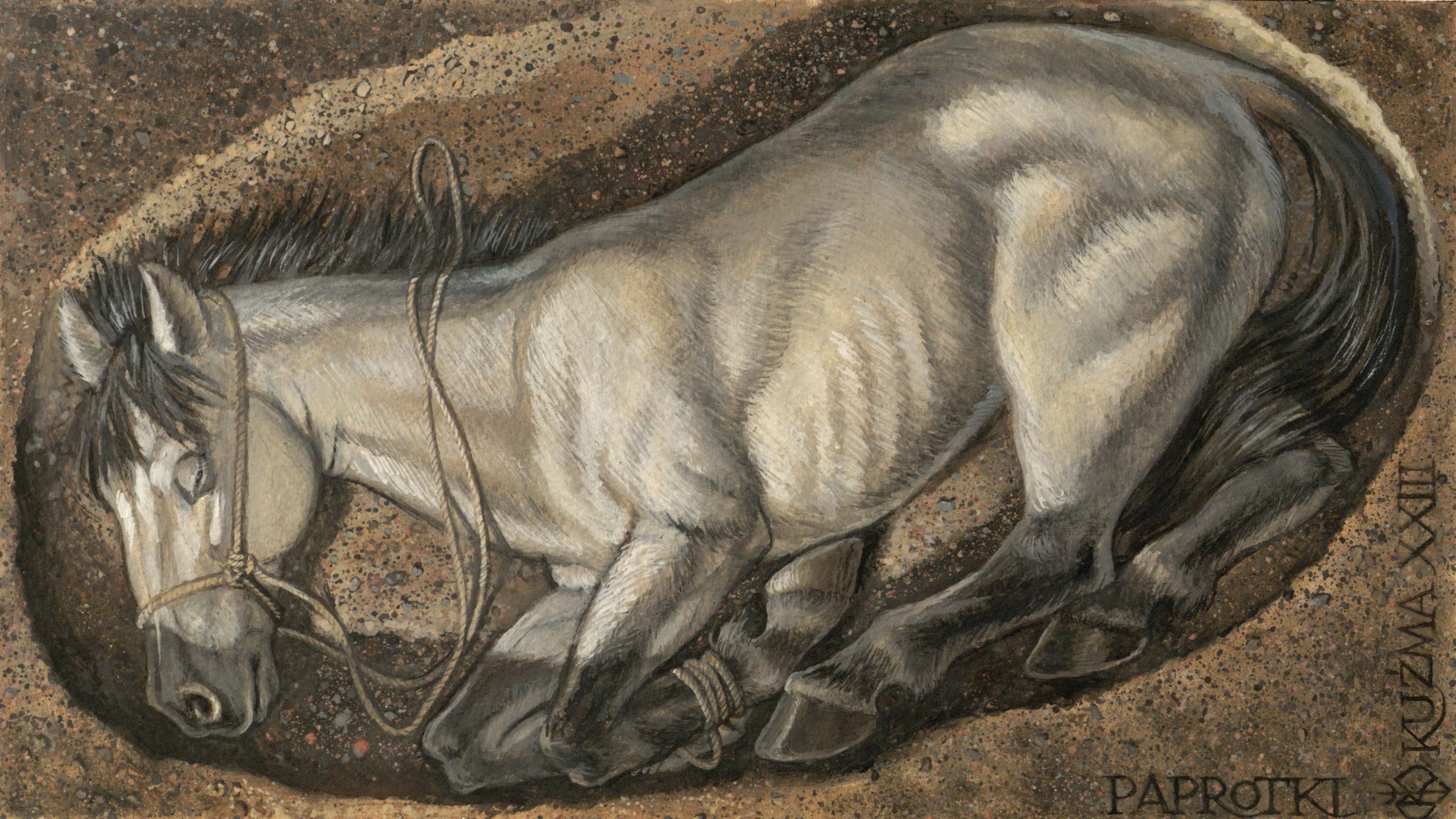
Horse sacrifices were highly visible and symbolic public rites across pagan prehistoric Europe, persisting the latest among the Baltic tribes, up to the 14th century AD. Offering pits might include multiple horses, single complete horses, or partial animals. In many Baltic cemeteries, horses were buried separately from humans, but there are numerous examples of horses with overlain human cremations.
Dr. Richard Madgwick, based at Cardiff University’s School of History, Archaeology and Religion, explains the results of their research. Credit: Cardiff University
Revising Historical Theories on Sacrifices
Lead author Dr. Katherine French, formerly of Cardiff University’s School of History, Archaeology and Religion, now based at Washington State University, said: “This research dismantles previous theories that locally-procured stallions were exclusively selected for sacrifice. Given the unexpected prevalence of mares, we believe the prestige of the animal, coming from afar, was a more important factor in why they were chosen for this rite.
“Viking Age trade routes stretched from modern Iceland, Britain, and Ireland in the West all the way to the Byzantine and Arab Empires in the East. The presence of a trader’s weight in one horse grave points to the key role of horses in these vibrant trade networks.”

Co-author Dr. Richard Madgwick, also based at Cardiff University’s School of History, Archaeology and Religion, said: “Pagan Baltic tribes were clearly sourcing horses overseas from their Christian neighbors while simultaneously resisting converting to their religion. This revised understanding of horse sacrifice highlights the dynamic, complex relationship between Pagan and Christian communities at that time.”

Reference: “Biomolecular evidence reveals mares and long-distance imported horses sacrificed by the last pagans in temperate Europe” by Katherine M. French, Adrianna D. Musiał, Maciej Karczewski, Linas Daugnora, Roman Shiroukhov, Katarzyna Ropka-Molik, Tadeusz Baranowski, Mindaugas Bertašius, Konstantin Skvortsov, Paweł Szymański, Izabela Mellin-Wyczółkowska, Anna Gręzak, Dariusz Wyczółkowski, Aleksander Pluskowski, Morten Andersen, Marc-Alban Millet, Edward Inglis and Richard Madgwick, 17 May 2024, Science Advances.
DOI: 10.1126/sciadv.ado3529
This project received funding from the EU Horizon 2020 scheme, Polish Ministry of Science and Higher Education, National Geographic Society, Society for Medieval Archaeology, Alexander von Humboldt Foundation, Deutsche Forschungsgemeinschaft, and Cardiff University.
Never miss a breakthrough: Join the SciTechDaily newsletter.
Follow us on Google and Google News.