
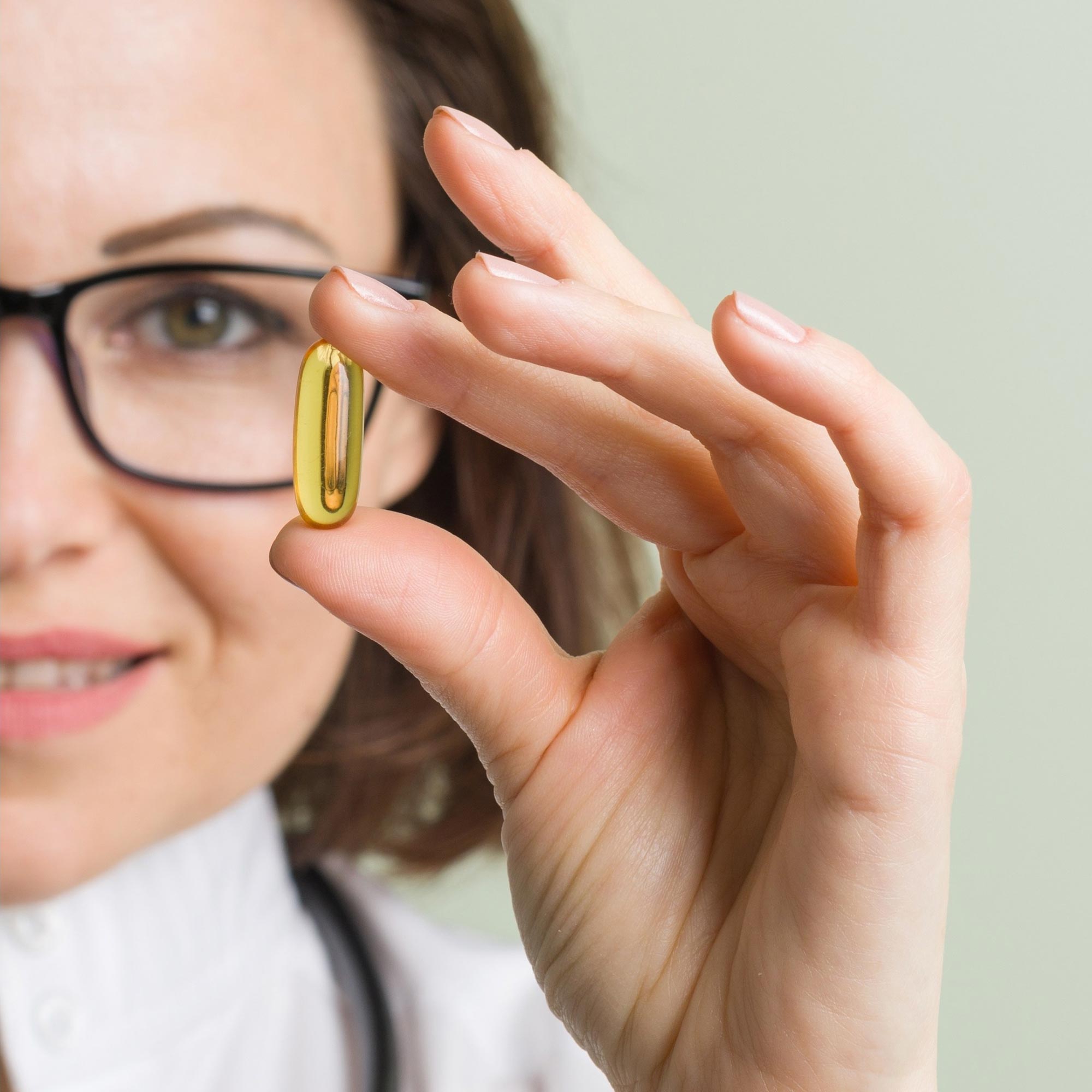
New research warns that vitamins and fad diets aren’t reliable for cancer care.
A new study led by Dr. Salvatore Cortellino and Professor Antonio Giordano, President of the Sbarro Health Research Organization (SHRO) and molecular oncologist at Temple University and the University of Siena, is reshaping the conversation around vitamins and trendy diets in cancer prevention and treatment.
Published in Expert Review of Anticancer Therapy, this research takes a close look at the popular belief that over-the-counter vitamins and fashionable eating plans can boost life expectancy or improve cancer outcomes. Despite the heavy promotion of these ideas by the wellness industry and mass media, the review urges caution.
The study also features important contributions from Teresa Esposito, MD, of the Department of Clinical Dietetics and Metabolic Diseases at Cavalier Raffaele Apicella Hospital in Naples, Italy, and Francesca Pentimalli, PhD, from LUM University ‘Giuseppe De Gennaro’ in Bari, Italy.
Their analysis highlights that although vitamin deficiencies are common among cancer patients and may raise the risk of developing cancer, simply taking multivitamin supplements has not shown clear benefits in clinical studies. Instead, the researchers emphasize the power of a balanced diet. In particular, the Mediterranean diet stands out as a proven, effective way to maintain healthy levels of essential nutrients and support overall wellness.
Risks of Excessive Vitamin Intake and Fad Diets
Crucially, the review raises concerns about hypervitaminosis, a condition resulting from excessive intake of vitamins without medical supervision. In oncological patients, such an imbalance could paradoxically stimulate tumor progression. Likewise, dietary trends such as ketogenic regimens, intermittent fasting, or even strict veganism, while supported by preclinical models, lack robust evidence of effectiveness in human cancer therapy. In some cases, these restrictive dietary practices may exacerbate cancer-related cachexia or result in malnutrition, particularly in frail or elderly patients.
“Our findings suggest that following dietary fashions without clinical guidance can be not only ineffective but potentially harmful for cancer patients,” explains Professor Giordano. “There is no substitute for evidence-based medicine and a personalized approach to nutrition.”
The authors advocate for medical consultation before initiating any significant dietary change, especially in the presence of risk factors or active disease. Nutritional decisions, whether related to supplements or entire eating plans, should be made in collaboration with qualified healthcare professionals such as physicians, clinical nutritionists, or dietitians.
The study concludes by reaffirming that health is best preserved through physiological balance, achieved by maintaining adequate caloric intake, adhering to a varied and wholesome diet, and engaging in regular physical activity in accordance with individual needs. These principles, rooted in the European Code Against Cancer and the Mediterranean lifestyle, remain the cornerstone of cancer prevention and patient wellbeing.
Reference: “Vitamins and dietary supplements in cancer treatment: is there a need for increased usage?” by Teresa Esposito, Francesca Pentimalli, Antonio Giordano and Salvatore Cortellino, 7 May 2025, Expert Review of Anticancer Therapy.
DOI: 10.1080/14737140.2025.2501077
Never miss a breakthrough: Join the SciTechDaily newsletter.
Follow us on Google and Google News.