
Close Menu
    Facebook X (Twitter) Instagram
    SciTechDaily
    • Biology
    • Chemistry
    • Earth
    • Health
    • Physics
    • Science
    • Space
    • Technology
    Facebook X (Twitter) Pinterest YouTube RSS
    SciTechDaily
    Home»Science»What Do Mummies Smell Like? Researchers Finally Have the Answer
    Science

    What Do Mummies Smell Like? Researchers Finally Have the Answer

    By University College LondonMarch 4, 20251 Comment6 Mins Read
    Facebook Twitter Pinterest Telegram LinkedIn WhatsApp Email Reddit
    Share
    Facebook Twitter LinkedIn Pinterest Telegram Email Reddit
    A Selection of the Mummified Bodies in the Exhibition Area of the Egyptian Museum in Cairo
    A selection of the mummified bodies in the exhibition area of the Egyptian museum in Cairo. Credit: Emma Paolin

    A new study led by researchers from UCL and the University of Ljubljana reveals that ancient Egyptian mummified bodies emit “woody,” “spicy,” and “sweet” scents, providing new insights into mummification practices.

    A new study led by researchers from UCL and the University of Ljubljana has revealed that ancient Egyptian mummified bodies emit “woody,” “spicy,” and “sweet” aromas, providing fresh insights into mummification practices.

    Published in the Journal of the American Chemical Society, this research marks the first systematic analysis of mummified body odors using a combination of instrumental and sensory techniques. These include an electronic “nose” and trained human experts, who analyzed the scents of nine ancient Egyptian mummies.

    The findings shed light on the materials and methods used in mummification, how these evolved over time, and how museum conservation efforts have influenced the preservation of these remains.
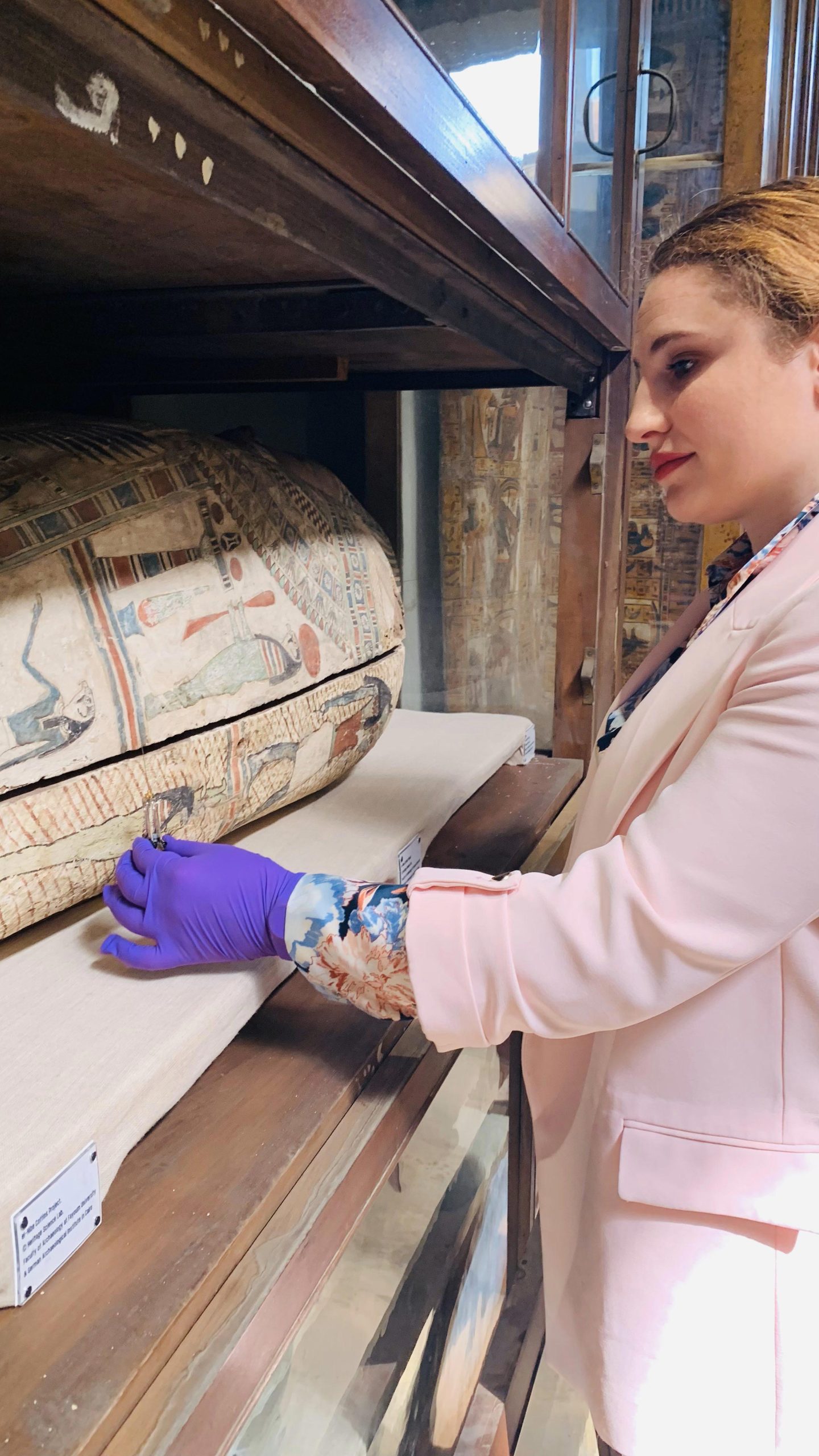
    Emma Paolin, PhD Student at University of Ljubljana, Setting Up the Devices Sampling of the Aromas
    Emma Paolin, PhD student at University of Ljubljana, setting up the devices sampling of the aromas. Credit: Abdelrazek Elnaggar

    It’s hoped that using this kind of chemical analysis can help keep conservators safe, protect ancient artifacts, and preserve their olfactory heritage.

    Lead author, Professor Matija Strlič (UCL Bartlett School Environment, Energy & Resources and the University of Ljubljana) said: “The smell of mummified bodies has for years attracted significant interest from experts and the general public, but no combined chemical and perceptual scientific study has been conducted until now. This ground-breaking research really helps us better plan conservation and understand the ancient embalming materials. It adds another layer of data to enrich the museum exhibition of mummified bodies.”
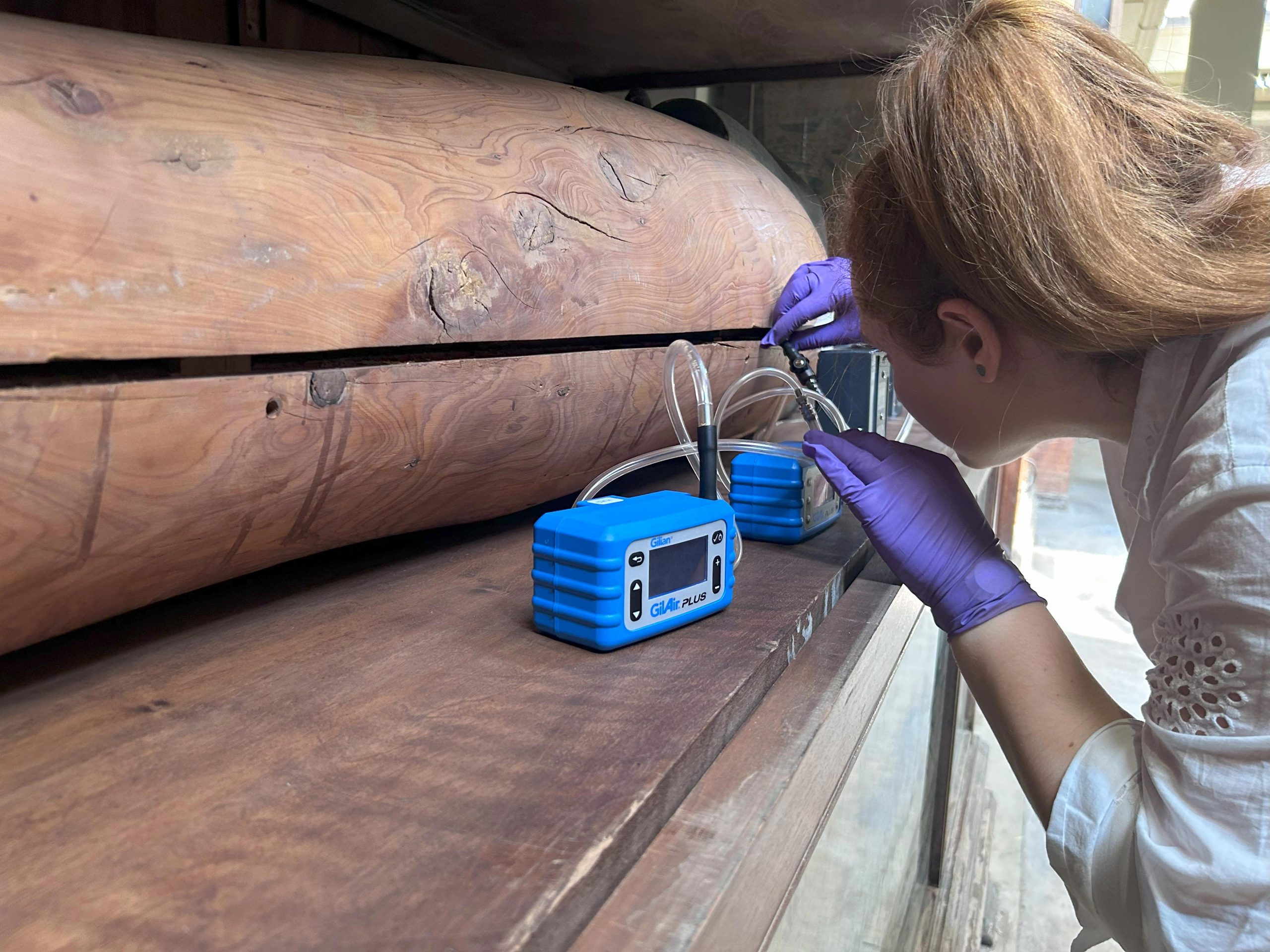
    Emma Paolin, PhD Student at University of Ljubljana, Setting Up Active Air Sampling With Sorbent Tubes and Pumps
    Emma Paolin, PhD student at the University of Ljubljana, setting up active air sampling with sorbent tubes and pumps. Credit: Abdelrazek Elnaggar

    Dr Cecilia Bembibre (UCL Bartlett School of Environment, Energy & Resources), added: “Two aspects of this study stand out to me. First, new information was revealed by the smells, highlighting the importance of using our senses to understand the past.

    “Secondly, while most of the studies on mummified bodies have taken place in European museums so far, here we worked closely with Egyptian colleagues to ensure their expertise and perceptual experience were represented, and we jointly developed an ethical and respectful approach to studying the mummified bodies.”
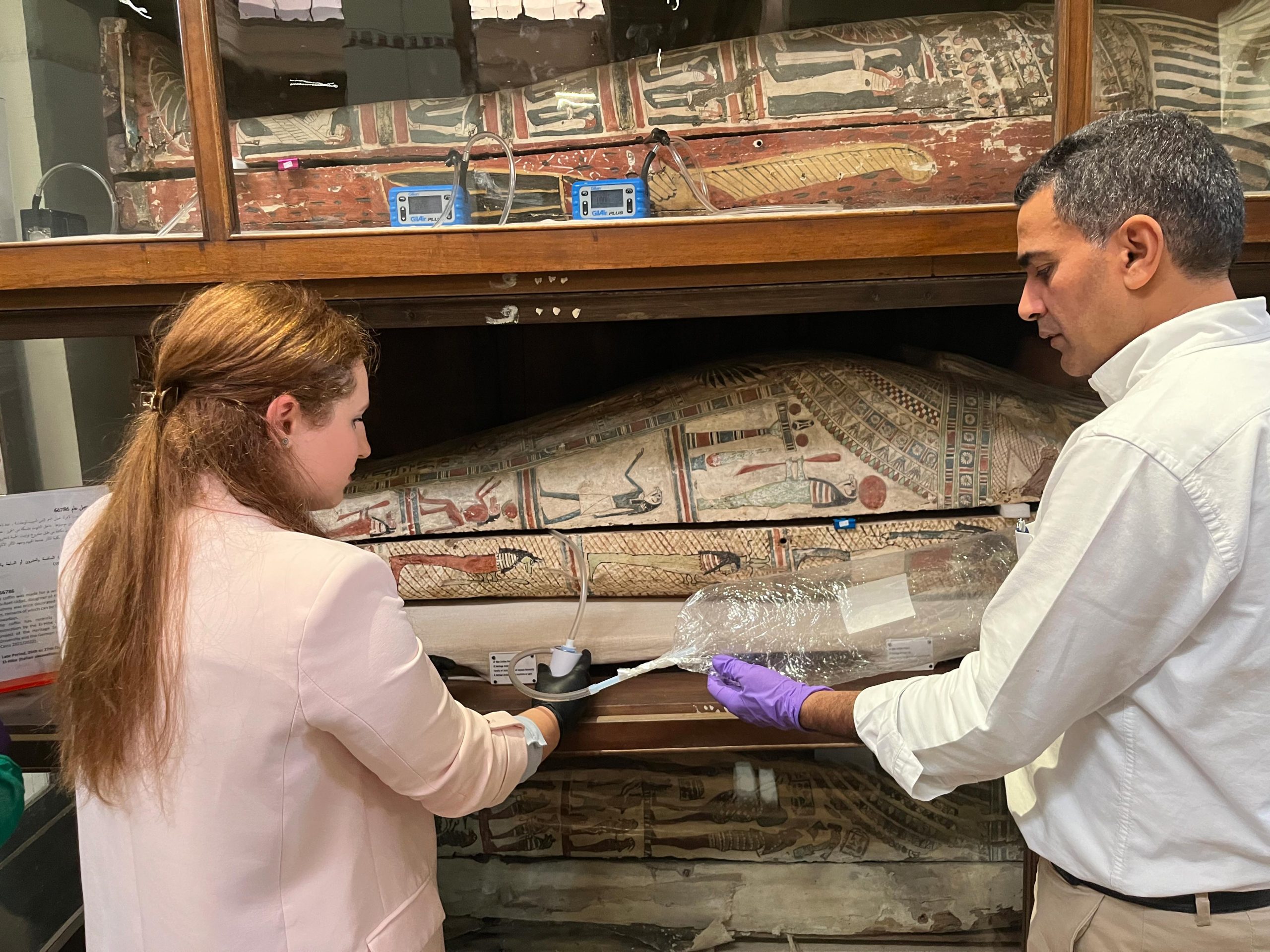
    Emma Paolin, PhD Student at University of Ljubljana, and Prof. Dr. Abdelrazek Elnaggar, University of Ljubljana
    Emma Paolin, PhD student at the University of Ljubljana, and Prof. Dr. Abdelrazek Elnaggar, University of Ljubljana and Ain Shams University in Egypt, sampling the within a sarcophagus in the exhibition area of the Egyptian museum in Cairo into a Nalophan bag. The bag containing this air is used for sensory analysis. Credit: Cecilia Bembibre

    How Scientists Studied the Smells

    Odors are chemical molecules suspended in air that have been given off by a substance. The researchers used a gas chromatograph coupled with a mass spectrometer to measure and quantify chemicals emitted by nine ancient Egyptian mummified bodies on display and in storage in the Egyptian Museum in Cairo. In addition, a panel of trained human ‘sniffers’ described the smells in terms of quality, intensity, and pleasantness.

    By combining these methods, the researchers were able to identify whether a smell chemical was emitted by the archaeological item, from conservation products or pesticides that may have been added later, or from the item’s natural deterioration over the years because of molds, bacteria, and other microorganisms. The research demonstrated the effectiveness of odor as a non-invasive and non-destructive method to chemically categorize and analyze ancient remains.
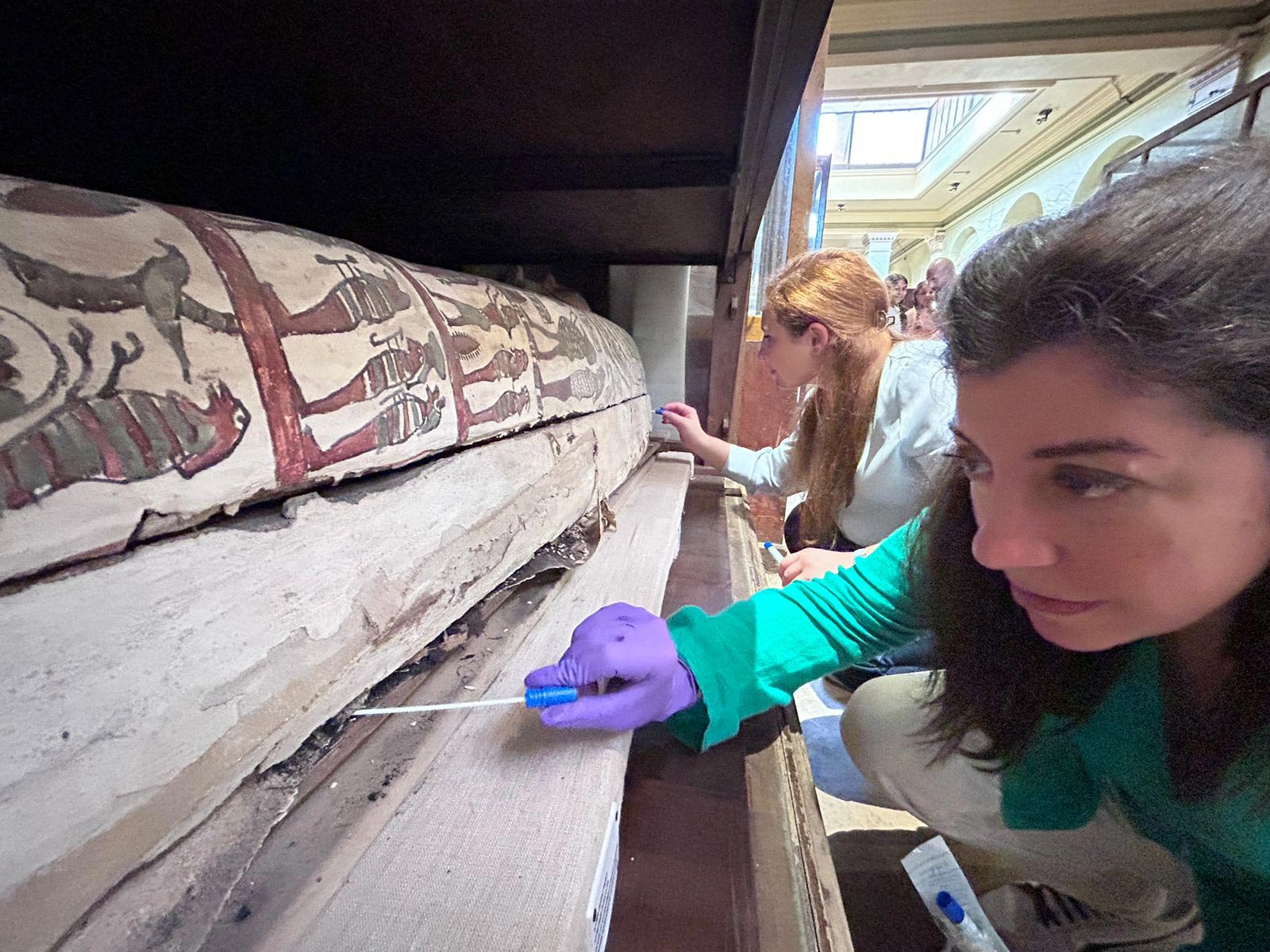
    Collecting Microbial Samples From an Ancient Egyptian Sarcophagus for Analysis
    Emma Paolin, PhD researcher at the University of Ljubljana (in the back) and Dr. Cecilia Bembibre, lecturer at the University College London (in the front) taking swab samples for the purpose of microbiological analysis at the Krakow University of Economics. Credit: Abdelrazek Elnaggar

    In addition to gaining a deeper insight into the conservation and material history of ancient mummified bodies, the research will enable museums to engage audiences not just visually, but using their noses as well by creating ‘smellscapes.’

    In the future, a contemporary reconstruction of the smell of ancient mummified bodies will be produced by the research team, which will enable audiences to experience this important aspect of ancient Egyptian heritage, and approach practices of embalming and conservation in an engaging, olfactory way.
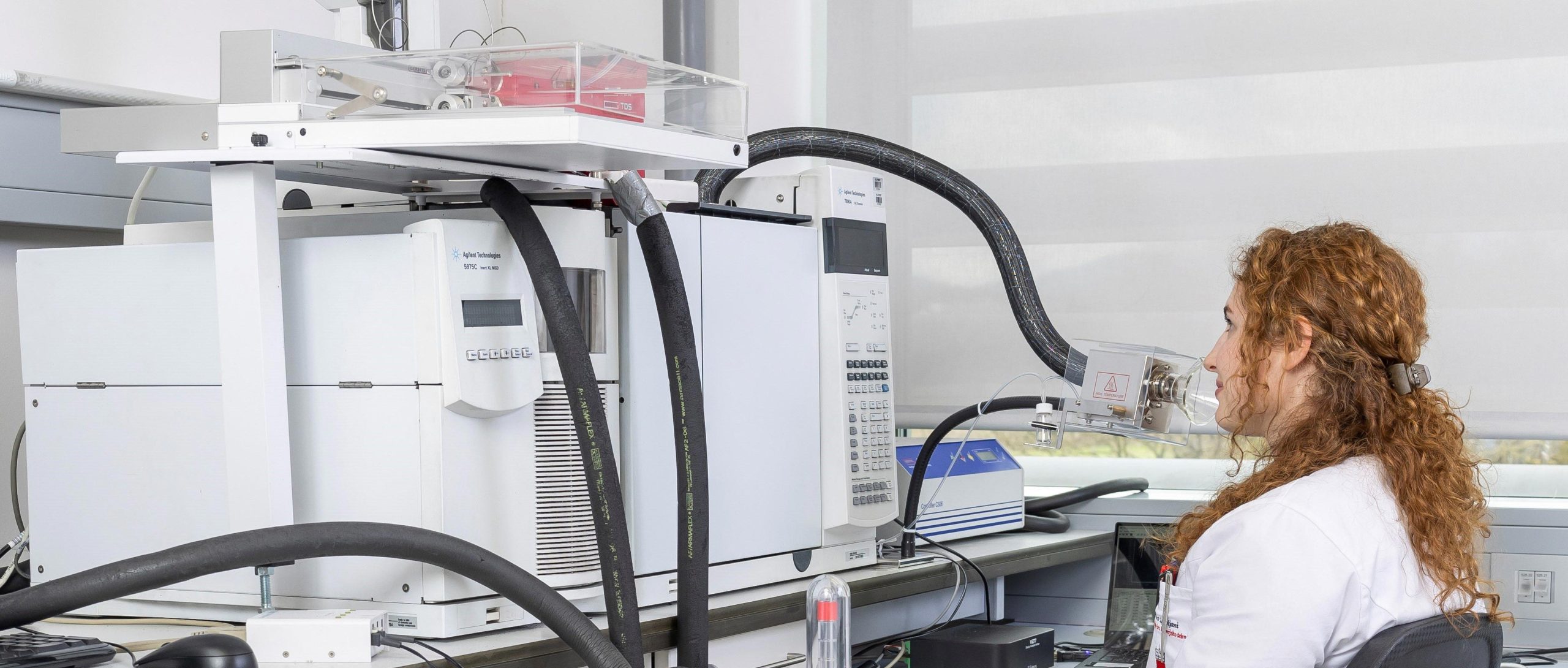
    Emma Paolin, PhD Researcher at University of Ljubljana, Smelling at the Olfactory Port of a Gas Chromatograph Mass Spectrometer Instrument
    Emma Paolin, PhD researcher at the University of Ljubljana, smelling at the olfactory port of a gas chromatograph-mass spectrometer instrument. The analyst describes the smell in terms of quality, intensity, and hedonic tone. Credit: UCL

    Co-author, Professor Ali Abdelhalim, director of the Egyptian Museum in Cairo, said: “To the ancient Egyptians, mummification was an important mortuary practice aimed at preserving the body and soul for the afterlife through a detailed ritual of embalming of the deceased using oils, waxes, and balms. The practice evolved over time, and identifying different techniques and materials used offers insights into the era, location,n and socioeconomic status of the individual being mummified.”
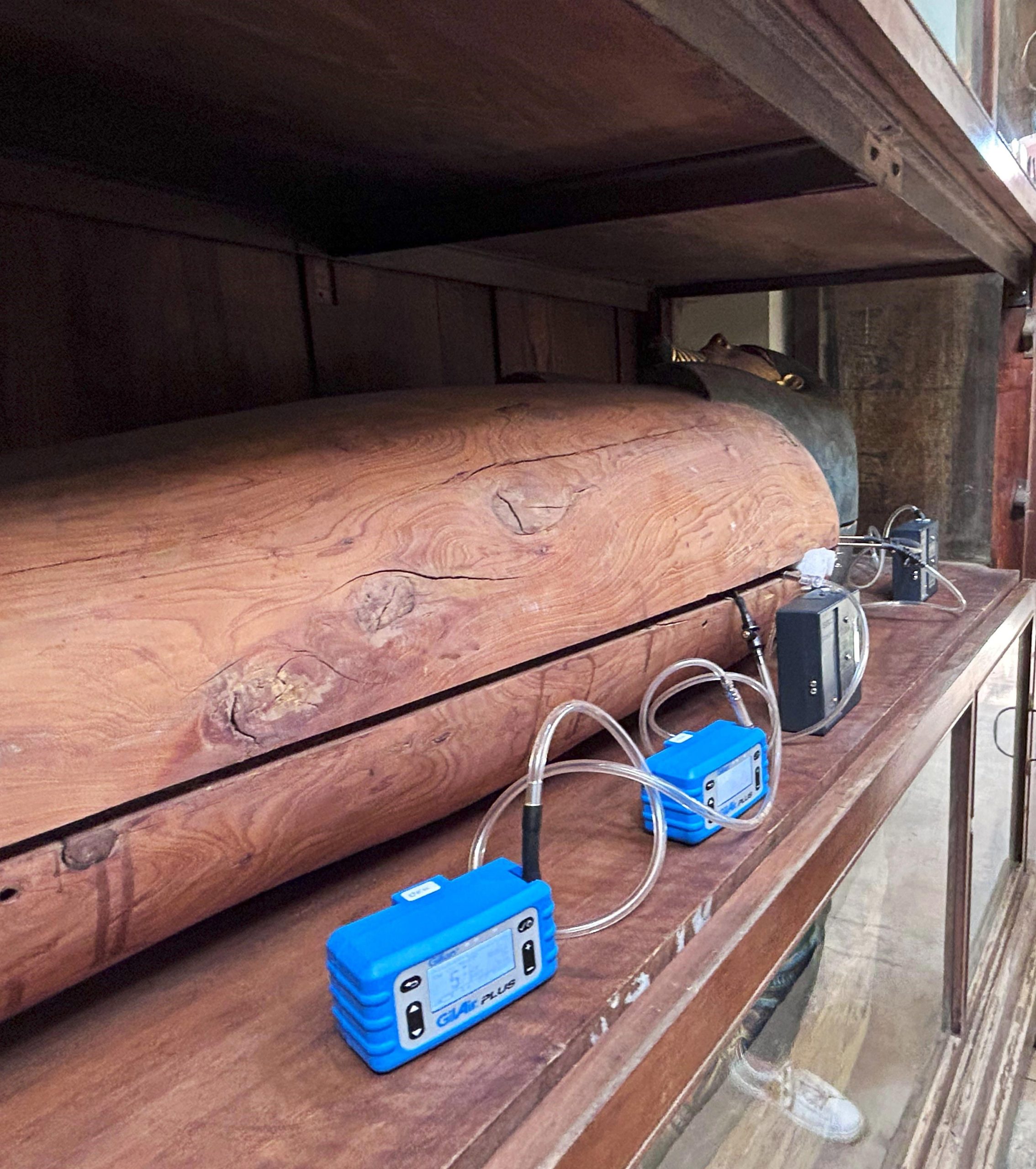
    Active Sampling With Sorbent Tubes of the Air Surrounding a Mummified Body
    Active sampling with sorbent tubes of the air surrounding a mummified body from the New Kingdom at the exhibition area of the Egyptian museum in Cairo. Credit: Emma Paolin

    Smell was a key consideration for the ancient Egyptians during the mummification process, as pleasant odors were associated with the bodies of deities and their purity, while foul odors were considered indications of a body’s corruption and decay. Even today, about 5,000 years later, conservators often describe the aroma of these mummified bodies as ‘pleasant,’ as it is the product of coniferous resins and oils (such as pine, cedar, and juniper), gum resins (like myrrh and frankincense), and waxes.

    Reference: “Ancient Egyptian Mummified Bodies: Cross-Disciplinary Analysis of Their Smell” by Emma Paolin, Cecilia Bembibre, Fabiana Di Gianvincenzo, Julio Cesar Torres-Elguera, Randa Deraz, Ida Kraševec, Ahmed Abdellah, Asmaa Ahmed, Irena Kralj Cigić, Abdelrazek Elnaggar, Ali Abdelhalim, Tomasz Sawoszczuk and Matija Strlič, 13 February 2025, Journal of the American Chemical Society.
    DOI: 10.1021/jacs.4c15769

    The research was conducted in collaboration between conservators and curators at the Egyptian Museum in Cairo and researchers from Slovenia, Poland and the UK.

    Never miss a breakthrough: Join the SciTechDaily newsletter.
    Follow us on Google and Google News.

    Archaeology Egyptology Forensics Mummy University College London
    Share. Facebook Twitter Pinterest LinkedIn Email Reddit

    Related Articles

    Researchers Discover “Unusually Well-Preserved” Mummy in Church Crypt

    What Does a Mummy Smell Like? Scientists Uncover Surprising Truth

    “Golden Boy” – Researchers Digitally Unwrap 2,300-Year-Old Undisturbed Mummy

    Mummy of Pharaoh Amenhotep I “Unwrapped” for the First Time in 3,000 Years – Here’s What Scientists Found

    Unique Snapshot of Ancient Animal Mummification Through Advanced X-ray Imaging

    Scientists Use X-Rays and Infrared Light to Explore Egyptian Mummy Bones [Video]

    Egyptologist Discovers Mysterious Head of a Pharaoh

    DNA Sequencing Solves 4,000-Year-Old Egyptian Mummy Mystery

    Earliest Known Iron Artifacts Were Made from Meteoritic Iron

    1 Comment

    1. Boba on March 5, 2025 6:27 am

      Like a corpse?

      Reply
    Leave A Reply Cancel Reply

    • Facebook
    • Twitter
    • Pinterest
    • YouTube

    Don't Miss a Discovery

    Subscribe for the Latest in Science & Tech!

    Trending News

    Artificial Sweeteners May Harm Future Generations, Study Suggests

    Splashdown! NASA Artemis II Returns From Record-Breaking Moon Mission

    What If Consciousness Exists Beyond Your Brain

    Scientists Finally Crack the 100-Million-Year Evolutionary Mystery of Squid and Cuttlefish

    Beyond “Safe Levels”: Study Challenges What We Know About Pesticides and Cancer

    Researchers Have Found a Dietary Compound That Increases Longevity

    Scientists Baffled by Bizarre “Living Fossil” From 275 Million Years Ago

    Your IQ at 23 Could Predict Your Wealth at 27, Study Finds

    Follow SciTechDaily
    • Facebook
    • Twitter
    • YouTube
    • Pinterest
    • Newsletter
    • RSS
    SciTech News
    • Biology News
    • Chemistry News
    • Earth News
    • Health News
    • Physics News
    • Science News
    • Space News
    • Technology News
    Recent Posts
    • Geologists Reveal the Americas Collided Earlier Than We Thought
    • 20x Difference: Study Reveals True Source of Airborne Microplastics
    • Scientists Uncover Hidden Force Powering Yellowstone’s Supervolcano
    • This Metal Melts in Your Hand – and Scientists Just Discovered Something Strange
    • Why Losing Too Much Fat Can Be Just As Dangerous as Obesity
    Copyright © 1998 - 2026 SciTechDaily. All Rights Reserved.
    • Science News
    • About
    • Contact
    • Editorial Board
    • Privacy Policy
    • Terms of Use

    Type above and press Enter to search. Press Esc to cancel.