
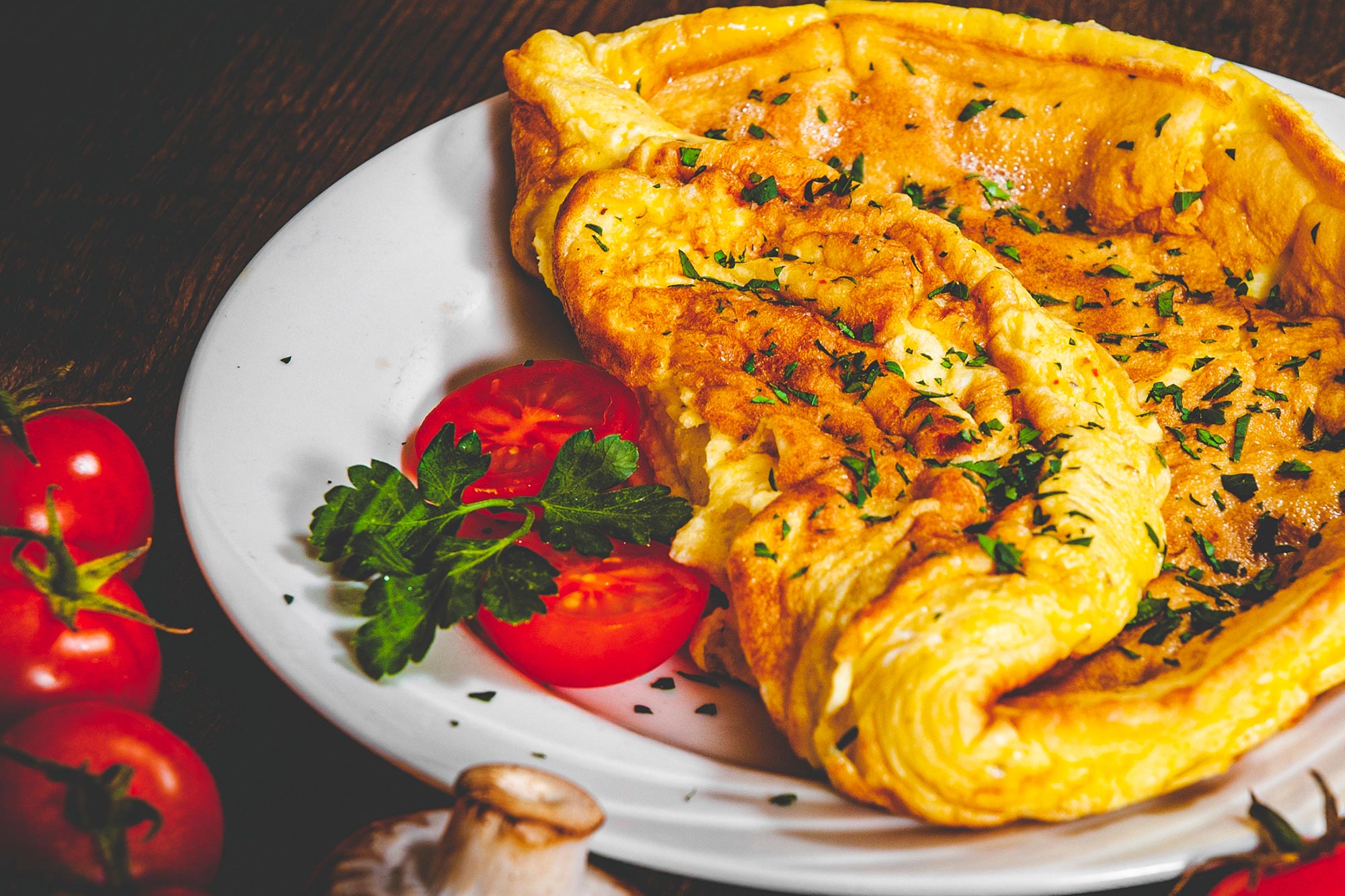
Consumers may be more open to plant-based eggs when they’re introduced as familiar ingredients rather than standalone substitutes, pointing to a strategic way forward for adoption.
As interest in plant-based meat and dairy continues to rise, products like vegan burgers, nuggets, and beverages have taken the spotlight as promising sustainable protein options. However, plant-based eggs have not attracted the same level of research attention—until now.
Da Eun Kim, a doctoral student at the University of Illinois Urbana-Champaign, and Brenna Ellison, a professor at Purdue University, set out to explore a straightforward yet often overlooked question: What influences someone to buy a vegan egg?
Their recent study is among the first to investigate this topic in depth. By using a research technique called a vignette design, the team was able to explore how different elements, including price, the type of food product, and the eating environment, affect consumer decision-making.
“We wanted to measure the consumer’s perception about plant-based eggs,” said Kim, who is a graduate student in the Department of Agricultural and Consumer Economics, part of the College of Agricultural, Consumer and Environmental Sciences at Illinois. “A vignette experiment allowed us to create hypothetical scenarios and isolate what consumers really think.”
Instead of directly asking people if they would purchase a plant-based egg, the vignette method asked participants to imagine they were about to eat breakfast. This meal would take place either at home or in a restaurant, and consumers had a choice between scrambled eggs or pancakes made with plant-based eggs.
Surprising Results on Setting and Familiarity
The results were both surprising and informative.
“We expected the setting to be more important, as we thought the novelty of the plant-based egg product would lead people to want to eat it in a restaurant where chefs know how to prepare the product in a way that tastes good,” Ellison said. “Surprisingly, the location of where you were eating, whether it be at a restaurant versus at home, didn’t have as much of an effect as we imagined.”
Additionally, consumers were more likely to purchase plant-based eggs when they were mixed into something familiar, like pancakes, instead of served on their own.
How Ethics and Familiarity Drive Adoption
The team also asked participants to rate how plant-based eggs would compare to traditional ones. Unsurprisingly, expected taste and appearance still favor the classic egg. But the plant-based version came out on top for environmental impact and animal welfare. This reflects a broader trend in food science, where ethical motivations are beginning to influence consumer choices.
Does this mean every consumer will want to purchase plant-based eggs? “Probably not,” Ellison said. “However, we did find that consumers who had previous experience trying plant-based eggs were more likely to purchase them compared to people without that experience. This suggests that consumers had a positive experience with the product previously.”
While familiarity with plant-based eggs is helpful, familiarity with the end product, such as pancakes, may also be key. “Introducing them as an ingredient, especially in a product that consumers are comfortable with, is a way to get people over any ‘mental hurdles’ associated with trying plant-based eggs,” Ellison said.
These results offer a clear message for the industry: give people an easy, tasty, and recognizable way to try something new.
“There are still sensory barriers,” Kim said. “I’ve tried the liquid version that comes in a bottle, like egg whites. The taste was different, but I was surprised the texture was very similar to traditional eggs.”
That firsthand experience echoes the study’s findings; while taste and texture still matter, many consumers just need a nudge to take the first bite. And the best way to do that may be through a subtle swap in a familiar dish.
While plant-based eggs might not be ready to replace the classic scramble at every breakfast table, they are finding their niche. Science shows that people may not be ready to eat them plain — but mix them in, make it easy, and meet consumers where they are.
Reference: “Consumer Perceptions and Purchase Behavior Towards Plant-Based Eggs: A Vignette Experiment” by Da Eun Kim and Brenna Ellison, 13 May 2025, Foods.
DOI: 10.3390/foods14101742
Never miss a breakthrough: Join the SciTechDaily newsletter.
Follow us on Google and Google News.
14 Comments
garbage that should not be eaten
Amen
“Plant-based” meat, dairy, and eggs are fake news.
As a vegan there is a place for this but the liquid a can of chick peas comes with does the best job as an egg substitute.
All vegans need a B12 substitute with a balanced diet as this has been farmed out of the soil but is added to meat as fortification.
Vegan food is as healthy and natural as you make it, the same as a carnivorous diet but no one takes a heartbeat.
Given that the photo at the top of the article is a stock photo, I doubt that it depicts anything made with a plant-based egg, Scitech should not be so deceptive.
There is no such thing as a vegan egg. Nor is there such a thing as plant butter or almond milk or any of the other similarly deceptively-named items designed to get people to give up animal products.
My diet is “plant-based.” The cows I eat were vegetarians.
Plant based meat alternatives have been around for many decades. As a vegan, not only do I never get ill, but I still have the skin of a 20 year old, I’m full of energy and I’m not overweight!
Sorry Mia T but you are a sucker.
If a scientist or chemist has to make it, then it is not healthy.
You can say whatever you want about how you currently feel but in time you will learn.
My daughter is a vegan like you and eats all the fake crap they come out with. Fake meat, dairy, cheese, etc…
She has many health issues that have crept in over time.
All were “undiagnosable” that they could not figure out.
She tossed all the crap away and went straight whole natural veggies and foods.
Suddenly some of her issues are completely gone or significantly reduced.
You’re probably right. I don’t eat the fake stuff anymore as they have too many additives, but I’m still vegan. I eat mostly tofu and beans for protein. I hope that’s ok.
The words ‘butter’ and ‘milk’ are not designated for animals. Anything made in the fashion of another thing can take on that name. Almond, coconut, oat or soy most definitely are milk products. Non dairy butter is the same as non vegan vegetable spread that you still call butter.
I have been researching mung bean as an agricultural crop for several years. It is the primary protein source of plant based egg. Mung bean is drought tolerant, requires very little fertilizer inputs and is an excellent option for soybean growers. The plant is highly revered in Asia and is widely fed to babies and the elderly
Plant based products are delicious and are void of horrific, inhumane, brutality animals are forced to endure in factory farming. This would include the inhumanity of the dairy industry, also factory farming, and thousands of hens crammed into cages kept in a big warehouse for eggs, also factory farming. A cow produces milk for her calf just like a human female produces milk for her baby.
How dare we eat 😭🙀
The hens that live in our garden appear to be living a pretty good life. And plant based “egg” is not egg.