
Close Menu
    Facebook X (Twitter) Instagram
    SciTechDaily
    • Biology
    • Chemistry
    • Earth
    • Health
    • Physics
    • Science
    • Space
    • Technology
    Facebook X (Twitter) Pinterest YouTube RSS
    SciTechDaily
    Home»Biology»The Invisible Assassin: How E. Coli’s Hidden Mutation Turns Deadly
    Biology

    The Invisible Assassin: How E. Coli’s Hidden Mutation Turns Deadly

    By University of QueenslandFebruary 24, 2024No Comments3 Mins Read
    Facebook Twitter Pinterest Telegram LinkedIn WhatsApp Email Reddit
    Share
    Facebook Twitter LinkedIn Pinterest Telegram Email Reddit
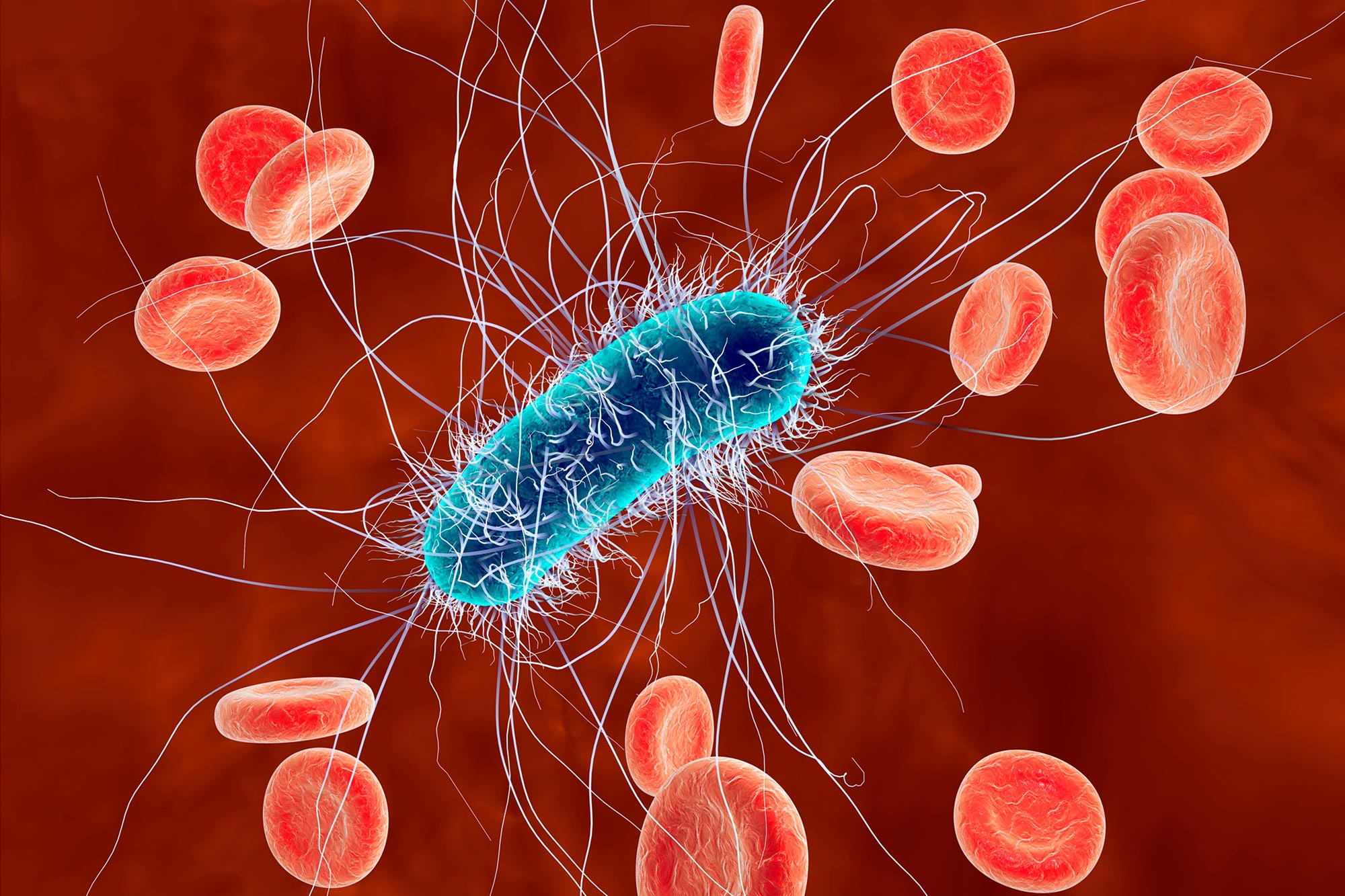
    E. coli Bacteria in Blood
    A team of Australian researchers discovered a mutation in E. coli that enables it to cause severe infections by preventing cellulose production, offering new insights into combating antibiotic-resistant bacteria.

    Mutation in E. coli facilitates severe disease by hindering cellulose production, revealing new approaches to fight antibiotic resistance.

    Queensland researchers have discovered that a mutation allows some E. coli bacteria to cause severe disease in people while other bacteria are harmless, a finding that could help to combat antibiotic resistance.

    Professor Mark Schembri and Dr. Nhu Nguyen from The University of Queensland’s Institute for Molecular Bioscience and Associate Professor Sumaira Hasnain from Mater Research found the mutation in the cellulose-making machinery of E. coli bacteria.

    Professor Schembri said the mutation gives the affected E. coli bacteria the green light to spread further into the body and infect more organs, such as the liver, spleen, and brain.

    “Bad’ bacteria can’t make cellulose

    “Our discovery explains why some E. coli bacteria can cause life-threatening sepsis, neonatal meningitis, and urinary tract infections (UTIs), while other E. coli bacteria can live in our bodies without causing harm,” Professor Schembri said.

    “The ‘good’ bacteria make cellulose and ‘bad’ bacteria can’t.”

    Bacteria produce many substances on their cell surfaces that can stimulate or dampen the immune system of the host.
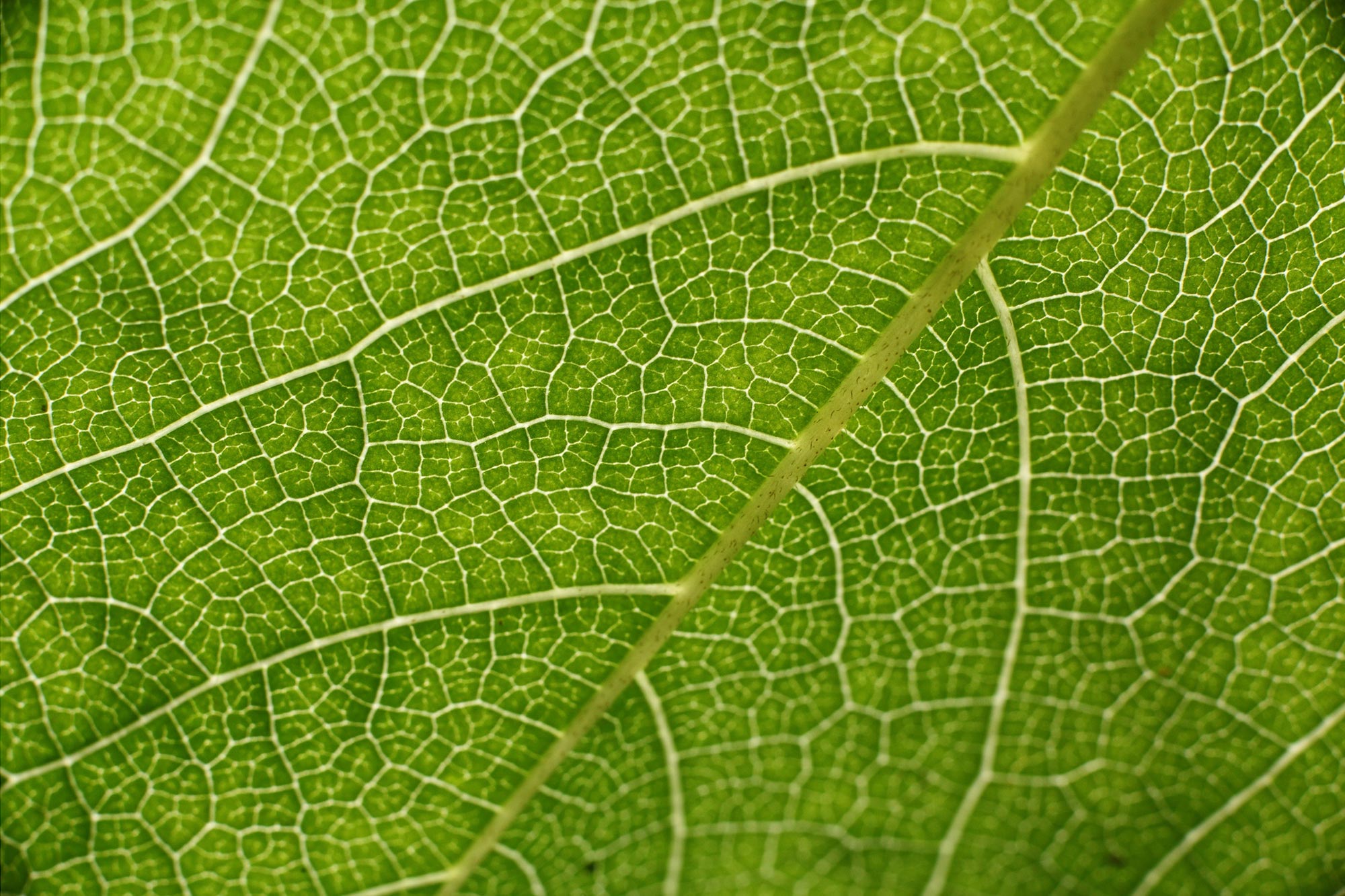
    Green Leaf Close Up
    Plants, algae and ‘good’ bacteria make the carbohydrate cellulose, ‘bad’ bacteria can’t.

    Inflammation and spreading through the body

    “The mutations we identified stopped the E. coli making the cell-surface carbohydrate cellulose and this led to increased inflammation in the intestinal tract of the host,” Professor Schembri said.

    “The result was a breakdown of the intestinal barrier, so the bacteria could spread through the body.”

    In models that replicate human disease, the team showed that the inability to produce cellulose made the bacteria more virulent, so it caused more severe disease, including infection of the brain in meningitis and the bladder in UTIs.
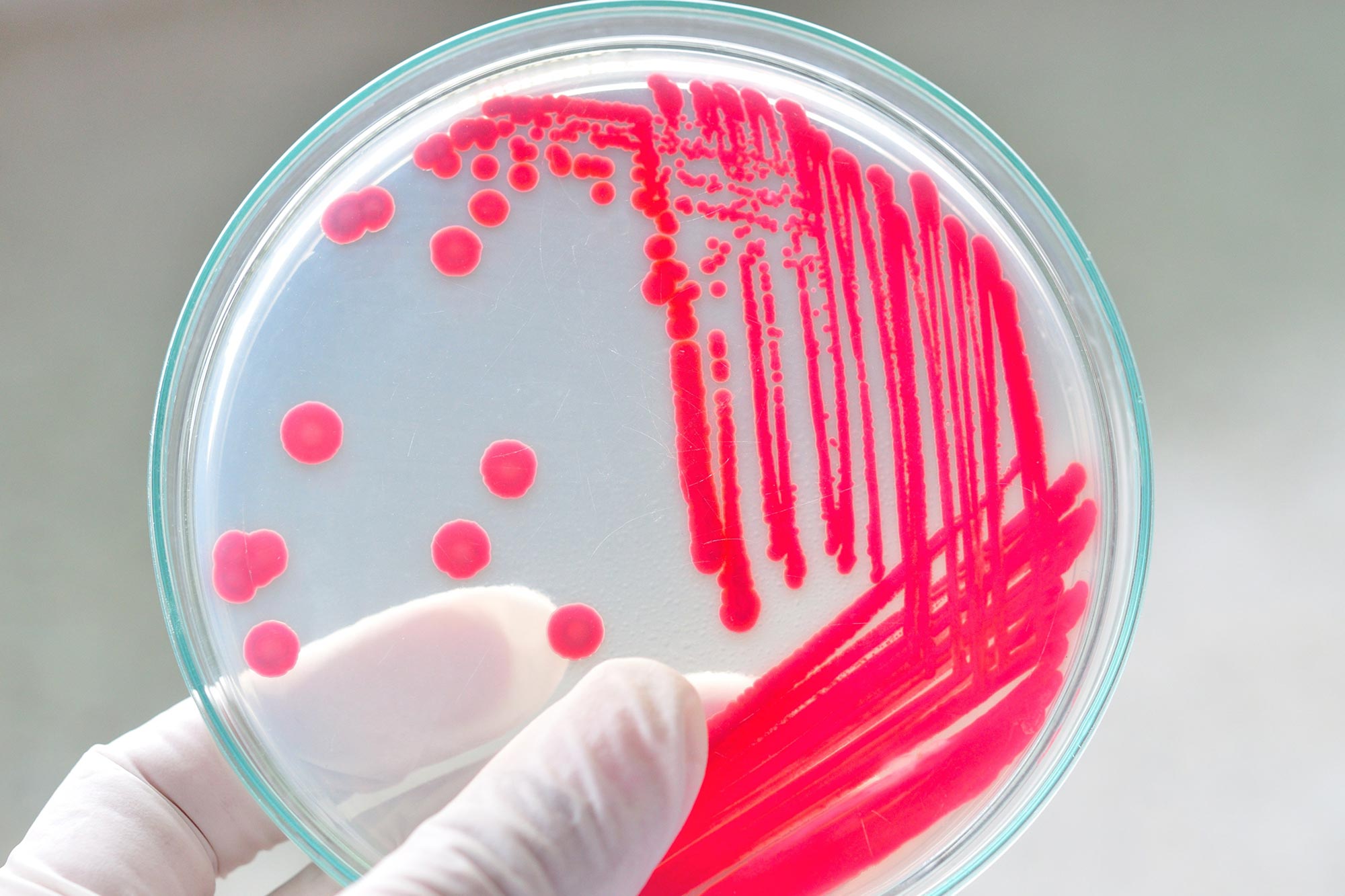
    Holding Petri Dish With Bacteria
    E. coli is the most dominant pathogen associated with bacterial antibiotic resistance.

    Finding new ways to prevent infection

    Associate Professor Hasnain said understanding how bacteria spread from intestinal reservoirs to the rest of the body was important in preventing infections.

    “Our finding helps explain why certain types of E. coli become more dangerous and provides an explanation for the emergence of different types of highly virulent and invasive bacteria,” she said.

    Professor Schembri said E. coli was the most dominant pathogen associated with bacterial antibiotic resistance.

    “In 2019 alone, almost 5 million deaths worldwide were associated with bacterial antibiotic resistance, with E. coli causing more than 800,000 of these deaths,” he said.

    “As the threat of superbugs that are resistant to all available antibiotics increases worldwide, finding new ways to prevent this infection pathway is critical to reduce the number of human infections.”

    Reference: “A convergent evolutionary pathway attenuating cellulose production drives enhanced virulence of some bacteria” by Nguyen Thi Khanh Nhu, M. Arifur Rahman, Kelvin G. K. Goh, Seung Jae Kim, Minh-Duy Phan, Kate M. Peters, Laura Alvarez-Fraga, Steven J. Hancock, Chitra Ravi, Timothy J. Kidd, Matthew J. Sullivan, Katharine M. Irvine, Scott A. Beatson, Matthew J. Sweet, Adam D. Irwin, Jana Vukovic, Glen C. Ulett, Sumaira Z. Hasnain and Mark A. Schembri, 21 February 2024, Nature Communications.
    DOI: 10.1038/s41467-024-45176-4

    The collaboration included teams from UQ’s School of Biomedical Sciences led by Associate Professor Jana Vukovic and from Griffith University’s School of Pharmacy and Medical Sciences led by Professor Glen Ulett.

    Never miss a breakthrough: Join the SciTechDaily newsletter.
    Follow us on Google and Google News.

    Bacteria Infectious Diseases Microbiology University of Queensland
    Share. Facebook Twitter Pinterest LinkedIn Email Reddit

    Related Articles

    20-Year Study Reveals Cholera’s Surprising Weakness

    Why Antibiotics Aren’t Enough for Some Chronic Wounds

    Shocking Discovery: How Bad Bacteria Use Electrical Signals To Invade the Gut

    The Invisible Hijackers: How Respiratory Bacteria Sabotage Our Immune System

    Probiotic Protection? Gut Bacteria Discovered That Protects the Intestine From Invasion of the COVID-19 Virus

    First Infection of Human Cells During Spaceflight Analyzed by Researchers

    Antibiotic Game-Changer: Phages Can Anticipate Bacteria’s Location and Destroy Them Before They Cause an Infection

    Evolution of a Killer: How African Salmonella Made the Leap From Gut to Bloodstream Infections in Humans

    Supercharged Bacterial “Clones” Spark Scarlet Fever’s Global Re-emergence

    Leave A Reply Cancel Reply

    • Facebook
    • Twitter
    • Pinterest
    • YouTube

    Don't Miss a Discovery

    Subscribe for the Latest in Science & Tech!

    Trending News

    First-of-Its-Kind Discovery: Homer’s Iliad Found Embedded in a 1,600-Year-Old Egyptian Mummy

    Beyond Inflammation: Scientists Uncover New Cause of Persistent Rheumatoid Arthritis

    A Simple Molecule Could Unlock Safer, Easier Weight Loss

    Scientists Just Built a Quantum Battery That Charges Almost Instantly

    Researchers Unveil Groundbreaking Sustainable Solution to Vitamin B12 Deficiency

    Millions of People Have Osteopenia Without Realizing It – Here’s What You Need To Know

    Researchers Discover Boosting a Single Protein Helps the Brain Fight Alzheimer’s

    World-First Study Reveals Human Hearts Can Regenerate After a Heart Attack

    Follow SciTechDaily
    • Facebook
    • Twitter
    • YouTube
    • Pinterest
    • Newsletter
    • RSS
    SciTech News
    • Biology News
    • Chemistry News
    • Earth News
    • Health News
    • Physics News
    • Science News
    • Space News
    • Technology News
    Recent Posts
    • 380-Million-Year-Old Fish Fossil Reveals Secrets of Life’s First Steps Onto Land
    • Mezcal “Worm” in a Bottle Mystery: DNA Testing Reveals a Surprise
    • Scientists Turn Red Lettuce Green, Unlocking Hidden Nutrients
    • Researchers Discover Natural Compound That Disarms Deadly Superbug
    • New Research Reveals That Your Morning Coffee Activates an Ancient Longevity Switch
    Copyright © 1998 - 2026 SciTechDaily. All Rights Reserved.
    • Science News
    • About
    • Contact
    • Editorial Board
    • Privacy Policy
    • Terms of Use

    Type above and press Enter to search. Press Esc to cancel.