

Scientists using the XRISM X-ray satellite have uncovered unexpectedly high amounts of chlorine and potassium in the Cassiopeia A supernova remnant, solving a long-standing mystery about the origins of these life-important elements.
Investigating the Origins of Life’s Essential Elements
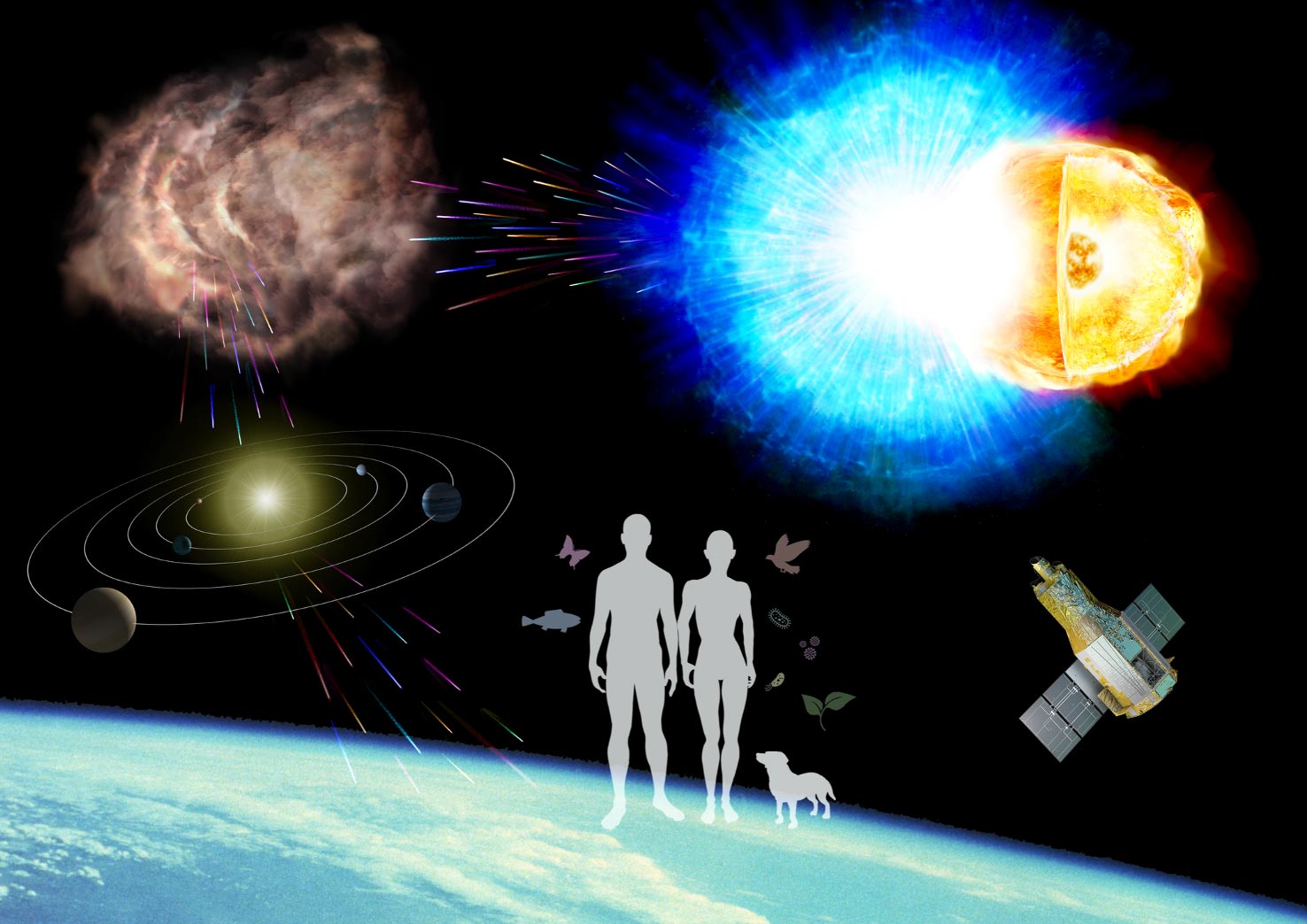
“Why are we here?” remains one of the oldest questions humans have asked. One way scientists approach this is by examining how the elements that make up everything around us first formed. Many elements are known to arise within stars and in the explosive aftermath of supernovae, which scatter this material throughout space. However, the sources of several important elements have remained unclear.
Chlorine and potassium are two of these puzzling ingredients. They belong to a group known as odd-Z elements – possessing an odd number of protons – and they play crucial roles in both biological systems and the formation of planets. Current models indicate that stars should create only about one-tenth of the chlorine and potassium seen across the universe, leaving a long-standing gap in scientific understanding.
XRISM Provides a New Look at Supernova Debris
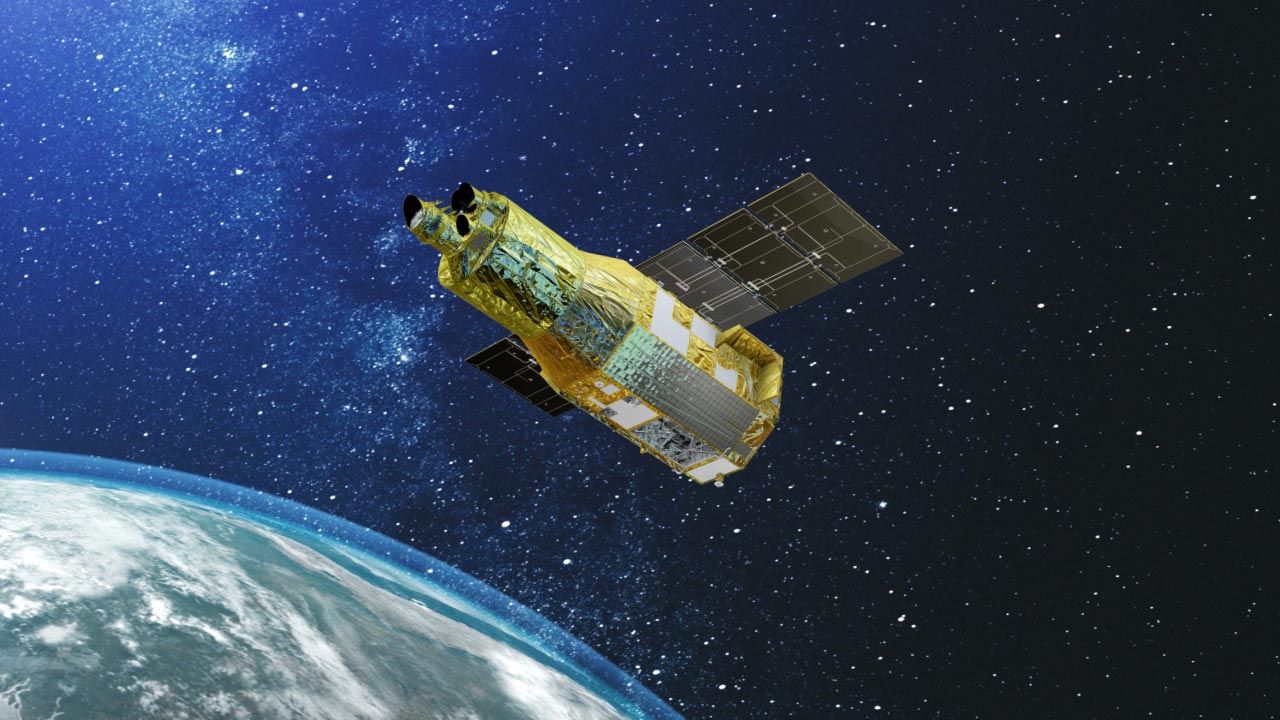
This gap motivated scientists from Kyoto University and Meiji University to search for clues within the remains of past stellar explosions. Using XRISM – short for X-Ray Imaging and Spectroscopy Mission, an X-ray satellite launched by JAXA in 2023 – the team collected high-resolution X-ray spectroscopic data from the Cassiopeia A supernova remnant in the Milky Way.
Their work relied on the microcalorimeter Resolve instrument aboard XRISM. This device offers energy resolution roughly ten times sharper than earlier X-ray detectors, allowing the researchers to isolate faint emission lines from uncommon elements. By examining Cassiopeia A’s X-ray spectrum, they were able to compare the measured amounts of chlorine and potassium with predictions from several supernova nucleosynthesis models.
New Evidence for How Supernovae Create Key Elements
The measurements revealed clear emission lines from both elements at levels far higher than standard models anticipated. This marks the first observational confirmation that a single supernova can generate enough chlorine and potassium to match what is seen in the cosmos. According to the researchers, strong internal mixing in massive stars driven by rapid rotation, binary interactions, or shell-merger events may dramatically boost the production of these elements.
“When we saw the Resolve data for the first time, we detected elements I never expected to see before the launch. Making such a discovery with a satellite we developed is a true joy as a researcher,” says corresponding author Toshiki Sato.
What These Findings Mean for the Story of Life
The results indicate that the elements essential for life formed within extreme, highly energetic environments deep inside stars, far removed from the calm conditions required for life itself. The study also highlights how advanced X-ray spectroscopy can reveal the processes shaping matter inside stellar interiors.
“I am delighted that we have been able, even if only slightly, to begin to understand what is happening inside exploding stars,” says corresponding author Hiroyuki Uchida.
Expanding the Search Across the Cosmos
The researchers now plan to study additional supernova remnants using XRISM to determine whether the unusual amounts of chlorine and potassium found in Cassiopeia A occur throughout massive stars or if this remnant is an exception. Understanding how common these enhanced mixing processes are will help clarify their role in the broader evolution of stars.
“How Earth and life came into existence is an eternal question that everyone has pondered at least once. Our study reveals only a small part of that vast story, but I feel truly honored to have contributed to it,” says corresponding author Kai Matsunaga.
Reference: “Chlorine and potassium enrichment in the Cassiopeia A supernova remnant” by XRISM collaboration, 4 December 2025, Nature Astronomy.
DOI: 10.1038/s41550-025-02714-4
Never miss a breakthrough: Join the SciTechDaily newsletter.
Follow us on Google and Google News.