
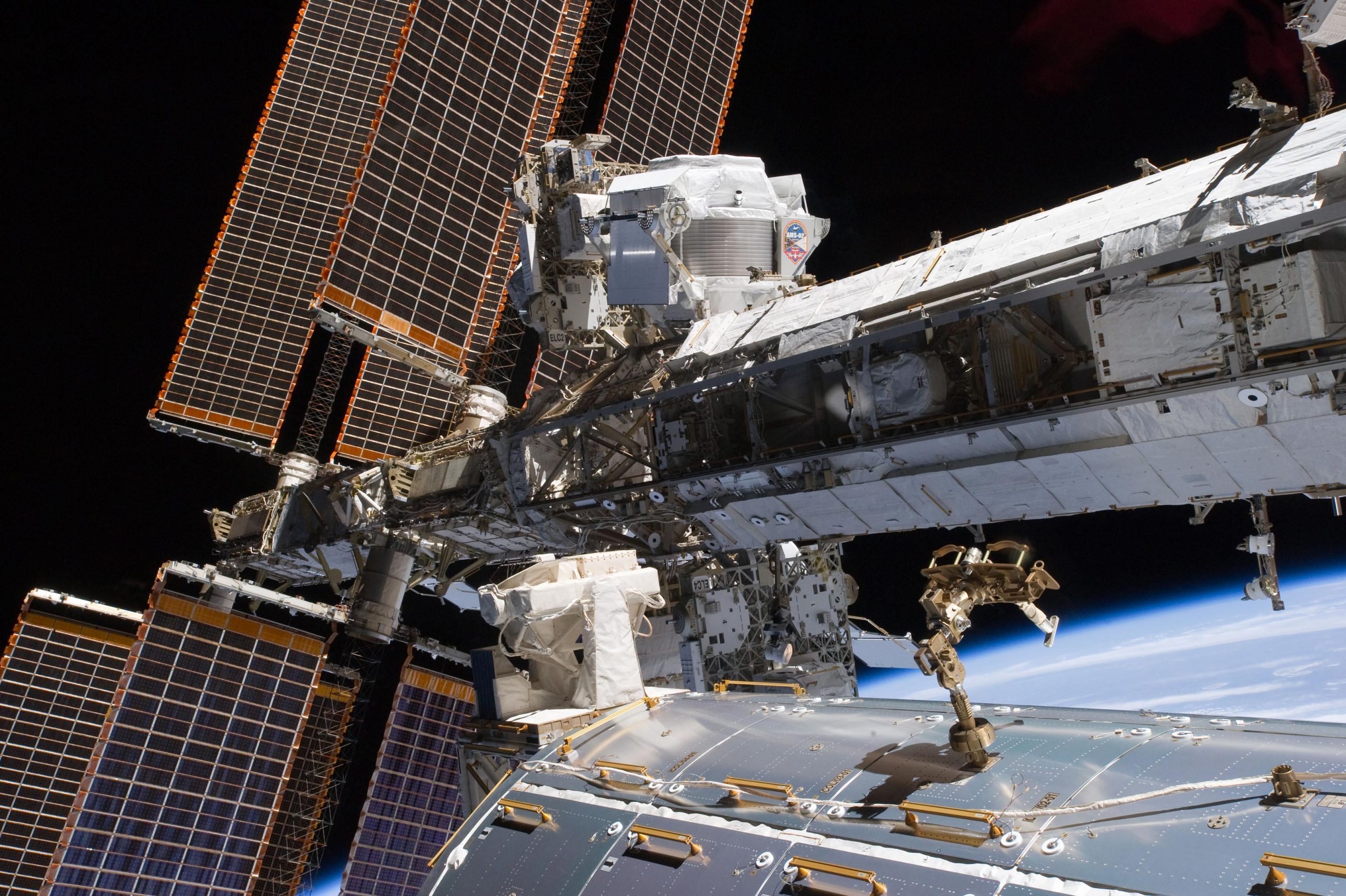
Two NASA astronauts have completed their preparations for the first spacewalk of 2025, which will focus on servicing astrophysics equipment aboard the International Space Station (ISS). Meanwhile, the rest of the Expedition 72 crew divided their time between supporting the spacewalk efforts and continuing human research activities.
NASA Flight Engineer Nick Hague and ISS Commander Suni Williams are scheduled to begin their six-and-a-half-hour spacewalk on Thursday at 8 a.m. EST. After exiting the Quest airlock, they will work on repairing light leaks in the NICER X-ray telescope and preparing the Alpha Magnetic Spectrometer for future upgrades. The skilled spacewalkers will also replace critical engineering components that help maintain the station’s orientation and provide vital navigation data. NASA+ will begin live coverage of the event at 6:30 a.m. EST on Thursday.
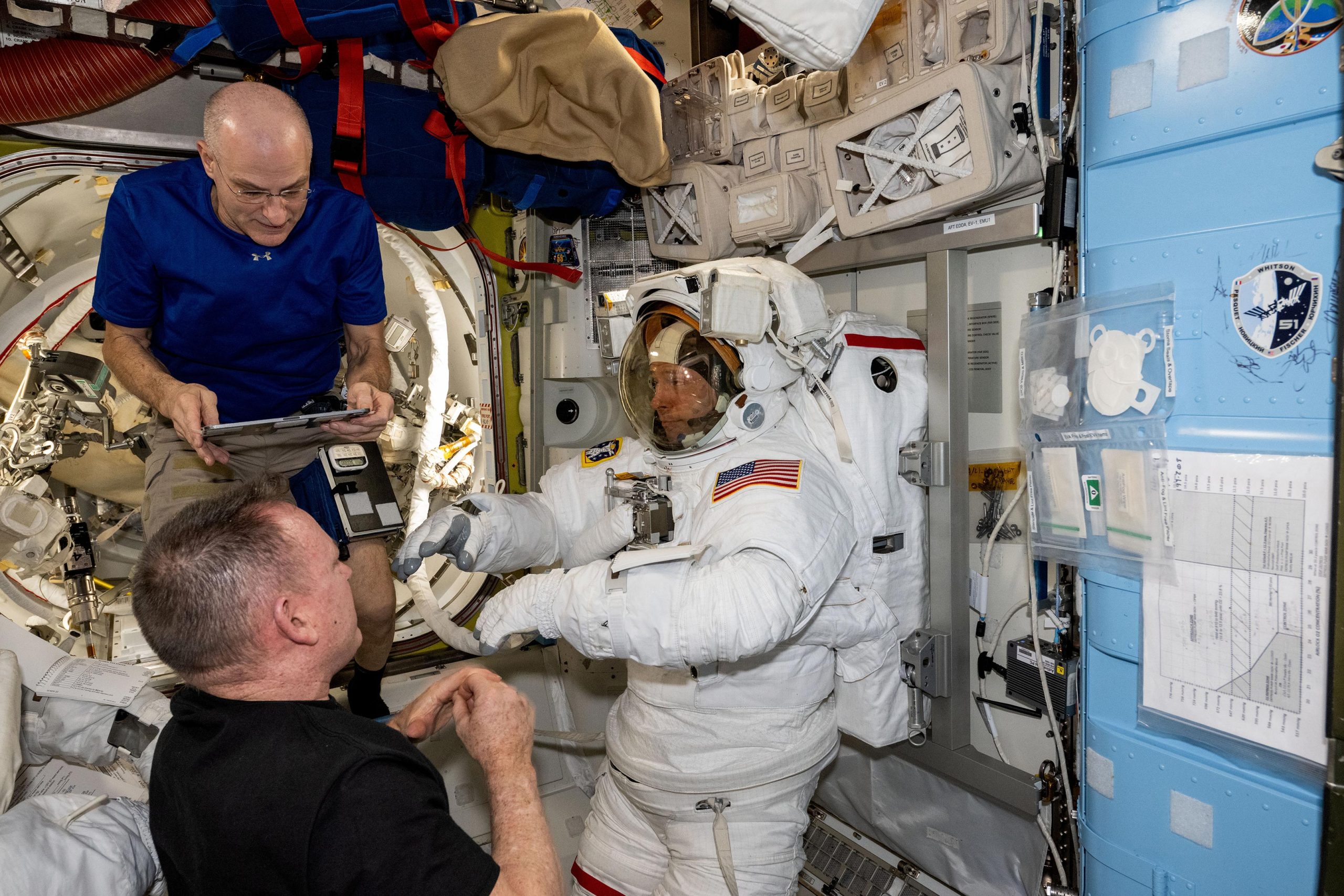
Hague and Williams started Wednesday in Quest reviewing the procedures they will use to fulfill their spacewalking tasks. The pair also staged spacesuits and organized the specialized tools inside Quest. NASA Flight Engineers Don Pettit and Butch Wilmore assisted with the spacewalking preparations and then joined Hague and Williams for a readiness review with mission controllers on the ground at the end of their shift.
Roscosmos cosmonauts Alexey Ovchinin and Ivan Vagner were back on human research duty on Wednesday attaching sensors to their forehead, fingers, and toes measuring how blood flows to the tiniest vessels in microgravity. Scientists want to understand how the human circulatory system in the limbs of crew members adapts to living long-term in microgravity.
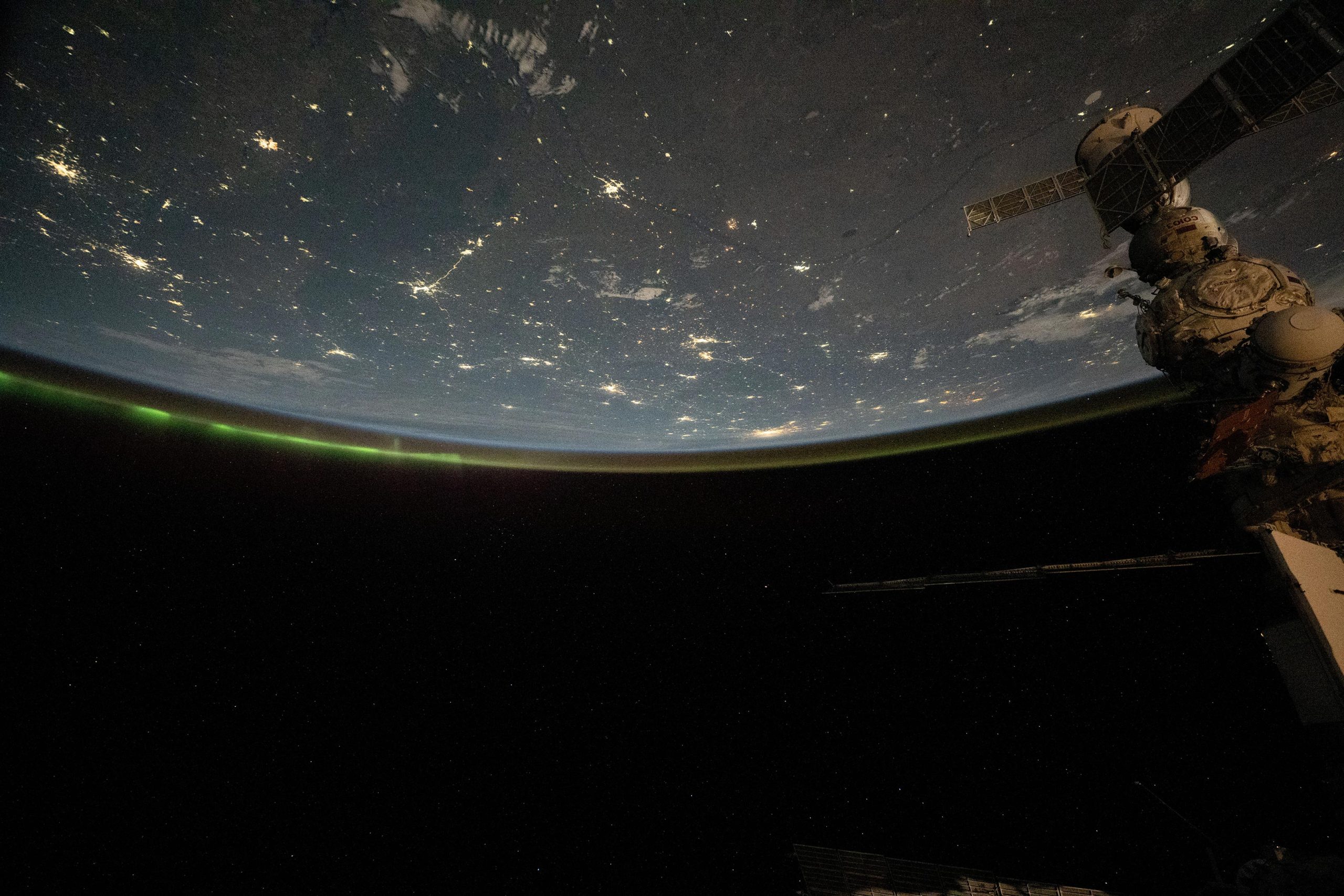
Flight Engineer Aleksandr Gorbunov took a fitness test pedaling on an exercise cycle while electrodes measured his aerobic and cardiovascular output ensuring his health in weightlessness. All three cosmonauts also continued their orbital maintenance tasks servicing a variety of life support gear throughout the orbital outpost’s Roscosmos segment.
Never miss a breakthrough: Join the SciTechDaily newsletter.
Follow us on Google and Google News.