
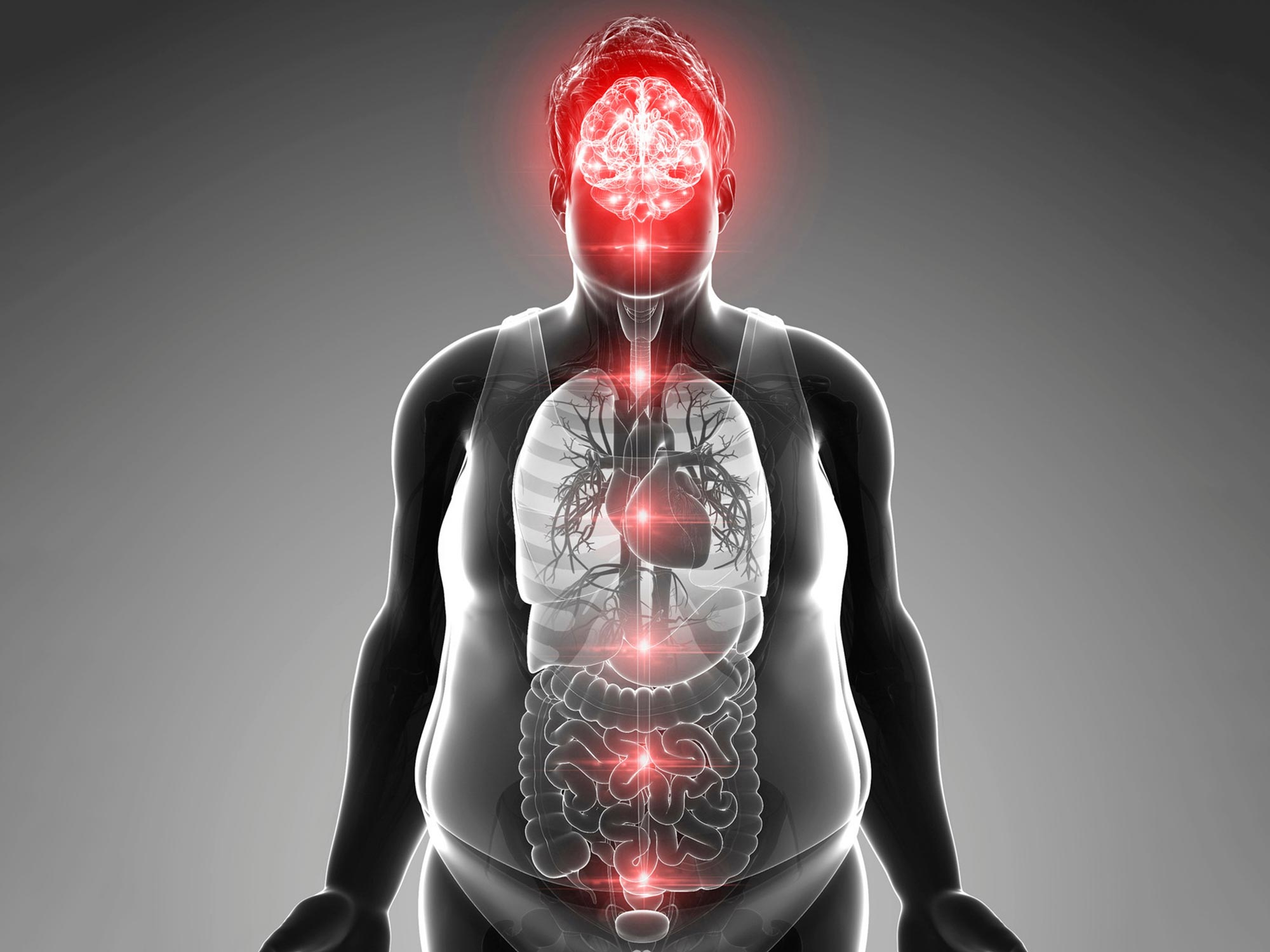
New research in mice reveals a compelling link between obesity and anxiety, potentially driven by changes in both brain function and gut bacteria.
Young mice fed a high-fat diet developed obesity, showed anxiety-like behavior, and had distinct brain signaling and microbiome patterns compared to their lean counterparts. These findings suggest that the gut-brain axis could play a key role in mental health outcomes related to obesity.
Obesity and Anxiety: A Gut-Brain Connection?
Obesity and anxiety are both rising fast, especially among younger Americans. Now, new research suggests these two conditions may be more closely connected than we thought. In a study using mice, scientists found that a high-fat diet led not just to weight gain, but also to anxiety-like behaviors, changes in brain activity, and shifts in gut bacteria that could be affecting how the brain functions.
“Several studies have pointed to a link between obesity and anxiety, though it is still unclear whether obesity directly causes anxiety or if the association is influenced by societal pressures,” said Desiree Wanders, PhD, associate professor and chair of nutrition at Georgia State University. “Our findings suggest that obesity can lead to anxiety-like behavior, possibly due to changes in both brain function and gut health.”
Wanders shared the findings at NUTRITION 2025, the flagship annual meeting of the American Society for Nutrition held in Orlando, Florida.
Probing Brain and Behavior Effects
While obesity’s connection to diseases like diabetes and heart problems is well known, its effects on brain health are less understood. To explore the link between body weight, brain function, and anxiety, researchers used a mouse model that mirrors many of the same metabolic issues seen in humans.
The study followed 32 young male mice from adolescence to early adulthood. Half were fed a low-fat diet, while the other half consumed a high-fat diet. By the end of the study, the high-fat group had gained significantly more weight and body fat than the lean group.

Anxiety Behaviors and Brain Signal Disruption
In behavioral tests, the researchers found that the obese mice displayed more anxiety-like behaviors, such as freezing (a defensive behavior mice exhibit in response to a perceived threat), compared with lean mice. These mice also showed different signaling patterns in the hypothalamus, a region of the brain involved in regulating metabolism, which could contribute to cognitive impairments.
In addition, the researchers observed distinct differences in the makeup of gut bacteria in obese mice compared with lean mice. These findings align with a growing body of evidence pointing to the role of the gut microbiome in regulating behavior.
From Mice to Meaningful Human Insights
While recognizing that research in mice does not always translate directly to humans, Wanders said that the results provide new insights that underscore the importance of targeting multiple systems in understanding and potentially treating obesity-related cognitive impairments.
“These findings could have important implications for both public health and personal decisions,” said Wanders. “The study highlights the potential impact of obesity on mental health, particularly in terms of anxiety. By understanding the connections between diet, brain health and gut microbiota, this research may help guide public health initiatives that focus on obesity prevention and early intervention, particularly in children and adolescents.”
Wanders also noted that the carefully controlled conditions used in the study lend rigor and credibility to the results but added that the real world is much more complex.
Complex Influences Beyond Diet Alone
“While our findings suggest that diet plays a significant role in both physical and mental health, it is important to remember that diet is just one piece of the puzzle,” said Wanders. “Environmental factors, genetics, lifestyle choices and socioeconomic status also contribute to the risk of obesity and its associated health outcomes. Therefore, while these results are important, they should be considered in the context of a broader, multifactorial approach to understanding and addressing obesity-related cognitive impairments and mental health issues.”
Next, the researchers hope to further explore the mechanisms by which diet-induced obesity affects the brain and behavior by digging deeper into the changes in the gut microbiome and expanding their study to include female mice and different age groups. Wanders added that it would be useful to determine whether weight loss interventions could reverse the impacts.
Meeting: NUTRITION 2025
Never miss a breakthrough: Join the SciTechDaily newsletter.
Follow us on Google and Google News.
3 Comments
I would be curious as to what the fat source was. Seed oils have been recently linked to inflammation, hormone disregulation and weight gain in the body whereas cold-pressed fruit oils like olive and avocado show an opposite effect. Maybe another study comparing the effects of different oils would shed some light on this.
True, dierary fat is a bad category given that two different fats can have diametrically opposite behaviors.
That said, this article is mostly about the effects of obesity. The one sentence summary of this article would be: “Obesity is bad for health.”
The study seems to be saying that obesity is bad regardless of how it came to be that way.
Can you share the research that seed oils have been linked to inflammation, hormone dysregulation and weight gain? Quality research actually says the opposite.